

Salpingectomy: Procedure, Risks and Recovery

Key Takeaways
- Salpingectomy means surgical removal of one or both fallopian tubes.
- It may be done urgently or planned in advance, depending on the reason for surgery.
- Recovery is often shorter with minimally invasive approaches, but it still requires rest and follow-up.
- The procedure can affect natural fertility if both tubes are removed.
- A gynecologist can explain the safest option based on symptoms, fertility goals, and overall health.
Medically reviewed by the Acıbadem clinical team — August 19, 2026
Salpingectomy is a surgical procedure that removes one or both fallopian tubes. It may be recommended for Pregnancy Treatment" class="ahp-ilk">ectopic pregnancy, blocked or damaged tubes, some cancer-risk-reduction plans, or as part of treatment for certain gynecologic conditions.
Overview
Salpingectomy is the surgical removal of one fallopian tube or both. The fallopian tubes are the narrow passages that carry an egg from the ovary toward the uterus, so the procedure can have an important effect on fertility depending on whether one tube or both are removed.
Doctors may recommend salpingectomy for several reasons. Common situations include an ectopic pregnancy, a tube that is severely damaged or blocked, infection that has not settled with other treatment, or a plan to lower the risk of certain ovarian cancers in carefully selected patients. In some cases, it is performed at the same time as another pelvic operation.
For Myomectomy Recovery for International Patients: The Usual Travel Timeline" class="ahp-ilk">international patients, the decision to travel for surgery often depends on timing, symptoms, and the need for coordinated gynecology, anesthesia, and imaging support. A clear pre-travel plan helps make the process more predictable, especially when surgery may need to be scheduled around work, family responsibilities, or follow-up care back home.
Symptoms and When Salpingectomy Is Considered
Salpingectomy itself does not cause symptoms before the operation, but the condition leading to it often does. A person may notice pelvic pain, irregular bleeding, one-sided pain in an ectopic pregnancy, or symptoms related to infection such as fever and discharge. In other cases, the finding is made during testing for infertility or during evaluation for another pelvic problem.
When the issue is an ectopic pregnancy, symptoms can develop quickly and require urgent assessment. A blocked or damaged tube may be discovered during fertility workup or imaging. If the procedure is being considered to reduce cancer risk, it may be discussed when a person is already having pelvic surgery for another reason.
It helps to remember that symptoms come from the underlying condition, not from salpingectomy itself. That is why the doctor’s first task is to identify whether the problem is urgent, whether both tubes are affected, and whether fertility preservation is still possible.
Causes and Risk Factors
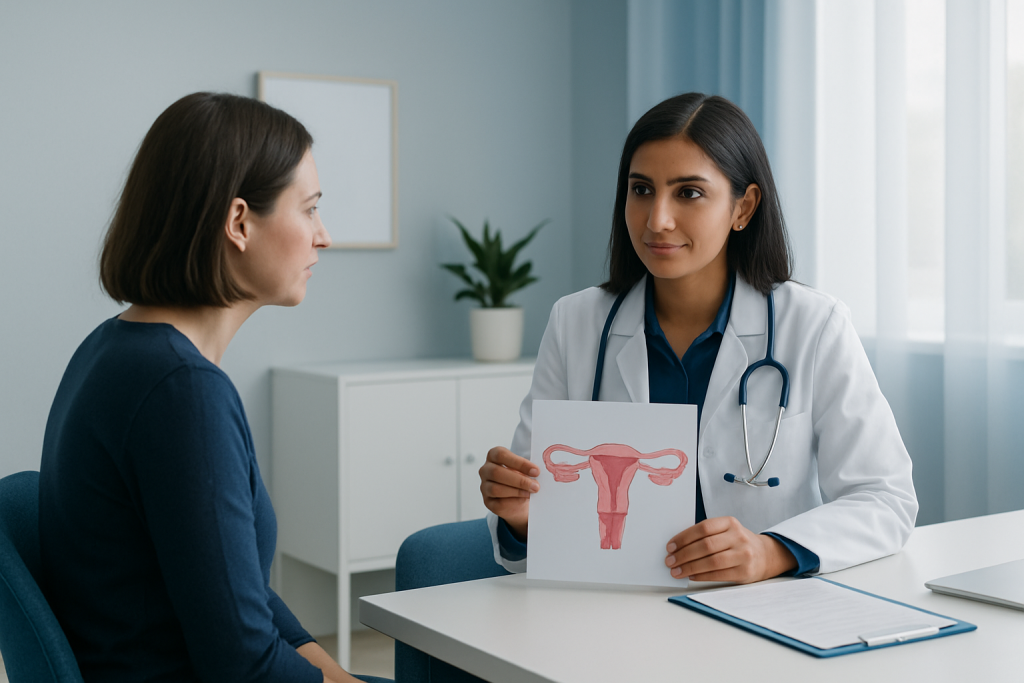
There is no single cause of salpingectomy; rather, the operation is chosen because the fallopian tube has become unsafe, nonfunctional, or part of a broader treatment plan. One common reason is ectopic pregnancy, where a pregnancy implants outside the uterus and cannot safely continue in the tube.
Other reasons include pelvic inflammatory disease, prior surgery that left scarring, hydrosalpinx, severe endometriosis involving the tubes, or a tube that is damaged after infection or torsion. In cancer prevention, some patients with inherited risk factors may discuss removal of the tubes during another planned surgery.
- Previous pelvic infection or inflammation
- Prior abdominal or pelvic surgery
- History of ectopic pregnancy
- Endometriosis
- Known hereditary cancer risk in selected patients
Risk factors vary widely, and not every person with one of these conditions needs surgery. A gynecologist usually weighs the benefits of removing the tube against the person’s fertility goals, pain level, and overall health.
Diagnosis and Preoperative Evaluation
Before salpingectomy, doctors usually confirm why the procedure is being considered. Evaluation may include a pelvic exam, pregnancy testing, blood work, ultrasound, and sometimes additional imaging or specialist review. If ectopic pregnancy is suspected, the assessment is often time-sensitive.
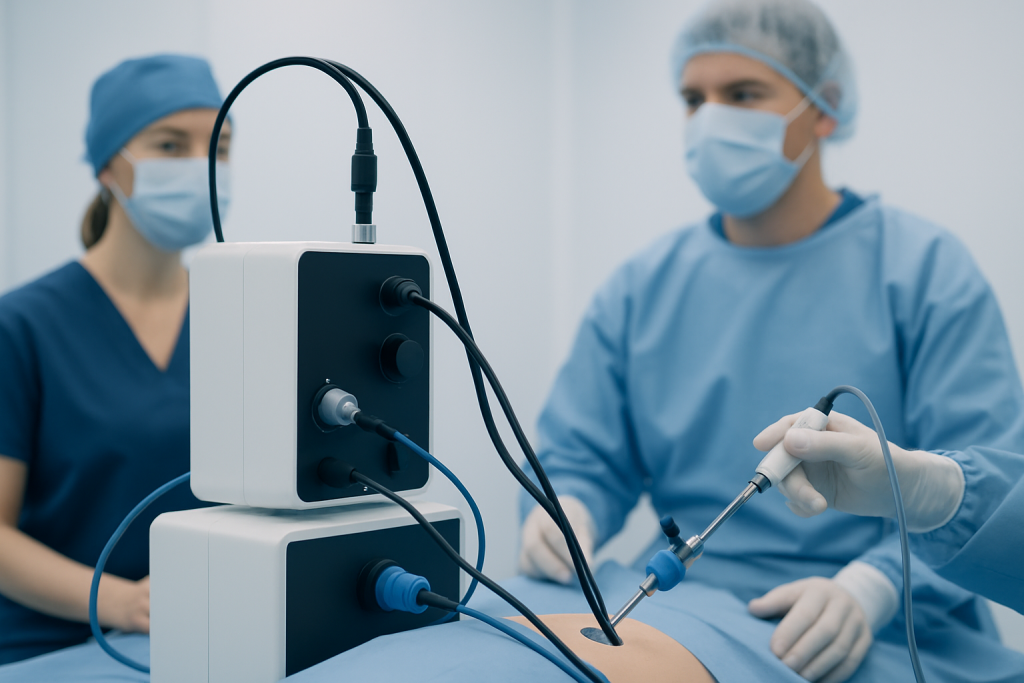
The preoperative visit is also when the surgical approach is discussed. Laparoscopic salpingectomy, which uses small incisions and a camera, is common for many stable patients. In urgent or more complex situations, an open approach may be recommended if it offers safer access or better control of bleeding.
For patients coming from another country, this stage often includes a careful review of records, medication lists, allergies, and previous imaging. It is also the right time to ask practical questions about length of stay, expected recovery, and when it is safe to travel after surgery.
Treatment Options
Salpingectomy is itself the treatment, but the surgical technique varies. In a laparoscopic procedure, the surgeon works through small incisions and removes the affected tube with specialized instruments. When one tube is removed, the other tube may still allow natural conception, depending on its health. If both tubes are removed, pregnancy would no longer be possible without assisted reproductive treatment such as IVF.
In some situations, the surgeon may choose salpingostomy instead, which opens the tube and preserves it. This is not always appropriate, especially if the tube is badly damaged or the situation is unstable. The best choice depends on the person’s condition, fertility wishes, and the surgeon’s assessment during the operation.
After surgery, pain control, gentle movement, and follow-up visits are part of the plan. If a person needs to return home soon after treatment, the care team usually provides instructions about wound care, warning signs, activity limits, and the timing of repeat appointments or local physician follow-up.
Recovery and Prevention
Recovery time depends on the surgical approach and the reason for the operation. Many people who have minimally invasive surgery are able to go home the same day or after a short stay, but it is still important to rest, avoid heavy lifting, and gradually return to normal activity. Mild shoulder discomfort, bloating, and incision soreness can happen after laparoscopy and usually improve with time.
There is no way to prevent every condition that leads to salpingectomy, but some risks can be reduced. Early treatment of pelvic infections, prompt attention to severe pelvic pain, and regular gynecologic care can help detect problems sooner. For people with a known hereditary cancer risk, preventive surgery should only be considered after thorough specialist counseling.
Practical self-care matters during recovery. Staying hydrated, following wound instructions, avoiding smoking, and attending scheduled follow-up can all support healing. If travel is involved, the person may need a realistic return plan that allows enough time for movement, rest, and medical review before long flights or other strenuous trips.
When to See a Doctor
A gynecologist should be consulted if there is persistent pelvic pain, abnormal bleeding, infertility concerns, or a history of ectopic pregnancy. Sudden, severe one-sided pain, fainting, shoulder pain, or heavy bleeding needs urgent medical attention because it may signal a surgical emergency such as a ruptured ectopic pregnancy.
After salpingectomy, medical review is important if there is fever, worsening pain, increasing redness or drainage from the incision, trouble urinating, shortness of breath, or bleeding that seems heavier than expected. These symptoms do not always mean a serious complication, but they deserve prompt assessment.
People planning care from abroad should arrange both preoperative and postoperative communication before traveling. Acibadem Health Point can connect international patients with multidisciplinary specialists and JCI-accredited hospitals for diagnosis and treatment, with a focus on clear coordination rather than rushed decisions.
Frequently asked questions
What is the difference between salpingectomy and tubal ligation?
Salpingectomy removes one or both fallopian tubes, while tubal ligation blocks or seals the tubes to prevent pregnancy. Because salpingectomy removes the tube entirely, it may be chosen for different medical reasons, including treatment of disease or risk reduction. The best option depends on the clinical situation and fertility goals.
Can a person still get pregnant after salpingectomy?
Pregnancy may still be possible if only one fallopian tube is removed and the other tube is healthy. If both tubes are removed, natural pregnancy is no longer possible, although assisted reproduction such as IVF may still be an option in some cases. A fertility specialist can explain the likely impact in each situation.
Is salpingectomy always done laparoscopically?
No. Laparoscopic surgery is common, but an open operation may be safer in some urgent or complex cases. The surgeon chooses the approach based on the reason for surgery, the person’s stability, and the anatomy seen during evaluation.
How long does recovery usually take?
Recovery varies with the type of surgery and the person’s overall health. Many people recover faster after minimally invasive surgery, but they still need time for rest and gradual return to activity. The care team will usually give guidance on work, exercise, and travel after surgery.
Does salpingectomy affect hormone levels?
Removing the fallopian tubes does not usually stop the ovaries from working, so hormone levels are generally not directly affected. Menstrual cycles may continue unless another condition or procedure changes them. If there are concerns about menopause symptoms or hormonal changes, a doctor can review them in context.
When is salpingectomy urgent?
It can be urgent when it is needed for an ectopic pregnancy, significant bleeding, or severe infection. These situations require prompt hospital assessment because timing matters for safety. Any sudden, intense pelvic pain or fainting should be treated as urgent.
References
- American College of Obstetricians and Gynecologists
- National Health Service
- Mayo Clinic
- World Health Organization
- Society of Gynecologic Oncology
This article is for general information only and is not a substitute for professional medical advice. Please consult a qualified doctor about your individual situation.
IVF & fertility treatment in Turkey — success rates and costs
JCI-accredited · board-certified surgeons · reply within 24h
Add us as a Preferred Source to see more of our trusted health content across Google Search, AI Overviews and Discover.
More from the Health Library



Related Specialists
Dr. Gamze Karababa
Gynecology & Obstetrics
Dr. Onur Özdenoğlu
Gynecology & Obstetrics
Dr. Selcen Bahadır
Gynecology & Obstetrics
Prof. Dr. A. Taner Usta
Gynecology & Obstetrics