

A D And C Procedure

Key Takeaways
- A D and C procedure removes tissue from the uterus for diagnostic or therapeutic reasons.
- It may be recommended after abnormal bleeding, miscarriage, or when uterine tissue needs examination.
- The procedure is usually brief, and recovery is often straightforward, though cramping and spotting can occur.
- Risks are uncommon but can include infection, heavy bleeding, or injury to the uterus.
- Follow-up matters, especially if symptoms persist or if results are needed to guide future care.
Medically reviewed by the Acıbadem clinical team — August 19, 2026
A D and C procedure, also called dilation and curettage, is a common gynecologic procedure used to remove tissue from the uterus for diagnosis or treatment. It may help evaluate abnormal bleeding, miscarriage, or other uterine concerns, and most people recover quickly with appropriate follow-up.
Overview
An A D and C procedure, more fully called dilation and curettage, is a gynecologic procedure used to gently open the cervix and remove a small sample of tissue from the uterus. In some situations, it is done to help doctors understand why symptoms are happening; in others, it is used to clear tissue that remains after a miscarriage or another pregnancy-related event.
For many patients, the phrase sounds more intimidating than the experience usually is. The procedure is typically short, performed in a hospital or outpatient setting, and followed by a recovery plan that focuses on comfort, observation, and next steps. For someone traveling for care, it can be reassuring to know that the treatment pathway is often well structured, from pre-procedure testing to post-procedure review.
A D and C procedure is not a single-purpose test. It may be part of a broader evaluation of abnormal uterine bleeding, suspected polyps, thickened uterine lining, or miscarriage management. The exact reason for the procedure shapes the preparation, the expected findings, and the follow-up plan.
Symptoms and Reasons It May Be Recommended
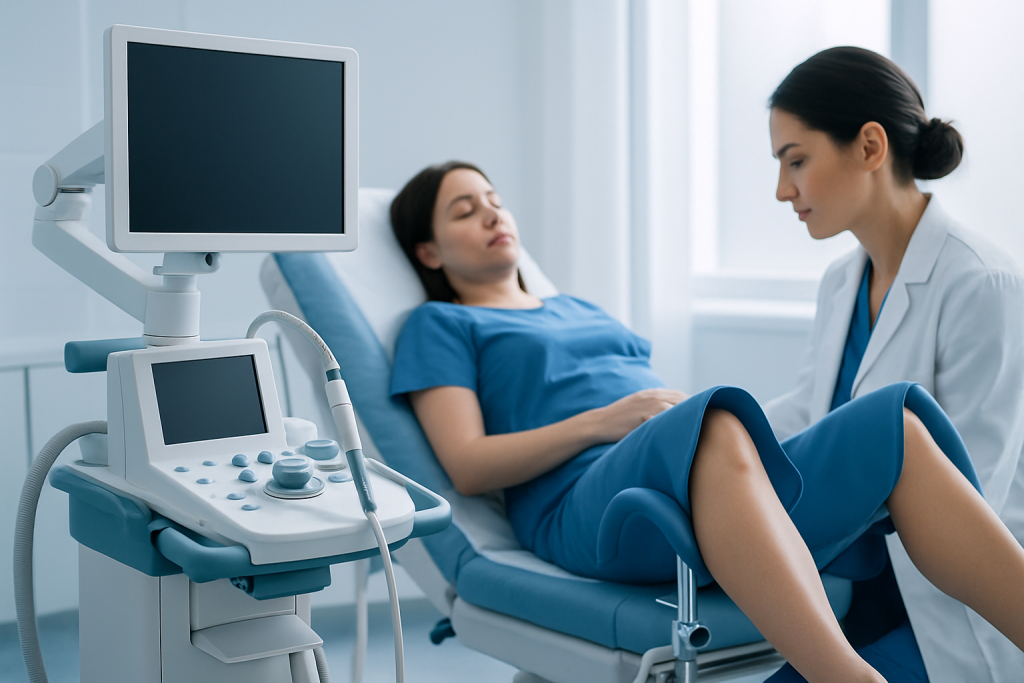
People do not undergo a D and C because of one specific symptom alone. Instead, a doctor may recommend it when a pattern of symptoms or test results suggests that looking more closely at the lining of the uterus could be helpful. Abnormal vaginal bleeding is one of the most common reasons, especially when bleeding occurs between periods, after menopause, or is heavier or more prolonged than usual.
It is also used after pregnancy loss when tissue may remain in the uterus. In that setting, the procedure can help reduce bleeding, lower the chance of infection, and allow the uterus to return to its normal state. Some patients are surprised to learn that a D and C can be both diagnostic and therapeutic, depending on the clinical situation.
Other possible reasons include:
- Investigating an abnormal ultrasound finding
- Checking for uterine polyps or thickened lining
- Obtaining tissue for laboratory analysis
- Managing incomplete miscarriage or retained tissue
Causes & Risk Factors

The procedure itself is not caused by a disease; it is a response to a medical concern. Conditions that can lead a doctor to consider a D and C include hormonal imbalance, uterine polyps, fibroids, miscarriage, or changes in the endometrium that need closer evaluation. In some cases, postmenopausal bleeding prompts a careful workup to understand the source.
Certain factors may make abnormal uterine bleeding or uterine lining changes more likely. These can include age-related hormonal shifts, use of some medications, a history of polyps or fibroids, or pregnancy-related complications. A doctor will usually review menstrual history, pregnancy history, medications, and prior procedures before deciding whether a D and C is appropriate.
It is helpful for patients to share whether they have bleeding disorders, allergies, a history of anesthesia issues, or an active infection. That information can influence planning and help the medical team choose the safest approach.
Diagnosis and Pre-Procedure Evaluation
Before a D and C, the doctor usually confirms why the procedure is being considered and whether less invasive tests might answer the question first. This often includes a medical history, pelvic examination, pregnancy testing when relevant, and imaging such as ultrasound. In some situations, blood tests may also be used to check for anemia or infection.
If the goal is to examine uterine tissue, the doctor may explain whether the sample will be taken by D and C alone or with hysteroscopy, a procedure that uses a thin camera to look inside the uterus. For Myomectomy Recovery for International Patients: The Usual Travel Timeline" class="ahp-ilk">international patients, this pre-procedure stage is often where coordination matters most: language support, timing of travel, and access to prior test results can all make the evaluation smoother.
The patient also receives instructions about eating and drinking before the procedure, arranging transportation home, and temporarily stopping certain medicines if the doctor advises it. Clear planning reduces stress and helps the day of the procedure feel more predictable.
Treatment Options and What Happens During the Procedure
A D and C procedure is usually performed under local, regional, or general anesthesia, depending on the patient’s situation and the doctor’s recommendation. The cervix is gently widened, and a special instrument is used to remove tissue from the uterine lining. The tissue may be sent to a pathology laboratory for examination, which can help confirm or rule out a diagnosis.
The procedure itself is generally brief, although preparation and recovery take additional time. Some patients notice cramping similar to menstrual cramps, and spotting or light bleeding can follow. If the D and C is done after miscarriage or for persistent bleeding, the doctor may discuss what findings are expected and how those results could affect future care.
Treatment does not always end when the procedure ends. Follow-up may include pathology review, discussion of menstrual changes, and planning for additional testing or treatment if a specific cause is identified. When patients are returning to another country, arranging a follow-up pathway before departure can be especially useful.
Recovery and Self-care
Recovery from a D and C is often uncomplicated, though the body still needs a short period to heal. Mild cramping, fatigue, and light spotting are common in the first days. The doctor usually provides guidance on pain relief, activity limits, and when it is safe to resume exercise, bathing, sexual activity, or tampon use.
Practical self-care often includes rest, hydration, and paying attention to bleeding patterns. It can be helpful to track symptoms in the days after the procedure, especially if the D and C was done to evaluate abnormal bleeding. Patients should also follow instructions about antibiotics or other medicines if they were prescribed.
For those traveling home after care, recovery planning should include a comfortable travel arrangement, easy access to medical contact information, and a clear understanding of what symptoms are expected versus unusual. A well-organized discharge plan can make cross-border follow-up much easier.
Possible Risks and Complications
Although a D and C is commonly performed, it is still a medical procedure and carries some risks. These are generally uncommon, but they include infection, heavy bleeding, reaction to anesthesia, and injury to the cervix or uterine wall. Rarely, scar tissue can form inside the uterus after a procedure.
The risk profile depends partly on why the procedure is being done, how far along a pregnancy was if pregnancy-related tissue is present, and whether the person has other health conditions. A careful pre-procedure assessment helps the team reduce avoidable risks and choose the safest method.
Patients should ask the doctor what warning signs to watch for after discharge and what kind of recovery is expected in their specific case. This is especially important if they will not be near the treating hospital during the first days of healing.
When to See a Doctor
Medical advice should be sought after a D and C if bleeding becomes heavy, pain worsens rather than improves, fever develops, or there is a foul-smelling discharge. These symptoms do not always mean a serious problem, but they do deserve prompt attention.
It is also important to contact a doctor if spotting continues longer than expected, the patient feels faint, or there are concerns about infection or incomplete tissue removal. If pathology results are pending, the follow-up appointment should not be skipped, because those results often guide the next steps.
When care is being arranged from another country, patients may benefit from choosing a center that can coordinate diagnostics, procedure, and follow-up efficiently. Acibadem Health Point’s multidisciplinary specialists and JCI-accredited hospitals diagnose and treat this condition for international patients, helping keep each step clear and connected.
Prevention & Self-care
A D and C procedure itself is not usually something to prevent, because it is performed for a medical reason. What can be helpful is addressing the underlying condition early. Routine gynecologic care, prompt evaluation of unusual bleeding, and clear reporting of menstrual changes all support earlier diagnosis and sometimes less invasive treatment.
Self-care also includes keeping track of menstrual patterns, pregnancy history, and any new symptoms. Patients who have had a miscarriage or abnormal bleeding may find it useful to write down questions before appointments, especially if they are balancing care across different countries or time zones.
After the procedure, following discharge instructions carefully is the best way to support healing. That means taking medicines as directed, avoiding activities the doctor has restricted, and returning for follow-up even if symptoms improve quickly.
Frequently asked questions
What is an A D and C procedure used for?
A D and C procedure is used to remove tissue from the uterus for diagnosis or treatment. It may help evaluate abnormal bleeding, miscarriage, or changes seen on imaging. In some cases, it helps clear tissue that has remained in the uterus.
Is a D and C procedure painful?
The procedure is usually done with anesthesia, so discomfort during the procedure is limited. Afterward, many people have mild cramping that feels similar to menstrual cramps. The doctor can suggest appropriate ways to manage post-procedure discomfort.
How long does recovery usually take?
Many people feel well enough to return to light activities within a short time, but recovery varies by reason for the procedure and overall health. Spotting and mild cramping can last for a few days. The doctor will explain when normal activity can resume.
What are the warning signs after a D and C?
Heavy bleeding, fever, severe pain, or foul-smelling discharge should be reported promptly. Dizziness or fainting also deserves medical attention. These symptoms can suggest a complication that needs review.
Can a D and C affect future fertility?
Most people do not have long-term fertility problems after a D and C. Rarely, scar tissue or other complications may affect the uterus. Anyone with fertility concerns should discuss them with a gynecologist before and after the procedure.
Do patients always need pathology results after a D and C?
Not always, but tissue is often sent to a laboratory if the procedure is done to investigate symptoms or abnormal findings. Pathology results can help explain what was happening in the uterus and guide further care. The doctor will discuss whether results are expected in a given case.
References
- American College of Obstetricians and Gynecologists
- National Health Service
- Mayo Clinic
- Merck Manual Professional Edition
This article is for general information only and is not a substitute for professional medical advice. Please consult a qualified doctor about your individual situation.
Explore treatments in Turkey — costs, top hospitals & a free quote
JCI-accredited · board-certified surgeons · reply within 24h
Add us as a Preferred Source to see more of our trusted health content across Google Search, AI Overviews and Discover.
More from the Health Library



Related Specialists

Dr. Gamze Karababa
Gynecology & Obstetrics
Dr. Onur Özdenoğlu
Gynecology & Obstetrics
Dr. Selcen Bahadır
Gynecology & Obstetrics
Prof. Dr. A. Taner Usta
Gynecology & Obstetrics