Is Walking Pneumonia Contagious?

Key Takeaways
- Walking pneumonia is usually caused by germs such as Mycoplasma pneumoniae and can spread from person to person.
- Symptoms may be mild at first, so people sometimes continue normal activities while still contagious.
- Diagnosis is based on symptoms, examination, and sometimes chest imaging or lab tests.
- Treatment may include rest, fluids, and prescribed medicines when a bacterial cause is suspected or confirmed.
- Hand hygiene, cough etiquette, and staying home when sick help reduce spread.
Medically reviewed by the Acıbadem clinical team — August 19, 2026
Walking pneumonia can be contagious, depending on the germ causing it and how much close contact a person has with others. It is often milder than typical pneumonia, but it still deserves attention because symptoms can linger and spread within households, schools, and workplaces.
Overview
Walking pneumonia is a common name for a milder form of pneumonia, often caused by bacteria such as Mycoplasma pneumoniae. The phrase “walking” reflects the fact that some people stay active enough to keep up with daily routines, even while their lungs are inflamed.
The key question for many families and travelers is whether it is contagious. In many cases, yes: the infection can spread through respiratory droplets when an infected person coughs, sneezes, talks, or spends time in close contact with others. That means a person may feel only mildly unwell and still pass the infection on to classmates, co-workers, or family members.
For international patients, this can matter during flights, hotel stays, tours, or shared accommodations, where close contact is common. Understanding how walking pneumonia spreads helps people make practical decisions about when to rest, when to seek care, and how to protect those around them.
Symptoms
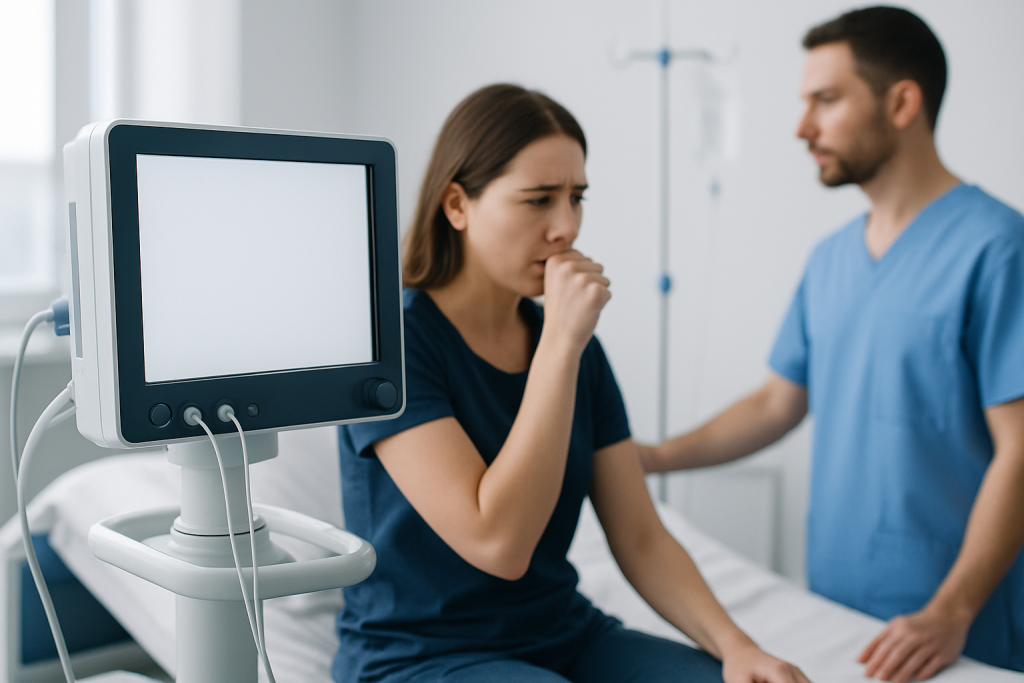
Walking pneumonia usually develops more gradually than classic pneumonia. A person may first notice a dry cough, fatigue, headache, sore throat, or a low-grade fever. Some people also report chills, chest discomfort, or feeling short of breath during activity.
Because the illness can be mild at the beginning, it may resemble a stubborn cold or bronchitis. The cough often lasts longer than expected, which can be frustrating for people who are trying to continue work, school, or travel plans. In children and older adults, the signs may be less obvious and can sometimes include irritability, reduced appetite, or general weakness.
Symptoms that deserve closer attention include worsening breathing difficulty, persistent fever, chest pain, confusion, or an overall decline rather than slow improvement. These signs do not automatically mean the illness is severe, but they do suggest the person should be evaluated by a clinician.
Causes & Risk Factors

Walking pneumonia is most often linked to Mycoplasma pneumoniae, although other bacteria and some viruses can produce a similar picture. The infection spreads mainly through close respiratory contact, especially in crowded settings where people spend time together indoors.
Certain situations raise the chance of exposure. School-age children, teenagers, young adults, and people living or working in close quarters tend to see it more often. Travel can also increase exposure when someone shares air with others in airports, planes, conference halls, or group tours.
- Close contact with an infected person
- Living or sleeping in shared spaces
- Frequent time in crowded indoor environments
- Weakened immune defenses in some individuals
It is also worth noting that symptoms may not look dramatic at first. A person may not realize they are infectious, which is one reason respiratory hygiene and self-isolation when sick are useful even for mild cases.
Diagnosis
Doctors usually begin by asking about symptoms, recent exposures, travel, and whether other people nearby have been ill. A physical examination can help assess breathing, lung sounds, fever, and overall hydration or energy level.
Because the symptoms overlap with other respiratory infections, additional testing may be recommended. Depending on the situation, a clinician may order a chest X-ray to look for signs of pneumonia, or laboratory tests from a throat or nasal sample to identify the likely germ. Blood tests are sometimes used to support the evaluation, especially if the diagnosis is unclear or the person is not improving.
For patients seeking care abroad, the diagnostic approach is usually straightforward and based on the same principles used at home. Sharing a clear timeline of symptoms, medications already taken, and recent travel or contact history can help the medical team decide whether walking pneumonia is the most likely explanation.
Treatment Options
Treatment depends on the cause, the person’s age and health, and how severe the illness appears. If a bacterial infection is suspected or confirmed, a clinician may prescribe antibiotics that target the likely organism. When symptoms are caused by a virus or another non-bacterial trigger, antibiotics are not helpful, so care focuses on relieving symptoms and supporting recovery.
Rest and fluids are important in nearly every case. Many people recover at home, but they should watch for changes in breathing, fever pattern, and overall strength. A clinician may also recommend over-the-counter remedies for discomfort or cough relief, as appropriate for the person’s medical history.
People should avoid choosing antibiotics on their own or stopping treatment early without medical advice. If traveling, it is wise to confirm how and when to follow up, especially if a return flight or long journey is planned before symptoms fully resolve.
Prevention & Self-care
Simple everyday habits reduce the chance of spreading walking pneumonia. Regular handwashing, covering coughs and sneezes, avoiding close contact while sick, and cleaning commonly touched surfaces can all help. If someone has a fever or active cough, staying home from school, work, or crowded travel activities is considerate and medically sensible.
Self-care also supports recovery. Adequate rest, hydration, and a calm pace of activity can make a noticeable difference, especially when fatigue is part of the illness. It is generally helpful to avoid smoking and secondhand smoke, since both can irritate the airways and slow healing.
For travelers, a practical approach is to carry tissues, hand sanitizer, and a mask if advised by a doctor, and to postpone non-urgent travel when symptoms are actively worsening. When recovery is happening far from home, keeping copies of test results and treatment notes can make follow-up easier.
When to See a Doctor
Medical evaluation is recommended if a cough lasts more than a few days and is joined by fever, chest pain, shortness of breath, or unusual fatigue. It is also sensible to seek care if symptoms are spreading through a household, if a child is not eating or drinking well, or if an older adult seems weaker than usual.
Urgent care is important when breathing becomes difficult, lips or fingertips look bluish, confusion develops, or the person cannot keep fluids down. These signs suggest the body may need prompt assessment, even if the illness started out looking mild.
For people who are traveling internationally, arranging care sooner rather than later can prevent a minor illness from becoming a disruptive one. Acibadem Health Point’s multidisciplinary specialists and JCI-accredited hospitals diagnose and treat this condition for international patients, helping them coordinate evaluation and follow-up with a clear, patient-centered plan.
Living With the Illness and Recovering Safely
Recovery from walking pneumonia is often gradual, and the cough may linger after the fever and body aches settle. That does not always mean the infection is getting worse; the airways can remain sensitive for a while even as the person feels better overall.
People recovering away from home should pay attention to the practical side of healing: enough sleep, light activity instead of strenuous exercise, and a plan for follow-up if symptoms do not steadily improve. If the illness was diagnosed during a trip, it can help to keep communication open with the treating clinician and know how to access local medical care if needed.
A calm, informed approach usually works best. Walking pneumonia is often manageable, but because it can be contagious and sometimes looks like a simple cold, early attention to symptoms helps protect both the patient and the people around them.
FAQ
Q: Can someone with walking pneumonia go to work or school?
A: If the person has active coughing, fever, or significant fatigue, it is usually better to stay home. Even mild symptoms can still spread infection to others. Return decisions should be guided by a clinician’s advice and the person’s overall improvement.
Q: How long is walking pneumonia contagious?
A: The contagious period depends on the cause and whether treatment has started. People can spread the infection before they realize they are ill, and some remain contagious for a time afterward. A doctor can give more specific guidance based on the diagnosis and treatment plan.
Q: Is walking pneumonia the same as regular pneumonia?
A: It is not exactly the same. Walking pneumonia is usually a milder form of pneumonia, but it still involves lung infection or inflammation and should not be ignored. Some cases remain mild, while others become more uncomfortable or prolonged.
Q: Can walking pneumonia be treated at home?
A: Many people recover at home with rest, fluids, and medical guidance. However, a doctor should decide whether antibiotics or other treatment is appropriate. Home care should be paired with monitoring for any worsening symptoms.
Q: What should travelers do if they develop symptoms on a trip?
A: They should reduce close contact, rest, hydrate, and arrange medical evaluation if symptoms are persistent or worsening. Keeping travel documents, symptom notes, and medication information handy can make care easier. It may also be wise to delay long travel until breathing and energy are clearly improving.
Q: Can walking pneumonia happen more than once?
A: Yes, it can recur if a person is exposed again to the germ that causes it. Preventive habits such as hand hygiene and avoiding close contact with sick people can lower the risk. If infections seem repeated, a doctor may look for contributing factors.
References
- Centers for Disease Control and Prevention
- World Health Organization
- American Lung Association
- Mayo Clinic
- National Heart, Lung, and Blood Institute
This article is for general information only and is not a substitute for professional medical advice. Please consult a qualified doctor about your individual situation.
Explore treatments in Turkey — costs, top hospitals & a free quote
JCI-accredited · board-certified surgeons · reply within 24h
Add us as a Preferred Source to see more of our trusted health content across Google Search, AI Overviews and Discover.