Mycoplasma: Symptoms, Causes and Treatment

Key Takeaways
- Mycoplasma are bacteria that can cause respiratory and urogenital infections.
- Symptoms vary widely and may resemble other common illnesses.
- Diagnosis often depends on symptoms plus targeted testing, especially when findings are not specific.
- Treatment is guided by the type of infection, the person’s age, and local resistance patterns.
- Prevention focuses on hygiene, safer sex practices, and prompt medical review for persistent symptoms.
Medically reviewed by the Acıbadem clinical team — August 19, 2026
Mycoplasma refers to a group of very small bacteria that can cause infections in the lungs, urinary tract, and genital tract. Understanding how these infections spread, how they are diagnosed, and when treatment is needed can help patients make informed, calm decisions about care.
Overview
Mycoplasma is a term used for a group of bacteria that behave differently from many other bacteria. They are unusual because they do not have a cell wall, which influences both how they are detected and which antibiotics may work against them.
In everyday medical practice, the word often comes up in two main settings: respiratory illness, especially Mycoplasma pneumoniae, and infections of the urogenital tract, where species such as Mycoplasma genitalium may be involved. Some people carry mycoplasma organisms without obvious symptoms, while others develop cough, fever, urinary discomfort, genital irritation, or pelvic symptoms.
Because the symptoms can overlap with many other infections, a careful clinical review is important. For international patients planning care abroad, that review usually begins with a clear history, a review of recent symptoms and exposures, and targeted tests chosen to match the suspected site of infection.
Symptoms
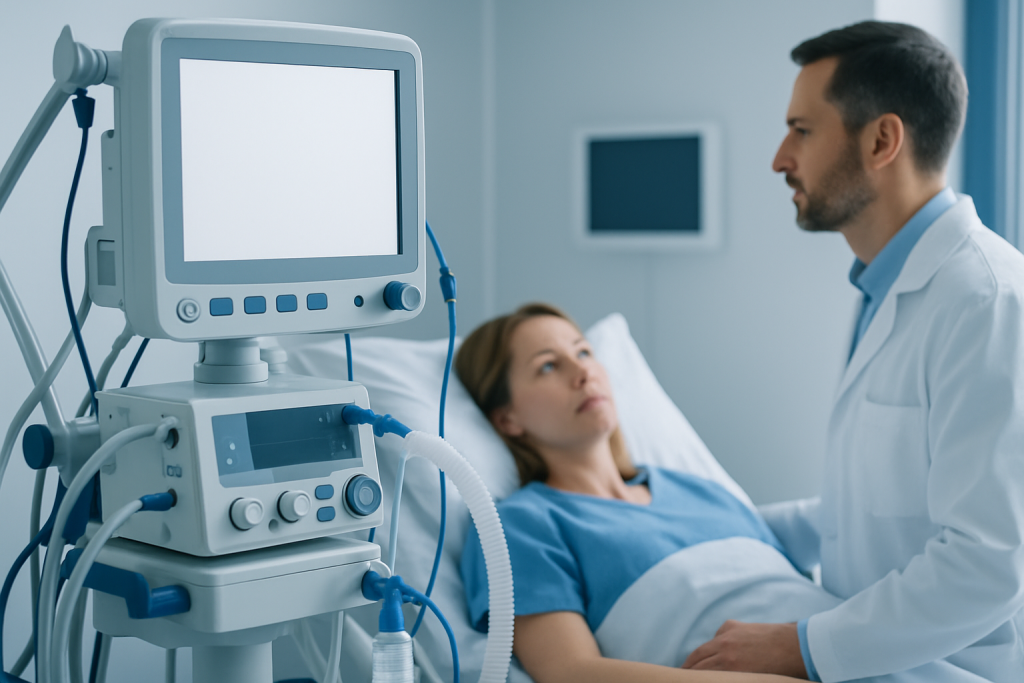
Mycoplasma symptoms depend on where the infection is located. When the lungs are involved, the illness may look like a lingering respiratory infection rather than a sudden, severe one. When the urinary or genital tract is affected, the symptoms can be subtle and sometimes mistaken for another common infection.
Respiratory infections may cause a dry cough, sore throat, headache, low-grade fever, tiredness, or chest discomfort. Some patients notice that the cough lasts longer than expected, which is one reason mycoplasma is sometimes called “walking pneumonia” in milder cases.
Urogenital infections may cause burning during urination, discharge, pelvic discomfort, pain during sex, or irritation. In some people, especially early on, symptoms are minimal or absent, so the infection may only be found during testing for another reason.
- Persistent cough or cold-like illness
- Fever, fatigue, or body aches
- Burning with urination
- Genital discharge or irritation
- Pelvic pain or discomfort
Causes & Risk Factors

Mycoplasma infections spread in different ways depending on the species involved. Respiratory mycoplasma is usually spread through close contact with respiratory droplets, especially in households, schools, dormitories, and other shared environments. Urogenital species may spread through sexual contact.
Risk rises when people are exposed in crowded settings, have close contact with an infected person, or engage in unprotected sexual activity. Certain groups may notice more frequent or more severe illness, including children, older adults, people with weakened immune systems, and those with chronic lung disease.
It is also worth noting that not every mycoplasma detection means active disease. Some organisms can be present without causing symptoms, which is why doctors interpret test results together with the person’s history and examination rather than relying on a single lab value alone.
Diagnosis
Diagnosis starts with the story the symptoms tell. A clinician will usually ask when symptoms began, whether there was a known exposure, whether the cough is dry or productive, and whether urinary or genital symptoms are present. The goal is to match the test to the most likely source of the problem.
For respiratory illness, diagnosis may involve a physical examination and, in some cases, chest imaging or laboratory testing. For urogenital infection, doctors may use swabs or urine-based molecular tests, depending on the suspected organism and the symptoms.
Testing is especially helpful when symptoms are persistent, when prior treatment has not helped, or when another diagnosis needs to be ruled out. For patients traveling internationally, it can be useful to bring any prior test results, medication lists, and a brief symptom timeline so the care team can compare findings efficiently.
Treatment Options
Treatment depends on the type of mycoplasma infection and the person’s overall health. Because these bacteria do not have a cell wall, some common antibiotics used for other infections are not effective, so treatment choices are made carefully.
Doctors may prescribe antibiotics that are known to work against the suspected species, and they may adjust the plan if symptoms persist or if resistance is a concern. Supportive care can also matter, especially for respiratory illness, where rest, fluids, and fever relief may help the patient feel more comfortable while recovering.
When symptoms affect the genital or urinary tract, treatment may also include advice about temporary sexual abstinence or safer sex practices until recovery is confirmed. In more complex cases, follow-up testing or specialist review may be recommended to make sure the infection has truly resolved and that another cause has not been missed.
It is important not to self-start leftover antibiotics or stop treatment early without medical guidance. A qualified doctor can choose the most appropriate approach and reduce the chance of incomplete treatment or recurrence.
Prevention & Self-care
Simple habits can lower the chance of infection or help limit spread. For respiratory mycoplasma, hand hygiene, covering coughs, avoiding close contact when ill, and staying home during the contagious period are practical steps. For urogenital mycoplasma, barrier protection and open communication with partners are important parts of prevention.
Self-care also means paying attention to the pattern of symptoms. A cough that lingers, urinary burning that does not improve, or pelvic discomfort that keeps returning deserves medical review rather than repeated self-treatment. If a person is managing care from another country, keeping a short symptom log can make follow-up smoother and more accurate.
Other helpful steps include drinking enough fluids, getting adequate rest, and following the prescribed treatment plan exactly as directed by the treating team. If a doctor recommends partner evaluation, repeat testing, or a follow-up visit, those steps should be completed even if symptoms improve early.
- Wash hands regularly and avoid sharing drinks or utensils when ill
- Use condoms or other barrier methods to reduce sexual transmission risk
- Finish prescribed treatment as directed
- Return for follow-up if symptoms do not improve
When to See a Doctor
Medical advice is appropriate when symptoms are persistent, unexplained, or affecting daily life. A lingering cough, ongoing fever, new pelvic pain, or urinary burning should not be ignored, especially if there has been recent exposure or prior treatment without improvement.
Urgent assessment may be needed if breathing becomes difficult, chest pain is significant, fever is high or prolonged, or symptoms are severe enough to limit drinking, eating, or normal activities. For genital or urinary symptoms, prompt review is also sensible when there is pregnancy, immunosuppression, or concern about a sexually transmitted infection.
International patients often benefit from seeing a doctor before or soon after travel if symptoms are ongoing, because continuity of care matters. Acibadem Health Point’s multidisciplinary specialists and JCI-accredited hospitals diagnose and treat this condition for international patients, with coordinated evaluation and follow-up when that is helpful.
Living With Mycoplasma: What Recovery Usually Involves
Recovery is often straightforward, but it can take time for symptoms to settle fully, especially after respiratory infection. A cough may linger after the active infection has improved, and that does not always mean treatment has failed. What matters most is the overall trend: lower fever, easier breathing, and gradually improving energy.
For patients treated abroad, a practical recovery plan includes keeping a copy of test results, discharge instructions, and medication names, then arranging follow-up with a local clinician if symptoms return. This helps bridge care between countries and reduces confusion if further evaluation is needed later.
Because mycoplasma infections can resemble other illnesses, the most reassuring approach is a measured one: confirm the diagnosis when needed, treat appropriately, and reassess if symptoms do not fit the expected recovery pattern.
Frequently asked questions
What is mycoplasma?
Mycoplasma refers to a group of very small bacteria that can infect the respiratory tract, urinary tract, or genital tract. They are different from many other bacteria because they do not have a cell wall, which affects diagnosis and treatment choices.
Is mycoplasma the same as walking pneumonia?
Walking pneumonia is a common informal term for a milder form of pneumonia that can be caused by Mycoplasma pneumoniae. Not every mycoplasma infection causes pneumonia, but respiratory infection is one of the best-known forms.
Can mycoplasma go away on its own?
Some mild infections may improve over time, but medical evaluation is important if symptoms are persistent, worsening, or affecting the lungs or genital tract. Treatment is often recommended when a bacterial mycoplasma infection is confirmed or strongly suspected.
How is mycoplasma diagnosed?
Doctors usually combine symptom review, physical examination, and targeted tests such as molecular assays, swabs, urine tests, or chest imaging depending on the suspected site of infection. Because symptoms are nonspecific, diagnosis is rarely based on one sign alone.
Is mycoplasma contagious?
Respiratory mycoplasma can spread through close contact with respiratory droplets, and some urogenital species can spread through sexual contact. The level of contagiousness depends on the species and the situation, so prevention advice should come from a clinician.
Can someone have mycoplasma without symptoms?
Yes, some people may carry certain mycoplasma organisms without feeling ill. That is why test results should be interpreted alongside symptoms and medical history, rather than in isolation.
References
- World Health Organization
- Centers for Disease Control and Prevention
- Mayo Clinic
- Merck Manual Professional Edition
- National Health Service
This article is for general information only and is not a substitute for professional medical advice. Please consult a qualified doctor about your individual situation.
Explore treatments in Turkey — costs, top hospitals & a free quote
JCI-accredited · board-certified surgeons · reply within 24h
Add us as a Preferred Source to see more of our trusted health content across Google Search, AI Overviews and Discover.