Collapsed Lung: Symptoms, Causes and Treatment

Key Takeaways
- A collapsed lung can range from a small, stable pneumothorax to a more serious emergency.
- Sudden chest pain and shortness of breath are common warning signs, especially on one side.
- Diagnosis usually relies on a physical exam and imaging such as a chest X-ray or CT scan.
- Treatment may include observation, oxygen, needle aspiration, chest tube placement, or surgery.
- People who have had one collapsed lung may need follow-up to lower the chance of recurrence.
Medically reviewed by the Acıbadem clinical team — August 19, 2026
A collapsed lung, also called pneumothorax, happens when air enters the space around the lung and can make the lung partially or fully collapse. It often causes sudden chest pain and shortness of breath, and it should be assessed promptly so the right treatment can be started.
Overview
A collapsed lung, medically known as pneumothorax, occurs when air leaks into the pleural space, the thin area between the lung and the chest wall. That trapped air can push on the lung and prevent it from fully expanding, which makes breathing feel suddenly difficult.
The condition can appear without warning in someone who was previously well, or it can follow an injury, a medical procedure, or an underlying lung problem. For international patients, this is often the kind of symptom that turns an ordinary trip into an urgent medical decision, because the discomfort can be sharp and unfamiliar. The reassuring part is that many cases are treatable once the cause and size of the collapse are understood.
Pneumothorax is not one single event. A small collapse may settle with careful monitoring, while a larger one may need active drainage. A tension pneumothorax, which is less common but more serious, happens when pressure builds up and affects both breathing and circulation. That form needs emergency treatment without delay.
Symptoms
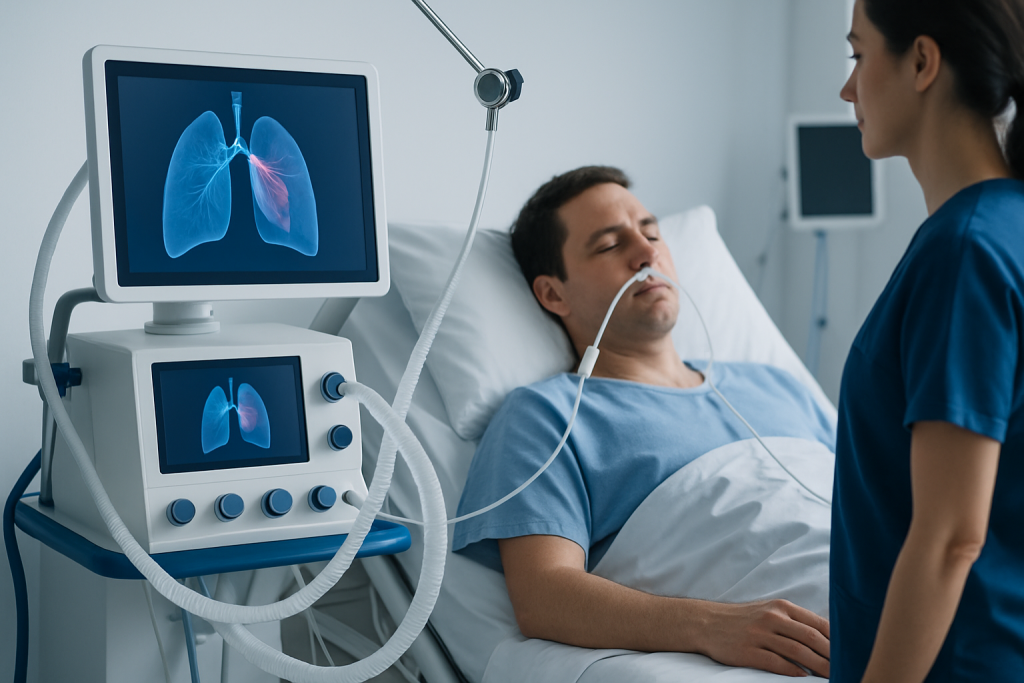
The most typical symptom is a sudden, one-sided chest pain that may feel sharp or stabbing. Shortness of breath often appears at the same time, though some people notice only mild breathlessness at first, especially if the collapse is small.
Other symptoms can include rapid breathing, a fast heartbeat, coughing, fatigue, or a sense that breathing takes extra effort. In some cases, shoulder pain or pain that worsens with a deep breath can be part of the picture. The symptoms may come on during rest, after physical activity, or after something as simple as a coughing spell.
When the pneumothorax is larger or under pressure, the person may look visibly unwell. Dizziness, bluish lips, marked distress, or worsening chest pain are reasons to treat the situation as urgent. Because symptom patterns overlap with other chest conditions, it is wise not to guess at the cause.
Causes & Risk Factors

A collapsed lung happens when air escapes from the lung itself or enters the chest from outside after trauma. Causes are often grouped into spontaneous pneumothorax, traumatic pneumothorax, and procedure-related pneumothorax.
Spontaneous pneumothorax can occur without an obvious injury. It is more likely in people with certain lung conditions such as chronic obstructive pulmonary disease, asthma, cystic fibrosis, or diseases that create fragile lung tissue. Tall, thin younger adults, smokers, and people with a previous pneumothorax may also have a higher risk.
Traumatic pneumothorax may follow a car accident, fall, rib fracture, stab wound, or other chest injury. It can also occur after medical procedures such as placing a central line, a lung biopsy, or positive-pressure ventilation. Risk factors vary by cause, but a prior lung collapse, smoking, and underlying lung disease are among the most important to discuss with a doctor.
Diagnosis
Diagnosis begins with listening to the symptoms and examining the chest. A clinician may notice reduced breath sounds on the affected side, but imaging is usually needed to confirm the diagnosis and estimate how much air is present.
A chest X-ray is often the first test because it is quick and widely available. If the picture is unclear or a more detailed look is needed, a CT scan may be used. In emergency settings, ultrasound can also help identify a pneumothorax rapidly.
Doctors may also check oxygen levels and overall stability, especially if breathing seems strained. The key question is not only whether a collapsed lung is present, but whether it is small and stable or large and causing pressure. That distinction guides treatment and determines how closely the person needs to be monitored.
Treatment Options
Treatment depends on the size of the collapse, the person’s symptoms, and whether the pneumothorax is primary, secondary, traumatic, or related to a procedure. Small and uncomplicated cases may be managed with observation and repeat imaging, since the body can sometimes reabsorb the air on its own.
If the lung needs help re-expanding, a doctor may remove the air with a needle aspiration or place a chest tube to continuously drain the pleural space. Oxygen may be given to support breathing and, in some situations, to help the air leak resolve more quickly. When the air leak continues, recurs, or is linked to another lung problem, surgery may be recommended to seal the leak and reduce the chance of it happening again.
People traveling for care should expect a plan that includes not only the procedure itself but also short-term follow-up imaging, activity guidance, and clear instructions for symptom monitoring after discharge. Recovery plans can differ depending on the cause, whether an underlying lung condition is present, and whether the person will be flying or continuing travel after treatment. In some cases, Acibadem Health Point’s multidisciplinary specialists and JCI-accredited hospitals diagnose and treat collapsed lung cases for international patients with coordinated follow-up care.
Prevention & Self-care
Not every collapsed lung can be prevented, but some risks can be lowered. Stopping smoking is one of the most important steps, especially for people who have already had a pneumothorax or who have lung disease. Managing chronic respiratory conditions well can also reduce strain on fragile lung tissue.
After treatment, self-care focuses on protecting recovery and noticing changes early. People are usually advised to follow activity limits from their care team, keep follow-up appointments, and avoid returning to heavy exertion before they are cleared. If a chest tube was used, keeping the site clean and watching for signs of infection is important.
Air travel, scuba diving, and other pressure-related activities may need to be postponed until a doctor confirms it is safe. For patients who are recovering far from home, it helps to keep copies of imaging reports, discharge instructions, and contact information for the treating team, since continuity of care matters if symptoms return later.
- Do not smoke or vape during recovery.
- Take prescribed medicines exactly as directed.
- Attend follow-up imaging or clinic visits.
- Seek advice before flying, diving, or strenuous exercise.
When to See a Doctor
Sudden chest pain with shortness of breath should be assessed promptly, especially if it starts on one side of the chest or feels different from usual breathlessness. Even if symptoms seem mild, a collapsed lung can worsen, so waiting at home is not a good idea when the cause is unclear.
Emergency care is especially important if the person has severe breathing difficulty, fainting, blue-tinged lips, confusion, or rapidly worsening pain. These signs may point to a tension pneumothorax or another serious chest condition that requires immediate treatment.
After a known pneumothorax, it is also sensible to contact a doctor if pain or breathlessness returns, if a chest tube site becomes red or drains fluid, or if recovery does not seem to be progressing. A clear follow-up plan gives patients a safer path back to normal activity, whether they are at home or returning to another country.
Living With and Recovering From a Collapsed Lung
Recovery can feel frustrating because the chest may stay sore for a while even after the lung has re-expanded. That discomfort usually improves gradually, but it is worth discussing persistent symptoms rather than assuming they are normal. People often do best when they understand what level of activity is safe and what should trigger a call to the doctor.
Follow-up is especially important after a first pneumothorax because recurrence is possible. Doctors may look for an underlying cause, such as lung disease or blebs, and may discuss whether a preventive procedure is appropriate if the risk of another episode is higher. For some patients, that conversation is the key to restoring confidence in travel, work, and exercise.
Good recovery care is practical: rest when needed, move within the limits given by the care team, keep appointments, and do not ignore new chest symptoms. With timely treatment and sensible follow-up, many people return to their usual routines safely.
Related Questions to Discuss With Your Doctor
A doctor can help clarify whether the collapsed lung was spontaneous, traumatic, or related to another condition, because that affects the long-term plan. Patients may also want to ask whether they need additional testing to look for lung disease or an anatomic reason the collapse happened.
It is reasonable to ask when it is safe to fly, exercise, return to work, or resume sports. If another pneumothorax occurs, the care plan may change, so patients should know what symptoms require urgent attention and where to go if they are away from home.
Clear answers often reduce anxiety more than generic reassurance does. A good follow-up visit should leave the person with a practical plan, a sense of timing, and a clear path for what to do if breathing changes again.
Frequently asked questions
What is the difference between a collapsed lung and pneumothorax?
They are two names for the same condition. Pneumothorax is the medical term, while collapsed lung is the more familiar phrase used in everyday conversation.
Can a collapsed lung heal on its own?
Some small pneumothoraces do improve with observation and time, but this depends on the cause, size, and symptoms. A doctor needs to confirm that it is safe to monitor rather than drain the air.
Is a collapsed lung always caused by injury?
No. Many cases happen without any obvious injury and are called spontaneous pneumothorax. Others are caused by trauma or medical procedures.
How is a collapsed lung treated in an emergency?
Treatment may involve oxygen, needle aspiration, a chest tube, or surgery depending on how much air is trapped and how stable the person is. If pressure is building quickly, emergency decompression may be needed right away.
Can someone fly after a collapsed lung?
Air travel usually needs to wait until a doctor confirms the lung has fully re-expanded and it is safe to fly. The timing depends on the type of pneumothorax and the treatment used.
Does having one collapsed lung mean it will happen again?
Not necessarily, but the chance of recurrence can be higher after a first episode. A doctor may discuss ways to lower that risk and whether further testing is needed.
References
- Merck Manual Professional Edition
- Mayo Clinic
- National Heart, Lung, and Blood Institute
- American Lung Association
- NHS
This article is for general information only and is not a substitute for professional medical advice. Please consult a qualified doctor about your individual situation.
Explore treatments in Turkey — costs, top hospitals & a free quote
JCI-accredited · board-certified surgeons · reply within 24h
Add us as a Preferred Source to see more of our trusted health content across Google Search, AI Overviews and Discover.