Is Als Genetic

Key Takeaways
- Most ALS cases are sporadic and have no clear inherited cause.
- A smaller proportion of ALS is familial and linked to gene changes passed through families.
- Genetic counseling can help families understand testing options and what results may mean.
- ALS diagnosis is based on clinical evaluation and supportive tests, not on one single blood test.
- Supportive care, rehabilitation, and multidisciplinary follow-up are central to ALS management.
ALS can be genetic in some people, but most cases are not inherited. Understanding the difference between sporadic and familial ALS can help families make informed decisions about testing, monitoring, and care planning.
Overview
A question families often ask early is simple, but important: is ALS genetic? The answer is that it can be, although most people diagnosed with amyotrophic lateral sclerosis, or ALS, do not have a known inherited cause. In everyday practice, ALS is usually discussed in two broad forms: sporadic ALS, which appears without a clear family pattern, and familial ALS, which runs in a family and is associated with inherited gene changes.
ALS affects the nerve cells that control voluntary muscle movement. As those nerve cells gradually lose function, muscles become weaker and may shrink over time. The condition can affect walking, speaking, swallowing, and breathing, so care often involves several specialists working together rather than one single treatment decision.
For families planning care across borders, the question of heredity is often tied to practical concerns as well: whether other relatives should be evaluated, whether genetic counseling is useful, and how to interpret test results while making decisions about travel, follow-up, and long-term support. A careful, calm explanation from a neurologist can make those next steps much clearer.
Symptoms
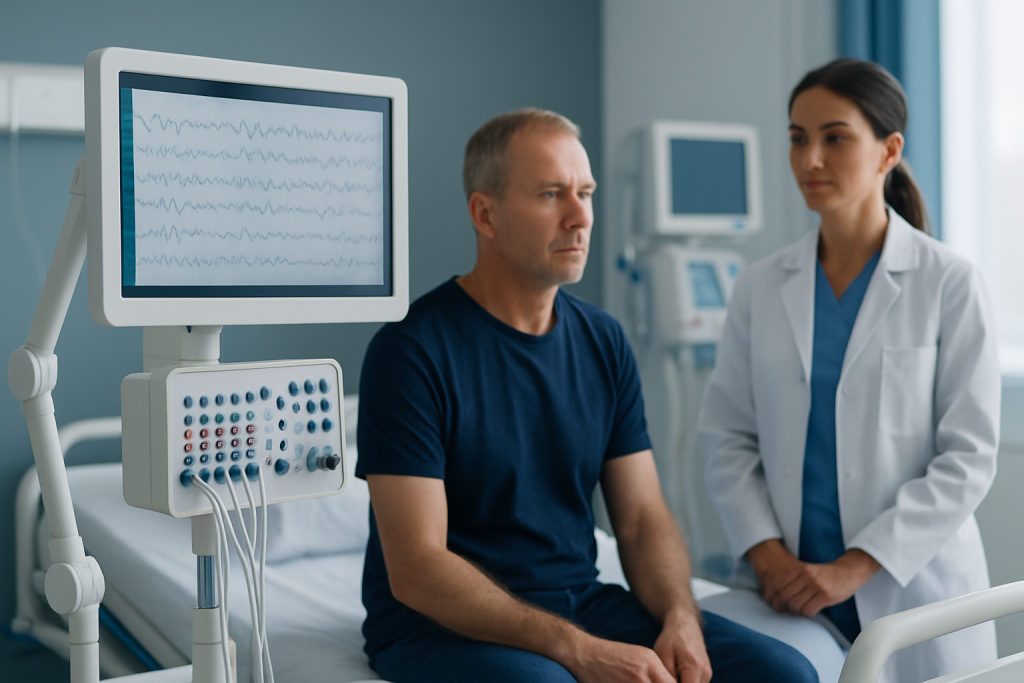
ALS symptoms usually begin quietly and may look different from person to person. Some people notice weakness in a hand or foot, while others first develop speech changes or trouble with swallowing. Because the early signs can be subtle, they may be mistaken for fatigue, nerve compression, or a muscle problem.
Common symptoms include:
- Muscle weakness in the arms, legs, hands, or feet
- Muscle twitching or cramps
- Difficulty speaking clearly
- Problems with swallowing or chewing
- Tripping, dropping objects, or reduced coordination
- Shortness of breath later in the disease course
In people with a family history, symptoms may feel especially worrying because they raise questions about inheritance. Still, symptoms alone cannot tell someone whether ALS is genetic. That determination usually requires a broader clinical assessment, and sometimes genetic testing, guided by a specialist.
Causes & Risk Factors

ALS develops when motor neurons are damaged and eventually stop working properly, but the exact reason this happens is not fully understood. In many patients, the disease appears without a clear single trigger. In others, inherited gene changes play a significant role.
Several genes have been linked to ALS, including some that are associated with familial forms of the disease. Not everyone who inherits a gene change will necessarily develop ALS, and the pattern can vary from one family to another. This is why genetic counseling is so valuable: it helps people understand what a test can and cannot predict.
Risk is influenced by a mix of genetic and non-genetic factors. A family history of ALS increases suspicion for an inherited form, but most cases still occur without an affected parent, sibling, or child. Age, sex, and other biological factors may influence risk, but they do not provide a definite explanation for an individual case. Researchers continue to study how genes interact with environment and aging, but for most people there is no single cause to point to.
Diagnosis
ALS is diagnosed through a neurologic evaluation rather than one standalone test. The process usually begins with a detailed history, including symptom progression and any family history of nerve or muscle disease. The neurologist then examines strength, reflexes, coordination, and signs of upper and lower motor neuron involvement.
Tests are often used to rule out conditions that can look similar to ALS. These may include nerve conduction studies and electromyography (EMG), blood work, imaging such as MRI, and sometimes breathing assessments. The goal is not only to confirm a pattern consistent with ALS, but also to exclude other causes of weakness that may require different treatment.
When there is a strong family history or early onset, genetic testing may be discussed. A positive result can help clarify inherited risk, but it does not replace the neurologic diagnosis. Because the emotional impact can be significant, testing is best considered with a clinician or genetic counselor who can explain the implications for the patient and close relatives.
Treatment Options
There is currently no cure for ALS, but treatment can slow progression in some people, ease symptoms, and support daily function. Care is usually most effective when it is coordinated by a multidisciplinary team that may include neurology, physical therapy, speech therapy, nutrition, respiratory care, and rehabilitation specialists.
Medical treatment may involve medications that are used to help manage the disease process and others that address symptoms such as spasticity, cramps, drooling, anxiety, sleep issues, or excess saliva. Because treatment plans vary widely, the focus is on matching support to the person’s stage of illness, goals, and overall health.
Supportive care is just as important as medication. Assistive devices, speech and communication support, nutritional guidance, and breathing support can preserve comfort and independence for as long as possible. For international patients, it is often helpful to plan evaluations and follow-up in a setting where several specialists can coordinate recommendations during one visit or within one care pathway.
Prevention & Self-care
ALS cannot currently be prevented in a guaranteed way, especially when a gene change or unknown biologic factor is involved. However, people can still take steps that support health, function, and day-to-day quality of life after diagnosis or during the evaluation process.
Helpful self-care measures include staying engaged with rehabilitation, protecting energy by pacing activities, using recommended mobility or communication aids early, and paying attention to nutrition and hydration. Small adaptations at home can reduce falls and make routines less tiring. Families may also benefit from learning about future care needs early, rather than waiting until symptoms advance.
When ALS runs in a family, genetic counseling can be an important part of planning. It may help relatives understand whether testing is appropriate, what a result means, and how to approach family decisions in a thoughtful, informed way. For people traveling from abroad, it can also simplify the timing of appointments, test results, and follow-up visits.
When to See a Doctor
Medical evaluation is important if weakness is persistent, progressive, or affecting walking, hand use, speaking, or swallowing. These symptoms do not automatically mean ALS, but they do deserve assessment, especially when they do not improve or when they spread to other areas.
It is also wise to seek a neurologist’s opinion sooner when there is a family history of ALS or another motor neuron disease. A specialist can help distinguish ALS from conditions that may be treatable or reversible, which is one reason not to delay care when symptoms are evolving.
For people already diagnosed, follow-up should be arranged promptly if breathing becomes harder, swallowing changes, or daily function declines more quickly than expected. Acibadem Health Point’s multidisciplinary specialists and JCI-accredited hospitals diagnose and treat ALS for international patients, with coordinated care that can support both the medical and practical side of treatment planning.
Frequently asked questions
Is ALS always inherited from a parent?
No. Most ALS cases are sporadic, which means they occur without a known family pattern. A smaller group is familial and linked to inherited gene changes.
If one family member has ALS, will others get it too?
Not necessarily. Family history can increase concern, but inheritance patterns vary and not every relative will develop the disease. A genetic counselor can help clarify the likely risk in a specific family.
Can genetic testing confirm ALS?
Genetic testing can identify certain gene changes associated with ALS, especially in families with a history of the disease. However, ALS is diagnosed through neurologic assessment and supportive tests, not by genetics alone.
Should relatives of someone with ALS get tested?
That depends on the family history, the person’s age, and whether a specific gene change is known. It is best discussed with a neurologist or genetic counselor before any testing is done.
What are the first signs that should prompt a neurologist visit?
Persistent weakness, frequent tripping, hand clumsiness, speech changes, or swallowing difficulty should be checked by a doctor. Early evaluation helps rule out other causes and may speed up supportive care if ALS is confirmed.
Does having a genetic risk mean ALS is certain?
No. A genetic variant can increase risk, but it does not always mean a person will develop ALS. The meaning of a result depends on the specific gene, the family pattern, and the person’s overall clinical picture.
References
- National Institute of Neurological Disorders and Stroke
- Mayo Clinic
- ALS Association
- World Federation of Neurology
- National Health Service
This article is for general information only and is not a substitute for professional medical advice. Please consult a qualified doctor about your individual situation.