

Intermetatarsal Neuroma: Symptoms, Causes and Treatment

Key Takeaways
- Intermetatarsal neuroma is usually linked to nerve irritation between the metatarsal bones, most often in the forefoot.
- Symptoms often worsen with narrow shoes, prolonged standing, or walking and may improve when footwear is changed.
- Diagnosis is mainly clinical, sometimes supported by imaging to rule out other causes of foot pain.
- Treatment typically starts with shoe modifications, padding, and activity changes before considering injections or procedures.
- Persistent pain, numbness, or difficulty walking deserves medical evaluation, especially if symptoms are changing or one-sided.
Medically reviewed by the Acıbadem clinical team — August 19, 2026
Intermetatarsal neuroma is a painful nerve irritation in the forefoot, often felt as burning, tingling, or the sense of a pebble under the toes. With the right diagnosis and a stepwise treatment plan, many people can reduce symptoms and return to comfortable walking.
Overview
Intermetatarsal neuroma is a common name for pain caused by irritation or thickening of a nerve that runs between the metatarsal bones in the forefoot. Many people know it as Morton’s neuroma, although the exact nerve involved and the pattern of symptoms can vary from person to person.
The condition is not a tumor in the usual sense. Instead, it is a problem of nerve compression and inflammation in a tight space inside the foot. Because the forefoot carries body weight during walking and standing, even small changes in pressure can make the area feel sharply uncomfortable.
For international patients, the main challenge is often not the word “neuroma” itself but deciding when ordinary shoe-related soreness has become something that deserves assessment. A careful orthopedic or foot-and-ankle evaluation can separate intermetatarsal neuroma from other causes of forefoot pain, such as stress injuries, arthritis, or bunions.
Symptoms
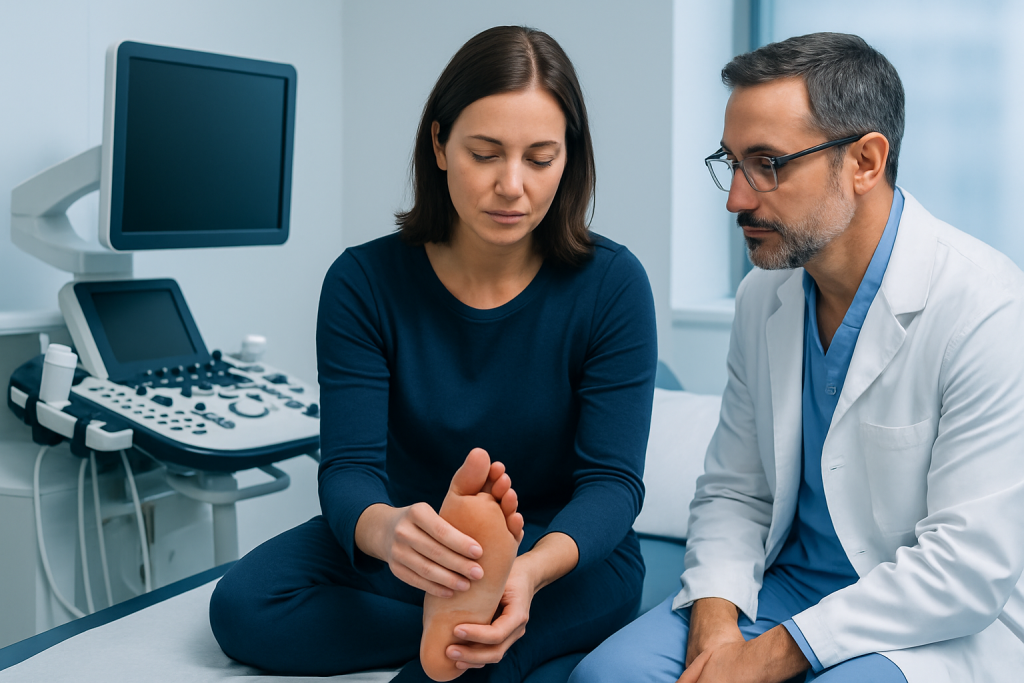
The symptom pattern is often distinctive. People may describe a burning pain in the ball of the foot, tingling into the toes, or a sensation that a small stone or folded sock is trapped under the forefoot. Some notice that the discomfort appears after a period of walking and eases when they take off their shoes.
Symptoms usually become more noticeable in narrow, tight, or high-heeled shoes because these styles squeeze the metatarsal heads together. The pain may be felt between the third and fourth toes most commonly, but it can occur in other spaces between the metatarsals as well.
As the nerve remains irritated, symptoms may become more frequent or more intense. Some people develop numbness in the toes, and others notice a clicking or snapping feeling when the forefoot is compressed. The experience can be frustrating because the foot may look normal even when the pain is real and persistent.
- Burning or sharp pain in the ball of the foot
- Tingling or numbness in adjacent toes
- Feeling of a pebble, wrinkle, or lump under the foot
- Pain worsened by walking, standing, or tight shoes
Causes & Risk Factors
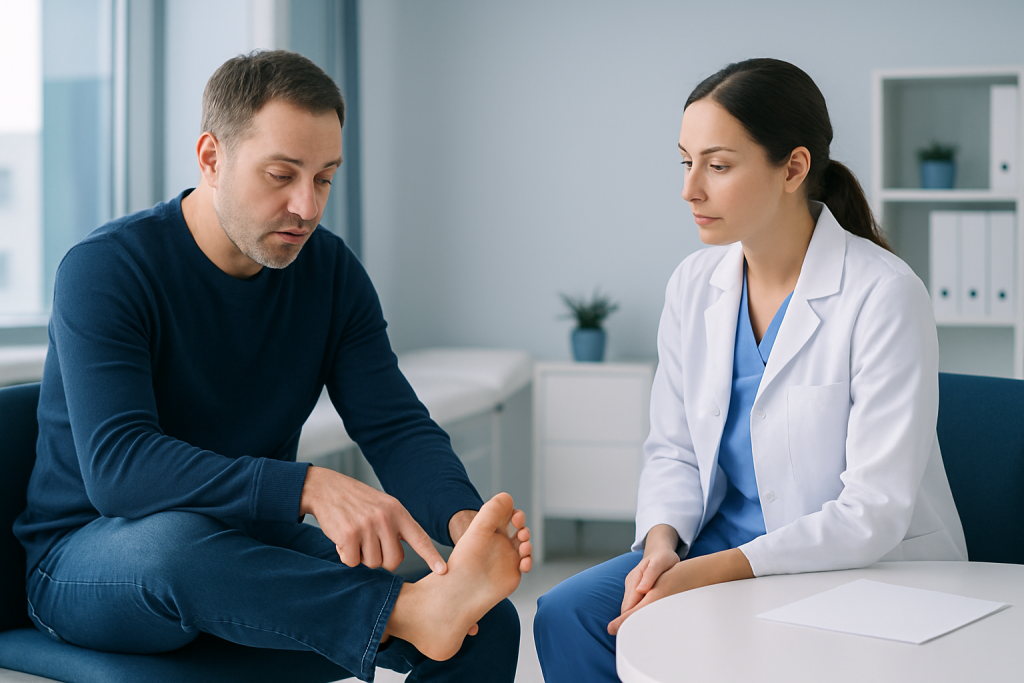
Intermetatarsal neuroma develops when a digital nerve is repeatedly compressed or irritated. That pressure can come from the shape of the forefoot, footwear that narrows the toe box, or activities that load the front of the foot for long periods.
Some feet naturally have more space limitation between the metatarsal bones. Over time, repetitive stress can lead to thickening around the nerve, making it more sensitive to pressure. Foot mechanics also matter: flat feet, high arches, toe deformities, or an altered gait can all change how weight is distributed across the forefoot.
Common risk factors include:
- Tight, narrow, or high-heeled shoes
- Repetitive impact activities such as running or jumping
- Forefoot deformities or toe crowding
- Biomechanical issues that shift pressure to the front of the foot
- Occupations or routines involving prolonged standing or walking
In many cases, no single event causes the problem. It tends to build gradually, which is why early attention to footwear and foot mechanics can be useful before symptoms become entrenched.
Diagnosis
Diagnosis begins with a detailed history and a physical examination. A clinician will ask where the pain is felt, which shoes make it worse, whether numbness is present, and whether specific activities trigger the symptoms. This conversation matters because intermetatarsal neuroma often has a very recognizable pattern.
During the exam, the provider may gently squeeze the forefoot or press between the metatarsal heads to see whether symptoms are reproduced. A small palpable click, sometimes called a Mulder-type sign, may support the diagnosis, though it is not present in every case.
Imaging is not always required, but ultrasound or MRI can be helpful when the diagnosis is uncertain or when another condition needs to be ruled out. These tests can also be useful for people planning treatment, especially if symptoms have lasted a long time or if more than one forefoot problem may be present.
Treatment Options
Treatment usually starts with conservative care. The first goal is to reduce pressure on the irritated nerve so it can settle down. Wider shoes with a roomy toe box, lower heels, and cushioned soles often make a meaningful difference. Some people also benefit from metatarsal pads or orthotic supports designed to spread pressure more evenly.
If pain continues, a clinician may recommend anti-inflammatory measures, guided physical therapy, or injection-based treatment. Corticosteroid injections are sometimes used to calm inflammation around the nerve, while other approaches may be considered in selected cases depending on local expertise and the individual’s symptoms.
When conservative treatment does not provide enough relief, procedural options may be discussed. These can include nerve release or removal of the affected nerve segment in carefully selected patients. Surgery is usually considered only after a thorough assessment, since the best option depends on symptom severity, duration, and how much the condition limits daily life.
For travelers seeking care abroad, it helps to discuss the full treatment pathway in advance: diagnosis, possible imaging, recovery time, and follow-up plans once home. That makes it easier to arrange footwear, mobility, and any post-treatment checks before the trip begins.
Prevention & Self-care
Self-care is often centered on reducing pressure and friction in the forefoot. Shoes with a wide toe box, softer uppers, and a stable heel can help the foot move more naturally. Many people notice that simply changing shoe style eases symptoms enough to keep them active while they recover.
Activity changes can also matter. Shorter walking sessions, breaks during long periods of standing, and avoiding repeated forefoot impact may reduce flare-ups. If a sport or exercise routine is involved, a clinician or physiotherapist can help adjust training so the foot is not constantly overloaded.
Practical steps that are often useful include:
- Choosing shoes that do not compress the front of the foot
- Using padded inserts or metatarsal supports if recommended
- Limiting high heels and narrow footwear
- Managing body weight and overall load on the feet when appropriate
- Returning gradually to higher-impact activity after symptoms improve
Self-care does not replace evaluation when pain is persistent, but it can be a meaningful part of long-term control. For many people, the condition becomes much more manageable once foot pressure is adjusted in a consistent way.
When to See a Doctor
Medical review is a good idea when forefoot pain keeps returning, starts interfering with walking, or does not improve after a reasonable period of shoe changes and rest. A doctor should also assess the foot if there is persistent numbness, swelling, a visible deformity, or pain that feels different from the usual pattern.
Because several foot conditions can mimic intermetatarsal neuroma, ongoing symptoms deserve a proper diagnosis rather than repeated guesswork. Stress fractures, joint inflammation, and tendon problems can overlap with nerve pain, and the treatment plan may differ significantly.
If symptoms are affecting travel, work, or daily mobility, it is reasonable to seek care sooner. Clear guidance about diagnosis and recovery can help patients plan safely, especially when they need to coordinate treatment across countries or return to work soon after intervention. Acibadem Health Point’s multidisciplinary specialists and JCI-accredited hospitals diagnose and treat this condition for international patients with coordinated planning and follow-up support.
Living With the Condition
Most people do best when treatment is matched to the level of irritation rather than pushing through pain. A calm, stepwise approach usually works better than trying one intense solution after another. That may mean starting with footwear changes, then adding supportive devices or targeted treatment if needed.
Recovery is often measured by small practical wins: standing longer without pain, finishing a walk, or wearing ordinary shoes comfortably again. Keeping a simple symptom note can help identify what reliably triggers flare-ups and what truly helps.
For patients managing care from abroad, the most useful plan is the one that is easy to continue after the trip. Good instructions for footwear, activity limits, and follow-up make the transition home smoother and help maintain progress.
Frequently asked questions
Is intermetatarsal neuroma the same as Morton’s neuroma?
Morton’s neuroma is the most commonly used name for a neuroma in the intermetatarsal space of the forefoot. In everyday practice, the terms are often used interchangeably, although the exact nerve affected can vary.
Can intermetatarsal neuroma go away on its own?
Sometimes symptoms settle if the pressure on the nerve decreases, especially when footwear and activity are changed early. However, persistent or recurring pain often needs medical assessment and a structured treatment plan.
What kind of shoes are best?
Shoes with a wide toe box, soft front material, and lower heels are usually more comfortable. The main idea is to reduce squeezing at the front of the foot rather than to rely on a single special shoe style.
Do I always need surgery?
No. Many people improve with conservative measures such as shoe changes, pads, and other non-surgical treatments. Surgery is generally reserved for people whose symptoms remain troublesome despite these steps.
Can exercise make it worse?
High-impact or repetitive forefoot loading can aggravate symptoms, especially during a flare. Exercise often does not need to stop completely, but it may need to be modified so the foot has time to recover.
How is it different from a bunion or stress fracture?
A neuroma mainly causes nerve-type symptoms such as burning, tingling, or a pebble-like sensation. Bunions and stress fractures can cause forefoot pain too, which is why a professional evaluation is important when the diagnosis is unclear.
References
- American Academy of Orthopaedic Surgeons
- Mayo Clinic
- Cleveland Clinic
- National Institute of Arthritis and Musculoskeletal and Skin Diseases
- Merck Manual Professional Edition
This article is for general information only and is not a substitute for professional medical advice. Please consult a qualified doctor about your individual situation.
Joint and spine care in Turkey — expert assessment & treatment
JCI-accredited · board-certified surgeons · reply within 24h
Add us as a Preferred Source to see more of our trusted health content across Google Search, AI Overviews and Discover.
More from the Health Library



Related Specialists

Prof. Dr. Ahmet Alanay
Orthopedic Surgery & Traumatology
Dr. Sinan Aksu
Orthopedic Surgery & Traumatology
Dr. Sirri Baştürk
Orthopedic Surgery & Traumatology
Prof. Dr. Korhan Özkan
Orthopedic Surgery & Traumatology