Inflammatory Bowel Disease (IBD): Symptoms and Treatment

Key Takeaways
- IBD is a chronic inflammatory condition of the digestive system, most commonly Crohn’s disease or ulcerative colitis.
- Symptoms often come and go, with flares that can include diarrhea, abdominal pain, urgency, fatigue, and weight loss.
- Diagnosis usually involves a mix of medical history, blood and stool tests, imaging, and endoscopy.
- Treatment focuses on reducing inflammation, managing flares, and maintaining remission with medicine and lifestyle support.
- Ongoing follow-up matters because IBD can affect nutrition, energy levels, and quality of life over time.
Medically reviewed by the Acıbadem clinical team — August 19, 2026
Inflammatory bowel disease, or IBD, is a long-term condition that causes ongoing inflammation in the digestive tract. It usually refers to Crohn’s disease and ulcerative colitis, and care is aimed at controlling inflammation, easing symptoms, and protecting long-term health.
Overview
IBD is a group of conditions in which the immune system drives persistent inflammation in the gastrointestinal tract. The two main forms are Crohn’s disease and ulcerative colitis, and although they share many symptoms, they affect the bowel in different patterns and depths.
For many people, IBD is not a single, constant experience. It tends to move between calmer periods and flares, which is one reason clear diagnosis and follow-up are so important. A well-planned treatment strategy can help reduce inflammation, protect the bowel, and support day-to-day life, including work, travel, and family routines.
Because symptoms can resemble other digestive conditions, people often spend time trying to make sense of abdominal discomfort, bowel changes, or fatigue before the cause becomes clear. A careful medical evaluation helps distinguish IBD from infections, irritable bowel syndrome, coeliac disease, and other conditions that can look similar at first.
Symptoms
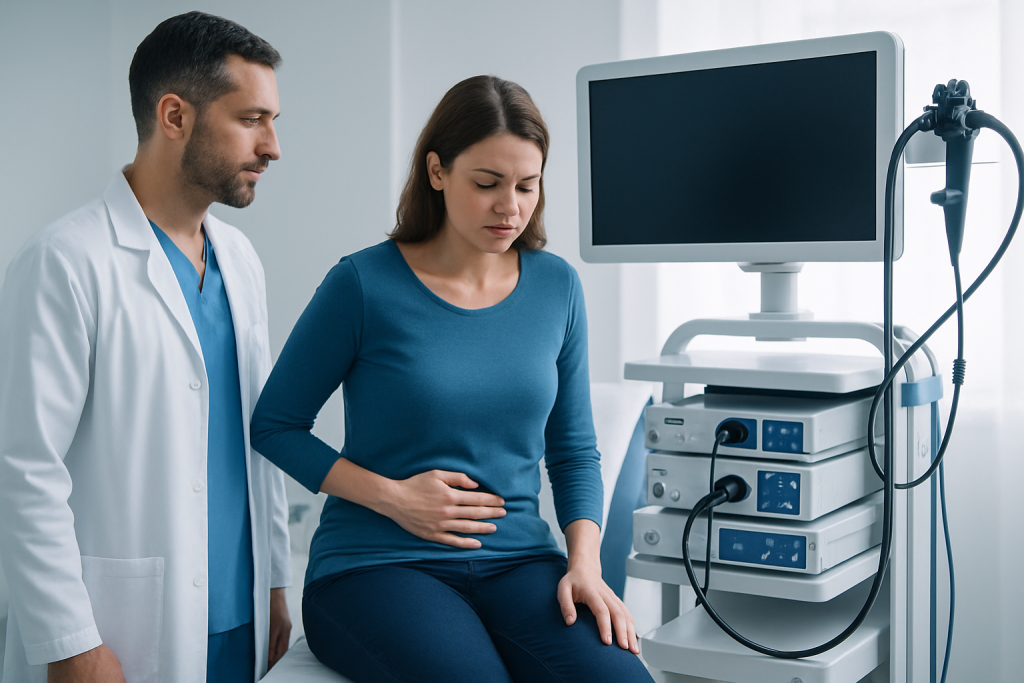
IBD symptoms vary depending on whether inflammation is mild or active, and where in the digestive tract it occurs. Some people notice a gradual change in bowel habits, while others develop a flare more abruptly and feel unwell across several parts of daily life.
Common symptoms include persistent diarrhea, abdominal cramping, urgency to pass stool, rectal bleeding, mucus in the stool, reduced appetite, and unexplained weight loss. Fatigue is also frequent, especially when inflammation, poor sleep, anemia, or reduced nutrition are present.
Some people with Crohn’s disease may also experience mouth sores, pain around the anus, or symptoms related to inflammation outside the bowel, such as joint discomfort or eye irritation. Ulcerative colitis more often causes bleeding and urgency because the inflammation begins in the colon and rectum.
- Diarrhea that lasts longer than expected
- Blood in the stool or on toilet paper
- Cramping or lower abdominal pain
- Urgent bowel movements or feeling unable to fully empty the bowel
- Fatigue, reduced appetite, or weight loss
In international patients, the pattern matters as much as the symptom itself. A person may feel mostly well at home, then notice a flare during travel, after stress, or following a stomach infection, which is why symptom tracking can be helpful during the diagnostic journey and after treatment begins.
Causes & Risk Factors

The exact cause of IBD is not fully understood. Current medical thinking points to an interaction between immune system behavior, genetic susceptibility, and environmental influences, which together can allow chronic inflammation to develop in the bowel.
IBD is not caused by stress alone, diet alone, or poor hygiene, although those factors can affect how symptoms are felt and how often flares are noticed. In many cases, people have no single obvious trigger, and it is more useful to focus on patterns, family history, and known risk factors than to search for one simple explanation.
Risk may be higher in people with a family history of IBD, those who have had previous episodes of intestinal inflammation, and individuals who are exposed to certain environmental factors. Smoking is particularly relevant in Crohn’s disease, where it is associated with worse disease control and more complications.
- Family history of Crohn’s disease or ulcerative colitis
- Autoimmune or immune-mediated tendency in the family
- Smoking, especially in Crohn’s disease
- Past bowel inflammation or recurrent digestive symptoms
- Environmental and lifestyle factors that may influence gut-immune balance
For many patients, the question is not only why IBD developed, but why symptoms seem to change from one month to the next. That variability is a hallmark of the condition, and understanding it helps patients and doctors plan care more realistically, especially when treatment must be coordinated across countries or between home and specialist centers.
Diagnosis
Diagnosing IBD usually takes more than one test. Doctors begin with a detailed history of symptoms, triggers, family history, medications, and any red-flag features such as bleeding, weight loss, fever, or prolonged diarrhea. A physical examination helps assess abdominal tenderness, hydration, and general well-being.
Laboratory tests may include blood work to look for anemia, inflammation, electrolyte imbalance, or nutritional deficiencies. Stool tests can help rule out infection and may also be used to assess intestinal inflammation, which can guide the need for further investigation.
Endoscopy is often a central part of the workup. Colonoscopy allows the doctor to look directly at the colon and rectum and take tissue samples, while imaging studies such as CT, MRI, or small-bowel imaging may be used when Crohn’s disease is suspected or when complications need to be evaluated. Tissue analysis helps confirm the diagnosis and distinguish IBD from other causes of inflammation.
For people traveling for care, diagnosis is often organized in stages so that key answers can be reached efficiently. That may mean pre-arrival review of records, focused testing on arrival, and a follow-up plan that continues after the person returns home.
Treatment Options
IBD treatment aims to calm active inflammation, relieve symptoms, and keep the disease in remission for as long as possible. The right plan depends on the type of IBD, which part of the bowel is affected, how severe the disease is, and whether there are complications such as narrowing, fistulas, or significant bleeding.
Medicines commonly used in IBD care include anti-inflammatory therapies, immune-modifying medicines, biologic therapies, and in some cases corticosteroids for short-term control of flares. The choice of treatment is individualized, and doctors often adjust the plan over time based on response, side effects, and test results.
Supportive care is also important. This may include treatment for anemia, nutritional support, hydration, pain management that is safe for the bowel, and vaccination review before certain immune-suppressing therapies are started. People with severe complications or disease that does not respond to medicine may need surgery, especially when there is bowel damage, abscess, stricturing, or uncontrolled bleeding.
- Medicines to reduce inflammation and quiet the immune response
- Biologic and targeted therapies for moderate to severe disease
- Short-term steroids for selected flares
- Nutritional support and correction of deficiencies
- Surgery in specific complications or treatment-resistant disease
Because IBD is long-term, treatment is usually not limited to the flare itself. Many patients need a maintenance plan and scheduled review, and that plan may be especially valuable when medical care is split between local physicians and a specialist center abroad.
Prevention & Self-care
There is no guaranteed way to prevent IBD, but thoughtful self-care can help reduce flare impact and support overall well-being. The goal is not to follow a perfect routine; it is to build practical habits that make the disease more predictable and easier to manage.
Food triggers vary widely, so many people benefit from keeping a symptom and meal diary rather than following rigid rules. During calmer periods, a balanced diet with enough protein, fluids, and micronutrients is often encouraged, while during flares some people need temporary adjustments based on tolerance and medical advice.
Stress does not cause IBD, but stress can make symptoms harder to cope with, especially when sleep is poor or travel disrupts routines. Gentle exercise, adequate rest, and planning ahead for bathroom access, medications, and hydration can make daily life more manageable.
- Take medicines consistently and do not stop them without medical advice
- Track symptoms, bowel frequency, and possible food-related patterns
- Stay hydrated, especially during diarrhea or travel
- Avoid smoking and discuss alcohol use with a doctor
- Plan ahead for travel, including medications, documentation, and emergency contacts
International patients often benefit from a written care plan that explains medicines, warning signs, and follow-up timing. When care is coordinated well, returning home does not mean care stops; it simply becomes a shared plan between the specialist team and the local doctor.
When to See a Doctor
Medical review is important when bowel symptoms last more than a few days, keep returning, or begin to affect nutrition, energy, or daily functioning. Blood in the stool, persistent diarrhea, nighttime symptoms, unexplained weight loss, or ongoing abdominal pain deserve prompt assessment.
People who already have IBD should contact their doctor if symptoms suddenly worsen, a flare does not improve with the usual plan, or they develop signs of dehydration, fever, severe pain, or vomiting. These changes may indicate active inflammation, infection, or a complication that needs timely care.
It is also sensible to seek specialist advice if a person has been told they may have IBD but does not yet have a confirmed diagnosis. Early assessment can shorten uncertainty, prevent delays in treatment, and help preserve bowel health over time.
For international patients considering treatment abroad, a specialist center can help organize the diagnostic sequence, review prior reports, and plan follow-up after discharge. Acibadem Health Point’s multidisciplinary specialists and JCI-accredited hospitals diagnose and treat IBD for international patients as part of coordinated care.
Living With IBD Long Term
Living with IBD often means learning to notice small changes early rather than waiting for a severe flare. Many patients do best when they have a dependable relationship with a gastroenterology team, routine monitoring, and a plan for what to do if symptoms return.
Regular follow-up may include blood tests, stool markers, medication reviews, and occasionally repeat endoscopy or imaging to assess how well the bowel is healing. This is especially important because symptoms and inflammation do not always match perfectly; a person can feel relatively well while the bowel still needs medical attention.
With treatment, many people with IBD continue to work, travel, study, and raise families. The condition can be demanding, but a clear diagnosis, a personalized treatment plan, and practical self-care make it more manageable and less disruptive over time.
Frequently asked questions
What does IBD stand for?
IBD stands for inflammatory bowel disease. It mainly refers to Crohn’s disease and ulcerative colitis, both of which cause chronic inflammation in the digestive tract. While they are different conditions, they can share many of the same symptoms.
How is IBD different from IBS?
IBD is an inflammatory condition that can damage the bowel and often requires medical treatment to control immune activity. IBS, or irritable bowel syndrome, does not cause the same type of inflammation or tissue injury. A doctor may use tests to tell them apart because the symptoms can overlap.
Can IBD go away completely?
IBD is usually a long-term condition, but symptoms can improve greatly with the right treatment. Many people enter remission, which means the disease is quiet or well controlled. Ongoing follow-up is still important because flares can return.
Does diet cause IBD?
Diet does not appear to be the sole cause of IBD. Some foods may worsen symptoms during a flare, while others are tolerated well. A doctor or dietitian can help identify practical dietary adjustments without making the diet overly restrictive.
When is surgery needed for IBD?
Surgery is not needed for everyone with IBD. It may be considered when there are complications such as narrowing, abscesses, fistulas, severe bleeding, or when medicines do not control the disease well enough. The decision is always individualized.
Can someone travel while being treated for IBD?
Many people with IBD can travel if their condition is reasonably controlled and their treatment plan is organized. It helps to carry medicines, medical records, and a plan for what to do if symptoms worsen while away from home. Planning is especially useful for international travel or follow-up care abroad.
References
- World Health Organization
- National Institute of Diabetes and Digestive and Kidney Diseases
- Crohn's & Colitis Foundation
- Mayo Clinic
- British Society of Gastroenterology
This article is for general information only and is not a substitute for professional medical advice. Please consult a qualified doctor about your individual situation.
Persistent digestive symptoms? Get evaluated in Turkey
JCI-accredited · board-certified surgeons · reply within 24h
Add us as a Preferred Source to see more of our trusted health content across Google Search, AI Overviews and Discover.