Infarction

Key Takeaways
- Infarction is tissue death caused by interrupted blood supply, most commonly from a blocked artery.
- Chest pressure, shortness of breath, nausea, sweating, or pain spreading to the arm or jaw can be warning signs of a heart infarction.
- Risk rises with smoking, high blood pressure, diabetes, high cholesterol, inactivity, and a family history of vascular disease.
- Diagnosis may include blood tests, ECG, imaging, and angiography depending on the organ involved.
- Quick treatment improves outcomes and may include medicines, procedures to restore blood flow, and follow-up lifestyle care.
Infarction happens when blood flow to a tissue is blocked long enough for that tissue to be injured or die. The term is most often used for a heart attack, but it can also refer to damage in other organs such as the brain or intestine.
Overview
Infarction is a medical term for injury to tissue caused by a sudden loss of blood supply. Without enough oxygen and nutrients, cells begin to fail, and the affected area can become permanently damaged if circulation is not restored in time.
Most people hear the word in connection with the heart, where it usually means a myocardial infarction, or heart attack. The same process can also affect the brain, bowel, kidney, or other organs, so the exact meaning depends on where the blockage occurs and how quickly care begins.
For international patients, the key decision is often not only recognizing the event, but knowing where to be evaluated promptly. Infarction is time-sensitive, and the right hospital can confirm the diagnosis, restore blood flow, and help plan recovery and follow-up once the immediate danger has passed.
Symptoms
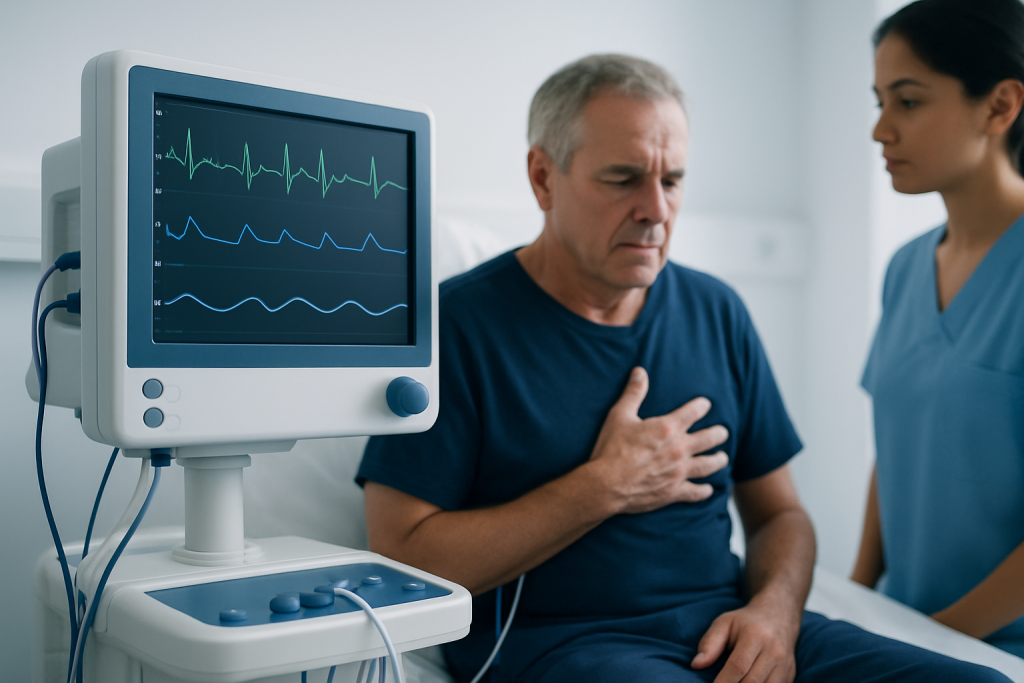
Symptoms vary by organ, but they usually reflect sudden loss of function and pain in the affected area. A heart infarction may feel like pressure, heaviness, squeezing, or burning in the chest, sometimes with discomfort spreading to the arm, shoulder, back, neck, or jaw.
Other common heart-related symptoms include shortness of breath, sweating, nausea, lightheadedness, unusual fatigue, or a sense that something is seriously wrong. Not every person has the same pattern; older adults, women, and people with diabetes may have subtler or less typical symptoms.
When infarction affects another organ, the picture changes. A brain infarction, often called a stroke, may cause facial drooping, arm weakness, speech difficulty, or sudden confusion. An intestinal infarction may cause severe abdominal pain, vomiting, or bloating. Any sudden loss of function should be treated as urgent.
Causes & Risk Factors

Most infarctions happen because an artery becomes blocked by a blood clot, a piece of plaque from atherosclerosis, or, less commonly, another obstruction that stops circulation. The result is a mismatch between what the tissue needs and what the blood supply can deliver.
Underlying risk factors are usually familiar cardiovascular risks. These include smoking, high blood pressure, high cholesterol, diabetes, obesity, inactivity, kidney disease, and a family history of early heart or vascular disease. Age also matters, because arteries tend to become less flexible over time.
Some situations increase risk in a more immediate way, such as prolonged immobility, certain heart rhythm disorders, dehydration, or recent surgery. For some patients, infarction may be the first sign that a chronic vascular problem has been quietly developing for years.
Diagnosis
Doctors begin by matching symptoms with the organ most likely affected, then move quickly to tests that can confirm tissue injury and identify the blocked blood vessel. In a suspected heart infarction, this often includes an electrocardiogram (ECG) and blood tests that measure markers released when heart muscle is damaged.
Imaging may be needed to understand the extent of the problem. Depending on the situation, this can include echocardiography, CT scans, MRI, ultrasound, or angiography. These tests help show whether blood flow is reduced, where the blockage is, and whether other tissues are at risk.
For patients traveling for care, good diagnosis is especially important because the team must decide not only what happened, but what happened recently and how stable the condition is for safe treatment and discharge planning. A careful history, including when symptoms began, is a major part of that decision.
Treatment Options
Treatment aims to restore blood flow as quickly as possible and limit permanent damage. In a heart infarction, this may involve medicines that reduce clotting, relieve pain, or support the heart, along with procedures such as angioplasty and stent placement when a blocked artery needs to be opened.
Some patients need intensive monitoring, especially if there are rhythm problems, heart failure, or low blood pressure. When infarction affects the brain or intestine, treatment decisions may differ, but the principle is the same: confirm the cause rapidly and act before more tissue is lost.
Recovery does not end when the acute event is treated. Many patients need longer-term medicines, follow-up tests, cardiac rehabilitation or other rehabilitation, and a plan to lower future risk. For international patients, this often includes arranging records, clarifying medication instructions in a language they understand, and planning follow-up once they return home.
Prevention & Self-care
Not every infarction can be prevented, but many risk factors can be improved. Heart-healthy habits usually include stopping smoking, keeping blood pressure and blood sugar under control, eating a balanced diet, moving regularly, and following medical advice about cholesterol and weight management.
People with known vascular disease may also benefit from a clear medication routine, regular checkups, and attention to warning signs. It helps to know what symptoms are “new for me,” especially if there is already a diagnosis such as coronary artery disease, atrial fibrillation, or diabetes.
After treatment, self-care should be practical and steady rather than perfect. Rest is important early on, but gradual activity, medication adherence, wound care if a procedure was performed, and follow-up appointments are all part of safer recovery. Patients traveling after treatment should leave with written instructions that are easy to share with their local doctor.
- Take prescribed medicines exactly as directed.
- Keep follow-up appointments and recommended tests.
- Return to activity only as advised by the care team.
- Seek help quickly if new symptoms appear.
When to See a Doctor
Any sudden chest pressure, unexplained shortness of breath, fainting, new weakness on one side of the body, or severe abdominal pain deserves immediate medical evaluation. These symptoms can signal infarction or another emergency that needs prompt treatment.
People with known risk factors should also speak with a doctor even when symptoms are mild or unclear, especially if they are new, recurring, or changing. A calm, timely assessment is better than waiting to see whether the problem goes away on its own.
For travelers, it is wise to seek care at a facility that can perform urgent cardiac or vascular testing without delay. Acibadem Health Point and its multidisciplinary specialists in JCI-accredited hospitals diagnose and treat infarction for international patients, with attention to both urgent care and the follow-up needed after travel.
Living After Infarction
Life after infarction often involves a period of rebuilding confidence as well as strength. Many patients want to know when they can work, fly, exercise, or resume daily routines. The answer depends on the organ involved, the severity of injury, and how well the underlying cause is controlled.
Follow-up care may include repeat imaging, medication review, rehabilitation, and monitoring for complications such as reduced organ function or another vascular event. Patients who had care abroad should keep copies of discharge summaries, test results, and imaging reports so their local clinicians can continue care smoothly.
Questions are common during recovery, and they are worth asking. A good care plan is one that explains what happened, what to watch for, and how to reduce the chance of a repeat event without overwhelming the patient with instructions that are hard to carry out.
Summary in Plain Language
Infarction means part of the body was injured because blood could not reach it. In the heart, this is a heart attack; in the brain, it is often a stroke; and in the bowel or other organs, it may present in different but still urgent ways.
The most useful response is fast recognition and prompt medical care. With early diagnosis, treatment to restore blood flow, and sensible follow-up, many patients can recover well and reduce their future risk.
Frequently asked questions
What does infarction mean?
Infarction means tissue damage or death caused by loss of blood supply. It happens when an artery becomes blocked or blood flow is otherwise interrupted long enough for cells to be injured.
Is infarction the same as a heart attack?
A heart attack is a type of infarction that affects the heart muscle. The word infarction can also describe damage in other organs, such as the brain or bowel.
What are the warning signs of a heart infarction?
Common warning signs include chest pressure or pain, shortness of breath, sweating, nausea, and pain that spreads to the arm, shoulder, back, neck, or jaw. Some people have less typical symptoms, so sudden changes should be taken seriously.
How is infarction diagnosed?
Diagnosis depends on the organ involved, but it often includes a physical exam, blood tests, ECG, and imaging studies. In some cases, angiography or other scans are used to locate the blockage and assess damage.
Can infarction be treated?
Yes. Treatment focuses on restoring blood flow quickly and supporting the affected organ. Medicines, procedures such as angioplasty, and monitoring in hospital may all be part of care.
How can someone lower the risk of another infarction?
Managing blood pressure, cholesterol, diabetes, smoking, and activity level can reduce future risk. Regular follow-up with a doctor is important because prevention often depends on controlling the condition that caused the first event.
References
- American Heart Association
- World Health Organization
- National Heart, Lung, and Blood Institute
- Mayo Clinic
- Centers for Disease Control and Prevention
This article is for general information only and is not a substitute for professional medical advice. Please consult a qualified doctor about your individual situation.