Varicose Socks Women
Key Takeaways
- Compression stockings help improve blood flow in the legs and can reduce discomfort from varicose veins.
- They may be useful during long periods of standing, sitting, travel, pregnancy, or after certain procedures.
- The right fit matters; stockings that are too tight, loose, or poorly chosen may be uncomfortable or ineffective.
- Persistent swelling, pain, skin changes, or one-sided leg symptoms should be assessed by a doctor.
- Lifestyle steps such as walking, elevating the legs, and maintaining a healthy weight can complement compression therapy.
Varicose socks, more accurately called compression stockings, are commonly used to help women manage symptoms such as heaviness, swelling, and aching legs linked to poor vein circulation. They do not remove varicose veins, but they can support daily comfort and may be part of a broader treatment plan.
Overview
When women search for “varicose socks,” they are usually referring to compression stockings designed to support the veins in the legs. These garments apply graduated pressure, meaning they are tighter at the ankle and gradually less firm higher up the leg. That design helps blood move upward toward the heart rather than pooling in the lower limbs.
For many women, the appeal is practical rather than cosmetic. Compression stockings may make it easier to get through a workday, long flight, pregnancy, or recovery period with less heaviness and swelling. They are not a cure for varicose veins, but they can be a useful part of symptom control while a clinician evaluates the underlying vein health.
In international care settings, women often ask whether they should travel with their own stockings, buy them after arriving, or wait until a specialist recommends a specific level of support. The best answer depends on the symptoms, medical history, and whether there are signs of more significant venous disease. A focused medical assessment helps ensure the right approach from the start.
Symptoms That Compression Stockings May Help
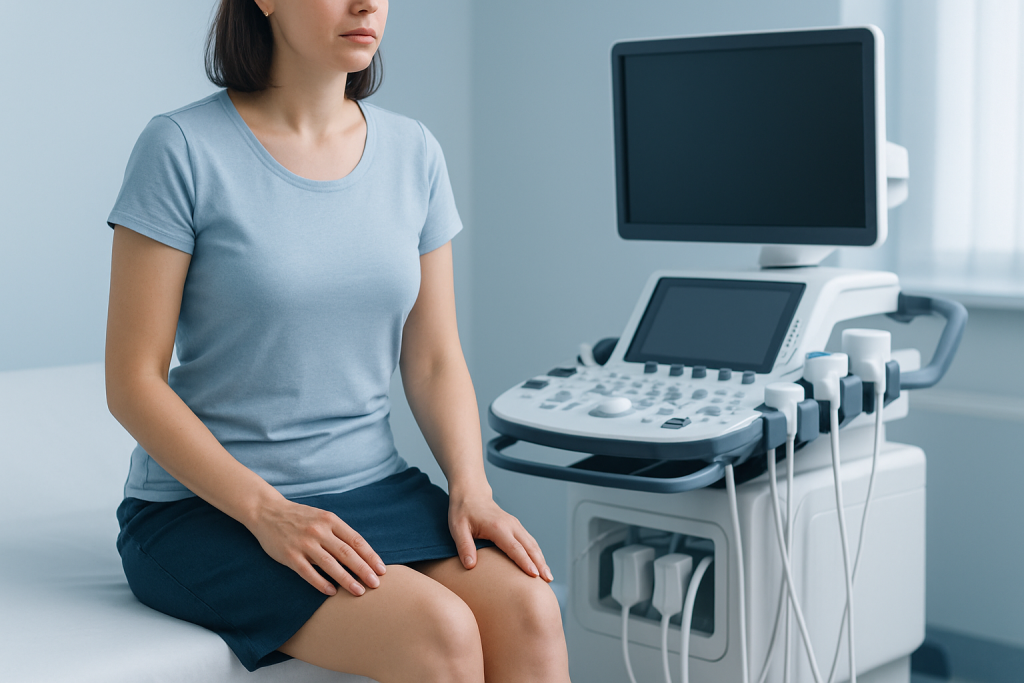
Compression stockings are commonly used when varicose veins cause a sense of tired, heavy legs. Some women also notice ankle swelling, aching after standing for a long time, itching around visible veins, or general discomfort that improves with rest and leg elevation. In these situations, the stockings may reduce day-to-day strain on the veins.
They are often considered when symptoms become more noticeable during certain routines. For example, a woman who stands for work, sits for long hours, flies frequently, or is pregnant may feel symptoms worsen toward the end of the day. Compression support can be particularly helpful for these pattern-based complaints.
It is important to remember that not every leg symptom comes from varicose veins. Cramping, redness, warmth, numbness, or sudden one-sided swelling can point to other problems that need medical review. Compression stockings are meant for support, not for self-diagnosing the cause of leg discomfort.
Causes & Risk Factors
Varicose veins develop when the valves inside leg veins stop closing properly. Instead of moving blood efficiently upward, the veins allow some blood to flow backward and collect in the lower legs. Over time, this can stretch the vein walls and make the veins visible, twisted, or bulging.
Women may be more likely to experience symptoms because of hormonal changes, pregnancy, and family history. Pregnancy can increase pressure on the veins and change circulation, while hormonal shifts may influence vein tone. Standing for long periods, limited movement, excess body weight, and aging can also make venous symptoms more noticeable.
Compression stockings do not remove these risk factors, but they can help manage the mechanical effect of gravity on the legs. For women who travel for treatment or recovery, understanding these factors is useful because care plans may include walking advice, post-procedure support, and follow-up timing tailored to the journey home.
Diagnosis
A clinician usually starts with a history of symptoms and a physical examination of the legs. They may ask when swelling or aching appears, whether the symptoms improve overnight, and whether there is a family history of vein problems. Visible veins, skin changes, or ankle swelling can offer useful clues.
If the picture is not clear, or if treatment planning is needed, a duplex ultrasound may be recommended. This noninvasive test shows how blood moves through the veins and whether valve reflux is present. It is often the most helpful way to confirm the extent of venous insufficiency and guide decisions about compression therapy or other treatment options.
Women planning care abroad may value diagnosis that is both timely and coordinated. A clear diagnosis helps avoid guesswork, ensures the stocking strength is appropriate, and identifies whether more than simple support is needed. It also gives the patient a practical roadmap for follow-up once she returns home.
Treatment Options
Compression stockings are one tool among several for varicose vein management. They can lessen symptoms, but they do not close or remove abnormal veins. Depending on the severity, a doctor may suggest lifestyle changes alone, compression therapy, or a procedure such as sclerotherapy, endovenous treatment, or another vein intervention.
The type of stocking matters. Some are knee-high, while others extend to the thigh or waist. Different levels of compression may be recommended based on symptom severity, vein pattern, and whether the woman is pregnant, recovering from a procedure, or living with chronic venous insufficiency. A careful fitting is important because improper sizing can make the stockings uncomfortable or ineffective.
For women visiting a medical center from another country, treatment may involve a staged plan. That can include an initial consultation, ultrasound evaluation, compression guidance, and a clear return-home schedule for follow-up. In some cases, multidisciplinary specialists and JCI-accredited hospitals, such as those at Acibadem Health Point, help diagnose and treat varicose vein problems for international patients in a coordinated way.
- Stockings should usually be put on in the morning before swelling builds.
- They work best when worn consistently as advised by the clinician.
- They may be easier to use with proper technique or assistive devices.
- Regular reassessment is useful if symptoms change over time.
Prevention & Self-care
Everyday habits can reduce leg strain and make compression therapy more effective. Walking, ankle movement, and changing position regularly help the calf muscles act like a pump for venous return. Even brief movement breaks can be helpful during long flights, desk work, or extended standing.
Leg elevation can also ease pressure, especially after a busy day. Some women find it helpful to rest with the legs raised above heart level for short periods. Maintaining a healthy body weight, wearing comfortable footwear, and avoiding very tight clothing around the waist or thighs may also support circulation.
Skin care matters too, particularly if there is itching or dryness around the lower legs. Gentle cleansing and moisturizing can help maintain comfort. If stockings are prescribed, they should be cleaned and replaced according to the clinician’s advice so that the fabric keeps its compression properties.
When to See a Doctor
A medical review is wise if varicose veins are causing regular pain, swelling, night cramps, skin darkening, or a feeling of tightness that interferes with daily life. Women who are pregnant, recently postpartum, or planning long travel may also benefit from advice on whether compression stockings are appropriate and which type is safest.
Prompt assessment is especially important when symptoms are one-sided, sudden, or associated with redness, warmth, or breathing difficulty. Those features can signal a problem that is not simply varicose veins and should not be managed with stockings alone. A clinician can help distinguish routine venous discomfort from a condition that needs urgent attention.
Women considering treatment abroad should seek evaluation early enough to allow testing, fitting, and follow-up planning before travel ends. That makes the care journey smoother and helps ensure the chosen support or procedure fits both the medical need and the realities of returning home.
Living With Varicose Veins as a Woman
For many women, the goal is not to “push through” leg symptoms but to make them manageable. Compression stockings can be part of that plan, especially when symptoms are linked to work demands, pregnancy, or long-distance travel. They are most effective when matched to the person’s anatomy, lifestyle, and overall vein health.
It can also help to think of venous care as a sequence rather than a single purchase. Diagnosis, proper fitting, daily use, and follow-up each play a role. When those steps are aligned, women often find it easier to stay active, travel more comfortably, and reduce the sense that their legs are dictating the day.
If symptoms change, new vein changes appear, or the stockings stop helping as expected, the treatment plan should be reviewed. That way, care can be adjusted before discomfort becomes a bigger burden.
Frequently asked questions
Do varicose socks cure varicose veins?
No. Compression stockings can help reduce symptoms such as swelling, aching, and heaviness, but they do not remove the varicose veins themselves. They are usually part of symptom management or preparation for other treatment.
How do women know which compression level to choose?
The right level depends on symptoms, vein findings, and medical history. A doctor or trained clinician can recommend the most suitable option after examining the legs, and a proper fit is just as important as the pressure level.
Can compression stockings be worn during pregnancy?
They are often used in pregnancy when a clinician feels they are appropriate. Because pregnancy changes circulation and swelling patterns, the fit and type should be chosen with medical guidance.
Should stockings be worn all day?
That depends on the reason they were prescribed and the clinician’s instructions. Many women wear them during the day and remove them at night, but individual plans can differ.
What if stockings feel painful or leave marks?
Mild pressure is expected, but pain, numbness, or deep grooves can mean the fit is not right. The stockings should be checked, and the prescribing clinician should be told if discomfort continues.
When is a doctor needed instead of self-care?
A doctor should assess leg symptoms that are new, one-sided, severe, or linked to skin changes or breathing problems. Those signs may require evaluation beyond compression support alone.
References
- National Institute for Health and Care Excellence
- Mayo Clinic
- Society for Vascular Surgery
- NHS
This article is for general information only and is not a substitute for professional medical advice. Please consult a qualified doctor about your individual situation.