

Hyperemesis Gravidarum: Symptoms, Causes and Treatment

Key Takeaways
- It is more intense than typical morning sickness and can lead to dehydration and weight loss.
- Symptoms often begin early in pregnancy but can persist longer in some people.
- Diagnosis is based on symptoms, hydration status, weight changes, and laboratory tests when needed.
- Treatment may include dietary adjustments, anti-nausea medicines, and IV fluids if dehydration is significant.
- Medical review is important if vomiting is persistent, severe, or limits daily function.
Medically reviewed by the Acıbadem clinical team — August 19, 2026
Hyperemesis gravidarum is a severe form of nausea and vomiting during pregnancy that can make it difficult to keep food, fluids, or medications down. With timely medical support, most people can manage symptoms, protect hydration, and recover safely through pregnancy.
Overview
Hyperemesis gravidarum is a pregnancy-related condition marked by persistent nausea and vomiting that goes beyond the usual discomforts of early pregnancy. It can interfere with eating, drinking, and daily routines, and in more severe cases it may cause dehydration, electrolyte imbalance, and unintentional weight loss.
Many people know pregnancy sickness can be part of the first trimester. Hyperemesis gravidarum is different because the symptoms are stronger, longer-lasting, and more disruptive. It deserves medical attention, not because it is rare or frightening, but because early support can prevent complications and make the rest of pregnancy more manageable.
For patients who live abroad or are traveling for care, it helps to think of hyperemesis gravidarum as a condition that benefits from a coordinated plan: symptom control, fluid replacement if needed, nutrition guidance, and follow-up once the person is stable enough to return to daily life.
Symptoms
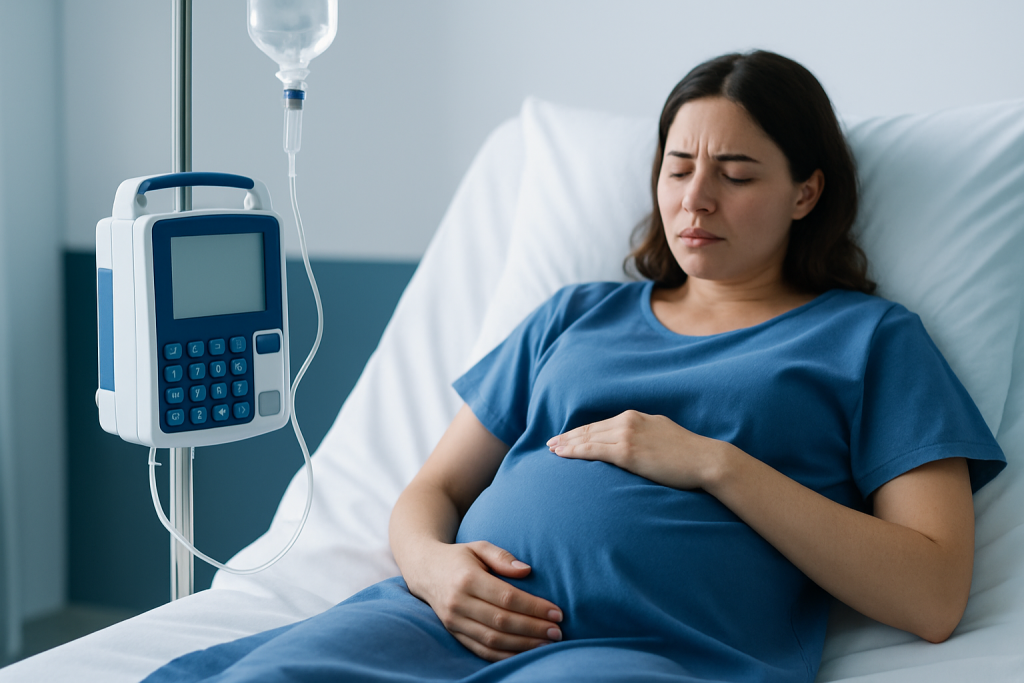
The main feature is vomiting that is frequent enough to make it hard to keep down food, water, or even prescribed vitamins and medicines. Nausea may be constant, and smells, motion, or certain foods can make it worse. Some people also notice excessive saliva, fatigue, and dizziness when standing.
Because the body is losing fluid and nutrients, additional signs can appear. These may include dry mouth, reduced urination, dark urine, headaches, constipation, and a feeling of weakness or faintness. Weight loss during pregnancy is a notable sign that the symptoms are becoming medically significant.
Symptoms can vary from one pregnancy to another. Some people who had routine morning sickness in a previous pregnancy may still develop hyperemesis gravidarum later, while others experience it without any prior history.
Causes & Risk Factors

The exact cause is not fully understood. Pregnancy hormones appear to play an important role, especially in the early months when hormone levels rise quickly. Sensitivity of the digestive system, the brain’s nausea pathways, and possibly genetic influences may all contribute.
Certain factors are linked with a higher likelihood of hyperemesis gravidarum. These may include a previous pregnancy affected by the same condition, multiple pregnancy, a history of migraines or motion sickness, and family members who had severe pregnancy nausea. It is also more likely when a pregnancy involves higher hormone levels, though not every person with those hormone patterns will develop it.
Importantly, the condition is not caused by stress alone, and it is not something a person can simply “push through.” Understanding that it has biological roots can help reduce guilt and make it easier to seek care early.
Diagnosis
Diagnosis starts with the symptoms themselves. A clinician will usually ask how often vomiting occurs, whether fluids are staying down, how much weight has changed, and whether there are signs of dehydration. The timing of symptoms in relation to pregnancy is also helpful, since hyperemesis gravidarum usually begins early.
Blood and urine tests may be used to check hydration, electrolytes, kidney function, and whether ketones are present, which can indicate that the body is using stored fat because intake is too low. In some cases, an ultrasound is done to confirm the pregnancy location, check gestational age, and rule out other explanations for severe vomiting.
Diagnosis is not only about naming the problem; it is also about ruling out conditions that need different treatment, such as gastrointestinal infection, thyroid disease, or problems related to the pregnancy itself.
Treatment Options
Treatment is tailored to symptom severity and the person’s ability to hydrate and nourish the body. For milder cases, clinicians may recommend changes such as eating small, frequent meals, choosing bland foods, and avoiding triggers like strong odors or fatty meals. Prenatal vitamins may need to be adjusted if they worsen nausea.
When symptoms are more significant, anti-nausea medicines may be prescribed, and some people need intravenous fluids to restore hydration. If electrolyte levels are abnormal or oral intake remains poor, hospital-based care may be appropriate until symptoms are better controlled. In selected cases, vitamin supplementation is important, especially if prolonged vomiting raises the risk of deficiencies.
Supportive care matters too. Rest, careful reintroduction of fluids, and follow-up checks can help the person regain strength. For someone receiving treatment away from home, a clear discharge plan and a contact point for reassessment can make recovery smoother and safer.
Prevention & Self-care
Not every case can be prevented, but some strategies may reduce symptom burden. Eating before hunger becomes intense, keeping crackers or dry snacks nearby, and sipping fluids regularly can help some pregnant people tolerate intake better. Cold drinks, ginger-based foods, or foods served at room temperature may be easier to manage than strong-smelling meals.
Self-care also includes noticing limits early. If a person is unable to keep fluids down for more than a day, feels increasingly weak, or sees signs of dehydration, home strategies are no longer enough. At that point, medical review is the safer next step rather than trying to wait it out.
Travel plans may need to be adjusted if symptoms are severe. Having records of pregnancy dating, medication history, and prior test results can help if care is needed in another country or at a different clinic. This is especially useful when rapid assessment is required.
When to See a Doctor
Medical attention is recommended if vomiting is persistent, fluids cannot be kept down, or there is concern about dehydration. A clinician should also be contacted if there is significant weight loss, fainting, confusion, abdominal pain, fever, blood in the vomit, or reduced urination.
Pregnant people should not wait for symptoms to become extreme before seeking help. Early treatment can reduce the chance of needing hospital admission and can help protect both maternal health and pregnancy progress. Even if the vomiting seems “typical,” a review is worthwhile if it is affecting daily functioning.
For Myomectomy Recovery for International Patients: The Usual Travel Timeline" class="ahp-ilk">international patients, specialist assessment can be especially helpful when symptoms are severe, diagnosis is uncertain, or care needs to be coordinated across travel, testing, and follow-up. Acibadem Health Point’s multidisciplinary specialists and JCI-accredited hospitals diagnose and treat this condition for international patients.
Frequently asked questions
How is hyperemesis gravidarum different from morning sickness?
Morning sickness is common and usually manageable, while hyperemesis gravidarum is more severe and can cause dehydration, weight loss, and difficulty keeping down fluids. It often needs medical treatment rather than home care alone. The distinction is based on how much the symptoms affect hydration, nutrition, and daily life.
Can hyperemesis gravidarum harm the baby?
When it is recognized and treated, many pregnancies continue safely. The main concern is prolonged dehydration or poor nutrition, which is why medical follow-up matters. A doctor can help reduce risks by restoring fluids and supporting intake.
What foods or drinks are easiest to tolerate?
There is no single best option for everyone, but bland, small portions are often easier to manage. Some people do better with dry crackers, toast, plain rice, or cold drinks taken in small sips. The goal is to find what can stay down consistently, even if only in small amounts.
When is hospital treatment needed?
Hospital care may be needed if dehydration is significant, vomiting is persistent, or the person cannot keep down oral fluids or medicines. IV fluids and monitoring can stabilize the body more effectively than home measures in these situations. A doctor will decide based on symptoms and test results.
Does hyperemesis gravidarum always last the whole pregnancy?
No. It often improves as pregnancy progresses, although the timeline varies. Some people feel better after the first trimester, while others have symptoms for longer and need ongoing support. Regular reassessment helps adjust treatment as symptoms change.
Can it come back in a future pregnancy?
It can recur, especially in people who had it before. A prior history is useful information for the next pregnancy because clinicians can monitor symptoms earlier. Early planning may make treatment faster if symptoms return.
References
- American College of Obstetricians and Gynecologists
- Royal College of Obstetricians and Gynaecologists
- National Health Service
- Mayo Clinic
- Merck Manual Professional Edition
This article is for general information only and is not a substitute for professional medical advice. Please consult a qualified doctor about your individual situation.
Persistent digestive symptoms? Get evaluated in Turkey
JCI-accredited · board-certified surgeons · reply within 24h
Add us as a Preferred Source to see more of our trusted health content across Google Search, AI Overviews and Discover.
More from the Health Library


Related Specialists
Dr. Gamze Karababa
Gynecology & Obstetrics
Dr. Onur Özdenoğlu
Gynecology & Obstetrics
Dr. Selcen Bahadır
Gynecology & Obstetrics
Prof. Dr. A. Taner Usta
Gynecology & Obstetrics