Hyperdontia

Key Takeaways
- Hyperdontia means having more teeth than usual, often called supernumerary teeth.
- It may not cause symptoms at first, but it can affect alignment, eruption, and oral hygiene.
- Dental X-rays are often needed to locate extra teeth and plan care.
- Treatment depends on the tooth’s position, symptoms, and effect on nearby teeth.
- Regular dental follow-up helps monitor changes and prevent complications.
Hyperdontia is a dental condition in which one or more extra teeth develop in the mouth. It may be discovered during a routine exam or when it begins to affect spacing, eruption, bite, or comfort.
Overview
Hyperdontia is the term used when a person develops one or more extra teeth beyond the normal number. These additional teeth are often called supernumerary teeth. They may appear in the primary teeth, the permanent teeth, or both, and they can emerge in many different places in the mouth.
Some extra teeth are small and easy to miss, while others look similar to nearby teeth and are found only after a dental examination or an X-ray. In many people, hyperdontia is noticed because it changes the way the teeth fit together, delays the eruption of a permanent tooth, or creates crowding that is difficult to manage with brushing and flossing alone.
For international patients arranging dental care away from home, hyperdontia is often part of a broader orthodontic or oral surgery plan. That plan may involve careful imaging, discussion of whether the extra tooth should remain in place, and coordination between different dental specialists. The goal is not simply to count the teeth, but to protect comfort, function, and long-term alignment.
Symptoms
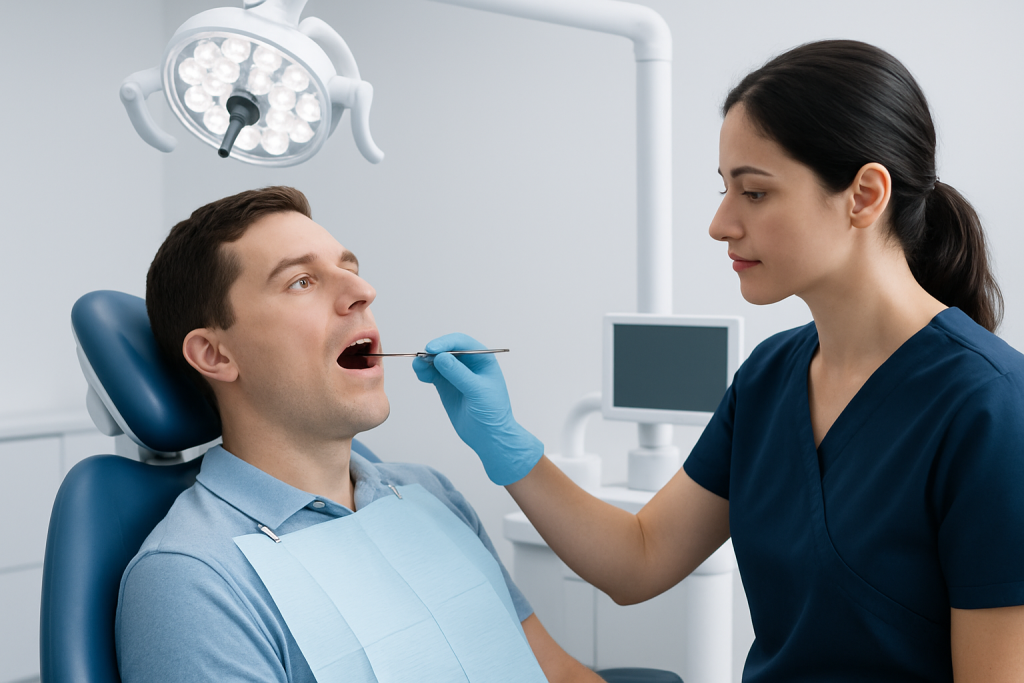
Hyperdontia does not always cause obvious symptoms. In some cases, the extra tooth is painless and discovered incidentally during a routine dental visit. When symptoms do appear, they usually relate to the space the tooth occupies or the way it affects nearby teeth.
Common signs may include crowding, a tooth that seems delayed or blocked from coming in, or an unusual bump in the gum. Some people notice that their bite feels different, that certain teeth overlap more than expected, or that cleaning between teeth has become harder.
- Delayed eruption of a permanent tooth
- Crowding or shifting of nearby teeth
- Gum swelling or a visible extra tooth
- Difficulty with biting or chewing in some cases
- Increased plaque buildup around crowded areas
In children, an extra tooth may be suspected when a baby tooth does not fall out on schedule or when a permanent tooth appears to be coming in the wrong position. In adults, the condition may be recognized after changes in alignment or after imaging done for another reason.
Causes & Risk Factors

The exact reason hyperdontia develops is not always clear. It is thought to occur during the early stages of tooth formation, when the dental tissues create an extra tooth bud or split in an unusual way. In many people, no single cause is identified.
Hyperdontia can occur on its own, but it is also seen more often in some inherited or developmental conditions. A family history of extra teeth may increase the chance of developing them. Certain syndromes and craniofacial differences are associated with a higher likelihood of supernumerary teeth, although many people with hyperdontia do not have any other medical condition.
Risk factors may include:
- Family history of extra teeth
- Previous or current developmental dental differences
- Some genetic syndromes that affect tooth development
- History of delayed or unusual tooth eruption patterns
Because the causes can vary, dentists often consider the broader oral and medical history when evaluating the condition. This helps determine whether the extra tooth is an isolated finding or part of a larger pattern that needs coordinated care.
Diagnosis
Diagnosis usually begins with a dental examination. The dentist looks for crowding, delayed eruption, spacing changes, or a tooth shape that suggests something unusual beneath the gum. A careful exam often provides the first clue, but imaging is commonly needed to confirm the diagnosis and see the exact position of the extra tooth.
Dental X-rays are especially useful because extra teeth may be partially erupted, trapped in the jaw, or hidden behind other teeth. In more complex situations, a three-dimensional scan may be recommended to map the tooth’s relationship to roots, nerves, and surrounding bone before treatment is planned.
During evaluation, the dentist may also check whether the extra tooth is affecting neighboring teeth, such as causing root pressure, delaying eruption, or increasing the risk of decay where brushing is difficult. For international patients, this stage is important because it helps create a clear treatment plan before travel, so appointments can be arranged efficiently and follow-up can be organized in advance.
Treatment Options
Treatment for hyperdontia is individualized. Some extra teeth can be safely observed if they are not causing problems, while others are removed or managed as part of orthodontic treatment. The decision depends on the tooth’s position, whether it is erupted or impacted, the person’s age, and how it affects bite and alignment.
If the extra tooth is blocking normal tooth eruption, contributing to crowding, or creating a risk of damage to nearby teeth, removal is often considered. In other cases, orthodontic treatment may be used to create space and guide the teeth into a healthier position. Sometimes a combination of monitoring, extraction, and orthodontic care is the most appropriate approach.
Possible treatment paths include:
- Observation with regular dental review
- Surgical removal of the supernumerary tooth
- Orthodontic treatment to correct crowding or alignment
- Restorative care if the extra tooth has contributed to wear or decay
For patients traveling for treatment, the care plan may be staged over multiple visits. That can include imaging, removal if needed, and a coordinated orthodontic or follow-up plan after returning home. A clear timeline helps keep treatment practical and reduces the chance of unfinished care.
Prevention & Self-care
Hyperdontia itself cannot usually be prevented, because it develops during tooth formation. Even so, day-to-day self-care matters because extra teeth can make cleaning more difficult and raise the risk of plaque buildup, gum irritation, and cavities in crowded areas.
Good oral hygiene is especially important when the teeth are tight together or partially erupted. Gentle but thorough brushing, flossing, and regular dental cleanings help protect the teeth around the extra tooth and make it easier for the dentist to monitor any changes over time.
- Brush twice daily with a fluoride toothpaste
- Clean carefully between teeth, especially in crowded areas
- Attend regular dental checkups and X-rays as advised
- Report any pain, swelling, or changes in tooth position promptly
- Follow the dentist’s timing for monitoring or treatment
When an extra tooth has been identified, self-care also includes staying organized about follow-up. Patients who live abroad or travel for care should keep copies of imaging and treatment notes, since those records can help future dentists continue care smoothly and avoid repeating the same tests.
When to See a Doctor
A dental professional should evaluate any suspected extra tooth, especially if there is crowding, delayed eruption, discomfort, or a visible change in tooth alignment. Early assessment is useful because treatment may be simpler when the condition is identified before it affects the rest of the dental arch.
It is sensible to seek care sooner if a child’s permanent tooth is not coming in on schedule, if a baby tooth is staying in place longer than expected, or if an adult notices a new bump or pressure near the gums. A dentist can decide whether the finding needs observation, imaging, or referral to an oral surgeon or orthodontist.
People who are planning treatment while traveling should arrange a dental review before and after the trip, when possible. Acibadem Health Point’s multidisciplinary specialists and JCI-accredited hospitals diagnose and treat hyperdontia for international patients with coordinated, patient-centered care. This helps ensure that decisions about extraction, orthodontics, or follow-up are made with the full picture in view.
Living With Hyperdontia
Many people with hyperdontia do well once the extra tooth is identified and the dental plan is tailored to their needs. Some require only monitoring, while others benefit from coordinated treatment that restores space, alignment, and ease of cleaning. The right approach depends less on the number of teeth than on how they are affecting the rest of the mouth.
It can be reassuring to remember that this condition is familiar to dentists, orthodontists, and oral surgeons. With timely evaluation, imaging, and sensible follow-up, most cases can be managed in a way that supports long-term oral health and avoids unnecessary intervention.
For patients navigating care across borders, clear communication is especially helpful. Sharing previous X-rays, treatment records, and any symptoms that have changed over time gives the clinical team a better foundation for planning care that is both safe and practical.
Frequently asked questions
What is hyperdontia?
Hyperdontia is a dental condition in which one or more extra teeth develop beyond the normal number. These extra teeth are also called supernumerary teeth. They may appear in children or adults and may be visible or hidden under the gums.
Does hyperdontia always need treatment?
Not always. If the extra tooth is not causing crowding, pain, or problems with eruption, a dentist may recommend monitoring it. Treatment is more likely when the tooth affects alignment, hygiene, or nearby teeth.
How is hyperdontia diagnosed?
A dentist usually suspects it during an oral exam and confirms it with dental X-rays or other imaging. These images show where the extra tooth is located and whether it is affecting adjacent teeth or roots.
Can extra teeth come back after removal?
Once an extra tooth is removed, it does not grow back. However, follow-up is still important because the surrounding teeth may continue to shift or need orthodontic guidance after treatment.
Is hyperdontia linked to other health conditions?
Sometimes it can be seen with certain inherited or developmental conditions, but many people with hyperdontia have no other medical issues. A dentist or doctor may look for other signs if the tooth pattern seems unusual.
Should a child with a delayed tooth eruption be checked for hyperdontia?
Yes, that is often a good idea. An extra tooth can block a permanent tooth from erupting on time, so a dental examination can help explain the delay and guide next steps.
References
- American Dental Association
- National Institute of Dental and Craniofacial Research
- Mayo Clinic
- Cleveland Clinic
- Merck Manual Professional Edition
This article is for general information only and is not a substitute for professional medical advice. Please consult a qualified doctor about your individual situation.