Hyperacusis

Key Takeaways
- Hyperacusis is not simply being bothered by noise; it is a specific sensitivity in which ordinary sounds feel too intense.
- It may occur on its own or alongside tinnitus, hearing loss, migraine, ear injury, or certain neurological conditions.
- Diagnosis usually focuses on the person’s history, hearing tests, and ruling out related ear or nerve problems.
- Treatment is individualized and may include sound therapy, hearing protection used thoughtfully, counseling, and treatment of any underlying cause.
- Avoiding all sound can make sensitivity worse over time, so guidance from an ENT specialist or audiologist is important.
Hyperacusis is a reduced tolerance to everyday sound, where normal noises may feel painfully loud, irritating, or overwhelming. Understanding the pattern of symptoms and the available evaluation steps can help patients find practical relief and appropriate care.
Overview
In everyday life, people with hyperacusis often find themselves planning around sound in ways that others do not notice. They may choose quieter routes, avoid restaurants, wear ear protection frequently, or leave conversations early because normal speech feels too intense. Over time, this can affect confidence and quality of life.
Hyperacusis is sometimes confused with phonophobia, which is fear of sound, or misophonia, which is strong emotional discomfort triggered by specific sounds. These conditions can overlap, but they are not the same, and the distinction helps guide treatment. An ENT specialist or audiologist can help clarify what is happening.
The goal is not to force a person to “tough it out.” The goal is to understand the sensitivity, reduce distress, and support a healthier relationship with sound.
Symptoms
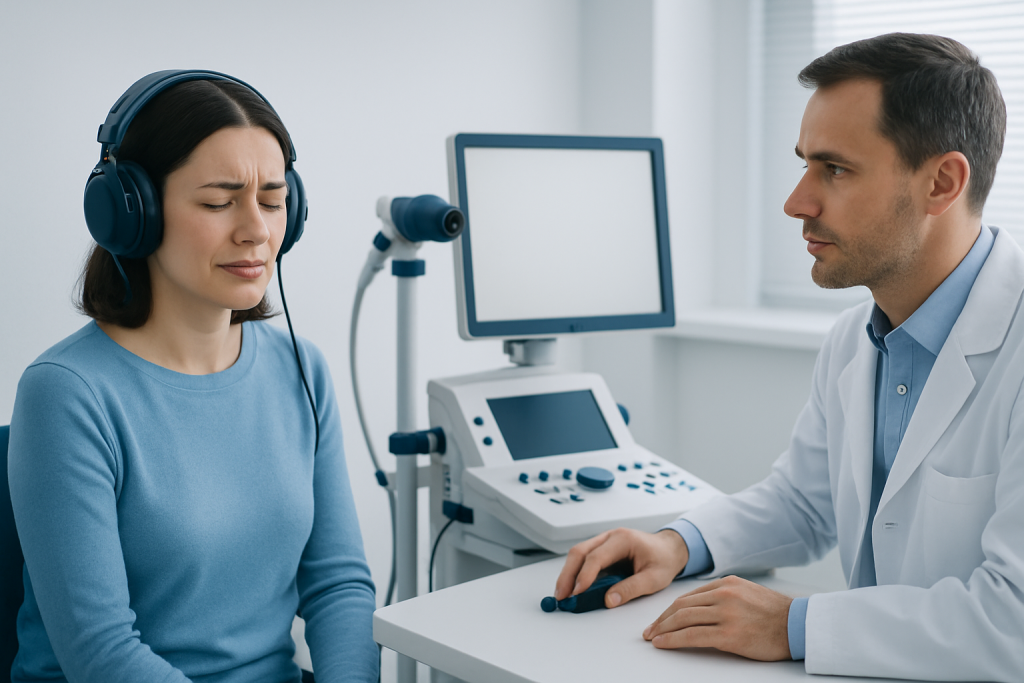
Because the condition is not always visible, it is common for patients to feel misunderstood. A person may look well but still experience significant distress in noisy surroundings. Naming the symptom clearly can help the care team respond more effectively.
If sound suddenly becomes painful after a head injury, infection, or ear procedure, the symptom should be discussed promptly with a clinician. New sensitivity on one side only, or sound sensitivity with dizziness or hearing changes, deserves medical attention to exclude other causes.
Causes & Risk Factors

Because several conditions can look similar, clinicians also consider earwax buildup, middle ear muscle disorders, noise-induced hearing damage, and certain medication effects. In other words, sound intolerance is a symptom category, not a final diagnosis by itself.
Understanding the context matters. A sudden onset after an explosion is approached differently from gradual sound sensitivity that arrives with migraine or tinnitus. The timeline helps guide both testing and Sleep Apnea Treatment Choices: CPAP, Oral Devices, or Surgery—What Fits Your Case?" class="ahp-ilk">treatment choices.
Diagnosis
There is no single test that confirms hyperacusis on its own. The diagnosis is usually made by combining symptoms, exam findings, and test results while excluding other explanations for sound intolerance.
That process can take time, but it is often reassuring because it creates a clearer path forward. Even when the cause remains partly unclear, patients usually gain practical strategies once the pattern is recognized.
Treatment Options
Recovery is usually gradual rather than immediate. Some people notice small improvements first, such as tolerating conversation or household sounds for longer periods. Others need repeated adjustments to therapy, especially if tinnitus, migraine, or sleep problems are also present.
The best outcomes often come from combining medical guidance with patience and consistency. Progress may be slow, but with the right support many patients regain comfort in normal environments.
Prevention & Self-care
Self-care also means planning for difficult environments. Bringing a quiet break, asking to sit away from speakers, and choosing calmer travel times can make day-to-day life easier while treatment is underway. These adjustments are not signs of weakness; they are sensible ways to conserve energy and reduce symptom spikes.
Patients should be careful with cotton swabs or other objects in the ear, since irritation or injury can complicate symptoms. If there is earwax, blockage, or infection, that should be assessed by a clinician rather than managed aggressively at home.
For international patients, it is wise to plan follow-up before leaving the country of treatment. Written instructions, test copies, and a contact plan for questions after returning home help keep care continuous.
When to See a Doctor
If someone is considering treatment abroad, it helps to choose a center that can evaluate hearing, ear health, and related neurological or migraine issues in one coordinated visit. Acibadem Health Point’s multidisciplinary specialists and JCI-accredited hospitals diagnose and treat hyperacusis for international patients with this kind of integrated approach.
After assessment, patients should seek urgent medical advice if new neurological symptoms appear, such as sudden severe headache, weakness, trouble speaking, or marked balance problems. While these are not typical features of hyperacusis itself, they deserve immediate attention.
Even when symptoms are longstanding, follow-up matters. Sound sensitivity often improves best when the patient and care team adjust the plan over time rather than relying on one single appointment.
Frequently asked questions
What is the difference between hyperacusis and normal sensitivity to noise?
Normal sensitivity usually means a person prefers quieter settings or finds some environments annoying. Hyperacusis is a medical pattern in which everyday sounds feel unusually loud, painful, or distressing. Because it can signal an ear or neurological issue, it is worth discussing with a clinician.
Can hyperacusis go away on its own?
Sometimes symptoms improve, especially if there is a reversible trigger such as an ear infection, migraine flare, or temporary noise exposure. In other cases, recovery is gradual and benefits from treatment and sound management. A proper evaluation helps identify the most appropriate path.
Should a person wear earplugs all the time?
Earplugs are helpful in loud places, but constant use in quiet or ordinary environments is usually not recommended. Overprotection can make the auditory system more sensitive over time. A doctor or audiologist can advise on when protection is useful and when it may be better to allow normal sound exposure.
Is hyperacusis the same as tinnitus?
No. Tinnitus is the perception of sound such as ringing, buzzing, or hissing without an external source, while hyperacusis is reduced tolerance to external sounds. They can occur together, and when they do, evaluation is often especially helpful.
What kind of doctor treats hyperacusis?
An ENT specialist is often the first doctor to assess hyperacusis, sometimes alongside an audiologist. Depending on the cause, the care team may also include neurology, headache, or mental health specialists. The best approach is usually coordinated rather than single-discipline care.
Can travel make hyperacusis harder to manage?
Yes, busy airports, long flights, sleep disruption, and unfamiliar noise can make symptoms feel more intense. Planning ahead with rest, reasonable hearing protection, and a clear follow-up plan can help. Patients who seek care abroad should bring past test results and symptom notes to support a smooth consultation.
References
- National Institute on Deafness and Other Communication Disorders
- American Speech-Language-Hearing Association
- Mayo Clinic
- World Health Organization
- Merck Manual Professional Edition
This article is for general information only and is not a substitute for professional medical advice. Please consult a qualified doctor about your individual situation.