Anti Fungal Medicine For Oral Thrush

Key Takeaways
- Oral thrush is usually caused by an overgrowth of Candida yeast in the mouth.
- Antifungal medicines are the main treatment and may be used as mouth treatments or, in some cases, tablets.
- Good oral hygiene and addressing trigger factors can reduce the chance of thrush returning.
- Persistent, recurrent, or severe thrush should be assessed by a doctor to look for underlying causes.
- People with weakened immunity, diabetes, dentures, or recent antibiotic use may have a higher risk.
Oral thrush is a common yeast infection in the mouth that usually responds well to antifungal medicine. Understanding how treatment works, why it develops, and how to lower the chance of recurrence can help patients manage it confidently.
Overview
Oral thrush, also called oral candidiasis, is a yeast infection that affects the mouth and sometimes the throat. It happens when Candida, a fungus that normally lives in small amounts in the body, grows too much and causes symptoms such as white patches, soreness, or a cotton-like feeling in the mouth.
For most people, the condition is treatable and temporary. Anti fungal medicine for oral thrush is designed to reduce the yeast overgrowth and calm the irritation it causes. The exact treatment depends on the person’s age, overall health, how severe the infection is, and whether the thrush is limited to the mouth or may be affecting deeper areas.
Because oral thrush can sometimes signal an underlying issue, such as poor denture fit, dry mouth, recent antibiotic use, diabetes, or reduced immune function, treatment is often most effective when the reason behind the flare-up is also addressed. That is especially important for patients traveling for care, since follow-up instructions and prevention planning help make treatment more practical after returning home.
Symptoms
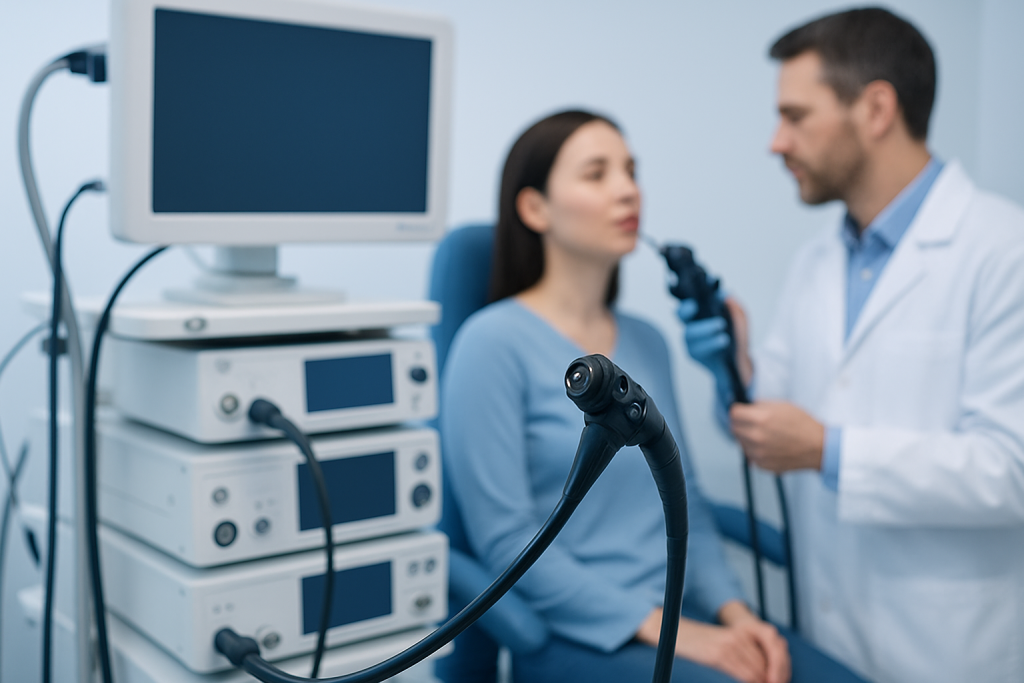
The appearance of oral thrush can be quite recognizable, but symptoms are not always the same from person to person. Some people notice obvious white patches on the tongue, inner cheeks, gums, tonsils, or roof of the mouth. These patches may look creamy or curd-like and can sometimes be wiped away, leaving red or tender areas underneath.
Other symptoms may be subtler. The mouth may feel sore, dry, or unusually sensitive. Eating spicy or acidic foods can become uncomfortable, and some people describe a burning sensation or a loss of taste. In infants, thrush may show up as fussiness, feeding difficulty, or white patches inside the mouth; in adults, it may be linked with cracked skin at the corners of the mouth.
- White or creamy patches in the mouth
- Redness or soreness underneath patches
- Burning, dryness, or discomfort
- Difficulty eating or swallowing if symptoms spread
- Cracks at the corners of the lips
Symptoms can be mild at first, so they are sometimes mistaken for simple irritation. If the mouth changes do not improve, or if they return repeatedly, a medical assessment is a sensible next step.
Causes & Risk Factors

Oral thrush develops when the balance of microorganisms in the mouth is disrupted. Candida yeast takes advantage of a warmer, moister environment and multiplies more than usual, especially when the mouth’s natural defenses are weakened.
Several factors can make this more likely. Antibiotics may reduce helpful bacteria that normally keep yeast in check. Inhaled corticosteroids, if not used with proper mouth rinsing afterward, can also contribute. Dentures, especially if they do not fit well or are not cleaned regularly, may create surfaces where yeast can collect. Dry mouth, smoking, and poor oral hygiene can add to the risk as well.
Certain health conditions are important too. Diabetes, immune system disorders, cancer treatment, and medications that suppress immunity can make thrush more persistent or recurring. Babies, older adults, and people with limited access to fluids or oral care may also be more vulnerable. In international-patient settings, clinicians often review the full medical history carefully, since thrush may be one small clue among several factors affecting recovery.
Diagnosis
In many cases, a doctor or dentist can diagnose oral thrush by looking inside the mouth and asking about symptoms, recent medicines, and general health. The pattern of white patches and the surrounding redness are often enough to identify the problem.
If the appearance is unclear, if symptoms are severe, or if the thrush keeps returning, further testing may be recommended. This can include taking a small swab or sample from the mouth to confirm the Candida species or to rule out other causes of mouth lesions. In some situations, blood tests or other checks may be ordered to look for diabetes, nutritional problems, or immune-related conditions.
Diagnosis is also a chance to review what may have triggered the infection. That can be especially useful when someone is receiving treatment abroad, because a clear diagnosis helps build a plan that is realistic to continue after travel, including oral hygiene steps, medication use, and follow-up timing.
Treatment Options
Anti fungal medicine for oral thrush is the standard treatment. For mild or uncomplicated cases, treatment is often given as a medicine that acts directly in the mouth, such as a liquid, lozenge, or gel. These medicines work by reducing the Candida overgrowth where it is present, which helps the tissues heal and symptoms settle.
More extensive, persistent, or recurrent thrush may require an oral tablet prescribed by a doctor. This is more likely when the infection has spread beyond the mouth, when symptoms are not improving, or when the person has a condition that increases the risk of recurrence. The choice of treatment depends on the individual rather than on a single one-size-fits-all approach.
It is important to use antifungal medicine exactly as directed and to complete the full course if prescribed, even if the mouth begins to feel better sooner. Stopping early can allow the yeast to return. If dentures, inhalers, or other local factors are part of the problem, treating those issues at the same time can make the medicine more effective.
In some situations, a doctor may also recommend supportive steps such as improved mouth cleaning, denture disinfection, or changing the timing and technique of inhaled steroid use. When patients are traveling or planning to travel, clinicians may choose treatments and instructions that are simpler to continue across borders and time zones.
Prevention & Self-care
Self-care is not a substitute for medical treatment, but it plays a meaningful role in keeping thrush from coming back. Gentle, regular oral hygiene helps create an environment where yeast is less likely to overgrow. That includes brushing the teeth and tongue, cleaning dentures carefully, and replacing toothbrushes as advised by a clinician after infection resolves.
People using inhaled steroids are often told to rinse the mouth after each use and, when appropriate, use a spacer device to reduce medicine residue in the mouth. Those who wear dentures should remove them at night if advised, clean them thoroughly, and ensure they fit properly. Staying hydrated may also help if dry mouth is contributing.
- Brush teeth and clean the tongue regularly
- Clean dentures daily and follow fitting advice
- Rinse the mouth after inhaled steroid use
- Manage diabetes or other underlying conditions as directed
- Limit smoking and address dry mouth when possible
Patients recovering after treatment abroad may benefit from a simple written plan covering medication timing, follow-up appointments, and signs that the infection is returning. Small, practical steps often matter more than complicated routines, especially when care continues at home.
When to See a Doctor
Medical advice should be sought if white mouth patches are painful, spreading, or not improving after a few days of self-care. A doctor should also be contacted if the person has trouble eating or swallowing, symptoms are severe, or there are signs of dehydration in a child or older adult.
It is especially important to get checked if thrush keeps returning, appears after repeated antibiotic use, or occurs in someone with diabetes, cancer treatment, HIV, or another condition affecting immunity. Recurrent thrush may need a broader evaluation rather than repeated short courses of treatment alone.
Any mouth lesion that does not look typical for thrush, bleeds easily, or lasts longer than expected should be examined, since not every white patch in the mouth is caused by Candida. A clinician can confirm the diagnosis and recommend the safest antifungal medicine for the individual situation. For patients seeking coordinated care from abroad, Acibadem Health Point’s multidisciplinary specialists and JCI-accredited hospitals can help diagnose and treat oral thrush with appropriate follow-up planning.
Living With Oral Thrush: Practical Recovery Tips
Most people feel better once treatment starts, but comfort often improves more quickly when the mouth is kept as calm as possible. Soft, non-irritating foods may be easier to tolerate for a short period, and very hot, spicy, or acidic foods may be best limited until soreness settles. If dentures are involved, careful cleaning and checking fit can make a noticeable difference.
It can also help to review any recent health changes that may have tipped the balance toward yeast overgrowth. A new antibiotic, a change in inhaler use, dry mouth, or a period of illness may all be relevant. Understanding the trigger does not usually require complex testing, but it does make future prevention more realistic.
For international patients, recovery planning should be practical. That may mean confirming how long to continue the medicine, what to do if symptoms return after travel, and which local clinician should review the mouth if the problem does not fully resolve. Clear communication between the treating team and the patient helps treatment remain consistent after discharge or return home.
Frequently asked questions
What is the best antifungal medicine for oral thrush?
The best choice depends on the person’s age, health status, and how severe the thrush is. A doctor may prescribe a medicine that works directly in the mouth for mild cases or a tablet for more widespread or persistent infection.
How long does oral thrush take to clear with treatment?
Many people begin to feel improvement within several days of starting treatment, but the full course should usually be completed as prescribed. Recovery can take longer if there are ongoing risk factors such as dentures, dry mouth, or an underlying medical condition.
Can oral thrush go away on its own?
Mild cases may sometimes improve, but treatment is usually recommended to clear the infection and reduce the chance of it spreading or returning. If symptoms persist, professional assessment is a safer approach.
Is oral thrush contagious?
Oral thrush is not usually considered highly contagious in everyday contact. It is more often linked to a person’s own yeast overgrowth and risk factors rather than to direct person-to-person spread.
Why does oral thrush keep coming back?
Recurrent thrush often means an underlying trigger is still present, such as denture irritation, diabetes, dry mouth, inhaled steroid use, or reduced immunity. A doctor can help identify the cause and choose a more lasting treatment plan.
Can children and babies use antifungal medicine for oral thrush?
Yes, but the medicine and form used should be selected by a healthcare professional for the child’s age and situation. Parents should ask for clear instructions on how to give the medicine and how to clean feeding equipment and pacifiers.
References
- Mayo Clinic
- National Health Service (NHS)
- Centers for Disease Control and Prevention
- American Dental Association
- World Health Organization
This article is for general information only and is not a substitute for professional medical advice. Please consult a qualified doctor about your individual situation.