Colostomy
Key Takeaways
- A colostomy reroutes stool through an opening called a stoma.
- It may be temporary or permanent, depending on the underlying condition and surgery.
- Good stoma and pouch care helps protect the skin and reduce leaks or odor.
- Diet, hydration, and activity may need short-term adjustments after surgery.
- Follow-up with the surgical and stoma-care team is important, especially after travel or discharge to another country.
A colostomy is a surgical opening created in the abdomen to help stool leave the body when the colon or rectum cannot function normally. With proper education, follow-up, and practical support, many people adapt well and continue daily life with confidence.
Overview
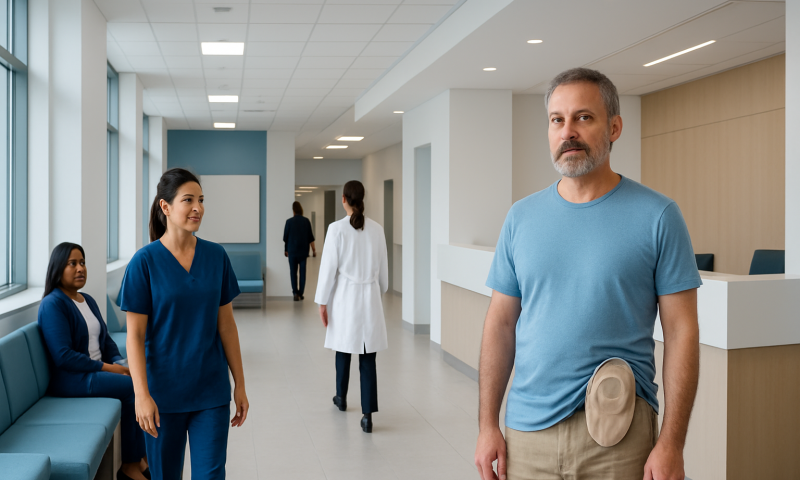
A colostomy is a surgical procedure that brings part of the large intestine, or colon, to the surface of the abdomen so stool can leave the body through a stoma. The stoma is the visible, moist opening on the skin, and it connects to a pouching system that collects waste.
For some people, a colostomy is planned in advance because of a known bowel condition. For others, it is created during urgent surgery, such as after injury or bowel obstruction. The change can feel substantial at first, yet many people find that day-to-day life becomes manageable once they understand the routine and receive practical teaching.
The bowel section used for the colostomy and the reason for surgery determine many details of care. Some colostomies are temporary and later reversed, while others are permanent. The surgical team usually explains what to expect before and after the operation, including how the stoma may look, how output may change, and what follow-up will be needed once the person is home or back in their own country.
Symptoms and What the Stoma Looks Like

A colostomy itself is not a disease, but it does come with visible and practical changes that people notice soon after surgery. The stoma is normally pink to red, moist, and slightly raised. It should not have pain when touched, because it does not contain the same nerve endings as normal skin.
In the early healing phase, the stoma may appear swollen and the output may be looser or more frequent. Over time, the bowel usually settles into a more predictable pattern. The pouch should fit well against the skin, and the surrounding area should stay comfortable and intact.
- Common early observations include swelling, mild bleeding from the stoma surface, and changes in stool consistency.
- Skin redness, leakage, persistent pain, or darkening of the stoma are not expected and should be assessed.
- People may also notice gas, odor, or changes in output related to diet and healing.
Emotional reactions are common as well. Some people feel relieved that the bowel problem has been treated, while others need time to adjust to the new routine and body image changes. Both responses are normal and deserve support.
Causes and Risk Factors

Colostomies are created when stool needs a new route out of the body. This may happen because of colorectal cancer, inflammatory bowel disease, diverticulitis with complications, bowel injury, congenital conditions, or a blocked or damaged bowel. In some cases, a colostomy is part of a larger operation to remove diseased tissue and allow healing.
Risk factors are usually tied to the condition being treated rather than the colostomy itself. For example, people with longstanding bowel disease, prior abdominal surgery, pelvic radiation, or a tumor affecting the colon or rectum may be more likely to need bowel diversion at some stage. Emergency surgery may also make a colostomy necessary if the bowel cannot safely be connected right away.
Because the reasons vary so widely, the discussion before surgery is important. A surgeon can explain whether the colostomy is intended as a bridge to another operation, a temporary solution during healing, or a permanent change in bowel function.
Diagnosis and Preoperative Planning
The need for a colostomy is usually identified after a medical evaluation that includes symptoms, imaging, endoscopy, blood work, and sometimes a biopsy. The exact tests depend on the suspected problem. The decision for surgery is based on whether the bowel is blocked, inflamed, damaged, or needs to rest after a larger procedure.
Before surgery, patients often meet with the surgical team and a stoma nurse or ostomy nurse. This visit may include marking the best location for the stoma, reviewing pouch options, and discussing how clothing, travel, bathing, and activity may be affected. When care is arranged from another country, it is especially helpful to confirm what supplies will be needed after discharge and how follow-up will be coordinated at home.
Planning also includes nutrition, medications, and recovery logistics. The team may review blood thinners, diabetes medicines, or other prescriptions, and may recommend a bowel preparation depending on the procedure. Clear instructions before admission help reduce confusion once surgery is complete.
Treatment Options
“Treatment” for colostomy focuses on both the surgery that creates it and the ongoing care that follows. During the operation, the surgeon brings a section of colon through the abdominal wall and creates the stoma. The bowel may be connected in a way that allows stool to pass continuously into the pouch, and the approach depends on the disease and the surgical plan.
After surgery, the care team helps with pain control, movement, wound care, and pouch management. Learning to empty and change the pouch is a key part of recovery. Many people start with hands-on teaching in the hospital, then continue practicing with family support or home nursing if available.
Longer-term treatment is individualized. Some people live with a colostomy for years and use standard appliances successfully. Others later have a reversal operation if the bowel has healed and the surgeon determines that normal reconnection is safe. In situations where the colostomy is permanent, follow-up focuses on skin health, appliance fit, nutrition, and quality of life.
- Pouch systems may be one-piece or two-piece.
- Skin barriers help protect the skin from stool and moisture.
- Convex products, belts, or accessories may be recommended if the stoma contour requires them.
- Reversal, if possible, is discussed only after the underlying condition has stabilized.
Prevention and Self-care
A person cannot always prevent a colostomy, because it is often created to treat a serious bowel problem. What can be prevented, however, are many of the common day-to-day difficulties that make life with a stoma more stressful. Good self-care begins with learning the pouching routine that fits the shape of the abdomen and the pattern of output.
Skin care around the stoma matters. The skin should be kept clean and dry, and the appliance opening should fit closely without rubbing the stoma itself. If stool leaks under the barrier, the skin can become irritated, so it is worth addressing fit problems early rather than waiting for them to worsen.
Diet and hydration may need some adjustment, especially in the weeks after surgery. Many people do better by introducing foods gradually and noticing which items cause gas, blockage, or loose output. Regular drinking is important, particularly if output becomes more liquid than expected. The surgical team or stoma nurse can suggest practical adjustments that match the person’s normal eating habits and travel plans.
Helpful self-care habits often include:
- Checking the pouch before it becomes overly full.
- Measuring the stoma during the first weeks if swelling changes the size.
- Keeping spare supplies available when away from home.
- Planning follow-up appointments before international travel or relocation.
Recovery, Daily Life, and International Follow-up
Recovery after a colostomy is not only about the incision healing. It also involves learning how the body’s new routine works, which can take time and repetition. Early fatigue is common, and activity usually returns gradually under the guidance of the surgical team.
Many people return to work, exercise, bathing, social events, and travel with a colostomy. The practical challenge is usually not the operation itself, but building confidence with pouch changes, supply management, and planning for unexpected situations. A small travel kit, written care instructions, and clear contact details for the care team can make the transition smoother.
For international patients, continuity matters. If surgery is performed abroad, the discharge plan should include a summary of the operation, stoma type, product recommendations, and signs that require medical review. Acibadem Health Point’s multidisciplinary specialists and JCI-accredited hospitals diagnose and treat colostomy-related conditions for international patients, with coordination that can support the next steps after return home.
When to See a Doctor
Medical review is important if the stoma or pouching system stops working as expected, because small problems can become larger ones if ignored. People should contact a doctor or stoma nurse if the skin around the stoma becomes persistently sore, if the pouch leaks repeatedly, or if the stoma changes shape in a noticeable way.
Prompt attention is also needed if there is no output for an unusual period, if the stool pattern changes suddenly, or if the person develops vomiting, abdominal swelling, fever, or significant pain. A stoma that turns dark, pale, or very dry should be assessed urgently.
Routine follow-up remains valuable even when everything seems stable. Regular reviews help fine-tune pouch fit, identify hernias or irritation early, and support nutrition, recovery, and emotional adjustment. If a person is recovering away from the original surgical team, arranging local follow-up can reduce uncertainty and keep care consistent.
Frequently asked questions
Is a colostomy always permanent?
No. Some colostomies are temporary and are later reversed once the bowel has healed or the underlying condition has improved. Others are permanent when reconnection is not safe or would not provide good function.
What does a normal stoma look like?
A healthy stoma is usually pink to red, moist, and slightly raised. It may swell in the early period after surgery, but it should not become dark, very pale, or severely painful.
Can someone eat normally after a colostomy?
Many people return to a fairly normal diet, but they often need to reintroduce foods gradually and pay attention to gas, odor, blockage, or loose output. A stoma nurse or dietitian can help with practical adjustments based on individual tolerance.
How often does the pouch need to be changed?
That depends on the type of pouching system, output, skin condition, and personal routine. Some pouches are emptied several times a day and changed every few days, but the exact schedule should follow the care team’s advice and the product instructions.
Can people travel with a colostomy?
Yes, many people travel successfully with a colostomy once they have recovered and know how to manage supplies. It helps to carry extra materials, keep care instructions available, and plan follow-up if there is any concern during or after the trip.
When should medical help be sought after surgery?
Medical help should be sought for severe pain, fever, vomiting, abdominal swelling, a stoma that changes color, or ongoing leakage and skin damage. These signs do not always mean something serious, but they should be checked without delay.
References
- World Health Organization
- American Cancer Society
- NHS
- United Ostomy Associations of America
- Cleveland Clinic
This article is for general information only and is not a substitute for professional medical advice. Please consult a qualified doctor about your individual situation.