How to Stretch Your Lower Back

Key Takeaways
- Gentle, controlled stretches are usually safer than aggressive movements for a tight lower back.
- Warm muscles respond better, so light walking or heat may help before stretching.
- Stretching should never increase sharp pain, numbness, or leg weakness.
- Back pain that follows injury or comes with neurologic symptoms needs medical evaluation.
- Good posture, regular movement, and core support often matter as much as stretching.
Medically reviewed by the Acıbadem clinical team — August 19, 2026
Lower back stretching can help ease stiffness, improve mobility, and support recovery when used gently and consistently. The best approach is to match the stretch to the person’s symptoms, avoid forcing movement, and seek medical advice if pain is severe, persistent, or unusual.
Overview
A stiff lower back is often less about one single tight muscle and more about a mixture of factors: long hours of sitting, sudden lifting, poor sleep positions, stress, or a flare of an underlying spine or muscle problem. For many people, gentle stretching can be one useful part of recovery, especially when the goal is to restore comfortable movement rather than to “push through” discomfort.
Lower back stretching works best when it is treated as a calm, short routine rather than a workout. The movement should feel controlled and breathable. If a person is planning care from another country, it can help to think of stretching as a bridge between daily self-care and a professional evaluation when symptoms do not settle as expected.
There is no single perfect stretch for everyone. The right choice depends on whether the back feels tight, irritated, or unstable, and whether pain stays in the back or travels into the leg. A careful approach usually gives better results than a fast one.
Symptoms
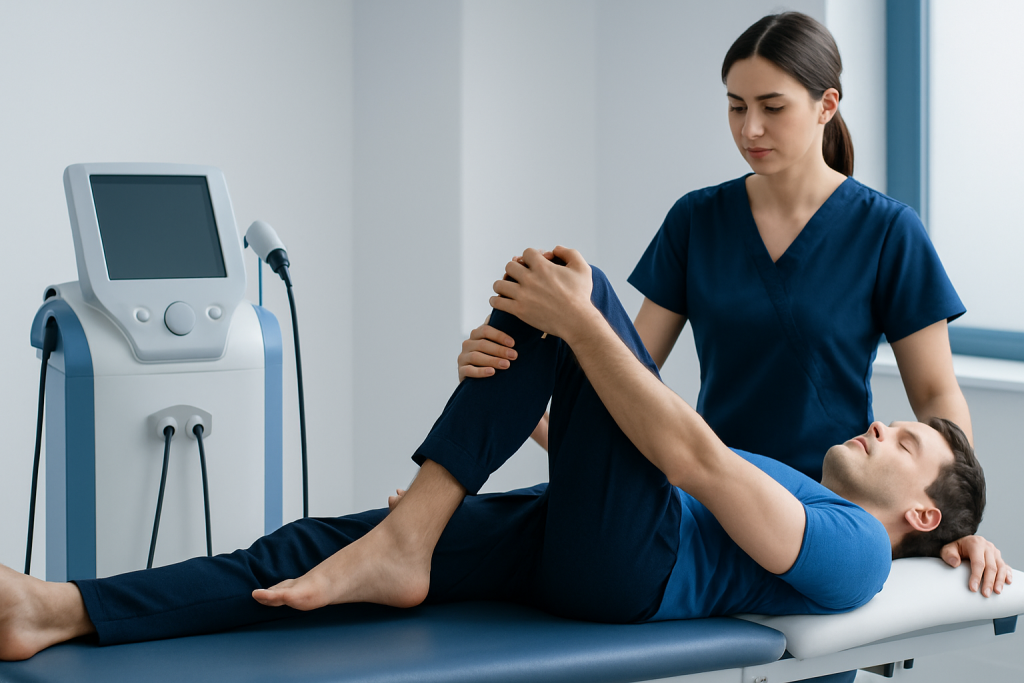
People often describe lower back tightness as a pulling, stiff, or cramped feeling when bending, standing up, or turning in bed. Some notice that the area loosens after walking a little or after a warm shower, while others feel a dull ache that returns after sitting too long.
Simple muscular stiffness may improve with gentle movement and rest between activities. In contrast, pain that shoots down the buttock or leg, causes numbness, or makes one side feel weak suggests that the issue may involve a nerve and should not be treated as ordinary tightness.
Useful clues include whether the discomfort changes with position, whether it started after lifting or exercise, and whether it is improving day by day. These details help a clinician decide whether stretching is appropriate or whether another plan is needed.
Causes & Risk Factors

Lower back stiffness often develops when the muscles and supporting tissues are asked to do more than they are ready for. Common triggers include prolonged sitting, repetitive bending, poor lifting mechanics, sudden sports activity, or a day spent traveling with limited movement. Even stress can make the muscles around the spine tighten and feel less flexible.
Age-related wear, disc problems, arthritis, and past back injuries can also make the lower back more reactive. In some people, pain is linked to weak core and hip muscles, which places extra strain on the lumbar area during ordinary tasks.
- Long periods of sitting or driving
- Sudden increase in physical activity
- Heavy lifting or awkward twisting
- Poor sleep setup or unsupportive seating
- Previous back injury or recurrent strain
- Reduced hip and core mobility
For travelers or international patients, long flights and unfamiliar beds can temporarily aggravate stiffness. That does not automatically mean something serious is happening, but persistent or recurring pain deserves proper assessment rather than repeated self-treatment alone.
Diagnosis
Most back pain assessments begin with a detailed history and a physical examination. A doctor will usually ask when the pain started, what makes it better or worse, whether it travels into the leg, and whether there has been an injury, fever, weight loss, or change in bladder or bowel function. These questions help separate simple strain from conditions that need more attention.
Imaging is not always necessary for a straightforward episode of stiffness. In many cases, stretching and activity changes are recommended first because early scans often do not change treatment. If symptoms are severe, persistent, or suggest nerve involvement, a clinician may consider X-rays, MRI, or other tests.
For people arranging care from abroad, bringing any prior imaging reports, medication lists, or physiotherapy notes can make the evaluation smoother. It also helps the specialist compare current symptoms with any earlier problem patterns.
Treatment Options
Stretching is only one part of a sensible lower back plan. Gentle mobility work may be paired with walking, posture changes, heat, physiotherapy, and gradual strengthening of the core and hips. The aim is to reduce guarding in the muscles while helping the spine tolerate daily activity again.
Useful lower back stretches usually stay within a comfortable range. Common examples include knee-to-chest movements, pelvic tilts, child’s pose variations, and gentle hamstring or hip flexor stretches. Each should be slow, steady, and stopped if the pain becomes sharp or spreads.
People often do better when they start with a warm-up, hold stretches briefly, and repeat them without forcing depth. If a stretch creates more pain afterward, it may not be the right choice for that moment. A physiotherapist can personalize the routine, especially for those recovering after injury or surgery.
Medication, if needed, should be discussed with a clinician rather than added casually. Depending on the cause, some people may need short-term pain relief, guided rehabilitation, or treatment for an underlying spinal condition instead of stretching alone.
Prevention & Self-care
The most practical prevention strategy is not a perfect posture; it is regular movement. Standing up, changing position, and taking short walking breaks throughout the day often protect the back better than sitting still for long stretches and then doing one intense workout.
Back-friendly habits include keeping objects close when lifting, avoiding sudden twisting, and building up activity gradually after illness, travel, or time off exercise. Sleep support matters too: a pillow arrangement that keeps the spine neutral can make mornings feel much easier.
At home, heat may relax tense muscles, while gentle breathing can reduce bracing around the spine. If a person is returning to exercise after a flare, the safest pace is often slow and steady, with attention to how the back responds over the next 24 hours.
- Move a little every day, even during busy travel schedules
- Use controlled stretching instead of bouncing or forcing range
- Strengthen the core and hips once the pain calms
- Keep screen and desk setups from encouraging slumping
- Stop and reassess if symptoms become more intense
When to See a Doctor
Medical advice is important if lower back pain follows a fall, lift, or other injury and does not quickly ease. It is also wise to seek assessment when pain lasts more than a short period, keeps returning, or interferes with sleep, walking, or ordinary tasks.
Urgent review is needed if back pain is accompanied by leg weakness, numbness in the groin area, loss of bladder or bowel control, fever, unexplained weight loss, or severe pain that does not change with rest. These symptoms do not always mean a serious condition, but they do need prompt attention.
For international patients, it can be helpful to arrange evaluation before symptoms become disruptive to travel plans or daily work. If a multidisciplinary opinion is needed, Acibadem Health Point’s specialists and JCI-accredited hospitals can diagnose and treat back conditions for international patients in a coordinated way.
Frequently asked questions
How should a person start stretching a tight lower back safely?
A good start is with gentle movement after a short warm-up, such as walking around the room for a few minutes. The stretch should feel mild and controlled, not sharp or forced. If the back feels worse afterward, the routine should be scaled back and reviewed with a clinician or physiotherapist.
Is it better to stretch or rest when the lower back hurts?
Brief rest can help during a painful flare, but too much rest often makes stiffness worse. Many people recover better with light activity and gentle stretching as tolerated. The key is to avoid movements that clearly increase pain or cause symptoms to spread.
Which stretches are commonly used for lower back tightness?
Common options include knee-to-chest stretches, pelvic tilts, child’s pose variations, and gentle hamstring or hip flexor stretches. These are usually done slowly and within a comfortable range. A professional can suggest the best option based on the cause of the pain.
Can stretching make back pain worse?
Yes, if the stretch is too forceful or if the pain is caused by an injury, nerve irritation, or another condition that needs different treatment. Stretching should never create shooting pain, numbness, or weakness. If that happens, the person should stop and seek medical advice.
How long does it take for a strained lower back to improve?
Mild strain often improves gradually over days to a few weeks with sensible movement and self-care. Recovery depends on the cause, overall health, and how the back is used during healing. If symptoms are not improving, a medical assessment is a good next step.
When is imaging needed for lower back pain?
Imaging is usually reserved for cases with severe symptoms, suspected nerve problems, trauma, or pain that does not improve as expected. A doctor decides this based on the history and examination. For many people, imaging is not the first step because it may not change early treatment.
References
- National Institute of Neurological Disorders and Stroke
- American Academy of Orthopaedic Surgeons
- NHS
- World Health Organization
- Mayo Clinic
This article is for general information only and is not a substitute for professional medical advice. Please consult a qualified doctor about your individual situation.
Joint and spine care in Turkey — expert assessment & treatment
JCI-accredited · board-certified surgeons · reply within 24h
Add us as a Preferred Source to see more of our trusted health content across Google Search, AI Overviews and Discover.
More from the Health Library



Related Specialists

Fzt. Elif Tokgöz Nizam
Physical Medicine & Rehabilitation
Fzt. Gizem Aydın
Physical Medicine & Rehabilitation
Dr. Safiye Sayilir
Physical Medicine & Rehabilitation
Dr. Özgün Barış Çolak
Physical Medicine & Rehabilitation