

Pelvic Tilts

Key Takeaways
- Pelvic tilts are low-impact exercises that can help improve pelvic control and spinal mobility.
- They are commonly used in rehabilitation plans for back discomfort, posture training, and postpartum recovery.
- Correct form matters more than repetition; the movement should feel gentle and controlled.
- People with persistent pain, recent surgery, or pregnancy-related concerns should ask a clinician before starting.
- Pelvic tilts are one part of care and work best alongside broader movement, strength, and posture habits.
Pelvic tilts are gentle movements often used in rehabilitation to improve awareness, mobility, and support around the pelvis and lower back. They are simple to learn, but the best results come from doing them with correct technique and guidance when pain, pregnancy, or recovery is involved.
Overview
Pelvic tilts are small, deliberate movements that encourage the lower back and pelvis to move in a controlled way. Although the exercise looks simple, it can be useful for teaching the body how to find a more comfortable position, especially when stiffness, weak core muscles, or prolonged sitting have made the lower back feel overworked.
In rehabilitation settings, pelvic tilts are often introduced early because they are easy to adapt. They can be done lying down, standing, or with support from a clinician, which makes them practical for people recovering at home, traveling after treatment, or easing back into exercise after a period of rest.
The goal is not force or large range of motion. Instead, pelvic tilts focus on awareness, gentle activation, and coordinated breathing. When used appropriately, they can become a foundation for more advanced strengthening and mobility work.
Symptoms and Common Reasons People Try Pelvic Tilts
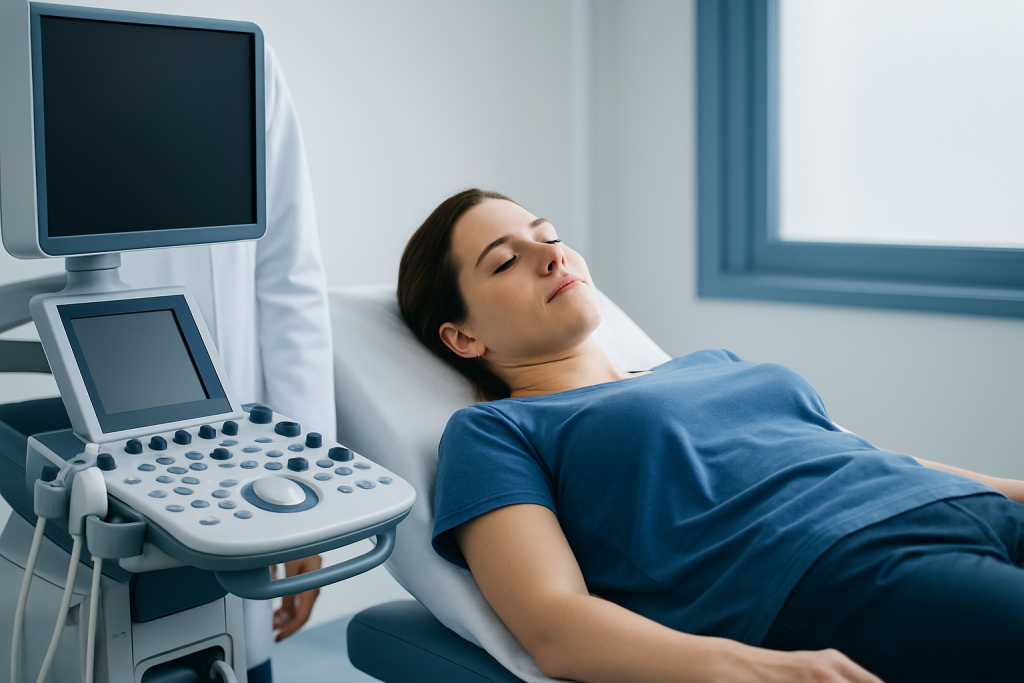
People usually begin pelvic tilts because something in the lower back, hips, or pelvis feels stiff, sensitive, or hard to control. The exercise is often suggested when a person notices that sitting for long periods, standing for long periods, or returning to movement after inactivity makes the back feel tighter.
Pelvic tilts may also be included in care plans for people who feel that their posture has become more rigid or that they struggle to gently engage the muscles that support the trunk. In postpartum recovery, they can be used to reconnect with deep abdominal and pelvic floor awareness, though the timing should be individualized by a clinician.
- Low back stiffness or mild mechanical discomfort
- Postural strain from prolonged sitting or desk work
- Core re-education after inactivity or injury
- Gentle movement during pregnancy or after delivery, when approved
- Supportive exercise in broader physiotherapy programs
If pain is sharp, worsening, or accompanied by numbness, weakness, or changes in bladder or bowel function, the issue needs medical assessment rather than self-directed exercise alone.
Causes and Risk Factors
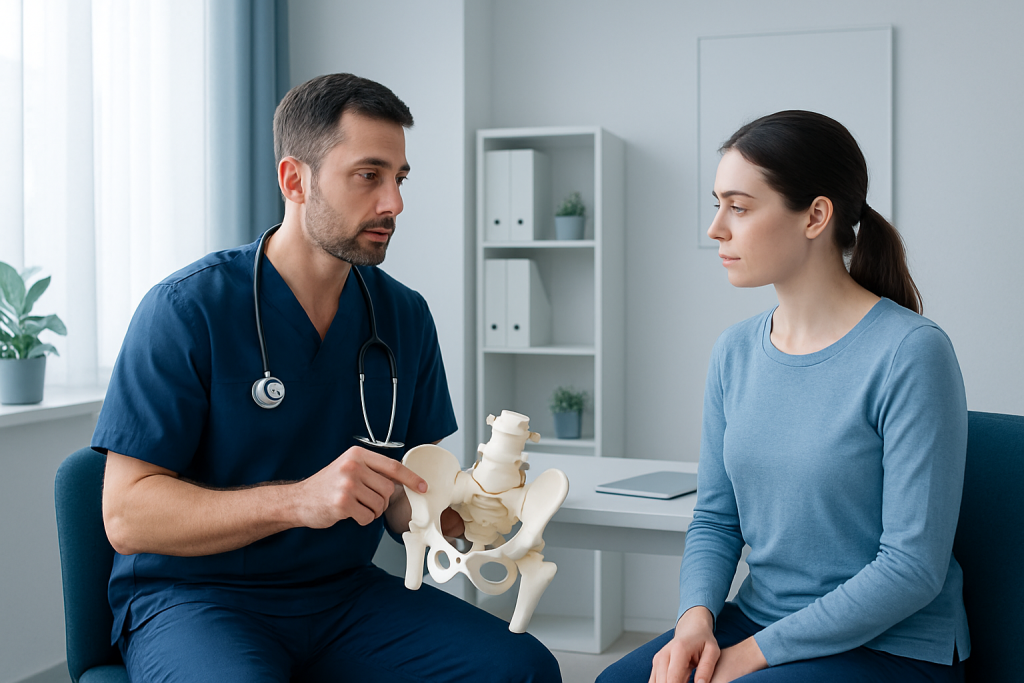
Pelvic tilts are not a treatment for one single condition. They are used because several common everyday factors can reduce healthy movement around the pelvis and spine. A person who sits for long hours may develop tight hip flexors and reduced trunk control, while someone recovering from pain may move cautiously and begin to brace or stiffen through the lower back.
After pregnancy, abdominal muscles and the pelvic floor may need time and guidance to regain coordination. After minor strains or periods of reduced activity, the body can lose the smooth rhythm between the abdomen, pelvis, and spine. Pelvic tilts help reintroduce that rhythm in a low-load way.
Risk factors for needing this type of rehabilitation exercise often include sedentary routines, previous episodes of back pain, weak core endurance, recent childbirth, or long travel that limits movement. For some international patients, long flights and disrupted sleep can make the lower back feel especially sensitive, which is why simple, safe exercises may be part of a recovery plan during travel and after arrival.
Diagnosis and Assessment
Pelvic tilts themselves do not require a formal diagnosis, but the reasons for using them often do. A physiotherapist, rehabilitation specialist, or physician will usually ask about where the discomfort is located, what makes it better or worse, and whether there are signs that point to a muscle, joint, nerve, or pregnancy-related issue.
Assessment may include posture review, movement testing, and a discussion of daily habits such as sitting time, lifting, work demands, and exercise history. The clinician may also check abdominal and pelvic muscle control, hip mobility, and whether the person can perform the movement without holding the breath or over-arching the lower back.
In some cases, additional imaging or medical tests are needed, but often the most useful information comes from a careful history and physical examination. That approach helps determine whether pelvic tilts are appropriate and how they should be modified.
Treatment Options
Pelvic tilts are usually part of a broader rehabilitation strategy rather than a stand-alone solution. A clinician may use them to improve awareness of the pelvis and then gradually progress to exercises that build endurance, mobility, and functional strength. The exact sequence depends on the person’s symptoms and goals.
Common positions include lying on the back with knees bent, standing with support, or performing a gentle rocking motion on hands and knees. The movement is typically small: the person either flattens the lower back slightly toward the floor or tilts the pelvis to reduce or increase the arch of the spine under controlled guidance.
- Breathing coordination to avoid unnecessary tension
- Gentle abdominal engagement without straining
- Progression to glute, hip, and trunk strengthening
- Stretching for tight hips or the lower back when suitable
- Posture and movement coaching for work, travel, and daily activities
For people with ongoing pain, treatment may also include manual therapy, activity modification, ergonomic advice, and a supervised home program. When pelvic tilts are used after delivery or after another medical procedure, timing and exercise intensity should be guided by a qualified clinician.
How to Perform a Pelvic Tilt Safely
A simple starting version is done lying on the back with knees bent and feet flat on the floor. The person is asked to relax the shoulders, breathe normally, and gently flatten the lower back toward the floor by slightly tilting the pelvis. After a brief pause, the pelvis returns to neutral without forcing the spine into a big arch or pressing too hard.
The movement should feel smooth and controlled. If the person notices breath-holding, neck tension, or pain in the back, hips, or abdomen, the motion is likely too forceful or the starting position may need adjustment. For some people, practicing in front of a mirror or with a physiotherapist’s verbal cues helps build confidence and accuracy.
Useful reminders include keeping the movement small, moving slowly, and stopping if symptoms increase. The exercise should never be used to “push through” sharp pain. A clinician may recommend a different starting position or a modified range if there is pelvic pain, pregnancy-related discomfort, or a history of spinal issues.
Prevention and Self-care
Pelvic tilts can support prevention when they are paired with healthy daily habits. The most helpful approach is usually to reduce long periods of stillness, vary positions during the day, and build enough trunk and hip strength to support ordinary tasks such as lifting, walking, and sitting comfortably.
Self-care often includes short movement breaks, attention to desk and travel posture, and gradual return to exercise after illness, surgery, or childbirth. A supportive chair, properly adjusted screen height, and regular walking can all reduce the sense that the lower back is carrying too much of the workload.
People recovering in another country sometimes benefit from a simple, portable routine that can be done in a hotel room or between appointments. Pelvic tilts fit well into that setting because they do not require equipment, but they should still be matched to the person’s medical situation and any advice given by the treating team. Acibadem Health Point’s multidisciplinary specialists and JCI-accredited hospitals can diagnose and treat this condition for international patients when more structured rehabilitation is needed.
When to See a Doctor
Medical evaluation is important if pelvic discomfort or back pain is persistent, returning often, or limiting normal activities. It is also wise to seek care if the exercise causes symptoms to worsen instead of settle, or if there is uncertainty about whether the movement is safe after surgery, during pregnancy, or after delivery.
Prompt assessment is especially important when pain comes with numbness, weakness, fever, unexplained weight loss, trouble walking, or bladder or bowel changes. These features do not automatically mean a serious problem, but they do need a clinician’s attention.
For people traveling for care, a pre-arranged rehabilitation plan can make follow-up smoother and safer. A qualified doctor or physiotherapist can confirm the diagnosis, tailor the exercise plan, and advise when to progress, pause, or switch to a different approach.
Frequently asked questions
What are pelvic tilts used for?
Pelvic tilts are commonly used to improve awareness and control of the pelvis and lower back. They may help with gentle mobility, posture training, and early rehabilitation after periods of stiffness or inactivity.
Can pelvic tilts help with low back pain?
They may help some people with mild mechanical low back discomfort, especially when the pain is related to stiffness or poor trunk control. They are not suitable for every cause of back pain, so persistent or severe symptoms should be assessed by a doctor.
How often should pelvic tilts be done?
That depends on the person’s condition, goals, and tolerance. A physiotherapist or doctor can suggest a safe starting frequency and adjust it based on comfort and progress.
Are pelvic tilts safe during pregnancy?
They can be safe for many pregnant people when approved by a healthcare professional and performed gently. Because every pregnancy is different, it is best to ask the obstetric team before starting any exercise program.
Do pelvic tilts strengthen the core?
They can help activate the deep abdominal muscles and improve coordination, which is a useful first step in core rehabilitation. For lasting strength, they are usually combined with other exercises that build endurance and functional support.
What should a person do if pelvic tilts cause pain?
The exercise should be stopped if it causes pain rather than mild effort or stretching. A clinician can check technique and decide whether a different position, smaller movement, or another exercise is more appropriate.
References
- National Institute of Arthritis and Musculoskeletal and Skin Diseases
- American Physical Therapy Association
- NHS
- Mayo Clinic
- World Health Organization
This article is for general information only and is not a substitute for professional medical advice. Please consult a qualified doctor about your individual situation.
More from the Health Library


Related Specialists

Dr. Safiye Sayilir
Physical Medicine & Rehabilitation
Dr. Özgün Barış Çolak
Physical Medicine & Rehabilitation
Prof. Dr. Meltem Vural
Physical Medicine & Rehabilitation
Prof. Dr. Meral Bayramoğlu
Physical Medicine & Rehabilitation