

Back Stretches

Key Takeaways
- Back stretches may help reduce stiffness and improve movement, but they should never increase pain sharply.
- A good routine usually combines stretching with posture awareness, strengthening, and regular movement breaks.
- People with recent injury, nerve symptoms, or severe pain should seek medical advice before starting exercises.
- Consistency matters more than intensity; gentle, repeated stretching is often more useful than forcing range.
- Safe back care can be adapted for travel, work, and recovery after treatment or inactivity.
Back stretches are gentle movements that can help ease stiffness, support flexibility, and make everyday movement feel easier. They work best when matched to the person’s symptoms, posture habits, and overall physical condition.
Overview
Back stretches are simple movements designed to keep the muscles, ligaments, and joints of the spine from becoming overly tight. For many people, especially those who sit for long periods, travel frequently, or wake up with a stiff back, stretching can be a practical way to restore comfort and movement.
These exercises are not a cure for every type of back pain, and they are not meant to replace a medical evaluation when symptoms are persistent or severe. Still, when chosen well and performed gently, back stretches can be part of a broader plan that helps the body move more freely during work, recovery, and everyday life.
In international care settings, stretching is often discussed alongside rehabilitation plans, imaging results, and follow-up needs after treatment. That broader view matters because the right exercise approach depends on the reason the back feels tight in the first place.
Symptoms That May Improve With Stretching
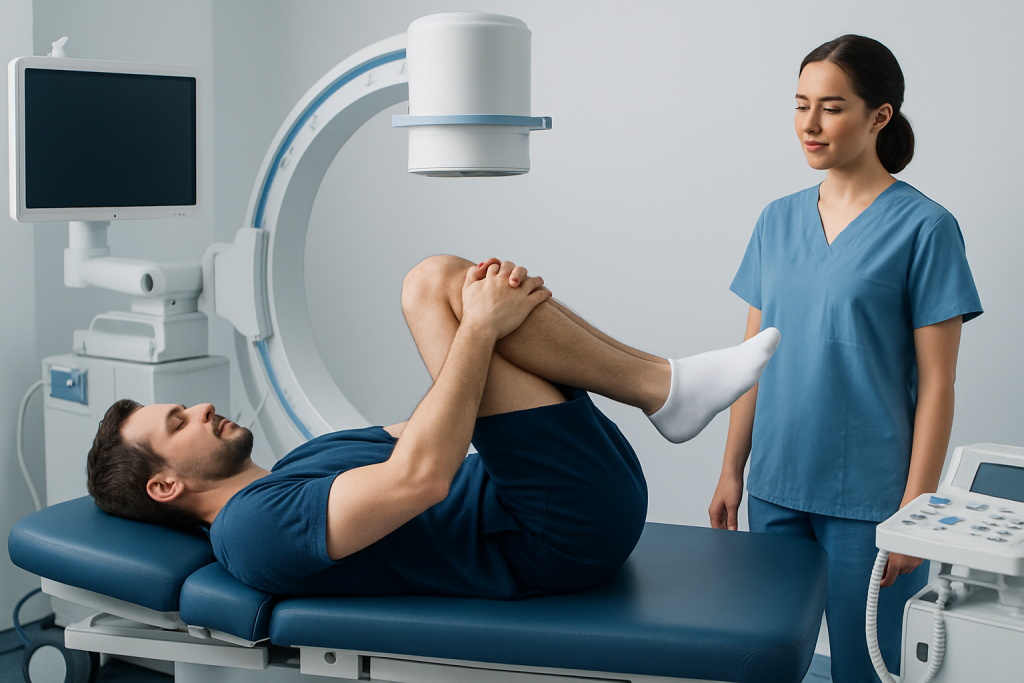
Back stretches are often used when the main complaint is stiffness rather than sharp or sudden pain. People may notice difficulty bending forward, turning the torso, getting out of bed, or sitting comfortably for long periods. Some also describe a feeling of tightness across the lower back, between the shoulder blades, or around the hips.
Stretching may be especially helpful when discomfort is related to prolonged sitting, limited movement, muscle tension, or mild overuse. It may also support recovery after a quiet period, such as long-distance travel, office work, or time spent lying down because of an unrelated illness.
Common situations that may respond well to gentle stretching include:
- Morning stiffness that improves with movement
- Tightness after driving, flying, or desk work
- Reduced flexibility after inactivity
- Mild muscle soreness from everyday strain
If back symptoms include numbness, weakness, pain spreading down the leg, or problems with bladder or bowel control, stretching should not be the first step. Those symptoms need medical assessment rather than self-treatment.
Causes & Risk Factors
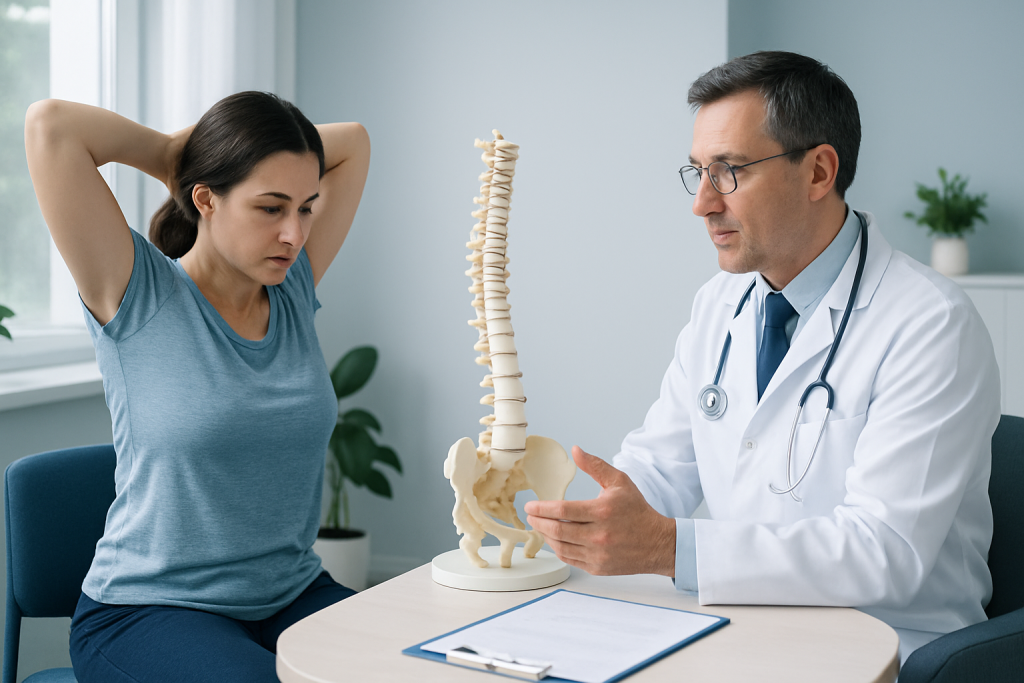
Back tightness often develops when muscles work harder than usual or when the spine stays in one position for too long. Poor posture, repetitive lifting, weak core muscles, stress, and sudden changes in activity level can all contribute. Even a comfortable chair or hotel bed may leave the back feeling stiff if the body is not used to it.
Several everyday factors can increase the chance of back discomfort:
- Long hours of sitting or standing in one place
- Lifting with twisting movements
- Limited hip or hamstring flexibility
- Weakness in the abdominal, gluteal, or back muscles
- Carrying heavy bags or luggage
- Stress, which can increase muscle tension
Not every back problem is muscular. Disc problems, arthritis, inflammatory conditions, fractures, and nerve irritation can also cause pain or stiffness. For that reason, the cause should be considered before choosing stretches, especially if the symptoms began after trauma, came on suddenly, or are changing over time.
Diagnosis
There is no single test for “tight back muscles.” Instead, a clinician usually starts with a history of symptoms and a physical examination. The doctor may ask when the pain began, where it is located, what makes it better or worse, and whether there are symptoms in the legs or other parts of the body.
During the examination, the clinician may look at posture, walking pattern, spinal movement, muscle tenderness, and nerve function. This helps separate ordinary stiffness from problems that need imaging, medication, targeted rehabilitation, or other treatment.
In some cases, tests such as X-rays, MRI, or blood work may be recommended. These are not routine for every sore back, but they can be important when symptoms are persistent, severe, unexplained, or associated with other medical concerns. For international patients, this step is often coordinated with clear explanation, so the next phase of care can continue smoothly after returning home.
Treatment Options
Back stretches are usually only one part of treatment. Many people do best with a combination of gentle movement, posture changes, strengthening exercises, and short-term symptom relief measures. The exact plan depends on whether the issue is muscular strain, stiffness, nerve irritation, or another condition.
A physical therapist or rehabilitation specialist may suggest stretches such as knee-to-chest movements, gentle spinal rotation, pelvic tilts, cat-cow motions, or supported hamstring and hip stretches. These are typically introduced gradually, with attention to breathing, alignment, and comfort. The goal is to improve movement without provoking symptoms.
Other treatment approaches may include:
- Heat or cold for short-term comfort
- Manual therapy or supervised rehabilitation
- Activity modification rather than strict bed rest
- Strengthening of core and hip muscles
- Evaluation and treatment of the underlying cause, if present
People should avoid aggressive stretching, especially if a movement causes sharp pain, worsening leg symptoms, or a sensation of instability. A tailored plan is usually safer and more effective than copying routines found online without medical guidance.
Prevention & Self-care
Preventing back stiffness often starts with small habits repeated throughout the day. Regular movement breaks are especially useful for people who work at a computer or spend long hours traveling. Even brief standing, walking, or gentle mobility work can help reduce the buildup of tightness.
Self-care ideas that often support a healthier back include:
- Changing positions every 30 to 60 minutes
- Using a chair that supports a neutral posture
- Keeping luggage and bags manageable in weight
- Warming up before exercise or lifting
- Staying active with walking or approved low-impact exercise
- Practicing stretches slowly, without bouncing
Breathing matters too. When the body is tense, the back muscles often tighten as part of a broader stress response. Slow breathing during stretching may make the movement feel easier and more controlled. For patients recovering away from home, it can also help to keep a written exercise plan and follow-up schedule so progress is easier to maintain across time zones and travel.
When to See a Doctor
Medical advice is important when back pain is severe, lasts longer than expected, or keeps returning despite home care. A doctor should also be contacted if the pain follows a fall, accident, or other injury, or if it appears with fever, unexplained weight loss, or a general feeling of being unwell.
Back symptoms need prompt assessment if there is numbness, weakness, pain that travels down the leg, difficulty walking, or changes in bladder or bowel control. These signs may indicate nerve involvement or another condition that should not be managed with stretching alone.
People planning travel for diagnosis or rehabilitation may benefit from having the cause clearly identified before leaving. Acibadem Health Point’s multidisciplinary specialists and JCI-accredited hospitals diagnose and treat back-related conditions for international patients, which can make it easier to coordinate imaging, treatment, and follow-up in one pathway of care.
A Practical Way to Start
A sensible stretching routine begins with gentle motions and a realistic schedule. The most useful plan is one a person can repeat consistently, even on busy workdays or during recovery. A few minutes done well is usually better than a long session performed too forcefully.
It also helps to pair stretching with everyday movement goals. Walking, standing up often, and paying attention to how the back feels during routine tasks can reveal patterns that make stiffness worse. With the right guidance, many people find that back stretches become less of a chore and more of a steady tool for comfort and mobility.
Recovery and Follow-up
Back discomfort often improves in stages rather than all at once. Some days may feel better than others, especially when activity levels change, travel is involved, or work demands increase. That is normal, and it is one reason follow-up can be helpful if symptoms are ongoing.
People who receive treatment abroad may want a plan for continuing exercises at home, along with guidance on when to progress, pause, or return for review. Clear instructions support safer recovery and help make sure the stretching routine remains appropriate if the back’s condition changes over time.
Frequently asked questions
Are back stretches safe for most people?
Back stretches are generally safe when they are gentle and matched to the person’s condition. They should not cause sharp pain, worsening numbness, or leg weakness. If symptoms are severe or unusual, a doctor should evaluate the back before exercises are started.
How often should back stretches be done?
Many people benefit from short, regular sessions rather than occasional intense stretching. The best frequency depends on the reason for the stiffness, daily activity level, and any medical advice already given. A clinician or physical therapist can help choose a routine that fits the person’s needs.
Can stretching make back pain worse?
Yes, if the movement is too forceful or if the pain comes from an injury, nerve irritation, or another underlying condition. Gentle stretching should feel like a controlled pull, not a sharp or increasing pain. If symptoms worsen, the routine should be stopped and reviewed.
What is the difference between stretching and strengthening for back care?
Stretching helps maintain flexibility and reduce stiffness, while strengthening supports the muscles that stabilize the spine and pelvis. Many back care plans include both because they address different parts of movement. A balanced approach is often more helpful than stretching alone.
Should someone with a herniated disc do back stretches?
Not every stretch is appropriate for every disc problem. Some movements may ease symptoms, while others may aggravate them, so guidance from a doctor or physical therapist is important. The safest plan depends on the exact diagnosis and the person’s current symptoms.
When is back pain more than ordinary stiffness?
Back pain deserves medical attention when it is persistent, severe, linked to injury, or accompanied by nerve symptoms such as numbness or weakness. Fever, unexplained weight loss, and bladder or bowel changes also need prompt evaluation. In those cases, stretching alone is not enough.
References
- National Institute of Neurological Disorders and Stroke
- American Academy of Orthopaedic Surgeons
- World Health Organization
- NHS
This article is for general information only and is not a substitute for professional medical advice. Please consult a qualified doctor about your individual situation.
More from the Health Library



Related Specialists

Dr. Safiye Sayilir
Physical Medicine & Rehabilitation
Dr. Özgün Barış Çolak
Physical Medicine & Rehabilitation
Prof. Dr. Meltem Vural
Physical Medicine & Rehabilitation
Prof. Dr. Meral Bayramoğlu
Physical Medicine & Rehabilitation