How to Lower Blood Sugar Levels Quickly and Safely

Key Takeaways
- The safest immediate response depends on the blood sugar reading and how the person feels.
- Water, rest, and checking glucose again can help guide the next step.
- Exercise is not always appropriate if blood sugar is very high or ketones may be present.
- A plan for meals, medications, and monitoring is the best way to prevent repeated spikes.
- Symptoms such as vomiting, confusion, or trouble breathing need urgent medical attention.
High blood sugar can often be improved with calm, practical steps, but the right response depends on how high the level is and whether symptoms are present. This guide explains what people can do right away, what to avoid, and when urgent medical care is needed.
Overview
When blood sugar rises unexpectedly, many people want a fast fix. The reality is a little more measured: some steps can help lower glucose soon, but the safest response depends on how high the number is, whether the person has diabetes, and whether warning signs are present.
High blood sugar, also called hyperglycemia, can happen after a heavy meal, missed medication, illness, stress, or changes in routine. For someone living with diabetes, it can also signal that the current treatment plan needs review. For a traveler managing diabetes far from home, this may feel especially unsettling, but most episodes can be handled calmly when there is a clear plan.
This article focuses on practical, safe actions a person can take right away, plus the signs that mean medical help should not wait. It is not a substitute for personalized advice from a clinician, especially for anyone using insulin, taking multiple diabetes medicines, or recovering from illness.
Symptoms
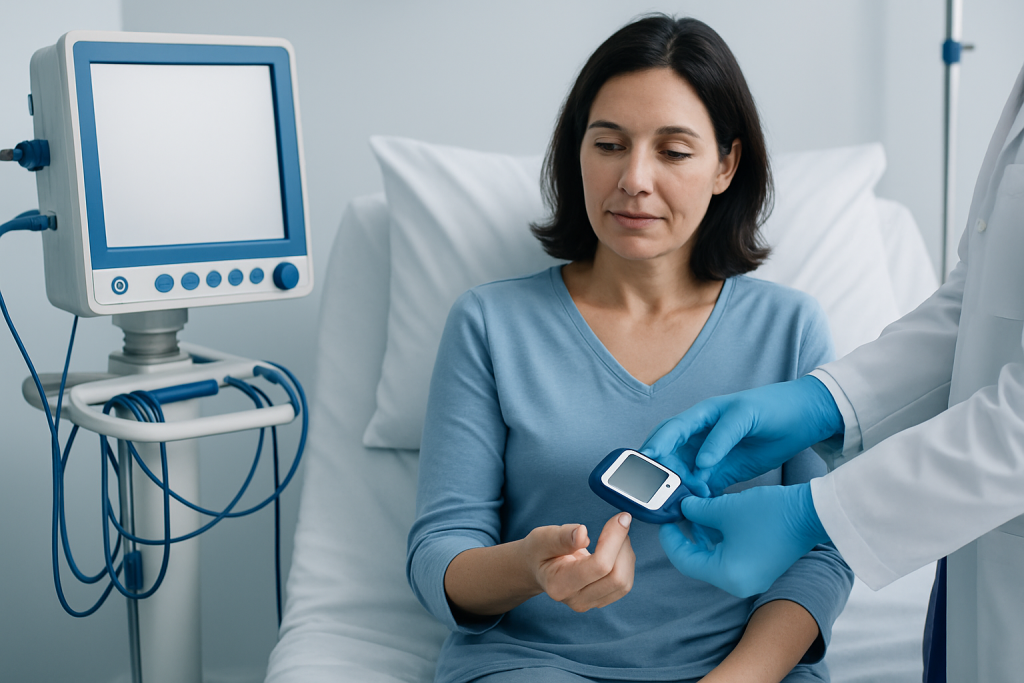
High blood sugar does not always cause noticeable symptoms at first. When it does, common signs include increased thirst, frequent urination, dry mouth, fatigue, blurred vision, and a headache. Some people also feel more irritable or find it harder to focus.
If blood sugar climbs higher, symptoms may become more pronounced. Nausea, abdominal pain, vomiting, deep or rapid breathing, fruity-smelling breath, drowsiness, or confusion can suggest a serious problem and should be treated as urgent. These symptoms are especially important in people with type 1 diabetes, though they can occur in others as well.
It is useful to remember that symptoms do not always match the number on the glucose meter. A person may feel unwell with only a moderately elevated reading, or feel relatively okay despite a very high one. That is why checking the level matters when symptoms appear.
Causes & Risk Factors

Several everyday factors can raise blood sugar. Meals high in refined carbohydrates, missing diabetes medication, taking less insulin than needed, reduced physical activity, emotional stress, poor sleep, and dehydration can all play a part. Illness or infection is another common trigger because the body’s stress response tends to increase glucose.
Some medicines may also push glucose upward, including certain steroids and some treatments used for other conditions. Hormonal changes, menstruation, and changes in routine during travel can make levels less predictable too. Long flights, altered meal timing, and unfamiliar foods can all affect day-to-day diabetes management.
People at greater risk of repeated spikes include those with diabetes who are still learning how their treatment works, those with limited access to monitoring supplies, and those with a history of poor glucose control. A person without diagnosed diabetes can also have high blood sugar, which may be a sign that further evaluation is needed.
Diagnosis
The first step is usually a blood glucose check with a home meter or continuous glucose monitor. If the reading is unexpectedly high, it helps to wash and dry the hands before repeating the test, because food residue can distort the result. When a person is unwell or the glucose is very high, a clinician may also recommend checking ketones.
In a medical setting, the team may assess the current glucose level, hydration status, electrolytes, kidney function, and whether there are signs of infection or diabetic ketoacidosis. For someone who has not been diagnosed with diabetes, repeated high readings may lead to additional tests such as fasting glucose, HbA1c, or an oral glucose tolerance test.
Diagnosis is not only about confirming a number; it is about understanding why the spike happened. That helps the care team decide whether the issue is temporary, such as illness or missed medication, or whether the treatment plan should be adjusted for the longer term.
Treatment Options
There is no single universal way to lower blood sugar immediately. The safest approach depends on the reading and the overall situation, but a few general steps often help. Drinking water can support hydration and may help the body clear excess glucose through the kidneys. Resting and rechecking the blood sugar after a short interval can show whether the level is coming down.
If a person has a prescribed diabetes plan, they should follow the instructions given by their clinician or diabetes team. This may include taking medication as directed, using a correction dose of insulin if that has been specifically recommended, or contacting a clinician for advice. It is important not to improvise with insulin or other medicines if a clear plan has not already been provided.
Exercise can sometimes lower blood sugar, but it is not always the right immediate response. If blood sugar is very high, if the person feels unwell, or if ketones may be present, physical activity can be unsafe. In those situations, medical advice should come first.
- Drink water or another sugar-free fluid if able to do so.
- Recheck glucose after a reasonable interval.
- Take prescribed medication exactly as instructed.
- Avoid alcohol and avoid large additional carbohydrate intake.
- Seek urgent care if severe symptoms are present.
When high blood sugar is linked to illness, dehydration, or infection, treatment must also address the cause. In some cases, a clinician may recommend changes to the diabetes plan, closer monitoring, or hospital-based treatment if the person cannot keep fluids down or appears significantly unwell.
Prevention & Self-care
Prevention starts with understanding patterns. Keeping a simple log of meals, medication timing, activity, stress, sleep, and glucose readings can reveal what tends to trigger spikes. This can be especially useful for international patients who are managing diabetes across different time zones, airports, and meal schedules.
Regular meals, adequate hydration, and consistent medication use are important foundations. Planning ahead for travel, carrying glucose monitoring supplies in hand luggage, and knowing how to store medicines properly can reduce surprises. When routines change, checking glucose more often for a few days may help catch problems early.
Self-care also includes knowing one’s personal thresholds. A person should discuss with a clinician what reading counts as “too high” for them, when to check ketones, and when to call for help. That individualized plan makes future episodes less stressful and more manageable.
When to See a Doctor
A doctor should be contacted promptly if blood sugar stays high despite following the usual diabetes plan, or if repeated spikes are happening without a clear reason. This is especially important for people who are newly diagnosed, recently started on treatment, or adjusting to a new diet or travel schedule.
Urgent medical care is needed if high blood sugar comes with vomiting, severe abdominal pain, confusion, fainting, rapid breathing, signs of dehydration, or ketones in the urine or blood. These symptoms can indicate a dangerous metabolic problem that should not be managed at home.
People without a known diabetes diagnosis should also be evaluated if high readings keep appearing. In some cases, an elevated glucose level is the first sign of diabetes or another condition that needs attention. For international patients who prefer coordinated care, multidisciplinary specialists and JCI-accredited hospitals such as Acibadem Health Point can help diagnose and treat this condition with a structured approach.
Living With Better Control After the Spike
One high reading does not define the whole condition, but it is a useful signal. Reviewing what happened before the spike, what helped, and what did not can make future decisions clearer. Many patients find it reassuring to turn one difficult episode into a practical plan for the next one.
That plan may include nutrition guidance, medication review, education on glucose monitoring, and follow-up testing. For people traveling for care or returning home after treatment, a written summary from the diabetes team can make handover to local clinicians much smoother.
With the right support, blood sugar management becomes less about reacting in panic and more about making informed choices in real time. A qualified doctor or diabetes specialist can help tailor that approach to the person’s health, medication list, and daily life.
Frequently asked questions
What is the fastest safe way to lower blood sugar at home?
The safest immediate steps are usually to drink water, rest, and recheck the glucose level after a short time. If the person has a prescribed diabetes plan, they should follow it exactly. If symptoms are severe or the reading is very high, medical care is needed instead of home treatment.
Should a person exercise to bring blood sugar down quickly?
Sometimes mild activity can help, but it is not always safe. If blood sugar is very high, ketones may be present, or the person feels unwell, exercise can make the situation worse. A clinician should advise when activity is appropriate.
When is high blood sugar an emergency?
It becomes urgent when it comes with vomiting, confusion, deep or rapid breathing, severe weakness, dehydration, or a ketone warning. These symptoms may suggest diabetic ketoacidosis or another serious problem. Emergency care should not be delayed.
Can someone without diabetes have high blood sugar?
Yes. Illness, stress, steroid medicines, and other factors can raise glucose even in people without a diabetes diagnosis. If this happens more than once, a medical evaluation is important.
What should a traveler do if blood sugar rises while away from home?
They should check the glucose again, hydrate, follow their known diabetes plan, and seek local medical help if symptoms are concerning. Keeping supplies in carry-on luggage and having a written treatment summary can make travel episodes easier to manage. Planning ahead is especially useful when crossing time zones.
Does drinking water lower blood sugar?
Water does not replace diabetes treatment, but it can help with hydration and support the body’s normal ability to remove excess glucose. It is a reasonable first step when the person is able to drink safely. It should not be used as the only response to severe hyperglycemia.
References
- World Health Organization
- American Diabetes Association
- National Institute of Diabetes and Digestive and Kidney Diseases
- Centers for Disease Control and Prevention
This article is for general information only and is not a substitute for professional medical advice. Please consult a qualified doctor about your individual situation.
Persistent digestive symptoms? Get evaluated in Turkey
JCI-accredited · board-certified surgeons · reply within 24h
Add us as a Preferred Source to see more of our trusted health content across Google Search, AI Overviews and Discover.