Eye Care Abroad With Diabetes or High Blood Pressure

Key Takeaways
- Diabetes and high blood pressure can affect the eyes, so the eye plan should include medical clearance as well as vision testing.
- A recent record of blood sugar, blood pressure, medications, and past eye findings helps an overseas team make safer decisions.
- Some eye treatments are routine outpatient procedures, while others require a longer stay and closer monitoring after surgery.
- Keeping medicines, emergency contacts, and a follow-up plan organized before travel makes recovery easier across borders.
- New vision changes, eye pain, flashes, a curtain-like shadow, or sudden worsening of symptoms should be checked promptly.
Medically reviewed by the Acıbadem clinical team — June 13, 2026
People with diabetes or high blood pressure can often travel safely for eye care when the trip is planned around overall health as well as vision needs. Careful preparation before departure, a clear treatment plan, and coordinated follow-up help reduce avoidable risks and support a smoother recovery.
Overview
Planning eye care abroad is a little different when a person already lives with diabetes or high blood pressure. The eyes do not exist separately from the rest of the body: blood sugar swings can affect the retina, and long-term blood pressure problems can influence the tiny blood vessels that keep vision healthy.
That does not mean travel is off the table. Many people safely travel for cataract surgery, retina evaluation, glaucoma care, diabetic eye screening, or second opinions. The key is to treat the trip as a combined medical plan, not just a flight and an appointment.
For international patients, the most useful question is not only, “Can this eye problem be treated abroad?” but also, “Is the timing right, and what will happen before, during, and after treatment?” A thoughtful plan helps the patient arrive prepared, receive care confidently, and continue follow-up without gaps once home.
Why diabetes and high blood pressure matter for eye care
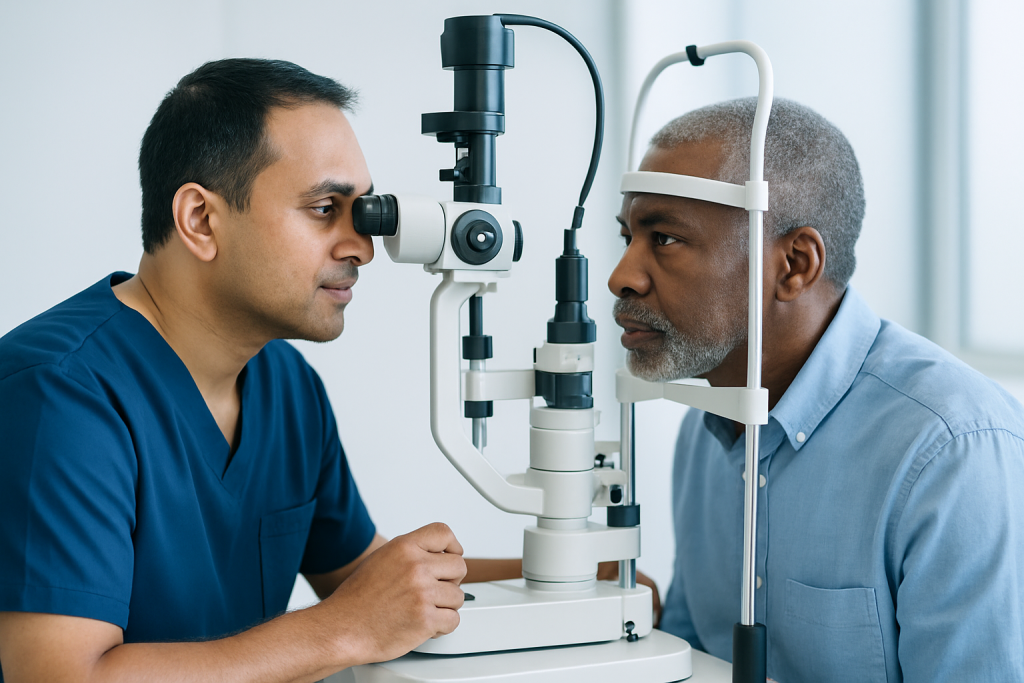
Diabetes and high blood pressure can both change the way the eyes respond to treatment and healing. Diabetes may be linked with dry eye, diabetic retinopathy, macular swelling, slower wound healing, and a greater need for retinal monitoring. High blood pressure can contribute to changes in the retinal blood vessels and, in some cases, raise the chance of eye complications if it is uncontrolled.
These conditions do not automatically prevent eye surgery or other procedures. They do, however, affect how the doctor evaluates risk, schedules the visit, and decides whether additional tests are needed before treatment. A patient who has stable readings and a clear medication plan is usually easier to prepare than someone whose numbers are changing day by day.
It also helps to remember that many eye issues develop quietly. A person may feel well overall but still have retinal changes, lens clouding, or pressure-related concerns that only show up on a proper exam. That is why planning should include both general medical information and the eye-specific history.
Symptoms that should shape the travel plan
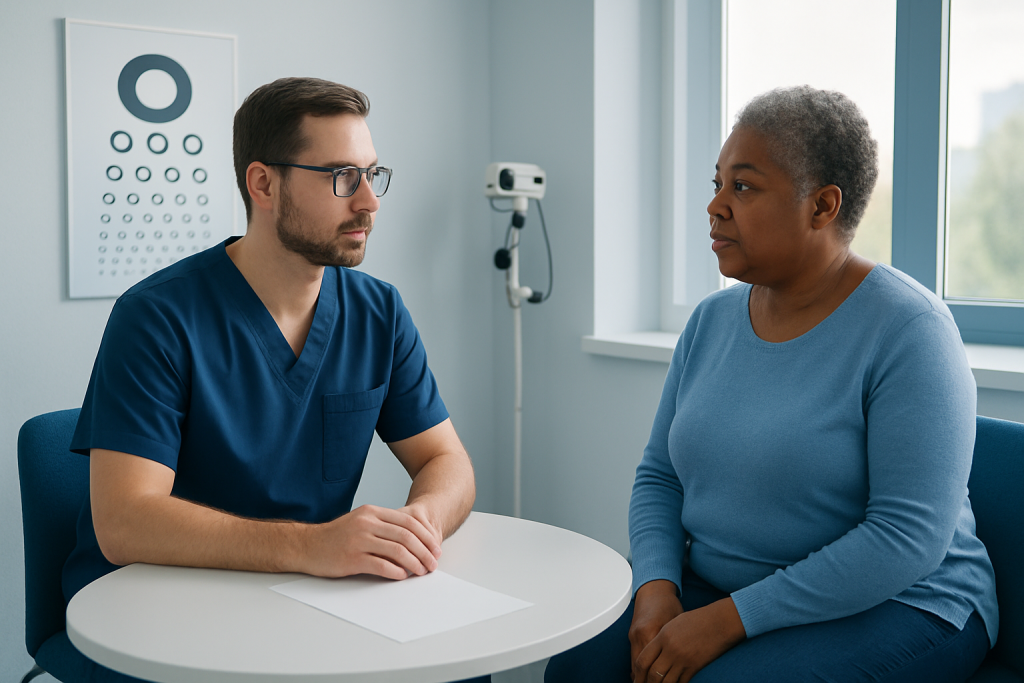
Some symptoms make eye care more time-sensitive, especially if the person is traveling from another country. Sudden blurry vision, a dark curtain or shadow, new floaters, flashing lights, eye pain, redness, double vision, or a rapid change in one eye are all signs that need prompt evaluation. In people with diabetes, new distortion, swelling, or trouble reading may also suggest retinal involvement.
Blood pressure-related eye symptoms are less specific, but severe headache with visual changes, sudden vision loss, or eye pain should never be dismissed. These symptoms do not always mean an emergency, yet they do mean the travel plan should be reconsidered until a doctor has reviewed the situation.
When symptoms are more gradual, the trip may still be appropriate, but the timing should be based on stability. A patient who has had the same visual problem for months may be suitable for a planned consultation, while a person whose vision is changing quickly may need assessment closer to home first.
Causes and risk factors to discuss before booking
Before booking eye care abroad, it helps to list the factors that can affect both treatment choice and recovery. These often include how long the person has had diabetes or high blood pressure, how well each condition is controlled, whether there is kidney disease or heart disease, and whether the patient uses insulin, anticoagulants, or other long-term medication.
Previous eye history matters too. Past cataract surgery, retinal laser treatment, injections, glaucoma drops, corneal disease, or eye trauma can change the plan. So can lifestyle factors such as smoking, sleep, hydration, and the ability to rest after treatment.
International travel adds another layer. Long flights, time-zone changes, limited access to familiar medicines, and uncertain follow-up arrangements can all complicate care. A good plan accounts for the full journey, not just the procedure itself.
How diagnosis and pre-travel assessment usually work
A responsible overseas eye team will usually start by reviewing the patient’s diagnosis, symptoms, and recent medical records. For someone with diabetes or high blood pressure, that often includes recent blood sugar patterns, blood pressure readings, medication lists, allergy information, and any reports from a primary doctor, endocrinologist, cardiologist, or local ophthalmologist.
The eye examination may include visual acuity testing, pressure measurement, dilation, retinal imaging, corneal checks, or other tests depending on the concern. If surgery or a procedure is being considered, the doctor may ask for medical clearance or a pre-anesthesia evaluation, especially when there are heart, kidney, or circulation issues in the background.
This step is especially valuable for patients traveling internationally because it reduces surprises. When the team understands the whole health picture in advance, it can advise whether the patient is ready to travel, whether treatment should be staged, and how much recovery time should be built into the itinerary.
Treatment options and what to expect
Treatment depends on the eye condition, not only on the diabetes or blood pressure history. A patient might need updated glasses, dry eye care, glaucoma medication, retinal laser treatment, an anti-VEGF injection, cataract surgery, or another targeted procedure. In some cases, the first goal is simply to stabilize the eye disease and improve comfort rather than move straight to surgery.
For people with diabetes, the doctor may focus on retinal monitoring, controlling macular swelling, or reducing the risk of diabetic eye disease progression. For high blood pressure, the treatment may involve better systemic control alongside eye-specific care. If surgery is planned, the team may want medical values reasonably stable before proceeding and may choose a recovery schedule that allows for closer observation.
Patients should also ask how follow-up will be handled once they return home. That may include a local eye doctor visit, continued drops, repeat imaging, or a specific warning sign list. Clear handover instructions are especially important when the treatment is being done far from the patient’s usual care team.
Prevention and self-care before and after travel
Good preparation starts before the suitcase is packed. Patients should carry an updated medication list, copies of recent test results, the names and contact details of home doctors, and enough medicine for the trip plus a small buffer in case of delays. It is wise to keep medications in original packaging and to know the generic names, not only the brand names.
Self-care also means protecting the eyes from avoidable strain. Resting after arrival, staying hydrated, avoiding missed doses, and following instructions about eye drops, activity limits, and protective eyewear can all support recovery. People with diabetes should monitor blood sugar closely because illness, travel stress, and changes in routine can shift readings; people with high blood pressure should keep an eye on their usual patterns and follow their doctor’s plan.
- Bring a written summary of diagnoses, medications, and allergies.
- Ask in advance which tests should be completed before travel.
- Plan for someone to accompany the patient if surgery or sedation is possible.
- Leave room in the itinerary for unexpected follow-up visits.
- Keep emergency contacts available in both the home country and destination.
When to see a doctor
Medical advice should be sought promptly if vision changes are sudden, if the eye is painful or very red, or if there are flashes of light, a curtain-like shadow, or a noticeable loss of part of the visual field. These symptoms deserve timely attention whether the patient is at home or abroad.
It is also sensible to contact a doctor before travel if blood sugar or blood pressure has been unstable, if the patient recently changed medication, or if another health issue is affecting fitness for travel. An overseas eye appointment works best when the body is medically ready to support the eye treatment.
For patients arranging care from another country, Acibadem Health Point can help through multidisciplinary specialists and JCI-accredited hospitals that diagnose and treat eye conditions for international patients. The most important step, though, is always the same: let a qualified doctor review the eye problem and the overall health picture together.
A practical way to organize the trip
A useful way to think about the journey is in three stages: before travel, during treatment, and after return. Before travel, the patient gathers records and confirms whether the condition is stable. During treatment, the focus is on understanding the plan, asking questions clearly, and making sure the team knows about diabetes, blood pressure, and any other chronic conditions.
After return, follow-up should not be treated as optional. Even a successful procedure may need review, medication adjustments, or imaging later on. International care tends to work best when the patient leaves with written instructions that are easy for a local doctor to continue.
With the right preparation, eye care abroad can be a manageable and well-structured experience rather than a stressful leap. The goal is not simply to receive treatment in another country, but to do so in a way that respects the person’s whole health and makes the recovery path clear.
Frequently asked questions
Can someone with diabetes safely travel abroad for eye treatment?
Often, yes, if the diabetes is reasonably controlled and the eye condition is stable enough for travel. The decision should be based on a doctor’s assessment of both eye health and overall medical fitness. A recent eye exam and updated medication list are especially helpful.
Does high blood pressure affect eye surgery or other eye procedures?
It can, mainly by influencing healing, anesthesia planning, and the risk profile for certain procedures. Stable blood pressure usually makes planning easier. The eye doctor may also ask for clearance from the patient’s general doctor or cardiologist.
What records should be taken to an overseas eye appointment?
Patients should bring recent eye reports, a medication list, allergy information, and details of diabetes or blood pressure control. Copies of imaging, lab results, and past surgeries can also save time. If possible, the records should be translated or summarized clearly in advance.
Should travel be delayed if vision is changing quickly?
Yes, in many cases it should be reviewed first by a doctor. Sudden or rapidly worsening vision changes may need urgent assessment before international travel is planned. Safety comes first, especially when a new symptom could point to a more serious eye problem.
How can follow-up be handled after returning home?
The overseas team should provide written instructions for drops, activity limits, warning signs, and the timing of follow-up visits. Patients can then share that plan with a local eye doctor or primary doctor. Good handover makes continuity of care much easier.
Is it important to check blood sugar and blood pressure before an eye procedure?
Yes. Both measurements help the doctor understand whether the patient is in a good position for treatment and recovery. Stable readings do not guarantee a problem-free course, but they do support safer planning.
References
- American Academy of Ophthalmology
- National Eye Institute
- Centers for Disease Control and Prevention
- World Health Organization
- International Diabetes Federation
This article is for general information only and is not a substitute for professional medical advice. Please consult a qualified doctor about your individual situation.