Hazel Eyes

Key Takeaways
- Hazel eyes are created by the way light interacts with iris pigment and structure.
- Genetics influence eye color, but hazel can look different under varying light and clothing colors.
- A sudden change in eye color is not typical and should be assessed by an eye specialist.
- Most people with hazel eyes do not need treatment; care focuses on general eye health and protection.
- Regular eye exams help monitor vision and detect changes that may not be obvious at first.
Hazel eyes are a natural eye color pattern that often appears as a blend of brown, green, and gold tones. They are usually harmless, but sudden changes in eye color can sometimes point to an eye or health issue that needs medical attention.
Overview
Hazel eyes are often described as having a shifting mix of brown, green, and gold. In some people, the color looks warmer and more amber in sunlight; in others, it appears greener around the outer edge of the iris. That variation is part of what makes hazel eyes distinctive, but it is also why they can be difficult to define with a single label.
From a medical perspective, hazel is not a disease or a condition. It is simply one of several normal eye color patterns. The appearance of hazel eyes depends on how much pigment is present in the iris, how that pigment is distributed, and how light is scattered within the eye.
For international patients exploring eye care abroad, eye color itself is usually discussed for reassurance, documentation, or cosmetic interest rather than as a clinical problem. The important exception is a change in eye color over time, especially if it happens in one eye, after injury, or along with discomfort or vision changes.
What Hazel Eyes Look Like
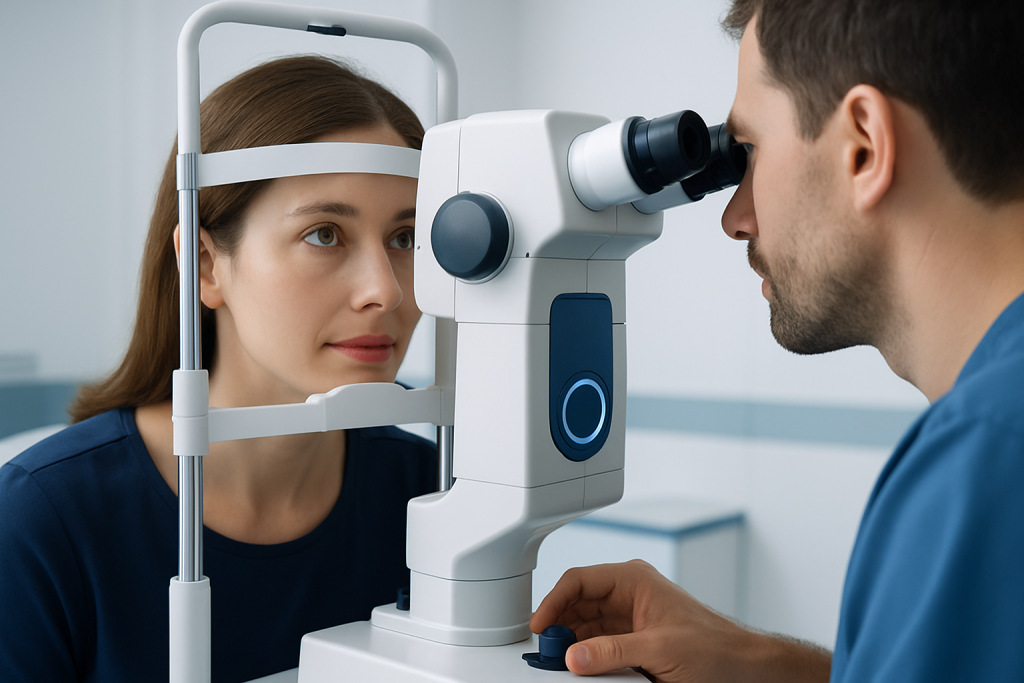
People with hazel eyes often notice that their eyes do not look exactly the same in every setting. Indoor lighting may bring out more brown tones, while daylight may reveal green or gold. In some people, the color is evenly blended; in others, the iris may have a ring of one color around the pupil and another color farther out.
This shifting appearance can make hazel eyes seem almost “multicolored.” The effect is normal and comes from the interaction between pigment and light, not from two different eye colors competing with each other. The iris may also appear to change slightly with clothing, makeup, or background color, since the eye is reflecting its surroundings as well as its own structure.
It is useful to separate natural variation from true change. Hazel eyes may look different from morning to evening, but the underlying iris color usually stays stable throughout life. A new or progressive change, especially if it is uneven, deserves medical review.
Why Hazel Eyes Happen

Eye color is determined mainly by the amount and distribution of melanin in the iris. Brown eyes have more melanin, blue eyes have less, and hazel eyes fall somewhere in between. The result is a layered appearance in which light can reveal different tones depending on angle and brightness.
Several genes influence eye color, and the pattern is inherited in a complex way. That means a child’s eye color cannot always be predicted with certainty from the parents’ eye colors alone. Hazel eyes may appear in families with brown, green, blue, or mixed-colored eyes because inheritance involves multiple genetic factors rather than a single dominant trait.
Because hazel eyes are shaped by both biology and light, two people with hazel eyes may not look the same at all. One may have a subtle brown-green mix, while another may have a vivid golden center and green outer rim. Both can be equally normal.
Causes & Risk Factors
As a natural eye color, hazel eyes are caused by normal genetic variation. There is no illness behind most hazel eye color patterns. The “risk factors” are really the genetic influences that make a person more likely to have a certain amount of iris pigment.
Some factors may influence how eye color is noticed or how it appears over time:
- Family history of mixed or lighter eye colors
- Genetic combinations affecting melanin production
- Age-related eye changes that alter how the iris looks
- Lighting, clothing, and makeup, which change visual perception
In rare situations, eye color can change because of medical reasons such as inflammation, certain eye injuries, pigment dispersion, some medications, or a disorder affecting the iris. Those changes are not the same as having hazel eyes and should be evaluated by an ophthalmologist.
Diagnosis and Eye Examination
Hazel eyes do not need a special diagnosis in the medical sense. A routine eye exam is usually enough to document eye color and check overall eye health. During the visit, the eye specialist may look at the iris, pupil, cornea, and lens to make sure the eye is healthy and that the color pattern is stable.
If a person is concerned about a change in eye color, the doctor may ask when it started, whether one eye changed more than the other, and whether there has been pain, redness, light sensitivity, or blurred vision. These details help determine whether the change is simply a normal variation in appearance or something that needs closer examination.
For patients traveling internationally, bringing previous eye records or photos can be helpful. Even a few clear images from different dates may help the specialist see whether the iris has remained stable or changed gradually over time.
Treatment Options
Hazel eyes themselves do not require treatment. There is nothing to correct when the color is a natural and stable part of a person’s appearance. Care becomes relevant only if the eye color change is linked to another condition, such as inflammation or injury.
If an underlying eye problem is found, treatment depends on the cause. An eye specialist may recommend anti-inflammatory care, treatment for infection, monitoring for iris changes, or management of another eye condition affecting the appearance of the iris. The goal is always to protect vision and eye health first.
People who simply want their hazel eyes to be clearer or more noticeable often look at cosmetic options such as contact lenses or makeup techniques. These choices should be approached carefully, especially with contact lenses, which should be fitted and used under professional guidance to reduce the risk of irritation or infection.
Prevention & Self-care
There is no way to “prevent” hazel eyes, because they are a normal inherited trait. Self-care is about protecting the eyes and noticing changes early. For many people, that means simple habits that support long-term eye comfort and clarity.
Helpful steps include:
- Wearing sunglasses that block ultraviolet light
- Attending regular eye exams, even when vision feels normal
- Avoiding unprescribed cosmetic contact lenses
- Protecting the eyes during sports, work, or travel activities that carry injury risk
- Watching for new redness, pain, light sensitivity, or blurred vision
People who wear colored lenses to simulate or enhance hazel tones should follow strict hygiene and replacement guidance. A lens that looks harmless can still cause serious irritation if used incorrectly.
When to See a Doctor
Most people with hazel eyes never need medical attention for the eye color itself. A doctor’s visit is appropriate if the eye color seems to be changing, especially if the change is sudden, happens in only one eye, or comes with other symptoms. Those accompanying symptoms can be more important than the color change alone.
Medical review is also sensible if there is eye pain, redness, swelling, new floaters, sensitivity to light, or a decline in vision. These signs may indicate an issue that needs prompt assessment, even if the eye still looks attractive or the color change seems subtle.
For international patients, it can be reassuring to know that a thorough eye evaluation is usually straightforward and can be coordinated with follow-up plans after returning home. Acibadem Health Point’s multidisciplinary specialists and JCI-accredited hospitals diagnose and treat eye conditions for international patients, helping ensure continuity of care when further evaluation is needed.
Frequently asked questions
Are hazel eyes rare?
Hazel eyes are less common than brown eyes, but they are not considered unusual in a medical sense. Their appearance can vary a lot from person to person because the mix of pigments is not exactly the same in every iris. That variation is what makes them noticeable.
Can hazel eyes change color?
The underlying eye color usually stays stable, but hazel eyes may look different in different lighting. If the change is sudden, affects only one eye, or comes with pain or blurred vision, it should be checked by an eye specialist. Those features can suggest a medical issue rather than a normal color shift.
What causes hazel eyes to look green sometimes and brown at other times?
Hazel eyes contain a mix of pigment levels that interact with light in different ways. Depending on the environment, the green, gold, or brown tones may stand out more. This is a normal optical effect rather than a sign that the eye is changing color permanently.
Can a baby be born with hazel eyes?
Yes, a baby can be born with hazel eyes or develop that appearance as the eyes mature. Eye color in infancy may continue to settle over the first months or years of life as pigment levels become more established. A pediatrician or eye doctor can advise if there are concerns.
Do hazel eyes need special eye care?
Hazel eyes do not need special treatment simply because of their color. The same eye-health habits that help everyone else apply here too, including UV protection, routine eye exams, and careful use of contact lenses. Any new symptoms should be discussed with a doctor.
Should a sudden eye color change be treated as urgent?
A sudden color change does not always mean an emergency, but it should be evaluated promptly. If it happens with eye pain, redness, light sensitivity, or vision loss, medical attention should not be delayed. Early assessment helps rule out conditions that may affect the eye’s health.
References
- American Academy of Ophthalmology
- National Eye Institute
- MedlinePlus
- Mayo Clinic
This article is for general information only and is not a substitute for professional medical advice. Please consult a qualified doctor about your individual situation.