How To Get Rid Of Post Nasal Drip

Key Takeaways
- Post nasal drip is a symptom, not a diagnosis, so the cause matters.
- Allergies, colds, sinusitis, reflux, and irritants are common triggers.
- Saline rinses, hydration, and targeted medicines can reduce mucus and discomfort.
- Persistent symptoms, breathing difficulty, or repeated infections deserve medical review.
- ENT evaluation can help when symptoms keep returning or do not improve with basic care.
Medically reviewed by the Acıbadem clinical team — August 19, 2026
Post nasal drip happens when excess mucus drains down the back of the throat, often causing throat clearing, cough, or a feeling of irritation. Most cases improve once the underlying cause is identified and treated with simple self-care, medicines, or ENT-guided care when needed.
Overview
Post nasal drip describes mucus that drains from the nose and sinuses toward the throat instead of flowing out through the nostrils. For many people, it shows up as frequent throat clearing, a tickling cough, bad-tasting mucus, or the sense that something is “stuck” in the throat. It can be annoying, but it is usually the body’s response to irritation or inflammation.
Because post nasal drip is a symptom rather than a disease, the most useful question is not only how to get rid of it, but what is driving it. A common cold may clear on its own, while allergies, sinus inflammation, reflux, or environmental irritants may keep the problem going unless they are addressed directly.
For international patients planning care abroad, this can be a practical ENT concern: a clear diagnosis often prevents weeks of trial-and-error with over-the-counter remedies. A focused assessment can separate short-term mucus buildup from conditions that need longer-term management.
Symptoms
The experience of post nasal drip varies, but many people describe a constant need to swallow or clear the throat. Others notice a cough that is worse at night, a hoarse voice, or a sensation of mucus pooling after lying down.
Depending on the cause, symptoms may include:
- Frequent throat clearing
- Dry or irritated cough
- Sore or scratchy throat
- Bad breath
- Nasal congestion or a runny nose
- Feeling of mucus in the back of the throat
- Hoarseness, especially in the morning
These symptoms may come and go with seasonal changes, exposure to dust or smoke, or during a cold. If they continue for weeks, affect sleep, or appear alongside facial pain or fever, it is worth looking more closely at the underlying cause.
Causes & Risk Factors

Post nasal drip can be triggered by many common conditions. Allergies are a frequent reason, especially when the nose produces thin, watery mucus in response to pollen, dust mites, pets, or mold. Viral upper respiratory infections can also increase mucus production temporarily.
Other causes include sinusitis, non-allergic rhinitis, exposure to cigarette smoke or pollution, dry indoor air, and gastroesophageal reflux or laryngopharyngeal reflux, where stomach contents irritate the throat and upper airway. Some medications and structural nasal issues may also contribute by changing how mucus drains.
People may be more prone to symptoms if they have chronic allergies, live in a dusty or polluted environment, travel frequently between climates, or have ongoing nasal inflammation. Repeated throat irritation can also make the sensation feel worse, even when mucus production is not dramatic.
Diagnosis
Diagnosis usually begins with a careful history. A clinician may ask when symptoms started, whether they are seasonal, whether reflux symptoms are present, and whether there are other clues such as sneezing, itching, fever, facial pressure, or cough.
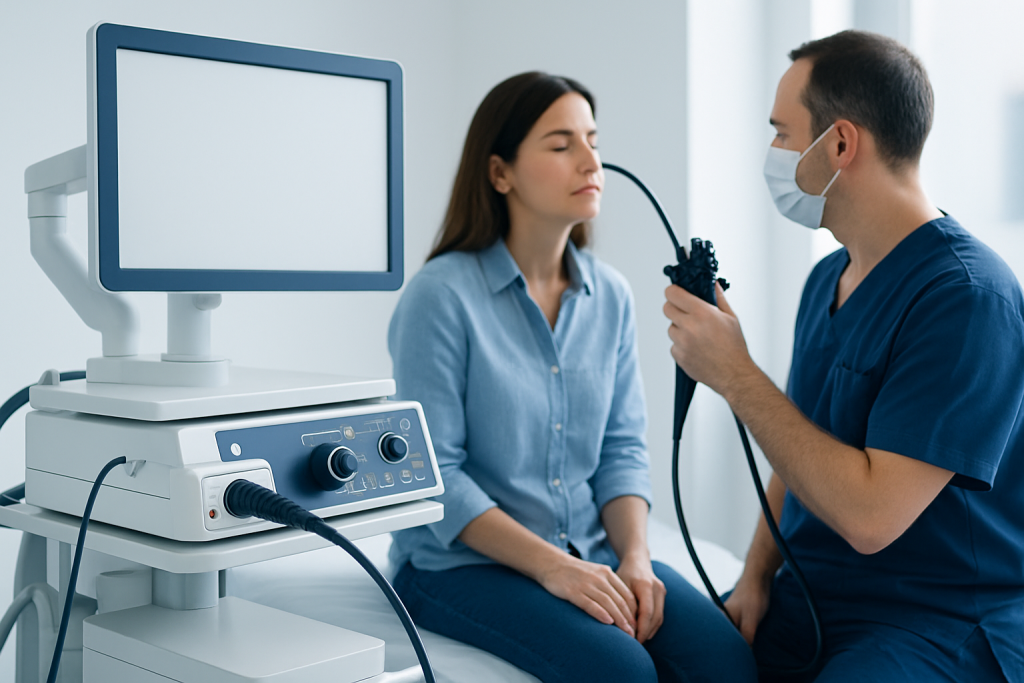
An ENT examination may include inspection of the nose and throat. In some cases, nasal endoscopy is used to look more closely at the nasal passages and drainage pathways. If allergies, sinus disease, or reflux are suspected, further testing may be recommended to clarify the cause and guide treatment.
For patients traveling from another country, this step can be especially valuable because it helps avoid unnecessary medications and repeated visits. A targeted evaluation makes it easier to plan treatment that fits both the diagnosis and the practical realities of recovery, follow-up, and medication access at home.
Treatment Options
There is no single fix for every case of post nasal drip. The most effective approach is to treat the cause while also easing the throat irritation that the mucus creates. For mild symptoms, hydration and saline nasal rinses may be enough to reduce thickness and improve drainage.
Depending on the underlying problem, a doctor may recommend antihistamines for allergies, nasal steroid sprays for inflammation, decongestants in selected situations, or reflux management when stomach acid is contributing. If a bacterial sinus infection is present, treatment may differ from the care used for a viral cold or allergy flare.
Supportive measures often help alongside medical treatment:
- Drink enough fluids to keep mucus thinner
- Use saline spray or rinse as advised
- Humidify dry indoor air
- Avoid smoke, strong odors, and known allergens
- Elevate the head when sleeping if nighttime symptoms are worse
When symptoms are persistent, an ENT specialist can help tailor care to the exact pattern, which is often the fastest route to lasting relief. In some cases, Acibadem Health Point’s multidisciplinary specialists and JCI-accredited hospitals diagnose and treat post nasal drip for international patients who need coordinated ENT assessment and follow-up.
Prevention & Self-care
Not every episode of post nasal drip can be prevented, especially during seasonal allergies or a viral illness. Still, small daily habits can reduce flare-ups and make symptoms easier to live with.
A steady routine often works better than waiting for symptoms to become intense. That may mean controlling dust in the home, washing bedding regularly, using allergy precautions during high-pollen days, and keeping the throat and nasal passages moist with water and saline when appropriate.
Helpful self-care habits include:
- Identify and limit exposure to triggers such as smoke, dust, or perfume
- Manage allergies consistently rather than only during flare-ups
- Stay well hydrated, especially in dry climates or during travel
- Use a humidifier if indoor air is very dry
- Follow the care plan for reflux or sinus problems if one has been diagnosed
For people crossing time zones or climates, symptoms may temporarily shift because the air, allergens, and routine are different. A simple, individualized plan can make these transitions easier and reduce the chance of repeated irritation.
When To See a Doctor
Medical advice is a good idea when post nasal drip lasts longer than expected or interferes with daily life. A clinician can help determine whether the cause is an allergy, sinus problem, reflux, or something else that needs specific treatment.
It is especially important to seek care if symptoms are accompanied by high fever, significant facial pain, shortness of breath, wheezing, blood in mucus, swallowing problems, or a cough that does not improve. Recurrent sinus infections, hoarseness lasting more than a few weeks, or unexplained weight loss also deserve evaluation.
For international patients, arranging ENT care before or during travel can save time if symptoms are persistent or complicated. A specialist can help confirm the diagnosis, discuss treatment options, and plan follow-up in a way that fits the patient’s return journey and ongoing care needs.
Living With Recurrent Symptoms
Some people find that post nasal drip returns in cycles, especially during allergy seasons or during repeated colds. In those cases, the goal is not only symptom relief, but also recognizing the pattern early enough to act before the throat becomes irritated and the cough starts.
Keeping a simple symptom note can help: when symptoms begin, what was eaten, where the person was staying, whether there was smoke or dust exposure, and whether nasal congestion or reflux symptoms were present. That information can make clinic visits more productive and can help a doctor match treatment to the likely trigger.
When the cause is treated well, most people can reduce the constant throat clearing and discomfort that make post nasal drip so frustrating. The right plan is usually less about suppressing mucus at all costs and more about restoring normal nasal function and easing inflammation safely.
Frequently asked questions
What is the fastest way to relieve post nasal drip at home?
Saline nasal rinses, good hydration, and avoiding irritants are often the quickest supportive steps. If allergies or reflux are driving symptoms, home care works best when paired with treatment for the underlying cause.
Does post nasal drip always mean sinus infection?
No. It can happen with allergies, a cold, reflux, dry air, and other causes. Sinus infection is only one possibility, and symptoms such as facial pressure, fever, or thick discolored mucus may point more in that direction.
Can post nasal drip cause a cough?
Yes. Mucus dripping onto the throat can trigger throat clearing and a lingering cough, especially at night. If cough persists, a clinician should check whether reflux, asthma, or another issue is also involved.
Are antihistamines helpful for post nasal drip?
They can be helpful when allergies are the main trigger. They are less likely to help if the cause is a viral illness or reflux, so the right medicine depends on the diagnosis.
When should someone see an ENT specialist?
An ENT specialist is helpful when symptoms keep coming back, do not improve with basic care, or are associated with sinus pain, hoarseness, or repeated infections. A specialist can look for less obvious causes and create a more targeted plan.
Can traveling or dry air make post nasal drip worse?
Yes, changes in climate, humidity, and exposure to dust or allergens can make mucus thicker and the throat more irritated. Using hydration, saline care, and trigger avoidance during travel may help reduce symptoms.
References
- Mayo Clinic
- Cleveland Clinic
- American Academy of Otolaryngology–Head and Neck Surgery
- Merck Manual Professional Edition
- National Institute on Deafness and Other Communication Disorders
This article is for general information only and is not a substitute for professional medical advice. Please consult a qualified doctor about your individual situation.
Persistent digestive symptoms? Get evaluated in Turkey
JCI-accredited · board-certified surgeons · reply within 24h
Add us as a Preferred Source to see more of our trusted health content across Google Search, AI Overviews and Discover.