Humidifier For Postnasal Drip

Key Takeaways
- A humidifier can make dry air less irritating and may ease throat discomfort linked to postnasal drip.
- It does not treat the root cause of postnasal drip, such as allergies, sinus inflammation, reflux, or infection.
- Clean humidifiers carefully to reduce the risk of mold and bacteria.
- Saline sprays, hydration, and trigger control often work alongside humidification.
- Persistent, one-sided, foul-smelling, bloody, or severe symptoms should be checked by a doctor.
Postnasal drip can leave a person clearing the throat, coughing at night, or feeling mucus collect in the back of the throat. A humidifier may help by adding moisture to dry indoor air, but it works best as part of a broader plan that addresses the underlying cause.
Overview
Postnasal drip happens when extra mucus drains from the nose or sinuses toward the back of the throat. That sensation can be mild and occasional, or it can become a daily nuisance marked by throat clearing, coughing, a “lump” feeling, or a need to swallow often. In dry indoor air, these symptoms may feel more noticeable because the throat and nasal lining can become irritated more easily.
A humidifier is sometimes used to add moisture to the air in a bedroom or other living space. For some people, that extra humidity helps reduce dryness and makes mucus feel less thick and sticky. It is most useful when the air is dry, such as during winter or in air-conditioned rooms, but it is not a cure for postnasal drip itself.
For international patients planning ENT care, it is often helpful to think of a humidifier as one part of comfort care rather than the whole solution. The best approach depends on why the drainage is happening in the first place, whether that is allergies, sinus irritation, reflux, a viral illness, or another cause.
Symptoms
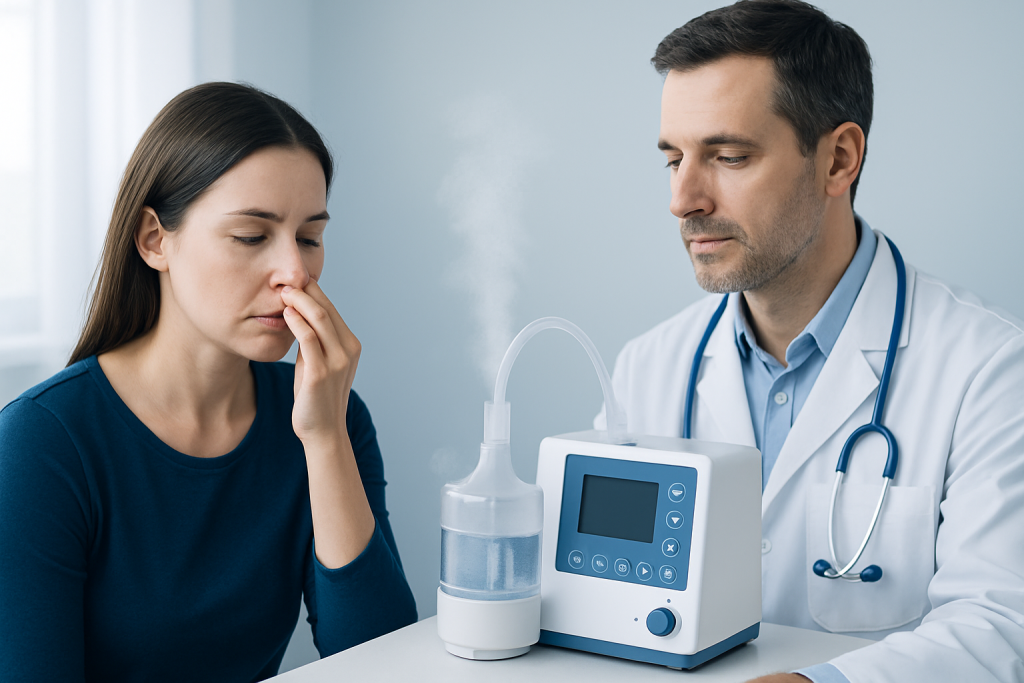
Postnasal drip does not always look the same from person to person. Some notice a constant need to clear the throat, while others feel mucus sliding down the throat or wake up coughing at night. The throat may feel dry, scratchy, or mildly sore, especially in the morning.
When the air is dry, a person may also experience more nasal irritation, congestion, or a dry mouth from breathing through the mouth during sleep. A humidifier may help with these dryness-related sensations, which can make the overall symptom burden easier to manage.
- Frequent throat clearing
- Morning cough or nighttime cough
- Throat irritation or hoarseness
- Sensation of mucus in the throat
- Nasal congestion or dryness
If symptoms come with fever, facial pain, shortness of breath, or significant swallowing trouble, the situation may involve something beyond simple postnasal drip and should be assessed by a clinician.
Causes & Risk Factors

Postnasal drip is usually a sign that the nose or sinuses are producing more mucus than usual, or that the mucus is not moving normally. Common causes include allergies, colds, sinus infections, irritants such as smoke or strong odors, and nonallergic rhinitis. Gastroesophageal reflux can also contribute by irritating the throat and upper airway.
Dry indoor air does not usually cause postnasal drip on its own, but it can make the lining of the nose and throat more sensitive. When mucus becomes thicker or the throat dries out, the sensation of drainage may feel worse. That is why humidification is sometimes recommended for symptom relief.
Certain settings can increase discomfort: heated indoor spaces in winter, long flights, air-conditioned rooms, dusty environments, and homes with low humidity. For patients traveling for ENT evaluation, even changes in climate or hotel heating can temporarily affect symptoms, so it is useful to mention these details during a consultation.
Diagnosis
Because postnasal drip is a symptom rather than a diagnosis on its own, the main goal is to find the cause. A doctor or ENT specialist usually begins with a careful history, asking about the pattern of drainage, allergy symptoms, reflux, infections, medication use, and environmental exposures.
An exam may include looking at the nose, throat, and ears. In some cases, a specialist may recommend nasal endoscopy, which uses a thin camera to view the nasal passages and the back of the throat more clearly. If sinus disease, allergy, or another condition is suspected, additional tests may be considered.
For patients coming from abroad, bringing a symptom diary, prior imaging reports, medication lists, and any allergy history can make the appointment more efficient. This is especially helpful when symptoms have been treated repeatedly without a clear explanation.
Treatment Options
Treatment works best when it matches the cause. If allergies are involved, the plan may include allergen avoidance and other therapies. If reflux is contributing, lifestyle changes and medical treatment may help. If a viral illness or sinus inflammation is the trigger, symptoms may improve with time and supportive care.
A humidifier can be a useful supportive measure because it may reduce dryness and help mucus feel less irritating. It is generally most helpful in moderate indoor humidity, not in overly damp rooms. Too much moisture can encourage mold growth, which may worsen nasal symptoms for some people.
Other commonly used supportive steps include:
- Using saline nasal sprays or rinses as advised by a clinician
- Drinking enough fluids
- Sleeping with the head slightly elevated when appropriate
- Avoiding tobacco smoke and strong irritants
- Treating allergies or reflux if present
No single product works for everyone. A doctor can help choose the safest combination, especially when symptoms are long-lasting or when a person has asthma, chronic sinus problems, or recurrent infections.
Prevention & Self-care
Self-care for postnasal drip often focuses on keeping the nose and throat from becoming too dry or too irritated. A humidifier may be part of this, particularly in bedrooms where a person spends many hours each night. It should be cleaned regularly according to the manufacturer’s instructions so that it does not become a source of germs or mold.
Simple habits can make a real difference:
- Keep indoor humidity at a comfortable level, not excessively high
- Use filtered or distilled water when recommended by the device instructions
- Wash and dry the humidifier parts as directed
- Reduce exposure to dust, smoke, and strong fragrances
- Maintain good hydration throughout the day
People with seasonal allergies may notice fewer symptoms when they combine humidity control with trigger reduction, such as keeping windows closed during high pollen times or showering after outdoor exposure. Travelers may also benefit from packing saline spray and reviewing their usual routine before departure.
When to See a Doctor
Medical evaluation is a good idea when postnasal drip lasts more than a few weeks, keeps returning, or interferes with sleep, work, or daily comfort. It is also wise to seek care if home measures such as humidification and saline rinses do not help enough.
Prompt review is especially important if symptoms are accompanied by facial pain, high fever, trouble breathing, wheezing, ear pain, bloody mucus, unexplained weight loss, or difficulty swallowing. One-sided drainage, a bad smell, or a change in voice that does not settle can also point to a problem that needs a closer look.
For international patients, ENT assessment may be especially helpful when the cause has remained unclear across several visits in different countries. Acibadem Health Point’s multidisciplinary specialists and JCI-accredited hospitals diagnose and treat ENT conditions for international patients in a coordinated way, which can simplify evaluation and follow-up.
Living with Postnasal Drip While Traveling
Travel can change air quality, humidity, sleep patterns, and exposure to allergens, all of which may influence postnasal drip. A person who feels better at home may notice more throat clearing on a plane, in a hotel with dry air, or in a new climate. That does not necessarily mean the condition is worsening permanently.
When symptoms are being assessed during a trip, it helps to note what seems to trigger them: dry air, temperature shifts, spicy foods, dust, or lying flat after meals. These details can guide the doctor toward the most likely cause and help decide whether a humidifier, a nasal rinse, reflux measures, or allergy treatment is the better next step.
Good follow-up matters as much as the initial visit. If treatment is started abroad, patients should understand the plan clearly enough to continue it safely after returning home, including when to seek reassessment if symptoms change.
Frequently asked questions
Can a humidifier cure postnasal drip?
No. A humidifier may ease dryness and make mucus less irritating, but it does not treat the underlying cause of postnasal drip. It is best used as supportive care alongside treatment for allergies, sinus inflammation, reflux, or infection when needed.
What type of humidifier is best for postnasal drip?
There is no single best type for everyone. The most important factors are keeping the room comfortably humid and cleaning the device regularly to prevent mold or bacteria buildup. A doctor may suggest one style over another depending on the home environment.
Can too much humidity make symptoms worse?
Yes. Air that is too damp can encourage mold and dust mites, which may worsen symptoms in some people. Balanced humidity is usually more helpful than very high humidity.
Is saline spray better than a humidifier?
They do different things, so one is not automatically better than the other. Saline spray directly moistens and clears the nasal passages, while a humidifier helps the air feel less dry overall. Many people use both.
When should postnasal drip be checked by an ENT specialist?
An ENT specialist is often helpful when symptoms are persistent, recurrent, one-sided, or not improving with basic care. Evaluation is also important if there is blood, severe pain, fever, breathing difficulty, or swallowing trouble.
Can allergies cause postnasal drip even if there is no sneezing?
Yes. Allergies can cause mucus drainage, throat clearing, congestion, or pressure even when sneezing is minimal. A doctor can help determine whether allergies, reflux, or another cause is more likely.
References
- American Academy of Otolaryngology–Head and Neck Surgery
- Mayo Clinic
- Cleveland Clinic
- National Institute on Deafness and Other Communication Disorders
- MedlinePlus
This article is for general information only and is not a substitute for professional medical advice. Please consult a qualified doctor about your individual situation.
Persistent digestive symptoms? Get evaluated in Turkey
JCI-accredited · board-certified surgeons · reply within 24h
Add us as a Preferred Source to see more of our trusted health content across Google Search, AI Overviews and Discover.