Wheezing

Key Takeaways
- Wheezing is a symptom, not a diagnosis, and it often points to narrowed airways.
- Asthma, allergies, infections, smoking-related lung disease, and reflux are common causes.
- Symptoms such as shortness of breath, chest tightness, or coughing can help guide the evaluation.
- Treatment focuses on the underlying cause and may include inhaled medicines, trigger control, or urgent care in severe cases.
- Anyone with severe breathing trouble, blue lips, or sudden wheezing should seek emergency help promptly.
Wheezing is a high-pitched whistling sound that usually happens when air moves through narrowed or irritated airways. It can be temporary or a sign of an ongoing condition, so understanding the cause matters more than the sound itself.
Overview
Wheezing is the sound many people notice first, but it is really a clue rather than an illness on its own. The noise usually appears when air has to pass through airways that are temporarily narrowed, inflamed, filled with mucus, or irritated in some other way.
Some people hear wheezing only during a cold or allergy flare. Others experience it with chronic conditions such as asthma or chronic obstructive pulmonary disease. Because the sound can come and go, it is easy to minimize at first; however, repeated wheezing deserves attention, especially if it changes with exercise, infections, weather, or exposure to dust, smoke, or pets.
For international patients planning care abroad, wheezing is often evaluated alongside a broader breathing history. A good specialist will want to know when it started, what makes it better or worse, and whether it is linked to activity, meals, or nighttime symptoms. That context helps distinguish a simple temporary trigger from a condition that needs longer-term management.
Symptoms
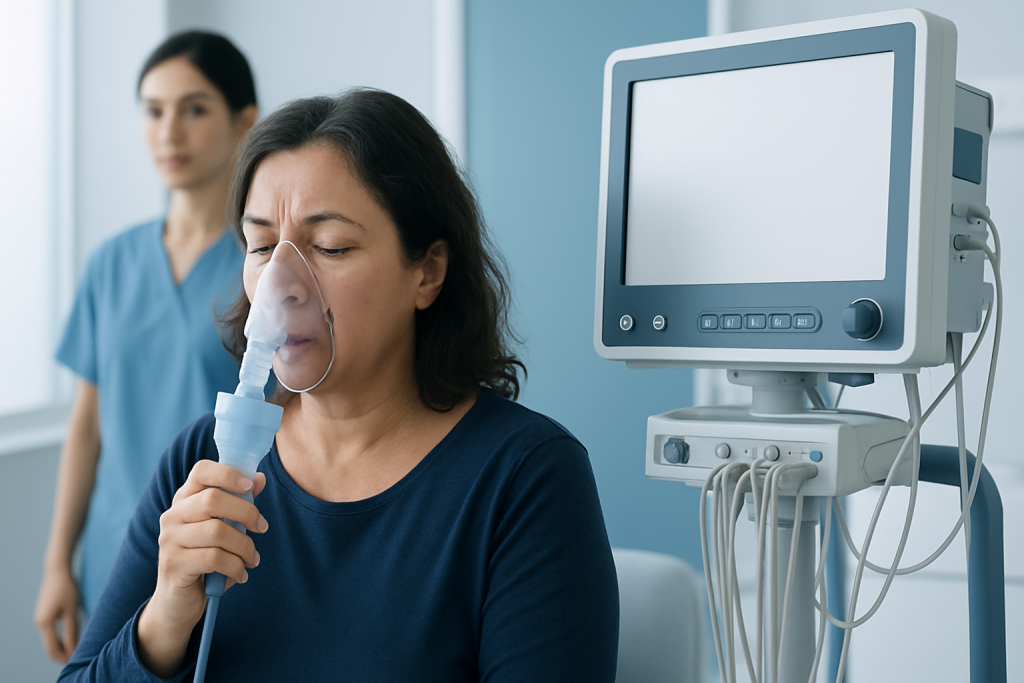
Wheezing is usually described as a musical whistling or squeaking sound, most often heard when breathing out. In some cases, it can also happen during inhalation, especially when the upper airways are involved.
Wheezing may appear alone, but it commonly travels with other symptoms. People may also notice coughing, chest tightness, shortness of breath, a feeling of not getting a full breath, or faster breathing than usual. When symptoms worsen at night or after exercise, asthma becomes more likely, although other causes are still possible.
It is helpful to pay attention to the pattern rather than only the sound. New wheezing after a respiratory infection may settle as the airways calm down, while wheezing with swelling of the face, hives, or sudden throat tightness can signal a severe allergic reaction and needs immediate medical attention.
- Breathing that sounds whistling or musical
- Cough, especially at night or after exertion
- Chest tightness or pressure
- Shortness of breath
- Fatigue from working harder to breathe
Causes & Risk Factors

Wheezing happens when airflow is disturbed. In everyday practice, the most common reason is asthma, where the airways become sensitive and narrow in response to triggers. Allergies, viral respiratory infections, and exercise can all contribute to that narrowing.
Other common causes include chronic obstructive pulmonary disease, bronchitis, pneumonia, inhaled irritants such as cigarette smoke, and aspiration of a foreign body. Gastroesophageal reflux may also irritate the airways in some people, and anaphylaxis can cause sudden wheezing as part of a severe allergic reaction. In children, wheezing may be linked to viral illnesses or asthma-like patterns; in older adults, chronic lung disease is more often considered.
Risk factors vary by cause, but a few themes appear again and again. Smoking or exposure to secondhand smoke, a personal or family history of allergies or asthma, repeated respiratory infections, occupational exposure to dust or chemicals, and poorly controlled reflux can all increase the chance of wheezing episodes.
Because several conditions can look similar at first, clinicians usually avoid assuming that every wheeze is asthma. A careful review of exposures, medications, and symptom timing often reveals the more useful answer.
Diagnosis
Diagnosis begins with a detailed conversation and a physical examination. A clinician will usually ask when the wheezing began, whether it is sudden or recurrent, what activities trigger it, and whether there are related symptoms such as fever, mucus, rash, chest pain, or swelling.
Listening to the lungs can help, but additional tests are often needed to identify the cause. Depending on the situation, a doctor may recommend spirometry or other lung function testing, pulse oximetry, allergy evaluation, chest imaging, or blood tests. If a foreign body, infection, or another structural problem is suspected, the workup may be broader.
For people traveling for care, it is useful to bring prior test results, a medication list, and a brief timeline of symptoms. That makes it easier for the receiving team to compare patterns, avoid repeating unnecessary tests, and move more efficiently toward a clear diagnosis and plan.
Treatment Options
Treatment for wheezing depends on what is causing it. When asthma or airway spasm is the main issue, inhaled medicines that open the airways and reduce inflammation are commonly used. If infection, allergy, reflux, or chronic lung disease is involved, the plan is tailored to that underlying problem rather than to the sound alone.
In some situations, wheezing improves when the trigger is removed. This may mean treating a respiratory infection, avoiding smoke exposure, adjusting allergy management, or making changes that reduce reflux. People with persistent asthma or COPD often need a long-term plan that includes controller medicines, action plans, and follow-up visits to monitor symptoms and lung function.
Emergency treatment is needed when wheezing is part of severe breathing distress, a major allergic reaction, or a sudden blockage in the airway. In those settings, clinicians may use oxygen, inhaled bronchodilators, steroids, or other urgent measures based on the cause and severity.
The right treatment is usually not the strongest treatment, but the one that matches the diagnosis. That is why clinicians often focus on pattern, triggers, and objective testing before building a care plan.
Prevention & Self-care
Not all wheezing can be prevented, but many episodes can be reduced with practical habits. If asthma or allergies are known problems, following the prescribed plan consistently is often more effective than waiting until symptoms are severe. Avoiding smoke exposure and other obvious irritants can also make a meaningful difference.
People with recurring wheezing may benefit from tracking triggers. Common examples include cold air, exercise, strong odors, dust, pollen, pet dander, respiratory infections, and reflux-related symptoms after meals or when lying down. A simple symptom diary can be helpful, especially when someone is seeking care in another country and needs to explain patterns clearly during a short visit.
General self-care includes resting during respiratory infections, staying well hydrated, using medicines exactly as prescribed, and keeping follow-up appointments if symptoms are recurrent. If a clinician has provided an action plan for asthma or COPD, it should be kept accessible and reviewed periodically.
- Avoid smoking and secondhand smoke
- Reduce exposure to known allergens or irritants
- Use prescribed inhalers correctly and consistently
- Monitor symptoms that return at night or with activity
- Seek follow-up if wheezing keeps coming back
When to See a Doctor
Medical evaluation is important if wheezing is new, keeps returning, or is happening together with shortness of breath, chest tightness, or a persistent cough. It is also sensible to seek care if symptoms interfere with sleep, exercise, school, or work, even if they seem mild at first.
Prompt attention is especially important when wheezing starts suddenly, follows exposure to a food, insect sting, medication, or allergen, or comes with swelling, hives, faintness, or blue-tinged lips. These symptoms can signal an emergency and should not be watched at home.
Anyone with a known lung condition should ask for review if symptoms are changing, rescue inhalers are needed more often, or breathing is becoming harder to manage. For travelers, it is reassuring to know that a well-organized evaluation can often be completed efficiently, and Acibadem Health Point’s multidisciplinary specialists and JCI-accredited hospitals diagnose and treat wheezing-related conditions for international patients.
When breathing symptoms are the concern, timely assessment is usually the safest path. Even if the cause turns out to be temporary, identifying it early can prevent repeated episodes and reduce uncertainty.
Frequently asked questions
Is wheezing always a sign of asthma?
No. Asthma is a common cause, but wheezing can also happen with infections, allergies, COPD, reflux, or airway irritation. The pattern of symptoms and the medical history help determine the real cause.
Can wheezing go away on its own?
Yes, sometimes it does, especially when it is triggered by a short-lived infection or irritation. Recurrent or severe wheezing should still be checked, because the cause may need treatment even if the sound improves temporarily.
What does wheezing sound like?
It is often described as a high-pitched whistle, squeak, or musical sound, usually heard more clearly when breathing out. Some people notice it in the chest, while others hear it when the airways are very tight.
Is wheezing an emergency?
It can be, depending on the situation. Sudden wheezing with trouble speaking, blue lips, swelling, fainting, or severe shortness of breath needs urgent medical help.
What tests are commonly used to check wheezing?
Doctors often start with a physical exam and history, then may use spirometry, oxygen checks, allergy assessment, chest imaging, or blood tests. The exact tests depend on the suspected cause.
How can someone reduce wheezing at home?
The safest approach is to follow any prescribed treatment plan, avoid triggers such as smoke or allergens, and rest during respiratory illnesses. If symptoms are new, worsening, or frequent, medical review is the right next step rather than trying to manage it alone.
References
- World Health Organization
- Mayo Clinic
- National Heart, Lung, and Blood Institute
- American Lung Association
- NHS
This article is for general information only and is not a substitute for professional medical advice. Please consult a qualified doctor about your individual situation.