

How Long Should You Stay After Orthopedic Surgery Before Flying Home?

Key Takeaways
- There is no single “safe” number of days for everyone after orthopedic surgery before flying home.
- The type of surgery, anesthesia, mobility, and clot risk all influence travel timing.
- A doctor should confirm that the patient can sit, move, and manage pain safely before departure.
- Long-distance flights may require special precautions such as hydration, movement, compression, and medication planning.
- Patients traveling internationally should arrange follow-up care before leaving the hospital country.
Medically reviewed by the Acıbadem clinical team — June 13, 2026
Timing a flight after orthopedic surgery depends on the procedure, the person’s mobility, and the surgeon’s advice. A safe trip home usually begins with a clear medical check, a realistic plan for pain control, and an understanding of travel-related risks such as swelling and blood clots.
Overview
For many people having orthopedic surgery abroad, the question is not only how the operation went, but also when it is reasonable to board a plane home. That timing is best treated as a medical decision rather than a calendar question, because recovery after bone, joint, ligament, or spine surgery can change quickly from one day to the next.
The safest departure date depends on the procedure itself, whether the patient can walk or move comfortably, how much swelling is present, and whether there is any concern about blood clots, infection, or wound complications. A short stay may be appropriate after minor procedures in some cases, while larger operations often need a longer recovery period before air travel.
International patients also need to think beyond the flight itself. They must be able to handle airport transfers, carry documents and medication, protect the surgical area, and continue care after returning home. A well-planned discharge is part of orthopedic recovery, not an afterthought.
What Influences the Right Time to Fly
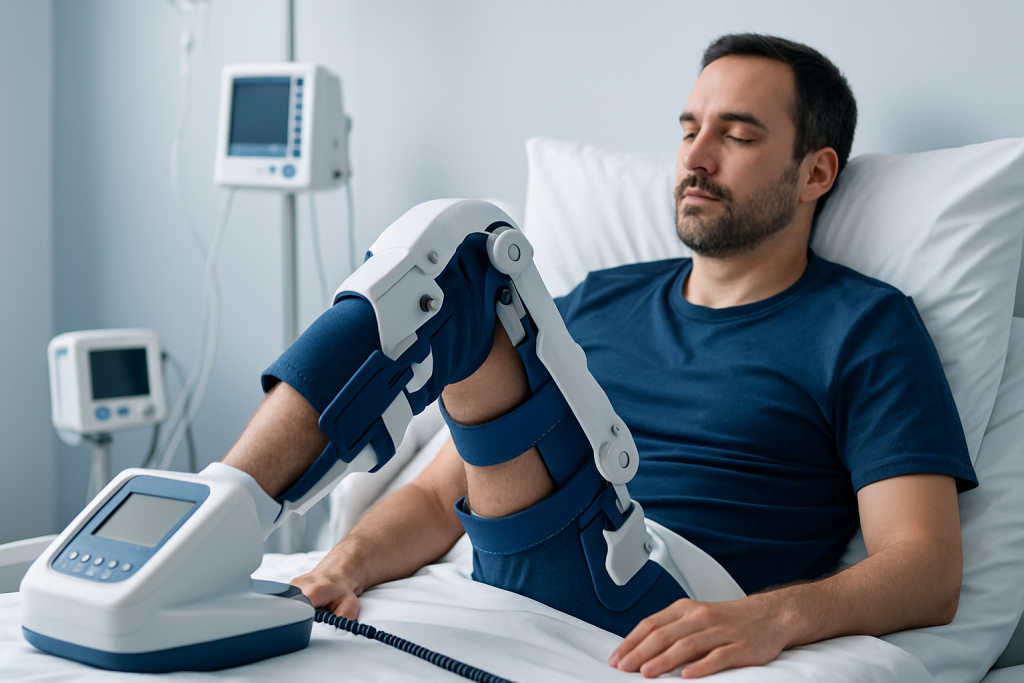
No two orthopedic procedures create the same recovery pattern. A person leaving after arthroscopy, fracture fixation, joint replacement, or spinal surgery may need very different timeframes before flying. Surgeons usually assess more than the incision; they look at pain control, mobility, swelling, and the overall risk of complications.
The length of the flight matters as well. A short regional trip is different from a long-haul journey across multiple time zones. Sitting still for many hours can increase discomfort and may raise the risk of swelling and venous thromboembolism, especially after surgery involving the lower limbs or pelvis.
Some of the most important factors include:
- the type and extent of the operation
- whether the surgery involved the leg, hip, knee, foot, spine, or shoulder
- the person’s current ability to stand, walk, or transfer safely
- the presence of drains, casts, braces, or dressings
- the need for blood-thinning medication or other preventive measures
- the availability of follow-up care once the patient returns home
Because these factors interact, the most useful answer comes from the operating surgeon and rehabilitation team after an individual assessment.
Common Symptoms and Recovery Signs to Watch

Before a patient is cleared to fly, clinicians often look for signs that recovery is progressing in a stable way. Pain should usually be manageable with the prescribed plan, and the patient should be able to rest, reposition, and move with reasonable comfort.
Swelling around the operated area is common after orthopedic surgery, but it should not be rapidly worsening. The wound should be dry or improving as expected, and there should be no new fever, spreading redness, foul drainage, or sudden increase in tenderness. These features can suggest a complication that needs attention before travel.
Mobility is another practical marker. A person should be able to get up, use the bathroom, and walk or transfer with the aids recommended by the care team. If a patient cannot safely manage these basic tasks in the airport or on the plane, the journey home may need to be delayed or better supported.
Causes & Risk Factors for Delayed Travel Readiness
Some people heal quickly enough to travel sooner than expected, while others need extra time because their surgery or medical background places them at higher risk. The most common reason to delay flying is not a single alarming problem, but a combination of swelling, limited movement, and the body’s normal healing response.
Operations on the lower limb, especially hip and knee procedures, are often followed by more caution because sitting for long periods can be difficult and clot prevention becomes more important. Spine surgery may also require careful timing because sitting, lifting luggage, and navigating crowded transport can strain the healing area. A complex fracture repair may need protection until the patient can move more confidently.
Other factors that can slow readiness include a history of blood clots, obesity, smoking, cancer, recent long travel, dehydration, or reduced mobility from another condition. Older adults, people with medical comorbidities, and those traveling without support may also need more conservative planning.
How Doctors Decide If Flying Is Safe
Discharge planning after orthopedic surgery should include a direct conversation about the return flight. The medical team may ask about the flight duration, seating arrangements, airport assistance, and whether the patient will need a wheelchair, walking aid, or extra baggage help.
In clinic or before discharge, the surgeon may check the wound, review the pain plan, confirm that medications are organized, and make sure the patient understands movement precautions. In some cases, additional guidance is given about compression stockings, anticoagulant treatment, or exercises to do during the journey.
Doctors may postpone travel if there are signs that the patient is not yet stable enough. That decision is usually made to prevent predictable problems such as wound opening, severe discomfort, or avoidable emergency care after landing. For international patients, this assessment is especially important because medical support may be harder to access mid-journey.
Treatment Options and Travel Planning After Surgery
Treatment after orthopedic surgery is not limited to the operation itself. The recovery plan usually includes pain control, wound care, physiotherapy or early mobilization, and follow-up visits. These elements all affect when a patient can safely travel.
Before flying home, patients are often advised to prepare a travel kit that includes medications, copies of discharge papers, imaging reports if relevant, and the surgeon’s contact details. It is wise to keep essential medicines in hand luggage, along with a list of allergies and current prescriptions in case a question comes up during the trip.
Practical travel support can make a large difference. A wheelchair at the airport, an aisle seat when possible, help with luggage, and planned rest breaks are all sensible measures. For some patients, a companion is strongly recommended so that moving through terminals and managing transfers does not become too strenuous.
Because airline policies and medical clearance rules differ, the care team may suggest confirming the flight with the airline before departure. That is especially relevant if the patient has a cast, uses oxygen, requires assistance to transfer, or recently had surgery that affects leg swelling or circulation.
Prevention & Self-care During the Journey Home
Once a surgeon has cleared the flight, the focus shifts to reducing travel-related strain. Staying hydrated, changing position when allowed, and avoiding long periods of immobility can help make the trip more comfortable. Simple ankle or foot movements may be recommended for some lower-limb surgeries, but these should follow the surgeon’s specific instructions.
Patients should not try to “push through” severe pain or ignore a wound that starts to bleed. If a brace, splint, or dressing has been applied, it should be kept exactly as instructed. It is also helpful to arrange the first days at home in advance, so the patient can rest rather than immediately resume errands, stairs, or heavy lifting.
- Pack medications, discharge notes, and emergency contacts together.
- Use airport assistance if standing for long periods is difficult.
- Choose loose clothing that does not press on the surgical site.
- Move as advised to reduce stiffness and swelling.
- Plan a clean, quiet place to recover after arrival.
Recovery does not end when the plane lands. A thoughtful first week at home, including follow-up appointments and rehabilitation, often determines how smoothly healing continues.
When to See a Doctor
Medical advice should be sought before flying if pain is becoming harder to control, swelling is rapidly increasing, or the wound looks infected. A patient should also contact the surgical team if there is calf pain, shortness of breath, chest pain, or sudden weakness, since these may require urgent assessment.
It is also important to speak with a doctor if the patient cannot stand, walk, or transfer safely enough for airport travel. Even if the surgery went well, practical problems can make the journey home unsafe or exhausting.
For international patients, follow-up should be arranged before departure whenever possible. Acibadem Health Point’s multidisciplinary specialists and JCI-accredited hospitals can diagnose and treat orthopedic conditions for international patients, helping coordinate the next steps before and after travel.
If the timing is uncertain, the safest approach is to ask the operating surgeon to make the final recommendation based on the procedure, the recovery pace, and the flight distance.
Frequently asked questions
How long should someone stay after orthopedic surgery before flying home?
There is no single number that fits every patient. The right timing depends on the type of surgery, the patient’s mobility, pain control, wound status, and clot risk, so the surgeon should give an individualized recommendation.
Is it safe to fly soon after a knee or hip surgery?
These surgeries often require extra caution because long periods of sitting can worsen swelling and may increase clot risk. Many patients need a longer recovery period and specific travel precautions before boarding a plane.
What signs suggest a patient should delay the flight?
Worsening pain, increasing swelling, fever, wound drainage, calf pain, or trouble walking are all reasons to pause travel and contact the care team. Sudden shortness of breath or chest pain needs urgent medical attention.
What can help make the flight easier after surgery?
Good planning helps: keep medicines in carry-on luggage, arrange assistance at the airport, wear comfortable clothing, and follow the surgeon’s guidance on movement and hydration. A companion can be very helpful if the patient is still weak or using a walking aid.
Do patients need follow-up after they return home?
Yes, follow-up is an important part of recovery. The patient may need wound checks, physiotherapy, medication review, or coordination with a local doctor to make sure healing continues safely.
Can a cast, brace, or splint affect when a person may fly?
Yes, because these can affect comfort, swelling, and airport logistics. The surgical team should confirm whether the device is suitable for the flight and whether any special airline arrangements are needed.
References
- American Academy of Orthopaedic Surgeons
- National Health Service
- Centers for Disease Control and Prevention
- World Health Organization
- Mayo Clinic
This article is for general information only and is not a substitute for professional medical advice. Please consult a qualified doctor about your individual situation.
More from the Health Library



Related Specialists

Dr. Safiye Sayilir
Physical Medicine & Rehabilitation
Dr. Özgün Barış Çolak
Physical Medicine & Rehabilitation
Prof. Dr. Meltem Vural
Physical Medicine & Rehabilitation
Prof. Dr. Meral Bayramoğlu
Physical Medicine & Rehabilitation