Dress Syndrome

Key Takeaways
- DRESS syndrome usually begins days to weeks after starting a new medicine, sometimes even after the drug has been stopped.
- Skin rash, fever, facial swelling, and tiredness are common early clues, but internal organ involvement can also occur.
- The main treatment is stopping the suspected medicine under medical guidance and providing supportive care.
- Doctors often use blood tests and organ checks to confirm the diagnosis and watch for complications.
- People with a history of DRESS should avoid the trigger drug and discuss safer alternatives with a clinician.
DRESS syndrome is a rare but serious medication-related reaction that can affect the skin, blood, and internal organs. Early recognition and prompt medical review are important because stopping the trigger medicine and monitoring for organ involvement can make a major difference.
Overview
DRESS syndrome is short for drug reaction with eosinophilia and systemic symptoms. It is a rare medication reaction that can involve the skin, blood cells, liver, kidneys, lungs, or other organs. The condition is serious, but it is also recognizable once the pattern is understood.
What makes DRESS syndrome different from a simple rash is the combination of a delayed onset, widespread symptoms, and signs that the immune system has become strongly activated. A person may start a new medicine and feel fine at first, then develop fever, a rash, and fatigue later. In travel-related or international-patient settings, that delay can make the connection to a medicine easy to miss if the person has already returned home or changed care teams.
Because symptoms can broaden beyond the skin, DRESS syndrome deserves prompt medical assessment. The good news is that identifying the trigger early, stopping it safely, and monitoring closely can reduce the risk of lasting harm.
Symptoms
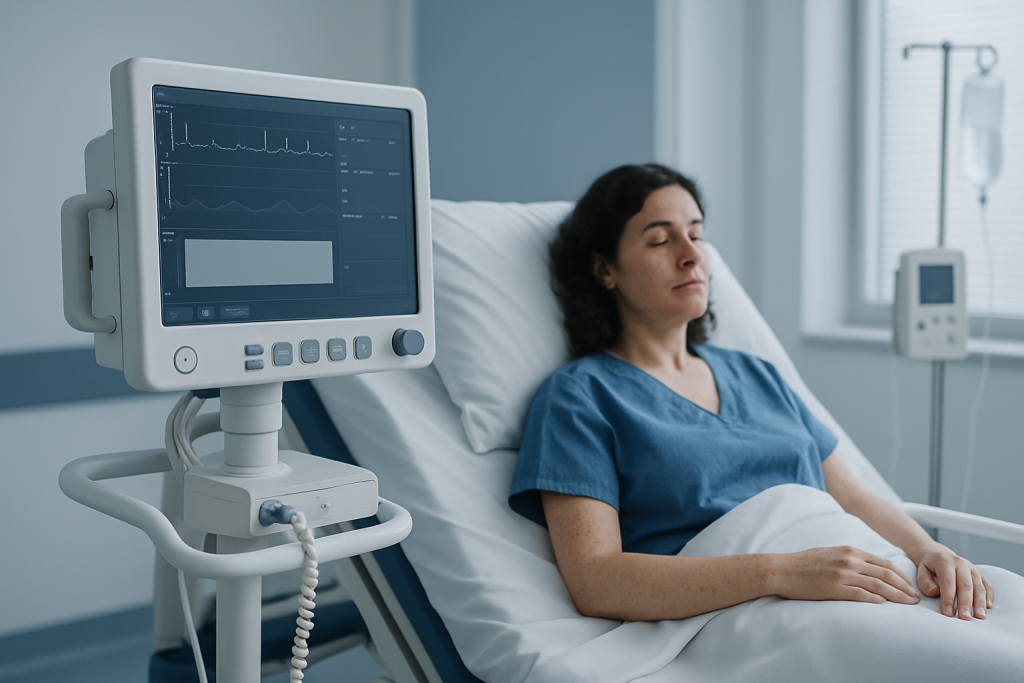
DRESS syndrome often begins with general symptoms that can feel like a viral illness. Fever, feeling unusually tired, and a spreading rash are common early signs. The skin may look red, blotchy, itchy, or swollen, and the face can become puffy in a way that stands out from ordinary rashes.
Other features may appear as the reaction evolves. Some people develop enlarged lymph nodes, sore throat, eye irritation, or discomfort in the upper abdomen if the liver is involved. Blood tests may show eosinophilia, which means a higher-than-normal level of a type of white blood cell linked to allergic and inflammatory responses.
Symptoms can vary widely from one person to another. A person should not wait for every classic sign to appear before seeking care, because DRESS syndrome may affect internal organs even when the skin findings seem moderate.
- Fever and flu-like discomfort
- Widespread rash or skin redness
- Facial swelling
- Fatigue or weakness
- Swollen lymph nodes
- Yellowing of the skin or eyes, dark urine, or reduced urine output if organs are involved
Causes & Risk Factors

DRESS syndrome is usually triggered by a medication rather than by an infection or food exposure. The body appears to react abnormally to the drug, creating a strong immune response that can spread beyond the skin. Symptoms often begin two to eight weeks after starting the medicine, although the timing can differ.
Several medicines are more often linked with DRESS syndrome, including certain anti-seizure drugs, some antibiotics, allopurinol, and specific antiviral or anti-inflammatory medicines. That said, many different drugs have been reported as triggers, so a careful medication review matters more than focusing on one single drug class.
Not everyone exposed to a trigger medicine develops DRESS syndrome. Risk may be influenced by genetics, the specific drug, dose changes, immune factors, and sometimes prior drug sensitivity. A history of severe drug reactions should always be shared with future clinicians, especially when care is spread across countries or systems.
Diagnosis
Doctors diagnose DRESS syndrome by combining the story, the exam, and test results. The timing of a new medicine is a major clue, particularly when symptoms start after a delay rather than immediately. Because many illnesses can cause rash and fever, clinicians usually look for the full pattern rather than relying on one sign alone.
Blood tests are commonly used to check for eosinophilia, liver inflammation, kidney function changes, and other markers of organ stress. Depending on the symptoms, a clinician may also order urine tests, chest imaging, or additional studies to understand whether the lungs, liver, kidneys, or heart are affected. In some situations, a skin biopsy may help support the diagnosis, although it is not always required.
Reaching the diagnosis can take careful detective work, especially if the person has taken several medicines or received treatment in different places. Keeping a clear list of all prescription drugs, over-the-counter medicines, supplements, and recent antibiotic courses can make the process faster and safer.
Treatment Options
The first and most important step is usually to stop the suspected trigger medication, but this should be done with medical guidance. Some medicines cannot simply be ended without a plan, so a clinician may help choose an alternative or supervise a safe transition. The earlier the trigger is recognized, the easier it is to limit ongoing exposure.
Treatment often includes supportive care tailored to the organs involved. Many people need close observation, fluids, skin care, and medicines to reduce inflammation. Corticosteroids are commonly used in moderate to severe cases, especially when there is organ involvement, though the decision depends on the individual situation and the treating team’s judgment.
When the liver, kidneys, lungs, or other organs are affected, hospital care may be needed for monitoring and follow-up tests. Recovery can take time, and symptoms may improve gradually rather than all at once. Because DRESS syndrome can sometimes flare during recovery, ongoing medical review is an important part of treatment planning.
Prevention & Self-care
Prevention starts with communication. Anyone who has had DRESS syndrome should keep the name of the trigger drug documented and share it with every future healthcare provider. This is especially important when crossing borders for treatment or returning home after a hospital stay, since medication names and brand names may differ from country to country.
For daily self-care during recovery, rest and hydration are helpful, but self-management should not replace clinical follow-up. A person should avoid starting new medicines, herbal products, or supplements without checking with a doctor, because it can be difficult to tell which product is responsible if a reaction occurs. Gentle skin care and sun protection may also help if the rash leaves the skin sensitive.
- Keep an updated medication list, including allergies and past reactions
- Ask whether the trigger drug should be entered as a serious allergy in all records
- Request clear instructions for follow-up blood tests after discharge
- Tell every clinician, dentist, and pharmacist about the history of DRESS syndrome
When to See a Doctor
A doctor should be contacted promptly if a rash appears after starting a new medicine, especially if it comes with fever, facial swelling, or unusual fatigue. DRESS syndrome can resemble other skin reactions at first, so early assessment is the safest path. Waiting to see whether it settles on its own is not a good idea when systemic symptoms are present.
Urgent evaluation is especially important if there is yellowing of the eyes, dark urine, shortness of breath, chest discomfort, reduced urination, confusion, or severe weakness. These signs may point to organ involvement and need timely assessment. If a person has already been told they may have DRESS syndrome, follow-up should continue even if the rash begins to fade.
For international patients, specialist review can be useful when the initial workup is incomplete or when records need to be organized across systems. Acibadem Health Point’s multidisciplinary specialists and JCI-accredited hospitals diagnose and treat DRESS syndrome for international patients, with coordinated care that can support both the acute episode and the recovery period.
Living With a Past History of DRESS Syndrome
After recovery, the main goal is to avoid a repeat reaction and to watch for any lingering organ effects. Some people recover fully, while others need longer monitoring for liver, kidney, or other test abnormalities to return to normal. Follow-up visits allow the care team to confirm that the body has settled and that no late complications are appearing.
A past history of DRESS syndrome should be treated as important medical information, similar to a severe allergy. It can affect future choices for pain relief, antibiotics, seizure management, or gout treatment, depending on which drug triggered the reaction. When a person understands the exact trigger, future prescribing becomes much safer.
Patients traveling between countries may find it helpful to carry a written summary of the reaction, the suspected drug, and any test results or discharge notes. That small step can prevent confusion and reduce the chance of accidental re-exposure.
Outlook
The outlook for DRESS syndrome depends on how quickly the trigger is stopped and whether internal organs are involved. Many people improve with prompt treatment and careful follow-up. Recovery can be gradual, and some symptoms may linger longer than expected, especially if the liver or kidneys were affected.
Because the condition is uncommon, it can be easy to misread as a routine rash or infection at first. That is why a careful medication history and timely evaluation matter so much. With informed care, the risks can be managed more effectively and future exposure can usually be avoided.
Frequently asked questions
What does DRESS syndrome stand for?
DRESS syndrome stands for drug reaction with eosinophilia and systemic symptoms. The name reflects both the skin findings and the internal immune response that can affect blood and organs.
How soon after starting a medicine can DRESS syndrome appear?
It often appears several days to weeks after the medicine is started, and sometimes after a longer delay. That timing is one reason it can be mistaken for another illness at first.
Is DRESS syndrome the same as a normal drug rash?
No. A simple drug rash is usually limited to the skin, while DRESS syndrome can involve fever, blood changes, and organ inflammation. Because of that, it needs medical assessment rather than home treatment alone.
Can DRESS syndrome happen with over-the-counter medicines or supplements?
It is less common, but medication reactions can involve many types of products. Any new medicine, including non-prescription products or supplements, should be mentioned to the doctor during evaluation.
How is DRESS syndrome treated?
The first step is to stop the suspected trigger medicine under medical guidance. Treatment may also include corticosteroids, supportive care, and monitoring of blood tests and organ function.
Can someone take the same medicine again after DRESS syndrome?
Re-exposure is usually avoided because it can trigger another reaction. The trigger drug should be clearly documented, and alternatives should be discussed with a qualified clinician.
References
- World Health Organization
- National Institute of Allergy and Infectious Diseases
- Mayo Clinic
- British Association of Dermatologists
- Cleveland Clinic
This article is for general information only and is not a substitute for professional medical advice. Please consult a qualified doctor about your individual situation.