Can You Die From Acid Reflux In Your Sleep

Key Takeaways
- Most people do not die from ordinary acid reflux during sleep, but severe or untreated reflux can be harmful over time.
- Nighttime reflux may cause choking, coughing, chest discomfort, sour taste, or disrupted sleep.
- Repeated symptoms can point to GERD, hiatal hernia, swallowing problems, or other conditions that need medical evaluation.
- Lifestyle changes, sleep-position adjustments, and medicines can often improve nighttime reflux.
- Urgent care is needed for chest pain, trouble breathing, vomiting blood, black stools, or difficulty swallowing.
Acid reflux is common, and while most nighttime episodes are uncomfortable rather than life-threatening, reflux that reaches the throat or airway can create real health risks and should not be ignored. Understanding the warning signs, triggers, and treatment options can help protect sleep and reduce complications.
Overview
For many people, acid reflux is an occasional inconvenience after a heavy meal. At night, though, symptoms can feel more alarming because they happen while the body is relaxed and lying flat. That is why the question, “Can you die from acid reflux in your sleep?” comes up so often.
In most cases, acid reflux alone does not suddenly become fatal during sleep. The larger concern is not a single episode of heartburn, but reflux that is frequent, severe, or moving beyond the stomach and esophagus into the throat and airway. When that happens, it can interrupt breathing, disturb rest, and contribute to longer-term complications that deserve medical attention.
Acid reflux happens when stomach contents flow backward into the esophagus. If it occurs often, doctors may call it gastroesophageal reflux disease, or GERD. For people who travel, sleep in unfamiliar beds, eat at different times, or manage stress across time zones, nighttime reflux may become more noticeable and harder to predict. The good news is that it is usually manageable once the pattern is understood.
Symptoms That Matter at Night
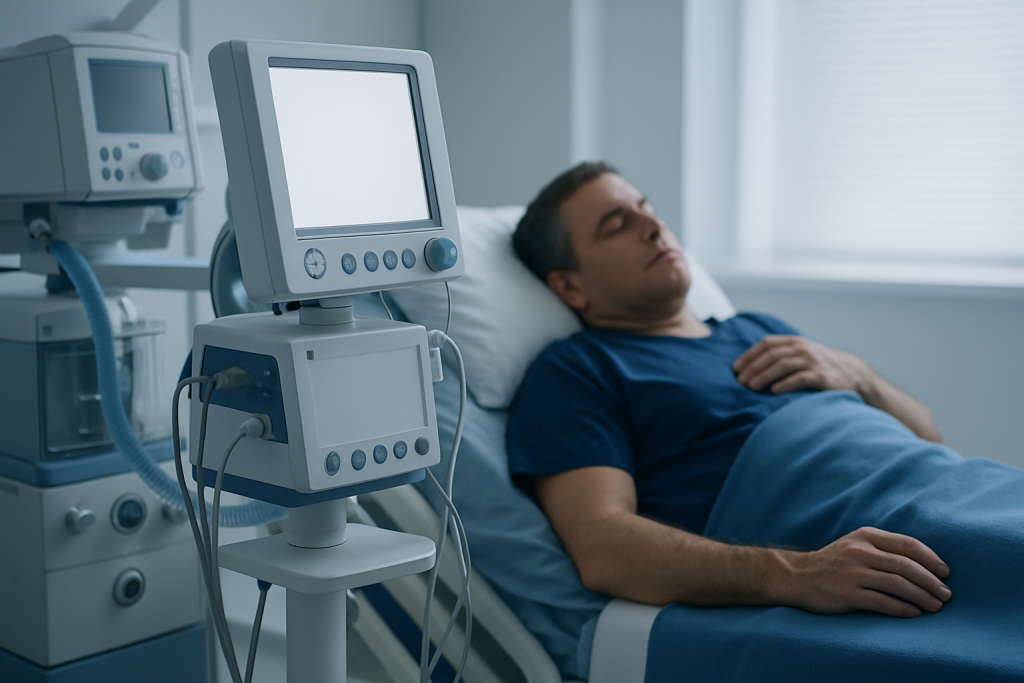
Nighttime reflux does not always feel like classic burning in the chest. Some people notice a sour or bitter taste in the mouth, a burning sensation in the throat, or a feeling that food is coming back up after they lie down. Others wake with coughing, hoarseness, a dry throat, or the urge to clear the throat repeatedly.
Some symptoms can be especially disruptive during sleep. These include choking or gagging sensations, waking suddenly with coughing, wheezing, or a feeling that breathing is briefly difficult. In people with more sensitive airways, reflux may irritate the throat and trigger spasms or a tight sensation in the chest.
Common nighttime reflux symptoms may include:
- Heartburn after lying down
- Sour or acidic taste in the mouth
- Regurgitation of food or liquid
- Night coughing or throat clearing
- Hoarseness or a sore throat in the morning
- Sleep that is repeatedly interrupted
These symptoms are important because they suggest that stomach contents are reaching areas above the stomach. When this happens often, sleep quality may decline, and the person may start avoiding meals, social events, or travel routines that seem to trigger symptoms.
Causes & Risk Factors

Acid reflux tends to worsen when the valve between the esophagus and stomach, known as the lower esophageal sphincter, does not close tightly enough. Lying flat removes gravity’s help, making it easier for acid to move upward during the night. A full stomach can add pressure and make reflux more likely after dinner or late-evening snacking.
Several factors can raise the chance of nighttime reflux. These may include overweight or obesity, hiatal hernia, pregnancy, smoking, alcohol use, large or fatty meals, and eating close to bedtime. Certain foods and drinks, such as chocolate, peppermint, coffee, acidic foods, and carbonated beverages, may trigger symptoms in some people, though triggers vary from person to person.
Other factors can make symptoms more persistent or more concerning. These include asthma, chronic nasal congestion, swallowing problems, delayed stomach emptying, and some medicines that relax the valve or irritate the esophagus. A person who has reflux only when traveling, sleeping in unfamiliar settings, or eating later than usual may still need assessment if the problem keeps returning.
Diagnosis
Doctors usually begin by asking about the symptom pattern: when it happens, what it feels like, whether it wakes the person from sleep, and whether food, body position, or travel routines seem to make it worse. This history is often enough to suspect reflux, but nighttime symptoms sometimes overlap with asthma, sleep apnea, heart problems, or swallowing disorders.
If symptoms are frequent, severe, or not improving, a doctor may recommend tests to look more closely at the esophagus and stomach. Common evaluations include an upper endoscopy to examine the lining of the digestive tract, pH monitoring to measure acid exposure, esophageal pressure testing in selected cases, or imaging when another cause is suspected.
Diagnosis is especially important when reflux symptoms appear in someone who has trouble swallowing, unexplained weight loss, recurrent vomiting, anemia, or symptoms that do not respond to standard measures. In an international-patient setting, specialists may coordinate these studies efficiently so the cause can be identified before the patient returns home.
Treatment Options
Treatment usually starts with measures that reduce the amount of reflux reaching the esophagus at night. Doctors may suggest adjustments to meals, sleep position, and daily habits first, and then add medicine if symptoms continue. The goal is not only comfort, but also reducing irritation and protecting the throat and esophagus from repeated exposure.
Medicines commonly used for reflux include acid-reducing therapies and antacids, chosen according to symptom frequency and severity. Some people benefit from a short-term plan, while others with GERD may need longer treatment and follow-up. Because the best option depends on the full medical picture, treatment should be guided by a qualified clinician rather than self-directed indefinitely.
When reflux is linked to a structural issue such as a hiatal hernia, or when symptoms remain severe despite medical therapy, a doctor may discuss procedural or surgical options. These decisions are individualized and usually based on symptom burden, test results, and how well the person responds to non-surgical care.
For people managing reflux while traveling, treatment plans should be practical and portable. A doctor may help the patient understand how to take medicines consistently across time zones, which foods to avoid during the trip, and which symptoms mean local medical attention is needed.
Prevention & Self-care
Simple changes can make nighttime reflux less likely. Many people do better when they finish eating several hours before going to bed, keep dinner portions moderate, and avoid lying down immediately after meals. Elevating the head of the bed can also reduce backflow during sleep; extra pillows usually work less well than raising the upper body in a steady slope.
It can help to notice patterns rather than rely on a single “forbidden food” list. Some people are sensitive to spicy meals, tomato-based dishes, citrus, coffee, chocolate, alcohol, or peppermint, while others are not. A brief symptom diary can reveal whether reflux is tied to late dinners, stress, heavy airport meals, jet lag, or long days without regular eating.
Useful self-care steps often include:
- Eating smaller meals, especially in the evening
- Waiting before lying down after eating
- Sleeping on the left side if comfortable, as some people find this helps
- Avoiding smoking and limiting alcohol
- Maintaining a healthy body weight when possible
- Wearing looser clothing around the waist at night
If symptoms occur mainly during travel, planning can help. Packing prescribed medicines, avoiding large late meals after long flights, and keeping a regular sleep routine when possible may all reduce nighttime reflux.
When to See a Doctor
Medical care is important when reflux happens often, wakes the person from sleep, or interferes with eating, resting, or breathing. Even if the discomfort comes and goes, repeated nighttime symptoms can signal GERD or another condition that should be evaluated. A doctor can help determine whether symptoms are simple reflux or something that needs a broader workup.
Prompt medical attention is especially important if the person has chest pain, shortness of breath, black stools, vomiting blood, persistent vomiting, difficulty swallowing, food sticking in the throat, or unexplained weight loss. These symptoms should not be assumed to be ordinary heartburn.
For travelers or patients seeking care away from home, it can be reassuring to know that evaluation does not always require a long hospital stay. A gastroenterology team can often guide the next steps, arrange testing, and provide a clear follow-up plan before the patient returns home. Acibadem Health Point’s multidisciplinary specialists and JCI-accredited hospitals diagnose and treat reflux-related conditions for international patients with coordinated, patient-focused care.
Living With Nighttime Reflux
Nighttime reflux is common enough that many people dismiss it, but recurring symptoms are worth taking seriously. The condition is usually manageable once triggers are recognized and treatment is tailored to the person’s routine, health history, and sleep habits.
People often feel better when they combine medical guidance with practical changes that fit real life, including work schedules, family meals, and travel. That might mean adjusting dinner timing, improving sleep posture, or refining a medicine plan that can be followed consistently across different countries and time zones.
With the right evaluation, most patients can reduce symptoms, sleep more comfortably, and lower the chance that reflux will keep interrupting nights. If symptoms change, become more frequent, or begin affecting breathing or swallowing, a review with a doctor is the safest next step.
Frequently asked questions
Can you die from acid reflux in your sleep?
Ordinary acid reflux is not usually fatal during sleep. The concern is more about severe or repeated reflux, especially if it causes choking, breathing problems, or long-term damage to the esophagus and throat. Anyone with concerning nighttime symptoms should speak with a doctor.
Why is acid reflux worse when lying down?
When a person lies flat, gravity no longer helps keep stomach contents down. If the valve between the stomach and esophagus is weak, acid can move upward more easily and cause symptoms at night.
What should someone do if reflux wakes them up?
They can sit up, sip water, and avoid lying flat again until the burning or regurgitation settles. If symptoms happen repeatedly or are severe, they should arrange medical evaluation rather than simply waiting it out.
How can nighttime reflux be reduced naturally?
Smaller evening meals, avoiding food close to bedtime, and raising the head of the bed often help. Some people also improve with weight management, reducing alcohol, and avoiding personal trigger foods.
Is coughing at night always caused by reflux?
No. Night cough can also be linked to asthma, postnasal drip, infections, or sleep apnea. If coughing happens often at night, a doctor should evaluate the cause instead of assuming it is reflux.
When is reflux more than simple heartburn?
Reflux becomes more concerning when it is frequent, interferes with sleep, or comes with trouble swallowing, vomiting, weight loss, chest pain, or breathing symptoms. Those signs can suggest GERD or another condition that needs assessment.
References
- National Institute of Diabetes and Digestive and Kidney Diseases
- American College of Gastroenterology
- Mayo Clinic
- World Gastroenterology Organisation
- Cleveland Clinic
This article is for general information only and is not a substitute for professional medical advice. Please consult a qualified doctor about your individual situation.