Ggt Blood Test

Key Takeaways
- GGT is a liver-associated enzyme, but a high result does not point to one single diagnosis.
- Doctors usually interpret GGT together with other liver tests and the person’s symptoms, medicines, and alcohol history.
- The test may be ordered to look for bile duct problems, liver inflammation, or medication-related changes.
- Lifestyle factors such as alcohol use and some medicines can influence GGT levels.
- A medical review is important if GGT stays elevated or if it appears with jaundice, pain, or other concerning symptoms.
The GGT blood test measures an enzyme that can help doctors assess liver and bile duct health. It is often used alongside other blood tests because an abnormal result can have several possible causes, many of them manageable.
Overview
The GGT blood test measures gamma-glutamyl transferase, an enzyme found in the liver and the bile ducts, with smaller amounts in other tissues. In everyday practice, it is usually ordered as part of a broader liver assessment rather than as a stand-alone answer.
For patients, the test is often a first clue that prompts a more complete look at liver health. A result outside the expected range does not automatically mean serious disease; it simply tells the doctor that something deserves closer attention.
That broader perspective matters, especially for international patients who may have had testing in one country and then continue care elsewhere. A good interpretation depends on the whole picture: symptoms, medications, alcohol use, past medical history, and the results of related blood tests.
Symptoms
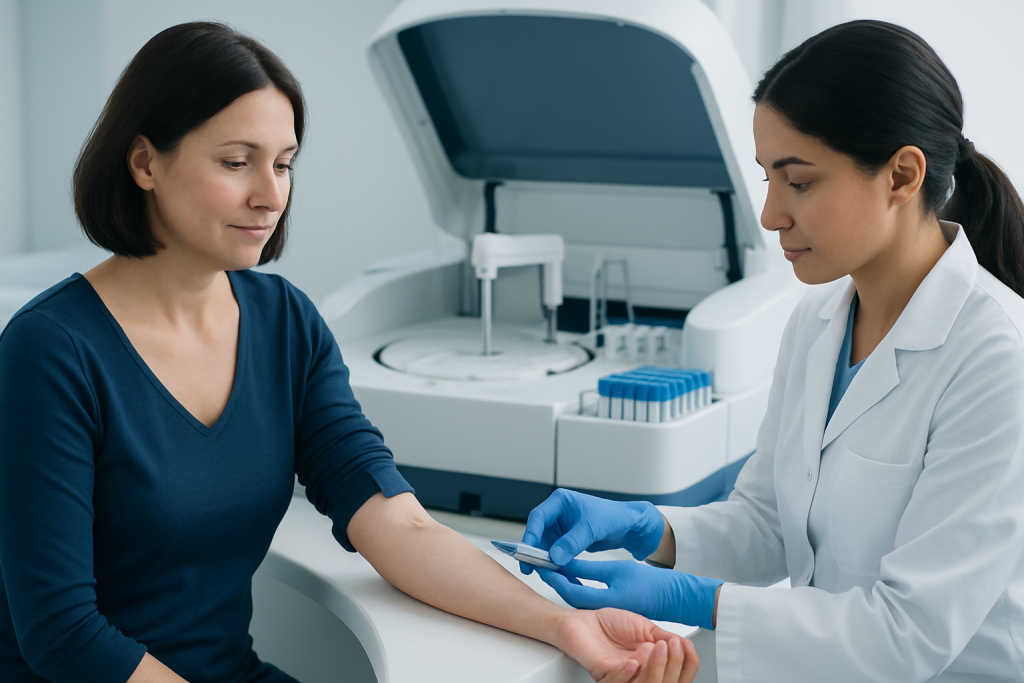
The GGT blood test itself does not cause symptoms, but it is often ordered because a person has signs that suggest liver or bile duct stress. These may include yellowing of the skin or eyes, dark urine, pale stools, itching, tiredness, nausea, or pain in the upper right side of the abdomen.
Some people feel completely well when their GGT is found to be high. In those cases, the result may come from routine screening or from a panel ordered for another reason, such as a medication check or follow-up after previous liver test changes.
Symptoms are not specific to GGT alone. Doctors use them to decide whether the issue is more likely related to the liver, the bile ducts, the pancreas, alcohol exposure, or another medical condition.
Causes & Risk Factors

GGT can rise for many reasons, and the test is best understood as a signal rather than a diagnosis. Common causes include bile duct obstruction, fatty liver disease, alcohol-related liver injury, viral hepatitis, and inflammation of the liver.
It can also increase with certain medicines, especially some anti-seizure drugs, cholesterol-lowering medicines, and other treatments that affect the liver. Because of this, doctors often ask about prescription medications, over-the-counter products, and herbal supplements before drawing conclusions.
Risk factors for an elevated result may include:
- Regular or heavy alcohol use
- Known liver disease
- Obesity or metabolic syndrome
- Diabetes
- Recent use of medicines that can affect liver enzymes
- Bile duct disease or gallstones
Age, smoking, and overall metabolic health may also influence the likelihood of an abnormal result. In some people, a mildly elevated GGT appears without a clear cause and is monitored over time rather than treated immediately.
Diagnosis
The blood draw for GGT is straightforward and usually performed after a clinician orders a liver panel or related chemistry tests. Fasting is not always required, but the instructions may vary depending on the full set of tests being done.
What makes GGT useful is its context. Doctors often review it together with ALT, AST, alkaline phosphatase, bilirubin, and sometimes additional markers to see whether the pattern suggests liver-cell irritation, bile flow problems, or something else entirely.
If GGT is elevated, the next steps may include a physical exam, repeat blood tests, imaging such as ultrasound, or testing for hepatitis and other liver conditions. In many cases, the goal is not to chase the number alone, but to find the reason behind it.
Treatment Options
There is no treatment aimed at lowering GGT by itself. Management focuses on the underlying cause, which may include treating liver disease, addressing bile duct blockage, adjusting medications, or reducing alcohol intake under medical guidance.
If a medicine is suspected, the prescribing doctor may review whether the drug is still needed or whether a safer alternative exists. If liver inflammation or fatty liver disease is involved, treatment often includes lifestyle changes, metabolic health management, and follow-up testing.
When the problem is related to the bile ducts or gallbladder, treatment depends on the specific diagnosis and may range from observation to procedure-based care. For people living abroad, it can be helpful to bring previous lab reports and medication lists so the treating team can compare results across time and avoid unnecessary repetition.
Prevention & Self-care
Not every elevated GGT result can be prevented, but the liver generally benefits from habits that reduce strain. Limiting alcohol, maintaining a healthy weight, and staying active can support better liver enzyme patterns over time.
Self-care also includes thoughtful medication use. Patients should avoid starting or stopping prescription drugs, supplements, or herbal products without medical advice, since some can influence liver tests or interact with other treatments.
Helpful day-to-day measures include:
- Following the doctor’s instructions about repeat testing
- Sharing a full list of medicines and supplements
- Choosing balanced meals and regular physical activity
- Keeping alcohol intake within the limits advised by a clinician
- Managing diabetes, cholesterol, and blood pressure when present
For travelers who are receiving care in another country, planning ahead helps. Keeping digital copies of results, arranging follow-up before departure, and knowing who to contact if symptoms change can make the process smoother and safer.
When to See a Doctor
A doctor should review a high GGT result, especially if it stays elevated on repeat testing or appears with other abnormal liver markers. Medical attention is also important if there are symptoms such as jaundice, persistent abdominal pain, fever, unexplained weight loss, vomiting, or swelling of the abdomen.
It is also wise to seek medical advice before assuming that alcohol is the only explanation. GGT can be influenced by several conditions, and a careful evaluation helps avoid missing a treatable cause.
For international patients, continuity matters. If care is being coordinated across borders, a multidisciplinary team can help interpret prior tests, plan imaging or additional lab work, and organize follow-up after the return trip. Acibadem Health Point’s multidisciplinary specialists and JCI-accredited hospitals diagnose and treat this condition for international patients.
Frequently Asked Questions
If you are looking at a GGT result for the first time, it is normal to have questions. The answers below explain how doctors usually think about the test and what it can, and cannot, tell a person.
The most important point is that GGT is one piece of a larger picture. It is useful because it can guide further evaluation, but it is rarely interpreted in isolation.
Frequently asked questions
What does a GGT blood test measure?
The test measures gamma-glutamyl transferase, an enzyme linked mainly to the liver and bile ducts. Doctors use it to help understand whether a liver-related problem may be present, especially when other liver tests are also abnormal.
Does a high GGT mean liver disease?
Not always. A high result can happen for many reasons, including alcohol use, certain medicines, fatty liver disease, or bile duct problems. That is why the result must be interpreted together with other tests and the person’s history.
Do I need to fast before a GGT blood test?
Often, fasting is not required for GGT alone, but instructions depend on the full set of tests being ordered. The laboratory or doctor should provide clear preparation guidance before the blood draw.
Can alcohol affect GGT levels?
Yes, alcohol can raise GGT in some people, sometimes even before other tests become abnormal. However, alcohol is not the only cause, so a doctor should still review the full clinical picture.
How long does it take for GGT to change after treatment or lifestyle changes?
The timeline varies depending on the cause, the person’s overall health, and the type of treatment. Doctors often repeat blood tests after an appropriate interval to see whether the level is improving.
What if my GGT is high but I feel fine?
That situation is fairly common. A doctor may recommend repeating the test, checking other liver markers, reviewing medicines and alcohol use, or ordering imaging if needed.
References
- MedlinePlus
- National Institute of Diabetes and Digestive and Kidney Diseases
- American Association for the Study of Liver Diseases
- Mayo Clinic Laboratories
This article is for general information only and is not a substitute for professional medical advice. Please consult a qualified doctor about your individual situation.