Hernia Symptoms: Signs, Causes and Treatment

Key Takeaways
- A hernia often causes a lump or bulge that may become more noticeable with coughing, lifting, or standing.
- Pain, aching, heaviness, bloating, or a dragging sensation can also be part of the picture.
- Some hernias are silent at first and are found during a routine exam or imaging test.
- Diagnosis is usually based on a physical examination and sometimes ultrasound, CT, or endoscopy.
- Sudden severe pain, a hard bulge, vomiting, or skin color changes need urgent medical attention.
Medically reviewed by the Acıbadem clinical team — August 19, 2026
Hernias can cause a noticeable bulge, discomfort, or pressure, but the symptoms vary depending on where the hernia forms. Understanding these signs can help a person seek timely medical advice and avoid complications.
Overview
A hernia happens when an internal tissue or organ pushes through a weak spot in the muscle or connective tissue that normally holds it in place. For many people, the first clue is a bulge that appears in the groin, abdomen, belly button, or around a surgical scar. The exact symptoms depend on the hernia’s location and size, as well as whether it is easily pushed back in or remains trapped.
Some hernias are easy to notice, while others create only vague discomfort that comes and goes. That is one reason people sometimes delay evaluation, especially if the symptoms seem mild or happen only after lifting, straining, or a long day on their feet. Even when symptoms are subtle, a medical assessment helps clarify whether the issue is a hernia or another condition with similar signs.
For international patients, the practical question is often not just “Is this a hernia?” but “How urgent is it, and what is the best next step while traveling or planning care abroad?” A careful diagnosis can help decide whether monitoring, lifestyle changes, or surgery is the most appropriate path.
Common Hernia Symptoms
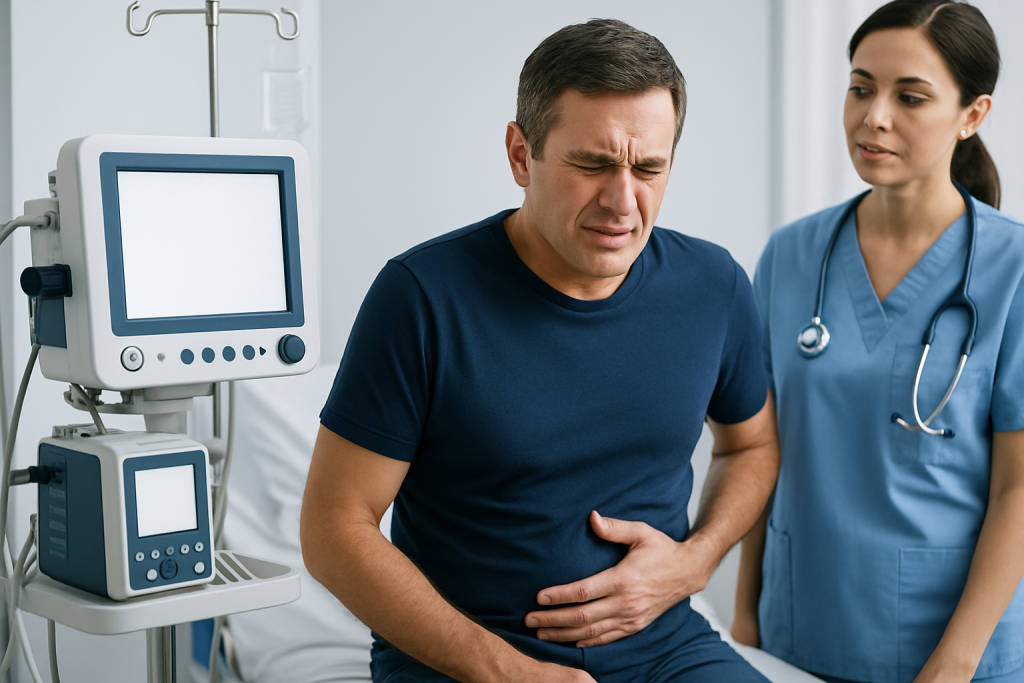
The most recognized sign is a visible or felt lump. It may be more obvious when standing, coughing, laughing, or straining, and it may shrink or disappear when lying down. In some people, the bulge is soft and painless; in others, it feels tender or becomes uncomfortable during activity.
Pain is not always sharp. Many people describe a dull ache, pressure, pulling, or a sense of heaviness in the area. Groin hernias may cause discomfort that worsens with walking, exercise, or lifting. Abdominal wall hernias may create soreness near the navel or previous incision site. Hiatal hernias can behave differently, often causing reflux-like symptoms rather than an external bulge.
- Noticeable bulge in the groin, abdomen, or near the navel
- Aching, pressure, or burning discomfort
- Pain that increases with lifting, coughing, or straining
- Heaviness or a dragging sensation
- Digestive symptoms such as reflux, fullness, or bloating in some hernia types
Symptoms may fluctuate from day to day. A hernia can seem quiet for weeks and then become more noticeable after constipation, heavy exercise, pregnancy, persistent coughing, or a long period of standing. This pattern often helps doctors recognize the problem during evaluation.
Symptoms by Hernia Type

Different hernia types tend to announce themselves in different ways. Inguinal hernias, which occur in the groin, often produce a bulge and pressure that may extend into the scrotum in men. Femoral hernias, also in the groin region, may be smaller and less obvious, which can make them harder to spot early.
Umbilical hernias appear at or near the belly button and are often noticed as a soft swelling. Incisional hernias can form near a previous surgical scar and may become more visible when standing or straining. Hiatal hernias are internal; because they sit higher up, they often cause heartburn, chest discomfort, regurgitation, trouble swallowing, or a feeling of fullness after small meals rather than a visible lump.
Some hernias do not cause much pain at first, but the body may still be giving signals. A new bulge, repeated discomfort in the same spot, or digestive symptoms that do not fit a typical pattern should be discussed with a clinician, especially if the person has had previous abdominal surgery or a known connective tissue weakness.
Causes & Risk Factors
Hernias develop when pressure inside the abdomen meets an area of weakness in the muscle or fascia. That weakness can be present from birth, or it can develop over time. In many cases, the cause is a mix of strain and tissue vulnerability rather than one single event.
Common factors that can raise the chance of a hernia include heavy lifting, chronic coughing, repeated straining during bowel movements, pregnancy, obesity, smoking, and prior surgery. Age can also play a role, since tissues may lose strength over time. Some people inherit a tendency toward weaker connective tissue, which can make hernias more likely.
It is important to note that hernias are not always caused by something a person did “wrong.” Many appear despite reasonable habits. Still, recognizing the factors that add strain to the abdominal wall can help with prevention and may reduce the chance of symptoms worsening while waiting for treatment.
Diagnosis
Doctors usually begin with a focused medical history and physical examination. They may ask when the bulge appears, what makes it larger or smaller, whether pain is present, and whether the person has nausea, vomiting, reflux, or bowel changes. Standing and coughing during the exam can make a hernia easier to detect.
If the diagnosis is not clear, imaging may be recommended. Ultrasound is often helpful for groin or abdominal wall hernias. CT scans can show the size and location of more complex hernias, especially when symptoms are not straightforward. For hiatal hernias or reflux-related symptoms, endoscopy or other digestive tests may be used to look inside the upper gastrointestinal tract.
The main goal is not only to confirm that a hernia is present, but also to understand whether it is reducible, whether tissue is trapped, and whether any signs suggest a need for prompt treatment. This is especially useful for patients organizing care from another country, where timing, travel, and recovery planning all matter.
Treatment Options
Treatment depends on the hernia type, symptoms, and risk of complications. Small, minimally symptomatic hernias may be monitored for a period of time, especially if a doctor feels the immediate risk is low. During observation, the focus is usually on reducing strain and watching for changes in pain, size, or function.
When surgery is recommended, the goal is to close the weak area and return the tissue to its proper position. Repair may be done through traditional open surgery or minimally invasive techniques, depending on the hernia and the patient’s overall health. For some hiatal hernias, treatment may include medicines to manage reflux symptoms, with surgery considered in selected cases.
There is no one-size-fits-all plan. A person with a small, painless hernia may need a different approach than someone whose daily activities, digestion, or comfort are clearly affected. A qualified surgeon can explain the benefits and trade-offs of each option in plain language, including what recovery may look like for someone who will return home after treatment.
Prevention & Self-care
Not every hernia can be prevented, but some habits can lower strain on the abdominal wall and support recovery. Managing constipation, treating chronic cough, maintaining a healthy weight, and using proper lifting technique are all sensible steps. If smoking is part of the picture, stopping can support tissue healing and overall surgical readiness.
People who already know they have a hernia are often advised to pay attention to symptom changes rather than pushing through pain. A supportive abdominal binder may be suggested in some situations, but it does not fix the hernia itself. Gentle activity is usually better than sudden heavy exertion, and any exercise plan should be discussed with a clinician if symptoms are already present.
For patients traveling for care, self-care also means planning realistically: arranging follow-up, knowing what symptoms should prompt a call, and having a clear understanding of when it is safe to resume work, exercise, or long-distance travel. Clear instructions can make recovery smoother and less stressful.
When to See a Doctor
Any new or persistent bulge should be checked by a healthcare professional, even if it is not painful. Early evaluation can confirm the diagnosis, rule out other causes, and help decide whether monitoring or repair is the right course. This is especially important if symptoms are interfering with walking, lifting, eating, or sleeping.
Urgent medical attention is needed if the bulge becomes hard, very painful, red, or cannot be pushed back in, or if the person has vomiting, fever, abdominal swelling, or sudden worsening pain. These can be warning signs that blood flow to the trapped tissue may be affected, which requires prompt care.
Acibadem Health Point’s multidisciplinary specialists and JCI-accredited hospitals diagnose and treat hernias for international patients who need coordinated evaluation and follow-up. For a person planning treatment from abroad, having a clear diagnosis, a shared care plan, and organized postoperative guidance can make the process feel far more manageable.
Frequently asked questions
Can a hernia go away on its own?
A hernia does not usually heal on its own because the weak spot in the tissue remains. Some small hernias can be watched for a time if symptoms are mild, but a doctor should guide that decision.
Does every hernia cause pain?
No, some hernias cause only a bulge or a feeling of pressure. Pain may appear later or only during activity, coughing, or lifting.
How can someone tell if a bulge is a hernia?
A bulge that changes with standing, coughing, or straining often suggests a hernia, but only a clinician can confirm it. Similar-looking lumps can also come from other conditions, so an exam is important.
What makes a hernia an emergency?
Severe pain, a hard or discolored bulge, vomiting, fever, or a bulge that cannot be pushed back in are concerning signs. These symptoms need urgent medical evaluation.
Is surgery always needed for a hernia?
Not always. The need for surgery depends on the hernia type, symptoms, and the risk of complications, so a doctor may recommend monitoring in some cases and repair in others.
Can exercise make hernia symptoms worse?
Heavy lifting or intense straining can make symptoms more noticeable. A clinician can advise which activities are safe and which should be limited while the hernia is being evaluated.
References
- Mayo Clinic
- Cleveland Clinic
- National Institute of Diabetes and Digestive and Kidney Diseases
- NHS
- American College of Surgeons
This article is for general information only and is not a substitute for professional medical advice. Please consult a qualified doctor about your individual situation.
Explore treatments in Turkey — costs, top hospitals & a free quote
JCI-accredited · board-certified surgeons · reply within 24h
Add us as a Preferred Source to see more of our trusted health content across Google Search, AI Overviews and Discover.