Hemiplegia: Causes, Symptoms and Treatment

Key Takeaways
- Hemiplegia affects one side of the body and can change movement, balance, speech, and daily function.
- Stroke is the most common cause, but brain injury, tumors, infections, and some congenital conditions can also lead to hemiplegia.
- Diagnosis usually includes a neurological exam and brain imaging to identify the underlying cause.
- Treatment focuses on treating the cause, preventing complications, and rebuilding function through rehabilitation.
- Recovery varies widely, and early, coordinated therapy often supports the best possible independence.
Medically reviewed by the Acıbadem clinical team — August 19, 2026
Hemiplegia is a neurological condition that causes weakness or paralysis on one side of the body. It most often follows a stroke, but it can also result from other brain or spinal cord problems, making timely evaluation and rehabilitation important.
Overview
Hemiplegia describes weakness or paralysis that affects one side of the body. The term is used when the problem is strong enough to significantly limit movement, posture, and daily activities on the left or right side.
It is not a disease by itself. Instead, hemiplegia is a sign that part of the nervous system has been injured or disrupted. In many adults, it appears suddenly after a stroke. In children or younger adults, it may be linked to conditions present before birth, head injury, infection, or other brain disorders.
For people and families facing care across borders, the first priority is usually not the label itself but the question behind it: what caused the weakness, how quickly is it changing, and what can be done to protect function. That is why hemiplegia is best approached as both a medical diagnosis and a rehabilitation journey.
Symptoms
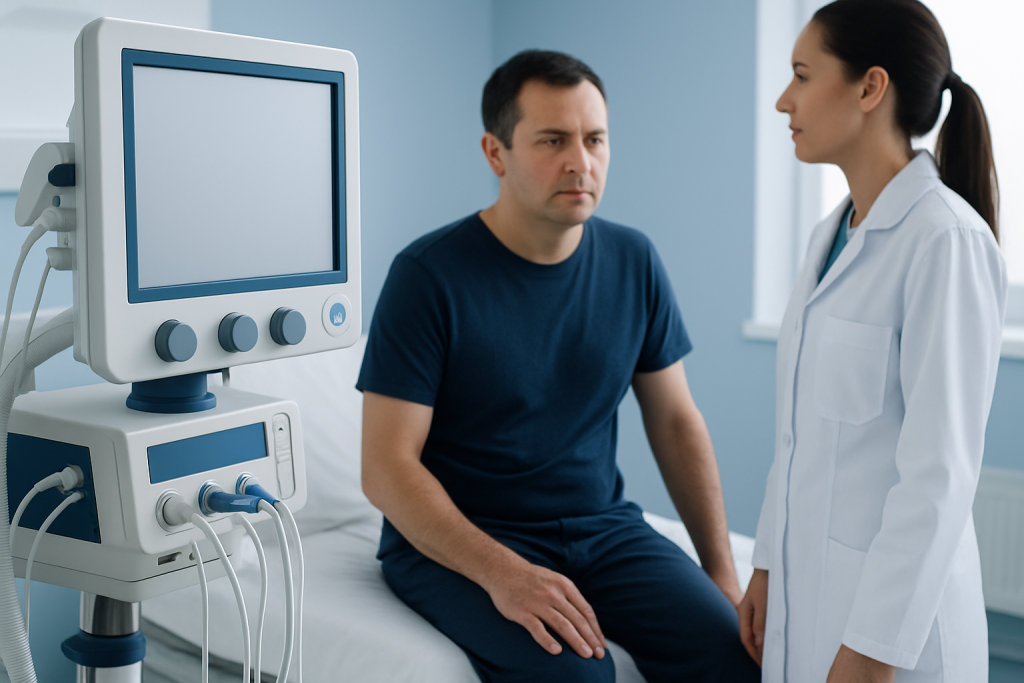
The most visible feature is reduced movement on one side of the body. This may be complete inability to move, or it may be a milder pattern of marked weakness, heaviness, or poor control. The face, arm, and leg on the same side are often involved together, although one area can be affected more than another.
Hemiplegia can also change the way a person speaks, swallows, balances, or uses everyday objects. Some people notice stiffness or spasticity over time, while others experience floppiness early on and then gradual tightening of muscles as the brain and body recover in different ways.
- Weakness or paralysis of one arm, one leg, or one side of the face
- Difficulty walking, standing, or keeping balance
- Reduced hand coordination and trouble with self-care tasks
- Speech, swallowing, or vision changes depending on the underlying cause
- Muscle stiffness, painful spasms, or shoulder discomfort
Because these signs can overlap with other urgent neurological problems, sudden one-sided weakness should always be taken seriously and assessed promptly.
Causes & Risk Factors

Stroke is the leading cause of hemiplegia in adults. When blood flow to part of the brain is interrupted or a blood vessel bleeds, brain cells may be injured in areas that control movement on the opposite side of the body. The result can be rapid-onset weakness or paralysis.
Other causes include traumatic brain injury, brain tumors, multiple sclerosis, infections affecting the brain, spinal cord lesions, and certain congenital conditions such as cerebral palsy. In children, hemiplegia may be linked to injury before birth, during delivery, or in early childhood, although the underlying story is not always obvious at first.
Risk factors depend on the cause. For stroke-related hemiplegia, common contributors include high blood pressure, diabetes, smoking, atrial fibrillation, high cholesterol, and previous stroke or transient ischemic attack. For non-stroke causes, the risk profile is tied more closely to trauma, structural brain disease, or inherited and developmental conditions.
Understanding the cause matters because treatment is not identical for every person. Two patients may both have hemiplegia, yet one may need urgent stroke care while another needs tumor treatment, seizure management, or long-term neurorehabilitation.
Diagnosis
Diagnosis begins with a neurological examination. A clinician checks strength, reflexes, sensation, coordination, speech, gait, and facial movement to understand where the problem may be coming from and how extensive it is.
Brain imaging is often central to the workup. CT scans may be used quickly in emergencies, especially when stroke is suspected, while MRI can provide more detailed information about brain tissue and is often helpful when the cause is less clear. Depending on the situation, blood tests, vascular studies, or spinal imaging may also be needed.
For patients arriving from abroad, a well-organized diagnostic plan can make a major difference. It helps determine whether the condition is recent or longstanding, whether additional urgent treatment is needed, and whether rehabilitation should begin right away. Families are often reassured when the care team explains both the diagnosis and the next step in plain language.
In some cases, additional specialists such as neurologists, neurosurgeons, physiatrists, speech therapists, or occupational therapists may be involved early so that the full impact of the condition is recognized, not just the visible weakness.
Treatment Options
Treatment depends entirely on the underlying cause. If hemiplegia results from stroke, care may include emergency stroke treatment, blood pressure management, clot prevention or removal in selected cases, and monitoring for complications. If it is caused by a tumor, infection, inflammatory disease, or trauma, the primary condition must be addressed first.
Rehabilitation is often the main long-term treatment. Physical therapy helps improve strength, balance, and mobility. Occupational therapy focuses on daily tasks such as dressing, eating, writing, and using the affected hand. Speech and language therapy may be needed if communication or swallowing is affected.
Other measures may include medications to reduce spasticity, supportive devices, braces, walkers, wheelchairs, or adapted tools that make daily tasks easier. Some patients may benefit from botulinum toxin injections, nerve blocks, or other specialist interventions when muscle tightness becomes difficult to manage.
Care plans are usually staged. At first, the focus may be on medical stability and safety. Later, the emphasis shifts to regaining function, preventing contractures and falls, and helping the person return to a meaningful routine. In international care settings, this often includes discharge planning that is practical for travel, home exercises, and coordinated follow-up once the patient returns home.
Prevention & Self-care
Not every case of hemiplegia can be prevented, especially when it is related to trauma, congenital conditions, or unforeseen brain disease. Still, many stroke-related cases can be reduced by controlling vascular risk factors and seeking prompt care for warning signs.
Self-care is important during recovery. Safe movement, regular therapy exercises, skin care, positioning, and fall prevention can protect function and comfort. If swallowing is affected, food and fluid recommendations from the care team should be followed carefully to lower the risk of choking or aspiration.
- Keep blood pressure, blood sugar, and cholesterol under medical guidance
- Do not ignore sudden facial droop, arm weakness, or speech changes
- Follow the rehabilitation plan consistently, even after returning home
- Use assistive devices as advised to reduce falls and strain
- Ask the care team about safe travel, seating, and transfer plans after treatment
Families often find it helpful to think in small, practical steps: safer bathing, easier dressing, better positioning in bed, and a realistic home exercise routine. These details can shape progress as much as major treatments do.
When to See a Doctor
Sudden one-sided weakness is a medical emergency and should be evaluated immediately. If hemiplegia appears with facial droop, speech difficulty, vision loss, severe headache, confusion, or loss of consciousness, emergency services should be contacted without delay.
People with known hemiplegia should also seek medical review if symptoms worsen, new pain or swelling develops, swallowing becomes harder, or the affected limbs become increasingly stiff or difficult to move. These changes may signal complications that are treatable when identified early.
After the initial diagnosis, regular follow-up is important. A rehabilitation plan may need adjustment as strength, spasticity, endurance, and daily needs change. For international patients, the safest approach is to leave with clear instructions about medications, therapy goals, red-flag symptoms, and who should be contacted at home if progress stalls.
Acibadem Health Point’s multidisciplinary specialists and JCI-accredited hospitals diagnose and treat hemiplegia for international patients with coordinated neurological and rehabilitation care.
Living With Hemiplegia
Living with hemiplegia often means learning a new rhythm rather than simply waiting for recovery. Some people regain a surprising amount of independence, while others adapt to a permanent change in movement that still allows a full and active life with the right supports.
Progress is usually shaped by consistency. Therapy, safe movement, home modifications, caregiver education, and emotional support all matter. Improvements may come in small steps, and those steps can still make a major difference in everyday life.
Many patients and families also benefit from goal setting that is practical and personal: preparing a simple meal, walking a short distance with support, returning to work in a modified role, or regaining the ability to manage grooming and dressing independently. The most effective care plans are the ones that match medical reality with the person’s own priorities.
Outlook
The outlook for hemiplegia depends on the cause, the speed of treatment, the area of the brain or nervous system involved, and the intensity of rehabilitation. Some people improve quickly, while others recover more gradually over months or longer. For some, the goal is full return of movement; for others, it is maximizing function and minimizing complications.
Early treatment and therapy generally offer the best chance of meaningful recovery. Even when paralysis does not fully reverse, many people can improve their independence through adaptation, assistive devices, and coordinated rehabilitation.
Because the condition can have many different causes, the most useful outlook is individualized. A clear diagnosis, realistic milestones, and regular reassessment give patients and families a better sense of what is possible and what support will be most helpful next.
Frequently asked questions
Is hemiplegia the same as hemiparesis?
They are related but not identical. Hemiplegia usually means paralysis or near-complete loss of movement on one side, while hemiparesis means weakness on one side. In practice, the two terms are sometimes used loosely, but clinicians try to distinguish them because the severity of function loss matters.
Can hemiplegia improve over time?
Yes, improvement is possible, especially when treatment starts early and rehabilitation is consistent. The degree of recovery depends on the cause, the extent of nervous system injury, and how the person responds to therapy. Some patients regain much of their function, while others learn new ways to perform daily tasks.
What is the most common cause of hemiplegia in adults?
Stroke is the most common cause in adults. A stroke interrupts blood flow to the brain or causes bleeding in the brain, which can damage the areas that control movement. Sudden one-sided weakness should be treated as an emergency until a doctor has evaluated it.
How is hemiplegia treated?
Treatment focuses on the underlying cause and on rehabilitation. Depending on the diagnosis, care may include stroke treatment, surgery, medication, and therapies such as physical, occupational, and speech therapy. Supportive devices and spasticity management can also help improve safety and independence.
Can a person travel after being diagnosed with hemiplegia?
Travel may be possible, but only after the care team confirms that the person is medically stable and safe to move. Plans should include mobility support, medication access, seating or transfer assistance, and a clear follow-up arrangement. It is best to discuss air travel or long-distance travel before making arrangements.
When should family members seek urgent help?
Urgent help is needed if weakness appears suddenly or if it comes with speech problems, facial droop, severe headache, confusion, chest pain, or trouble swallowing. New or worsening symptoms can signal a stroke or another serious neurological problem. Prompt evaluation gives the best chance of timely treatment.
References
- National Institute of Neurological Disorders and Stroke
- World Health Organization
- American Stroke Association
- Mayo Clinic
- NHS
This article is for general information only and is not a substitute for professional medical advice. Please consult a qualified doctor about your individual situation.
Joint and spine care in Turkey — expert assessment & treatment
JCI-accredited · board-certified surgeons · reply within 24h
Add us as a Preferred Source to see more of our trusted health content across Google Search, AI Overviews and Discover.