

Hammer Toe: Symptoms, Causes and Treatment

Key Takeaways
- Hammer toe usually affects the second, third, or fourth toe and may become more noticeable over time.
- Tight shoes, foot structure, arthritis, and muscle imbalance can contribute to its development.
- Early treatment focuses on reducing pressure, improving shoe fit, and using supportive devices.
- A doctor should evaluate persistent pain, skin breakdown, stiffness, or difficulty walking.
- Surgery may be considered when the deformity becomes rigid or symptoms do not improve with conservative care.
Medically reviewed by the Acıbadem clinical team — August 19, 2026
Hammer toe is a common toe deformity in which one of the smaller toes bends abnormally at the middle joint, sometimes causing pain, calluses, and trouble wearing shoes. It is often manageable with early care, while more advanced cases may need orthopedic evaluation and treatment.
Overview
Hammer toe is a toe deformity that causes one of the smaller toes to curl downward at the middle joint, creating a shape that may look bent or “hammered.” It most often involves the second toe, although any of the lesser toes can be affected. In the early stages, the toe may still be flexible; later, the joint can become stiff and harder to straighten.
The condition often develops gradually, which is one reason people may adapt to it without noticing how much it is changing until shoes start to rub or walking becomes uncomfortable. For some patients, the issue is mainly cosmetic; for others, it becomes a daily source of pressure, corn formation, and reduced activity. An orthopedic assessment can help clarify whether the deformity is flexible, semi-rigid, or fixed, because that distinction shapes treatment choices.
For international patients considering care abroad, hammer toe is usually evaluated with a straightforward clinic visit, a review of walking patterns, and imaging when needed. That practical approach helps doctors decide whether non-surgical support is likely to work or whether a procedure should be discussed.
Symptoms
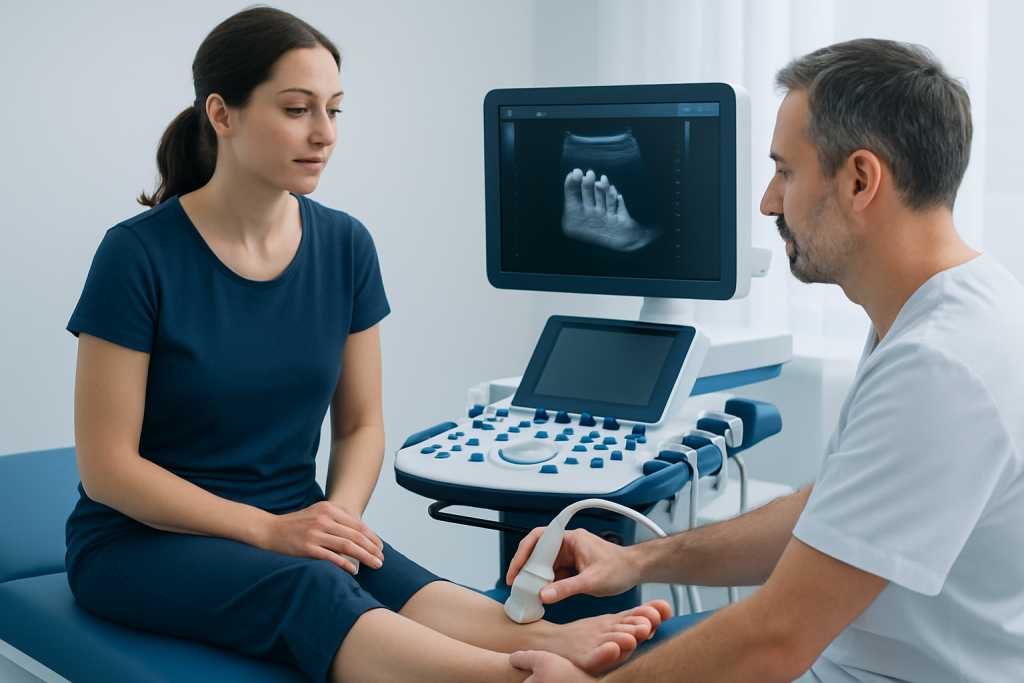
The earliest sign is often a toe that appears to be bending more than the others. Over time, the top of the bent joint may begin to press against shoes, which can lead to redness, thickened skin, or a painful corn. Some people also notice that the toe feels tight or that it no longer sits flat on the floor the way it used to.
Symptoms can vary depending on whether the joint remains flexible. A flexible hammer toe may still straighten with gentle movement, especially when the foot is not bearing weight. A rigid hammer toe, by contrast, tends to stay bent and may be more likely to cause persistent discomfort.
- Pain or soreness in the affected toe
- Calluses or corns on the top of the toe or the ball of the foot
- Difficulty finding comfortable shoes
- Redness, irritation, or skin thickening from rubbing
- Reduced ability to move the toe normally
Because symptoms are often linked to footwear and daily activity, people sometimes first notice the problem during long periods of standing, walking, or travel. When discomfort begins to change how a person walks, it is a good time to seek medical advice.
Causes & Risk Factors

Hammer toe usually develops when the muscles and tendons around the toe become imbalanced. If one group of tendons pulls more strongly than the others, the middle joint may bend and remain in that position. Over time, the surrounding tissues can shorten, making the deformity more fixed.
Several factors can contribute to this change. Shoes with a narrow toe box or high heels can crowd the toes and increase pressure on the front of the foot. Foot shapes such as high arches, flat feet, or a long second toe may also place extra stress on the toe joints. Arthritis, previous toe injury, and certain neuromuscular conditions can play a role as well.
Risk tends to be higher in people who have:
- Consistently worn tight, narrow, or high-heeled shoes
- A family tendency toward foot deformities
- Toe or foot injuries in the past
- Inflammatory or degenerative joint disease
- Muscle imbalance or nerve-related foot problems
In many cases, hammer toe reflects a combination of anatomy and long-term pressure rather than a single cause. Recognizing those contributing factors early can make it easier to slow progression and protect comfort.
Diagnosis
Diagnosis usually begins with a detailed history and physical examination. A clinician will look at the shape of the toe, check whether the joint is flexible or rigid, and ask about pain, shoe wear, activity limits, and any prior foot injuries. The doctor may also assess the rest of the foot, because deformities often occur alongside bunions, flat feet, or other alignment issues.
Imaging is not always required, but an X-ray may be ordered if the deformity is painful, advanced, or being considered for surgery. X-rays can help show the position of the joints and whether arthritis or bone changes are contributing. In some situations, a doctor may also evaluate walking mechanics or test for nerve or tendon involvement.
For someone traveling for orthopedic care, the diagnosis process is usually efficient, since treatment decisions depend on a clear view of the joint and the degree of stiffness. Bringing any prior imaging, shoe history, and a list of activities that worsen symptoms can help the consultation be more productive.
Treatment Options
Treatment depends on how much the deformity has progressed and how much it affects daily life. When the toe is still flexible, conservative care is often the first step. The goal is to reduce pressure, improve comfort, and prevent the bend from becoming more fixed.
Common non-surgical approaches include wider shoes with a roomy toe box, padding to reduce friction, toe splints or taping, and supportive inserts if foot mechanics are contributing to the problem. Stretching and foot exercises may help maintain mobility in selected cases, especially when guided by a clinician or physiotherapist. Knee Pain Relief: Causes and Treatment" class="ahp-ilk">Pain relief measures may also be recommended, but the plan should always be personalized to the individual’s health profile.
When conservative care no longer keeps symptoms under control, surgery may be discussed. The exact procedure depends on whether the toe is flexible or rigid and whether any bone, tendon, or joint corrections are needed. Surgical options may involve releasing tight soft tissues, realigning the toe, or correcting associated forefoot problems.
Patients who receive care away from home often want to know how the recovery will work after they return. That is an important part of treatment planning, because follow-up visits, wound care, and gradual return to footwear should be organized before travel whenever possible. In well-coordinated orthopedic care, the long-term plan is just as important as the procedure itself.
Prevention & Self-care
Not every hammer toe can be prevented, especially when foot structure or family tendency plays a role. Even so, practical habits can reduce pressure on the toes and may slow worsening in the early stages. Choosing shoes with enough width and height in the toe box is one of the simplest and most effective steps.
People can also pay attention to areas of rubbing before they become painful. Soft padding, careful callus care, and limiting repeated friction may help protect the skin. If a person already has a flexible toe deformity, early stretching and supportive footwear may reduce strain on the joint.
- Choose shoes that do not squeeze the front of the foot
- Avoid long periods in high heels when possible
- Use padding or toe spacers if recommended
- Keep foot skin clean, dry, and monitored for pressure spots
- Seek care early if the toe begins to stiffen or rub
Self-care is most useful when it is matched to the stage of the condition. A toe that is already rigid is less likely to respond to home measures alone, but even then, careful shoe selection and skin protection can still improve day-to-day comfort.
When to See a Doctor
A medical evaluation is sensible when toe pain becomes persistent, when shoes no longer fit comfortably, or when the toe begins to look more bent over time. It is also important to seek care if a corn, blister, or callus keeps returning in the same area, because repeated skin irritation can signal ongoing pressure that deserves treatment.
People should not wait if the toe is becoming stiff, the pain is affecting walking, or there is swelling that does not settle. Those with diabetes, poor circulation, or reduced foot sensation should be especially prompt about new pressure areas or skin changes, since even small problems can become harder to manage.
For patients traveling internationally, it helps to arrange evaluation before symptoms reach the point where walking, sightseeing, or daily work is limited. Acibadem Health Point’s multidisciplinary specialists and JCI-accredited hospitals can diagnose and treat hammer toe for international patients, with attention to both the procedure and the recovery plan that follows.
When the toe is painful, rigid, or interfering with life, an orthopedic specialist can explain whether conservative care is still reasonable or whether surgery would offer a better long-term solution.
Frequently asked questions
Is hammer toe the same as a claw toe?
They are related but not identical. Hammer toe usually bends at the middle joint, while claw toe affects more than one joint and can curl the toe in a different pattern. A doctor can identify the exact deformity during examination.
Can hammer toe go away on its own?
It usually does not fully reverse without treatment, especially once the toe becomes stiff. Early changes may improve with better footwear, padding, and stretching, but established deformities often need ongoing management.
Do all hammer toes need surgery?
No. Many cases can be managed with conservative measures, especially if the toe is still flexible and symptoms are mild. Surgery is generally reserved for pain, rigidity, or functional problems that do not improve with non-surgical care.
What kind of shoes are best for hammer toe?
Shoes with a wide, deep toe box are usually most comfortable because they reduce pressure on the bent joint. Soft materials and low heels can also help, while narrow or pointed shoes often make symptoms worse.
Can hammer toe affect walking?
Yes, especially when the toe is painful or stiff. Some people change the way they walk to avoid pressure, which can lead to discomfort in other parts of the foot over time.
How is recovery after hammer toe surgery usually managed?
Recovery depends on the exact procedure, but it often involves protecting the foot, following wound-care instructions, and gradually returning to shoes and activity. The surgeon will usually outline a follow-up plan before surgery, which is especially important for patients returning home after treatment.
References
- American Academy of Orthopaedic Surgeons
- Mayo Clinic
- National Health Service
- American Podiatric Medical Association
This article is for general information only and is not a substitute for professional medical advice. Please consult a qualified doctor about your individual situation.
Joint and spine care in Turkey — expert assessment & treatment
JCI-accredited · board-certified surgeons · reply within 24h
Add us as a Preferred Source to see more of our trusted health content across Google Search, AI Overviews and Discover.
More from the Health Library



Related Specialists

Prof. Dr. Ahmet Alanay
Orthopedic Surgery & Traumatology
Dr. Sinan Aksu
Orthopedic Surgery & Traumatology
Dr. Sirri Baştürk
Orthopedic Surgery & Traumatology
Prof. Dr. Korhan Özkan
Orthopedic Surgery & Traumatology