Gum Shield for Bruxism: Uses and Benefits

Key Takeaways
- A gum shield for bruxism does not stop the habit itself, but it can protect teeth and reduce wear.
- Custom-fitted guards usually offer better comfort and fit than one-size-fits-all options.
- Bruxism can be linked to stress, sleep issues, bite problems, and certain medications, so the cause should be assessed.
- Good cleaning and regular dental review help the appliance stay effective and hygienic.
- Persistent jaw pain, cracked teeth, headaches, or poor sleep deserve professional evaluation.
Medically reviewed by the Acıbadem clinical team — August 19, 2026
A gum shield for bruxism is a protective dental appliance that helps reduce the effects of teeth grinding and jaw clenching, especially during sleep. It can protect enamel, lessen pressure on the jaw, and support more comfortable mornings when fitted and monitored by a dentist.
Overview
Bruxism is the medical term for repeated teeth grinding or jaw clenching. For many people, it happens during sleep, when they are not aware of it; for others, it can occur in periods of concentration or stress. A gum shield for bruxism is designed to sit between the upper and lower teeth and act as a protective barrier.
The aim is practical rather than dramatic: the appliance helps absorb some of the pressure created by grinding, reduces direct tooth-on-tooth contact, and may make the jaw feel less strained. It is especially useful for people who are waking with a tired jaw, tooth sensitivity, or signs of enamel wear.
For international patients planning dental care abroad, a gum shield can also be part of a broader treatment plan. A dentist may first look for the reason behind the grinding, check the bite and tooth surfaces, then decide whether a custom night guard, a different appliance, or another treatment is the better fit.
Symptoms
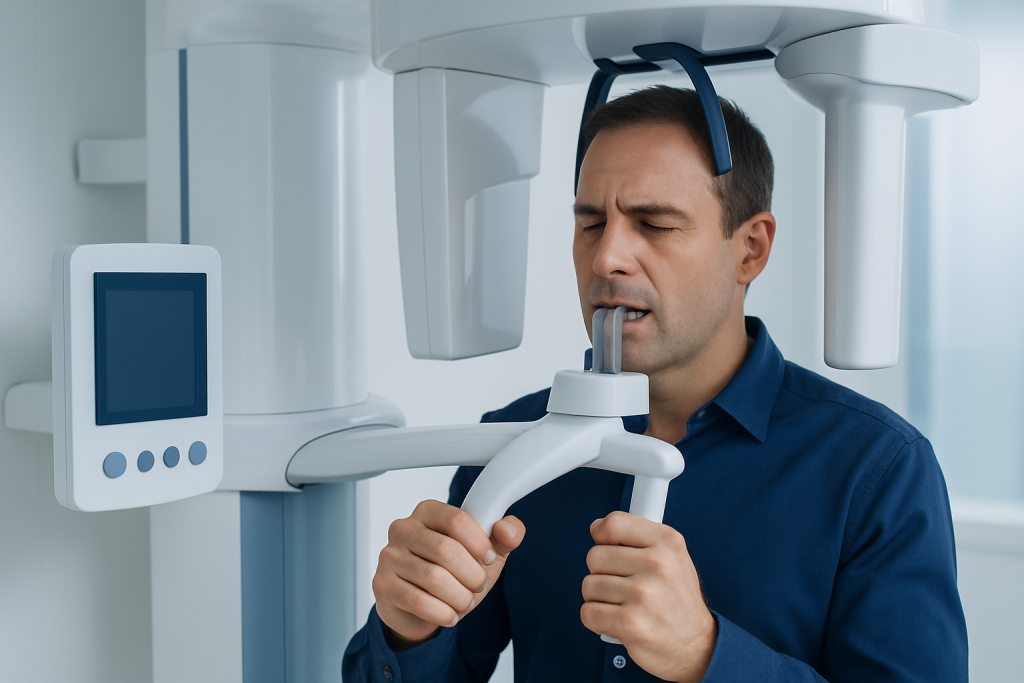
Bruxism is not always obvious at first. Some people only learn about it after a dentist notices flattened teeth, tiny cracks, or worn edges during a routine examination. Others notice the effects every morning and can describe the symptoms clearly.
Common signs can include:
- Jaw soreness or tightness, especially on waking
- Headaches, often around the temples
- Tooth sensitivity to heat, cold, or biting
- Clicking, popping, or fatigue in the jaw joint
- Disrupted sleep, or a partner hearing grinding noises at night
- Flattened, chipped, or worn tooth surfaces
Some people also report facial muscle tiredness or pain while chewing. Because these symptoms can overlap with other dental or jaw conditions, a professional assessment helps avoid guessing and makes the treatment plan more precise.
Causes & Risk Factors

There is rarely a single reason for bruxism. In many patients, it appears to be linked to a combination of physical and emotional factors rather than one clear trigger. Stress is commonly involved, but it is not the only explanation.
Possible contributors include sleep-related arousal patterns, anxiety, certain sleep disorders, bite alignment issues, and habits that keep the jaw muscles overactive. Some medications and stimulants may also play a role in susceptible people. In children, bruxism may come and go with growth and does not always require the same approach used in adults.
Risk can be higher in people who have:
- Ongoing stress or tension
- Sleep disturbance or snoring
- Frequent caffeine or stimulant use
- Highly worn teeth or a history of dental work that changes biting comfort
- Family members with similar grinding habits
Because the pattern varies so much, a dentist may ask about sleep, daily routines, medication history, and jaw symptoms before recommending a gum shield. That wider view often leads to more useful care than focusing on the teeth alone.
Diagnosis
Diagnosis usually begins with a dental examination and a conversation about symptoms. The dentist may look for patterns of wear, check whether the jaw opens and closes smoothly, and ask whether the grinding happens during sleep or while awake.
If the person is travelling for treatment, this first visit is especially important. The dentist may need to assess whether the teeth are stable enough for a custom appliance, whether the gums are healthy, and whether any restorative work should happen before the guard is made. In some cases, digital scans or impressions are taken so the device can be fabricated to fit the exact shape of the mouth.
When the history suggests sleep-related bruxism, the dentist may also advise evaluation for snoring, breathing pauses, or other sleep concerns. That is because the grinding may be one piece of a broader sleep picture, and treating the jaw alone may not be enough.
Treatment Options
A gum shield for bruxism is usually one part of treatment rather than the whole solution. Its main job is protection: it reduces the force transferred to the teeth and can help prevent additional wear while the underlying trigger is being addressed.
Custom-made night guards are often preferred because they are shaped to the patient’s teeth and bite. They tend to feel more stable than over-the-counter guards, which can be helpful for comfort and compliance. Depending on the case, a dentist may recommend a hard acrylic guard, a softer appliance, or a design that balances protection and jaw positioning.
Other measures may be used alongside the guard, such as:
- Stress management strategies and better sleep habits
- Adjusting contributing medications only under medical supervision
- Treating dental problems such as sharp edges or faulty restorations
- Addressing sleep-related conditions when suspected
- In selected cases, targeted therapies for severe jaw muscle overactivity
For people considering care in another country, treatment planning should include time for fitting, adjustment, and follow-up. A well-made appliance may need small refinements after the first nights of use, and that review matters as much as the device itself.
Prevention & Self-care
A gum shield can protect the teeth, but day-to-day habits still matter. Self-care is most helpful when it lowers the overall load on the jaw and supports restful sleep.
Useful steps may include avoiding chewing gum for long periods, limiting clenching during the day, and paying attention to jaw posture. Some people benefit from learning a simple “lips together, teeth apart” reminder, which can reduce unconscious daytime clenching. Relaxation routines before bed may also help if stress is a trigger.
Other sensible measures include:
- Keeping regular sleep and wake times where possible
- Reducing late-day caffeine or other stimulants if advised
- Cleaning the gum shield as instructed to prevent odour and buildup
- Storing the appliance in a ventilated case when not in use
- Attending follow-up visits to check fit and tooth wear
If the guard feels too tight, causes pressure spots, or seems to make symptoms worse, it should not simply be ignored. A dentist can often adjust the fit so the appliance becomes more comfortable and effective.
When to See a Doctor
Dental review is sensible if grinding is noticed more than occasionally, if the jaw feels sore most mornings, or if a partner reports frequent nighttime grinding. A dentist can confirm whether a gum shield for bruxism is appropriate and whether the teeth already show signs of damage.
Prompt evaluation is especially important if there is tooth chipping, cracked fillings, difficulty opening the mouth, worsening headaches, or pain around the jaw joint. These signs do not always mean a serious problem, but they do suggest that the condition deserves proper assessment rather than watchful waiting.
Patients who are travelling for treatment should plan for a brief follow-up window before returning home, so any fit issues can be corrected. At Acibadem Health Point, multidisciplinary specialists and JCI-accredited hospitals diagnose and treat bruxism for international patients, with coordinated dental and medical review when needed.
Living Well With a Gum Shield
Many people adjust quickly once they understand the purpose of the appliance. The first nights may feel unfamiliar, but a properly fitted gum shield should not feel like a bulky obstacle. Over time, the goal is a steadier sleep routine, less mechanical damage, and fewer symptoms on waking.
Progress is often gradual. A guard may not eliminate every headache or stop every clench, especially if stress or sleep issues remain active. Still, it can be a valuable safeguard while the person and their dentist work on the bigger picture.
For long-distance patients, keeping a simple record after treatment can be helpful: how the jaw feels in the morning, whether the device stays comfortable, and whether any tooth sensitivity changes. Those notes make remote follow-up more productive and help the dental team fine-tune care.
Frequently asked questions
What is a gum shield for bruxism used for?
It is used to protect the teeth from the effects of grinding and clenching, especially at night. It can reduce direct tooth wear and may ease strain on the jaw muscles. It does not usually stop the habit itself, so the underlying cause may still need attention.
Is a custom night guard better than a store-bought one?
A custom guard is often preferred because it is made to fit the individual mouth more closely. That usually improves comfort and stability, which can make it easier to wear consistently. A dentist can advise which type is appropriate for the person’s needs.
Can a gum shield cure bruxism?
No, it mainly protects the teeth and reduces the damage caused by grinding. Bruxism can have several causes, including stress and sleep-related factors, so treatment may also need lifestyle changes or other medical care. The guard is one part of a broader plan.
How does someone know if they are grinding their teeth at night?
Many people do not notice it themselves. Common clues include morning jaw soreness, headaches, tooth sensitivity, or worn and chipped teeth, and sometimes a bed partner hears the sound. A dentist can often spot the signs during an exam.
How should a gum shield be cleaned?
It should be cleaned exactly as advised by the dentist, usually with gentle brushing and rinsing after use. Hot water should be avoided unless specifically recommended, because it can distort some materials. Storing it dry and in a ventilated case helps keep it hygienic.
When should follow-up be arranged after getting a gum shield?
Follow-up is useful soon after the guard is first worn, especially if it feels uneven or uncomfortable. The dentist can check the fit, make adjustments, and review whether symptoms are improving. Regular reviews also help monitor tooth wear and appliance condition.
References
- American Dental Association
- NHS
- Mayo Clinic
- National Institute of Dental and Craniofacial Research
This article is for general information only and is not a substitute for professional medical advice. Please consult a qualified doctor about your individual situation.
Explore treatments in Turkey — costs, top hospitals & a free quote
JCI-accredited · board-certified surgeons · reply within 24h
Add us as a Preferred Source to see more of our trusted health content across Google Search, AI Overviews and Discover.