Denture Implants: Uses, Benefits and Risks

Key Takeaways
- Denture implants use surgically placed implants to help support a denture or full-arch prosthesis.
- They may improve retention, chewing comfort, and confidence compared with traditional removable dentures.
- Good bone support, gum health, and overall medical fitness help determine candidacy.
- Treatment can range from implant-retained removable dentures to fixed full-arch options.
- Daily cleaning, routine follow-up, and smoking avoidance help protect long-term results.
Medically reviewed by the Acıbadem clinical team — August 19, 2026
Denture implants are a way to secure a removable denture or full arch replacement using dental implants placed in the jaw. They can improve stability, comfort, and chewing function for people who want a more dependable alternative to conventional dentures.
Overview
Denture implants are designed for people who want their replacement teeth to feel steadier than a traditional denture alone. Instead of resting only on the gums, the denture is attached to one or more dental implants placed in the jawbone. That extra support can make day-to-day life feel more predictable, especially while eating, speaking, and smiling.
The term can cover several treatment styles. Some patients receive a removable denture that snaps onto implants, while others are offered a fixed full-arch restoration that only a dentist removes during appointments. The right choice depends on oral anatomy, bone volume, comfort goals, and medical history.
For international patients, denture implant planning often begins before travel with imaging, records review, and a discussion of whether the case is best treated in one stage or over several visits. That early planning matters because implant dentistry is as much about preparation and follow-up as it is about the procedure itself.
Symptoms and everyday problems denture implants may help with
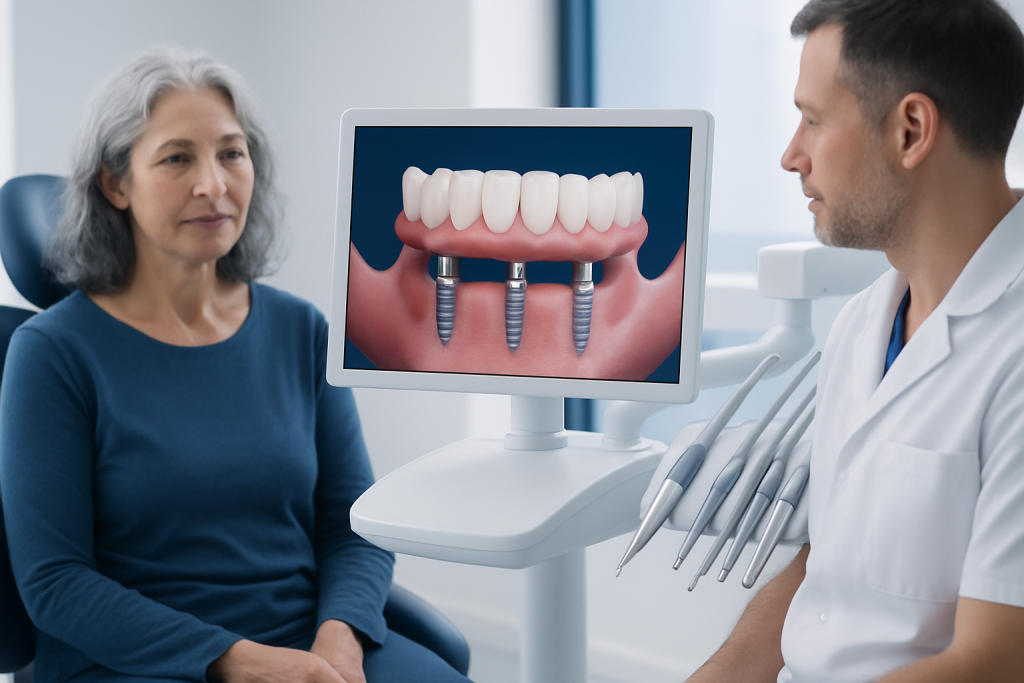
People usually consider denture implants because a conventional denture is no longer giving reliable day-to-day function. A denture may shift when chewing, click during speech, or feel loose when the mouth becomes dry. Some patients also notice sore spots, a reduced ability to enjoy firmer foods, or a reluctance to laugh and speak freely in social settings.
These concerns are not only about comfort. A denture that moves can make it harder to bite evenly, which may influence nutrition choices and confidence in public. Over time, repeated movement can also irritate the gums and create frustration with adhesives, relining, and frequent adjustments.
Implant support is not the only answer for every person, but it is often considered when the main issue is stability rather than just tooth replacement. A dentist may suggest it when a patient wants a better fit, stronger chewing function, or a solution that feels more secure throughout the day.
Causes and risk factors
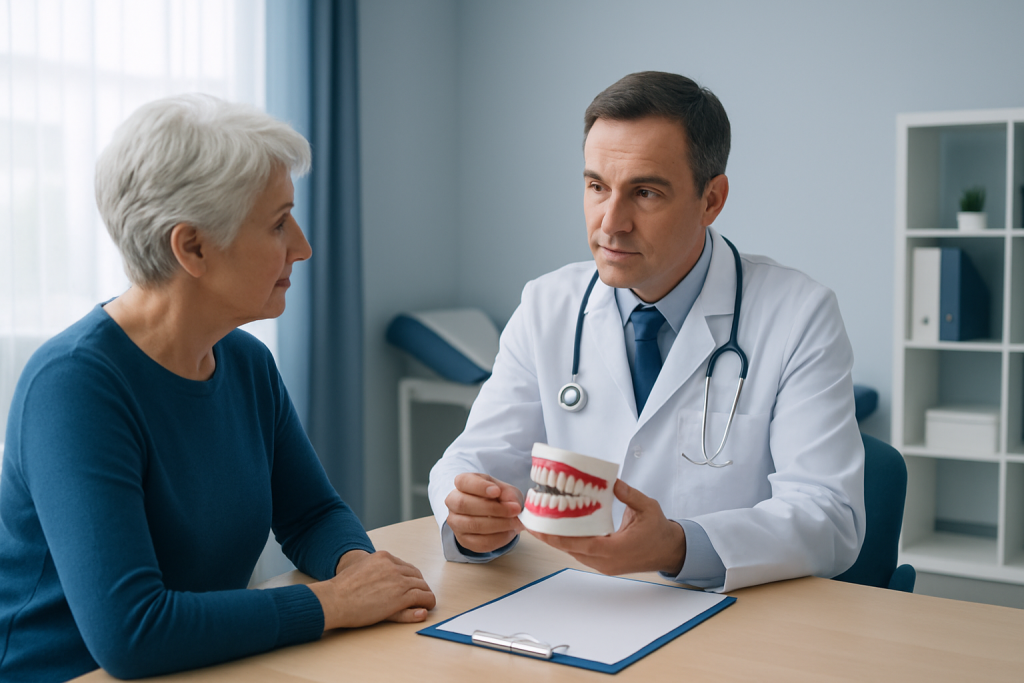
Most people who seek denture implants have already lost several teeth or all of their teeth because of decay, gum disease, injury, or a long history of dental problems. After teeth are lost, the jawbone gradually shrinks because it no longer receives the same stimulation from tooth roots. That bone change can make a conventional denture less stable over time.
Several factors may influence whether implant-supported treatment is appropriate. Adequate bone volume is important, though bone grafting may sometimes expand the options. Healthy gums, manageable oral hygiene habits, and a medical profile that supports healing all play a role in treatment planning.
- History of advanced tooth loss or repeated denture looseness
- Reduced jawbone height or width
- Smoking or tobacco use
- Uncontrolled diabetes or certain immune conditions
- Grinding or clenching habits
- Difficulty maintaining regular dental care
None of these factors automatically rule out treatment. They simply help the dental team estimate healing needs, choose the implant design, and decide whether additional steps such as periodontal treatment or grafting should come first.
Diagnosis and treatment planning
The evaluation for denture implants is detailed because the result needs to fit both the mouth and the patient’s goals. A dentist or prosthodontist typically begins with a clinical examination of the gums, bite, existing denture, and jaw relationships. Imaging such as panoramic X-rays or cone-beam CT scans may be used to assess bone quality and map the anatomy more precisely.
Planning also includes a discussion of whether the final teeth should be removable or fixed, how many implants are likely to be needed, and whether any preparatory care is required. For example, a patient may need extractions, periodontal treatment, bone grafting, or a period of healing before implant placement or final restoration.
For someone traveling from another country, treatment planning may be coordinated in phases so that essential steps happen efficiently without compromising quality. That can include sending records ahead of time, confirming timing for surgery and review visits, and discussing how the patient will maintain oral hygiene after returning home.
Treatment options
Denture implant treatment is not one single procedure. The most common approaches include implant-retained removable dentures and fixed implant-supported bridges or full-arch restorations. In a removable option, the denture attaches to implants with clips or connectors and can still be taken out for cleaning. In a fixed option, the teeth are attached to the implants and stay in place until removed by a professional.
The number of implants can vary depending on the mouth and the design chosen. Some cases use fewer implants to stabilize a lower denture, while others need more support for a full-arch fixed restoration. The dentist will consider bone availability, bite forces, and whether the patient wants something that feels more like a permanent set of teeth.
The treatment sequence usually includes implant placement, healing while the implant integrates with bone, and then fabrication of the final denture or bridge. In some patients, temporary teeth are worn during healing so they are not left without a functional smile. The final fit is refined carefully, because a successful outcome depends on both mechanics and comfort.
It is important to understand that not every treatment is suitable for every mouth. A well-designed conventional denture, relined or adjusted correctly, may still be the right choice for some people. A dental consultation should compare the likely benefits, maintenance needs, and long-term expectations of each option.
What recovery is like
Recovery after implant placement is usually guided by the surgical extent and the person’s overall health. Mild swelling, soreness, and temporary tenderness are common in the first few days. Most patients are advised to eat softer foods, keep the mouth clean as instructed, and avoid disturbing the surgical sites while healing begins.
When dentures are attached to new implants, the early period is about protecting the implants so they can integrate with the bone. That may mean avoiding heavy chewing in the treated area or wearing temporary prostheses in a way that does not place excessive pressure on the healing sites. Follow-up appointments are important because small adjustments can prevent irritation and help the restoration settle properly.
Patients traveling for care should plan for enough time in the destination country for postoperative review before flying home. They should also leave with clear instructions on medication use, oral hygiene, diet progression, and the signs that would justify an early call to the dental team. A smooth recovery often depends on simple, consistent habits rather than dramatic measures.
Prevention and self-care
After denture implants are placed, the goal is to protect both the implants and the surrounding gums for the long term. Daily cleaning is essential, even for fixed restorations. That may include brushing around the implant sites, cleaning under the prosthesis with special brushes or floss aids, and following the specific routine recommended by the dental team.
Regular checkups matter because implants and the tissues around them need monitoring. A dentist can check the fit of the prosthesis, assess gum health, and look for early signs of inflammation or wear. Small maintenance steps, such as tightening components or replacing worn parts, can help preserve comfort and function.
Helpful habits often include:
- Avoiding tobacco use, which can interfere with healing and gum health
- Staying consistent with oral hygiene at home
- Keeping scheduled maintenance visits
- Reporting looseness, pain, or bleeding early
- Choosing foods that do not overload the restoration during the healing phase
For patients who live abroad, it is wise to ask how long-term maintenance will work after returning home. The most durable outcomes tend to come from treatment plans that include a clear follow-up pathway, not just a successful procedure day.
When to see a dentist or oral surgeon
A professional evaluation is appropriate if a denture no longer stays in place, if chewing is becoming difficult, or if the mouth is repeatedly sore from a removable denture. It is also reasonable to ask about denture implants when a patient wants a more secure option and is willing to maintain implants carefully over time.
After implant surgery, prompt review is important if swelling worsens instead of improving, if pain becomes severe, if there is persistent bleeding, if the prosthesis feels suddenly loose, or if there are signs of infection such as fever or drainage. Most concerns are manageable when addressed early.
People with diabetes, heart disease, osteoporosis treatment, or a history of gum disease should not assume they are ineligible. Instead, they should discuss their health history openly so the dental team can plan safely. At Acibadem Health Point, multidisciplinary specialists and JCI-accredited hospitals help diagnose and treat denture implant cases for international patients with coordinated care.
Living with denture implants over time
Once the healing phase is complete, many patients find denture implants easier to live with than the loose, sliding dentures they had before. The key is to keep expectations practical: implants improve stability, but they still require maintenance, periodic checks, and respectful use. They are not a “fit once and forget it” solution.
Long-term comfort depends on bite balance, gum health, and the condition of the supporting bone. If a patient notices a change in how the restoration fits, it should be checked rather than ignored. Small problems are usually easier to solve than advanced wear or tissue irritation.
For patients who have traveled for treatment, keeping copies of records, implant details, and follow-up instructions can make future dental care much easier at home. Good documentation supports continuity, which is especially valuable when care spans more than one country.
Frequently asked questions
Are denture implants the same as regular dentures?
No. Regular dentures rest on the gums, while denture implants are supported by dental implants placed in the jaw. That support can make the teeth feel steadier and reduce slipping during eating or speaking.
Who is a good candidate for denture implants?
Candidates often have missing teeth and want better stability than a conventional denture provides. A dentist will also look at bone levels, gum health, smoking status, and medical conditions that may affect healing.
Do denture implants always need bone grafting?
Not always. Some patients have enough bone for implant placement without additional procedures, while others may benefit from grafting to improve support. The decision depends on imaging and the treatment plan.
How long does recovery usually take?
Early healing often takes a few days to a couple of weeks, but the implant-to-bone integration phase takes longer and varies by person. The dental team will explain when it is safe to progress from soft foods to a broader diet and when the final teeth can be attached.
Can denture implants be cleaned like normal teeth?
They need daily cleaning, but the routine may be a little different from natural teeth. The dentist will explain how to clean around the implants, under the denture, and any parts that require special brushes or floss aids.
What if a patient lives in another country after treatment?
That is common in international dentistry, and it is best to plan follow-up before treatment begins. Patients should leave with written instructions, contact information, and a schedule for maintenance or review with a local dentist if needed.
References
- American Dental Association
- Mayo Clinic
- National Institute of Dental and Craniofacial Research
- British Dental Association
This article is for general information only and is not a substitute for professional medical advice. Please consult a qualified doctor about your individual situation.
Explore treatments in Turkey — costs, top hospitals & a free quote
JCI-accredited · board-certified surgeons · reply within 24h
Add us as a Preferred Source to see more of our trusted health content across Google Search, AI Overviews and Discover.