

Gout And Foot

Key Takeaways
- Gout often starts in the foot, especially the big toe joint, with sudden pain, swelling, redness, and warmth.
- It happens when uric acid forms crystals in a joint, but diet is only one part of the picture.
- Diagnosis usually combines medical history, examination, and sometimes blood tests or joint fluid analysis.
- Treatment focuses on easing a flare and lowering uric acid over time to prevent recurrence.
- Foot care, hydration, weight management, and trigger awareness can help reduce flare-ups.
- Medical review is important if the pain is severe, the joint looks infected, or symptoms keep returning.
Medically reviewed by the Acıbadem clinical team — August 19, 2026
Gout can cause sudden, intense pain in the foot, most often around the big toe joint. Understanding the symptoms, triggers, and treatment options can help people respond early and reduce future flare-ups.
Overview
When people think about gout, they often picture a very specific kind of foot pain: sudden, sharp, and hard to ignore, usually centered around the big toe. That image is accurate. The foot is one of the most common places for gout to appear because uric acid crystals tend to settle in cooler joints, and the smaller joints of the foot are especially vulnerable.
Gout is a form of inflammatory arthritis. It happens when uric acid builds up in the body and forms crystals in a joint, which then triggers the immune system. The result can be a flare that makes even a bedsheet feel uncomfortable. Although a gout attack can feel dramatic, it is usually treatable, and many people can reduce future episodes with the right medical plan.
For international patients arranging care from another country, gout treatment is often straightforward to evaluate in a specialist clinic or orthopedics setting. A careful assessment can confirm the cause of the pain, rule out infection or injury, and guide a plan that fits the person’s travel schedule and follow-up needs.
Symptoms
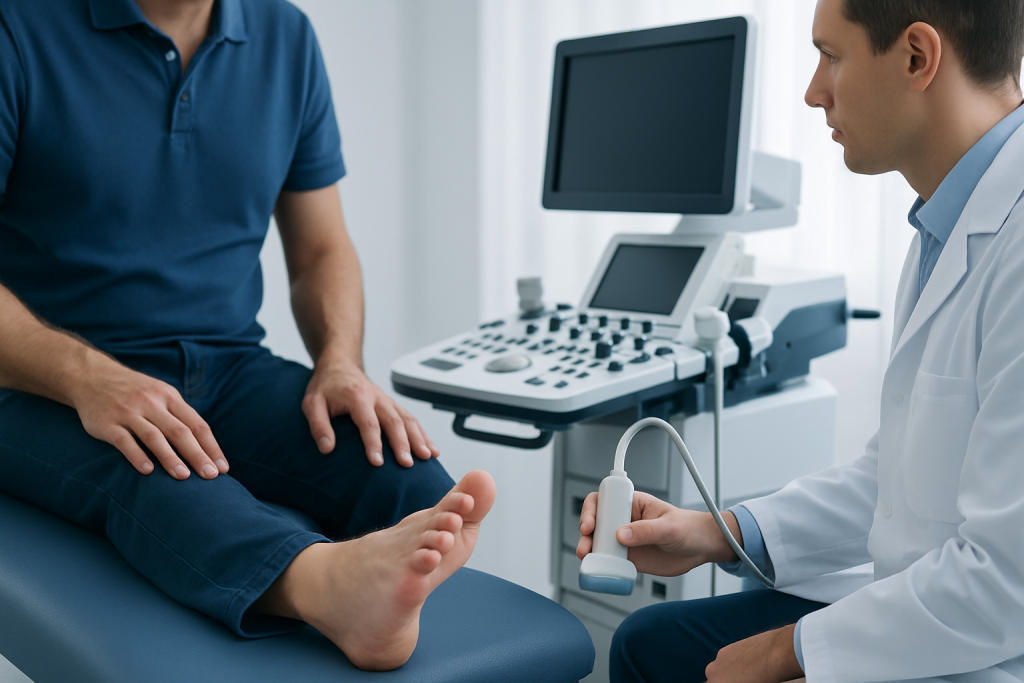
Gout in the foot often begins abruptly, sometimes overnight. The joint may become very painful within hours, and the skin can look red, shiny, and swollen. The area is usually warm to the touch, and walking may be difficult or impossible during a flare.
The big toe is the classic site, but gout can also affect the midfoot, ankle, or other toe joints. Some people notice that the pain is especially severe at the first toe joint near the ball of the foot. Others have pain that feels deep, throbbing, and out of proportion to a minor movement or pressure.
- Sudden onset of severe joint pain
- Swelling and tenderness in one foot joint
- Red or purplish skin over the affected area
- Warmth and sensitivity to touch
- Difficulty bearing weight or wearing shoes
After the first flare settles, the joint may return to normal for a while. Over time, however, attacks may recur and affect more joints if the underlying uric acid problem is not addressed.
Causes & Risk Factors
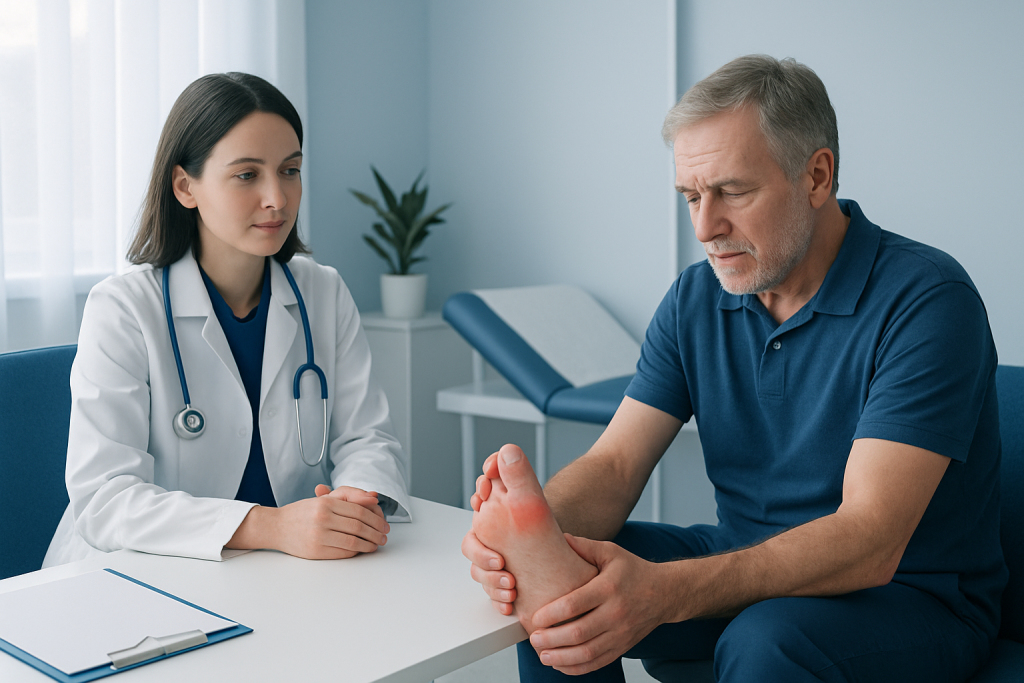
Gout develops when uric acid levels in the blood are high enough to allow crystals to form. Uric acid is a normal waste product created when the body breaks down substances called purines. The kidneys usually remove it, but if the body makes too much or does not clear enough, levels can rise.
Diet can contribute, but it is only one part of the story. Some people develop gout because of kidney issues, certain medications, dehydration, excess body weight, or a family tendency toward uric acid problems. Alcohol intake and sugary beverages may also increase the chance of a flare in susceptible people.
Common risk factors include:
- Family history of gout
- Kidney disease or reduced kidney function
- Higher body weight
- High blood pressure, metabolic syndrome, or diabetes
- Frequent alcohol use, especially beer or spirits
- Dehydration
- Medications that raise uric acid, in some cases
Not everyone with elevated uric acid develops gout, and not every painful foot joint is gout. Because several different conditions can look similar, a proper medical evaluation matters before assuming the diagnosis.
Diagnosis
Doctors usually begin with a detailed history of the pain pattern, how quickly it started, and whether the person has had previous attacks. The location in the foot, the appearance of the joint, and the presence of swelling or redness can strongly suggest gout, but examination alone is not always enough.
Blood tests may be used to check uric acid levels, kidney function, and signs of inflammation. However, uric acid can be normal during an attack, so a normal result does not completely rule out gout. In some cases, the most reliable way to confirm gout is to remove a small sample of joint fluid and look for uric acid crystals under a microscope.
Doctors may also order imaging if the diagnosis is unclear. Ultrasound or other imaging studies can help identify crystal deposits or rule out another problem such as injury, infection, or a different type of arthritis. This careful approach is especially useful when care is being coordinated across countries, because it helps create a clear, documented treatment plan for follow-up after travel.
Treatment Options
Treatment has two goals: calming the current flare and preventing future ones. During an attack, the focus is usually on reducing inflammation and pain. Depending on the person’s medical history, a doctor may recommend anti-inflammatory medicine or other prescription options that are commonly used for gout flares.
Long-term treatment may be needed if flares recur, if uric acid remains high, or if crystals have started to damage joints. In that case, doctors may prescribe medicine to lower uric acid over time. These treatments are not for self-starting without guidance, because the choice depends on kidney function, other health conditions, and the timing of symptoms.
Supportive care often helps as well. Resting the foot, elevating it, and avoiding pressure on the affected joint can reduce discomfort. If walking is painful, temporary shoe modifications or reduced activity may make a flare easier to manage while the inflammation settles.
For international patients, treatment planning often includes practical follow-up. A specialist team can explain when to return for monitoring, what symptoms should prompt reassessment, and how to continue care safely once the patient is back home. Acibadem Health Point’s multidisciplinary specialists and JCI-accredited hospitals diagnose and treat gout for international patients as part of coordinated care pathways.
Prevention & Self-care
Preventing gout in the foot usually means working on both uric acid control and trigger reduction. Drinking enough water, maintaining a healthy weight, and limiting alcohol can help lower the chance of attacks. Some people also notice that certain foods or heavy meals are linked with flares, so a simple personal trigger diary can be useful.
Foot-friendly habits matter during recovery and between attacks. Wearing comfortable shoes with enough room for the toes can reduce unnecessary pressure on sensitive joints. If a flare is starting, resting the foot early may help limit how much the inflammation spreads.
- Stay well hydrated, especially during travel or hot weather
- Keep follow-up appointments if uric acid-lowering treatment is prescribed
- Ask a doctor before making major diet changes or stopping medicines
- Protect the affected foot from extra pressure and friction
- Take recurrent pain seriously, even if it goes away between attacks
Self-care is helpful, but it works best when paired with medical guidance. Repeated flares can sometimes lead to joint damage or tophi, which are deposits of uric acid crystals under the skin, so prevention is not just about comfort; it is also about protecting long-term foot health.
When to See a Doctor
Medical attention is important if foot pain comes on suddenly and severely, especially if the joint becomes red, hot, and swollen. A person should also be assessed if the symptoms are new and the cause is uncertain, because infection, a fracture, or another inflammatory condition can sometimes resemble gout.
Prompt review is especially wise when the pain makes it hard to walk, when several joints are involved, or when flares are happening more often. People with kidney disease, diabetes, or a history of immune problems should not delay evaluation if the foot appears very inflamed.
A doctor may also want to review the situation if there is a fever, an open wound near the joint, or pain that is not improving as expected. Those findings do not automatically mean something serious, but they do deserve careful assessment. For patients managing care across borders, it is often helpful to seek a clear diagnosis before travel so treatment can continue smoothly at home.
Living With Gout in the Foot
Many people do well once the pattern of gout is recognized and a long-term plan is in place. Understanding the condition can make the pain feel less mysterious and reduce the frustration that comes with repeat attacks. The most helpful plans usually combine medication review, lifestyle adjustments, and regular monitoring.
Because gout can affect mobility, even a short flare may disrupt work, sleep, or travel. Planning ahead with comfortable footwear, medication instructions, and a follow-up strategy can make a practical difference, especially for international patients who need care that continues beyond one visit.
With accurate diagnosis and steady management, gout in the foot is usually controllable. The goal is not only to calm today’s pain, but also to protect the joint for the long term and keep future flares less frequent and less disruptive.
Frequently asked questions
Is gout in the foot always in the big toe?
No, although the big toe is the most classic location. Gout can also affect the midfoot, ankle, or other toe joints. The exact site can vary from person to person.
Can diet alone cause gout in the foot?
Diet can contribute, but it usually is not the only cause. Kidney function, genetics, weight, alcohol intake, hydration, and some medications can also play a role. A doctor may look at the full picture rather than focusing on food alone.
How is gout different from an infection?
Both can cause redness, warmth, swelling, and pain, which is why the two can be confused. Fever, severe tenderness, or a very sudden swollen joint should be assessed promptly. A doctor may need tests to tell them apart safely.
Does gout go away on its own?
A flare may improve after several days or weeks, but the underlying problem can remain. Without long-term management, attacks may return. Ongoing care helps lower the chance of repeat episodes and joint damage.
Can walking make gout worse?
During a flare, walking or pressure on the joint can increase discomfort. Resting the foot and avoiding tight shoes usually helps until the inflammation settles. Once symptoms improve, normal movement can be resumed gradually as advised by a doctor.
When should uric acid treatment be considered?
It is often considered when flares happen repeatedly, uric acid remains elevated, or there are signs of crystal deposits or joint damage. The decision depends on the person's health profile and should be made with a doctor. Treatment is tailored rather than one-size-fits-all.
References
- American College of Rheumatology
- National Institute of Arthritis and Musculoskeletal and Skin Diseases
- Mayo Clinic
- NHS
- Arthritis Foundation
This article is for general information only and is not a substitute for professional medical advice. Please consult a qualified doctor about your individual situation.
Joint and spine care in Turkey — expert assessment & treatment
JCI-accredited · board-certified surgeons · reply within 24h
Add us as a Preferred Source to see more of our trusted health content across Google Search, AI Overviews and Discover.
More from the Health Library



Related Specialists

Prof. Dr. Ahmet Alanay
Orthopedic Surgery & Traumatology
Dr. Sinan Aksu
Orthopedic Surgery & Traumatology
Dr. Sirri Baştürk
Orthopedic Surgery & Traumatology
Prof. Dr. Korhan Özkan
Orthopedic Surgery & Traumatology