Gastrinoma And Zollinger Ellison

Key Takeaways
- Gastrinoma is usually a neuroendocrine tumor that produces gastrin, a hormone that stimulates acid production.
- Zollinger-Ellison syndrome refers to the symptoms and complications caused by too much gastrin and stomach acid.
- Persistent ulcers, severe reflux, and chronic diarrhea are common clues, especially when they do not improve as expected.
- Diagnosis often includes blood tests, acid-related studies, endoscopy, and imaging to locate the tumor and check for spread.
- Treatment usually combines acid-suppressing medicine with tumor-directed care, which may include surgery or other specialist therapies.
Medically reviewed by the Acıbadem clinical team — August 19, 2026
Gastrinoma and Zollinger-Ellison syndrome are closely linked conditions in which a rare hormone-producing tumor drives the stomach to make too much acid. This can lead to stubborn ulcers, reflux, diarrhea, and other digestive problems that benefit from timely evaluation by a specialist.
Overview
Gastrinoma is a rare type of neuroendocrine tumor that makes too much gastrin, the hormone that tells the stomach to produce acid. When gastrin levels rise abnormally, the body can produce far more acid than it needs, and the result is a cluster of digestive problems known as Zollinger-Ellison syndrome.
For many people, the first signs are not dramatic at all. A recurring ulcer, reflux that keeps returning, or diarrhea that seems unrelated to meals may be the clue that something deeper is going on. Because the symptoms can resemble more common conditions, it often takes a clinician who is familiar with acid-related disorders to connect the pattern.
The condition matters not only because it causes discomfort, but because untreated acid overproduction can damage the lining of the stomach, duodenum, and sometimes the esophagus. In some cases, gastrinomas occur on their own; in others, they are part of a genetic syndrome such as multiple endocrine neoplasia type 1, which changes how evaluation and follow-up are planned.
Symptoms
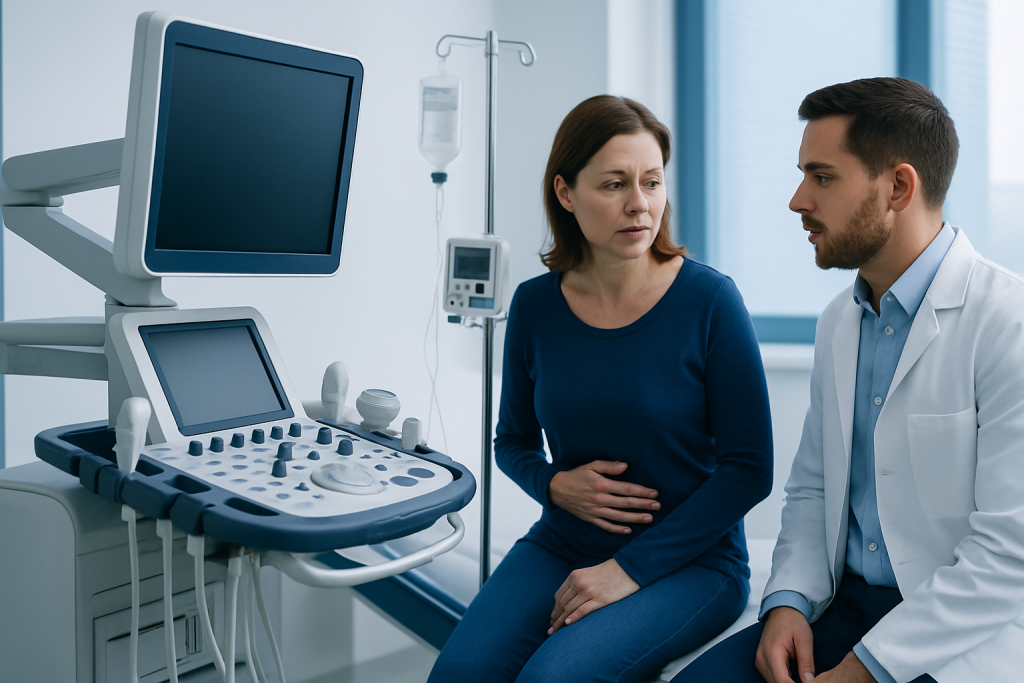
The symptom pattern usually reflects too much acid in the digestive tract. People may have burning upper abdominal pain, frequent heartburn, nausea, bloating, or ulcers that come back after treatment. Ulcers may appear in unusual places or be more difficult to heal than expected.
Diarrhea is another common clue and can be overlooked, especially when it occurs along with acid reflux. Excess acid can irritate the intestines and interfere with digestion, which may lead to loose stools, abdominal cramping, or unintentional weight loss in some patients.
Possible symptoms include:
- Recurrent or severe peptic ulcers
- Persistent heartburn or reflux symptoms
- Abdominal pain, especially in the upper abdomen
- Chronic diarrhea
- Nausea, vomiting, or bloating
- Weight loss or poor appetite
Some people have mild symptoms for a long time before the diagnosis is considered. Others come to care after an ulcer bleeds, pain becomes harder to ignore, or standard treatments no longer seem to control the problem.
Causes & Risk Factors

Gastrinoma develops when certain cells in the digestive system form a tumor that secretes gastrin. In most cases, the tumor is found in the pancreas or the duodenum, though the exact location can vary. The excess gastrin drives the stomach to produce acid continuously, rather than in the balanced way the body normally regulates.
Sometimes the condition appears sporadically, meaning there is no clear inherited cause. In other people, it is associated with multiple endocrine neoplasia type 1, a hereditary condition that can also affect the parathyroid glands, pancreas, and pituitary gland. Family history is therefore important when clinicians are deciding how far to look and how to monitor other organs.
Risk factors are not as straightforward as in common illnesses, but certain features can raise suspicion: ulcers at a younger age than expected, multiple ulcers, ulcers that recur after treatment, severe reflux with diarrhea, or a known MEN1 diagnosis in the family. A careful history helps separate a rare acid-producing tumor from everyday digestive complaints.
Diagnosis
Diagnosis often begins with a conversation about symptoms, previous ulcers, and how well prior treatments worked. Because many people with gastrinoma have already tried acid-suppressing therapy, clinicians may review the medical history closely for clues such as repeated ulcer disease, unusual ulcer locations, or symptoms that return quickly when treatment is paused.
Blood tests are commonly used to measure fasting gastrin levels, but the result must be interpreted with care. Acid-suppressing medicines, especially proton pump inhibitors, can raise gastrin, so specialists may need to plan testing thoughtfully. Additional studies may assess stomach acidity and help confirm whether the gastrin level is inappropriate for the amount of acid present.
Once a hormonal pattern suggests gastrinoma, imaging is used to find the tumor and check for spread. This may include endoscopy, CT or MRI scans, and specialized nuclear medicine studies that can detect neuroendocrine tumors more precisely. If MEN1 is suspected, genetic evaluation and screening for related endocrine problems may also be recommended.
Treatment Options
Treatment has two goals: control the acid overproduction and address the tumor itself. Acid control is often started promptly because it can relieve symptoms, protect the lining of the digestive tract, and reduce the risk of ulcer complications. The exact plan depends on how active the tumor is, where it is located, and whether it has spread beyond its original site.
For many patients, proton pump inhibitors are the cornerstone of symptom control. These medicines reduce stomach acid and are often used long term under medical supervision. If the tumor is localized and can be removed safely, surgery may offer the best chance of long-term control. Surgical planning requires a team that is comfortable working with neuroendocrine tumors, because these lesions may be small, multiple, or located in difficult areas.
When surgery is not enough or the disease has spread, other specialist treatments may be considered, such as somatostatin-based therapy, targeted treatment, liver-directed procedures, or carefully selected systemic therapy. The right approach is individualized, especially for international patients who may need diagnostic work-up, treatment, and follow-up coordinated across borders. At Acibadem Health Point, multidisciplinary specialists and JCI-accredited hospitals diagnose and treat this condition for international patients.
Recovery does not end when symptoms improve. Follow-up often includes repeat imaging, blood tests, and review of acid control, because treatment needs can change over time and some patients require ongoing monitoring for related endocrine conditions.
Prevention & Self-care
There is no guaranteed way to prevent gastrinoma, particularly when a hereditary factor such as MEN1 is involved. Still, people can reduce the chance of complications by taking persistent reflux, ulcer pain, or chronic diarrhea seriously rather than assuming they are routine digestive issues. Early review is especially helpful when symptoms keep returning after standard therapy.
Self-care is mainly about supporting medical treatment and avoiding extra irritation to the digestive tract. Smaller meals may be easier to tolerate for some people, and it is wise to follow the clinician’s guidance on acid-suppressing medicine rather than adjusting it on one’s own. If prescribed treatment includes testing or imaging, keeping appointments matters because results can guide the next step in care.
- Take medicines exactly as advised and do not stop them without medical guidance.
- Record symptom patterns, such as pain timing, stool changes, or reflux triggers.
- Avoid smoking and limit alcohol if the clinician recommends it.
- Seek advice before using over-the-counter pain relievers that may irritate the stomach.
- Keep all follow-up visits, especially if care is being coordinated from another country.
For international patients, planning also includes practical recovery details: knowing when to fly, how to store medications, and which symptoms should prompt a local doctor visit after returning home. A well-organized discharge plan can make long-distance follow-up much smoother.
When to See a Doctor
Medical review is important if heartburn, upper abdominal pain, or diarrhea keeps coming back despite typical treatment. It is also worth seeking specialist input when ulcers occur repeatedly, symptoms are unusually severe, or there is a known family history of MEN1 or other endocrine tumors.
Prompt evaluation is especially helpful if there are signs of bleeding, such as black stools, vomiting blood, lightheadedness, or unexplained weakness. These symptoms do not always mean a serious complication, but they do need timely assessment so the cause can be identified and treated safely.
People who have already been diagnosed with gastrinoma should contact their doctor if pain changes, reflux becomes harder to control, or new symptoms appear. Because this condition can require ongoing monitoring, staying in touch with a gastroenterologist or endocrine specialist is a practical part of care, not just a precaution.
Living With Gastrinoma and Zollinger-Ellison Syndrome
Living with gastrinoma often means learning to manage a rare condition that does not follow the usual patterns of everyday indigestion. Once the diagnosis is made, many people feel relieved to have an explanation for symptoms that had seemed confusing or repetitive. That clarity can make the care plan easier to trust and follow.
Support is often strongest when treatment is coordinated across specialties. Gastroenterology, endocrine care, surgery, radiology, and pathology may all contribute pieces of the picture. For patients traveling for care, clear communication about test results, medication plans, and follow-up responsibilities is especially important, since recovery continues after the hospital stay ends.
With the right combination of acid control, tumor evaluation, and long-term monitoring, many patients can achieve good symptom relief and a more stable day-to-day routine. The key is not to wait for symptoms to become severe before asking whether a rare cause should be considered.
Frequently asked questions
What is the difference between gastrinoma and Zollinger-Ellison syndrome?
Gastrinoma is the tumor that produces excess gastrin. Zollinger-Ellison syndrome is the set of symptoms and complications caused by that excess hormone, especially high stomach acid and ulcers.
Why can gastrinoma be hard to diagnose?
Its symptoms often look like common problems such as reflux, peptic ulcer disease, or irritable bowel symptoms. Diagnosis usually takes specialized blood tests and imaging because acid-suppressing medicines can also affect test results.
Can Zollinger-Ellison syndrome cause diarrhea?
Yes. Excess acid can interfere with digestion and irritate the intestinal tract, which may lead to chronic diarrhea. This symptom is often one of the clues that prompts further investigation.
Is surgery always needed for gastrinoma?
Not always. Surgery may be considered when the tumor is localized and removable, but some patients need medicine and other specialist treatments instead, especially if the disease has spread or surgery is not suitable.
Is gastrinoma inherited?
Sometimes. It can occur on its own, but it may also be part of MEN1, a hereditary endocrine condition. A family history of endocrine tumors or related hormone problems is an important reason to mention this to the doctor.
What should a patient bring to an international consultation?
It helps to bring previous endoscopy reports, imaging discs, pathology results, medication lists, and a timeline of symptoms. Having organized records makes it easier for the specialist team to confirm the diagnosis and plan follow-up care.
References
- National Institute of Diabetes and Digestive and Kidney Diseases
- Endocrine Society
- Merck Manual Professional Edition
- National Comprehensive Cancer Network
- American College of Gastroenterology
This article is for general information only and is not a substitute for professional medical advice. Please consult a qualified doctor about your individual situation.
Persistent digestive symptoms? Get evaluated in Turkey
JCI-accredited · board-certified surgeons · reply within 24h
Add us as a Preferred Source to see more of our trusted health content across Google Search, AI Overviews and Discover.