Foot Corn Disease

Key Takeaways
- Corns are usually a skin response to pressure, friction, or shoe-related irritation.
- They often appear on toes, the ball of the foot, or other pressure points.
- Safe treatment focuses on reducing pressure, improving footwear, and gentle skin care.
- People with diabetes, poor circulation, or nerve problems should be especially careful with foot lesions.
- A clinician can confirm whether the problem is a corn, callus, wart, or another skin condition.
Foot corn disease refers to a localized area of thickened skin that develops as the foot protects itself from repeated pressure or friction. Although often small, corns can become painful and affect walking, shoes, and daily comfort.
Overview
Foot corn disease is a common way of describing a corn, which is a small, focused area of thickened skin that forms when the foot is repeatedly pressed or rubbed. It is the skin’s natural defense mechanism, but in a tight shoe or a high-pressure spot, that protection can become uncomfortable instead of helpful.
Corns are different from simple dry skin. They usually have a more defined core and are often found on the tops or sides of toes, between toes, or on areas that take extra load when walking. For many people, the first concern is not appearance but the way a corn changes the feel of every step.
For international patients, foot problems can be especially frustrating during travel, since long flights, walking through airports, and unfamiliar footwear can make pressure-related pain more noticeable. The good news is that most corns can be managed with straightforward care once the source of irritation is identified.
Symptoms
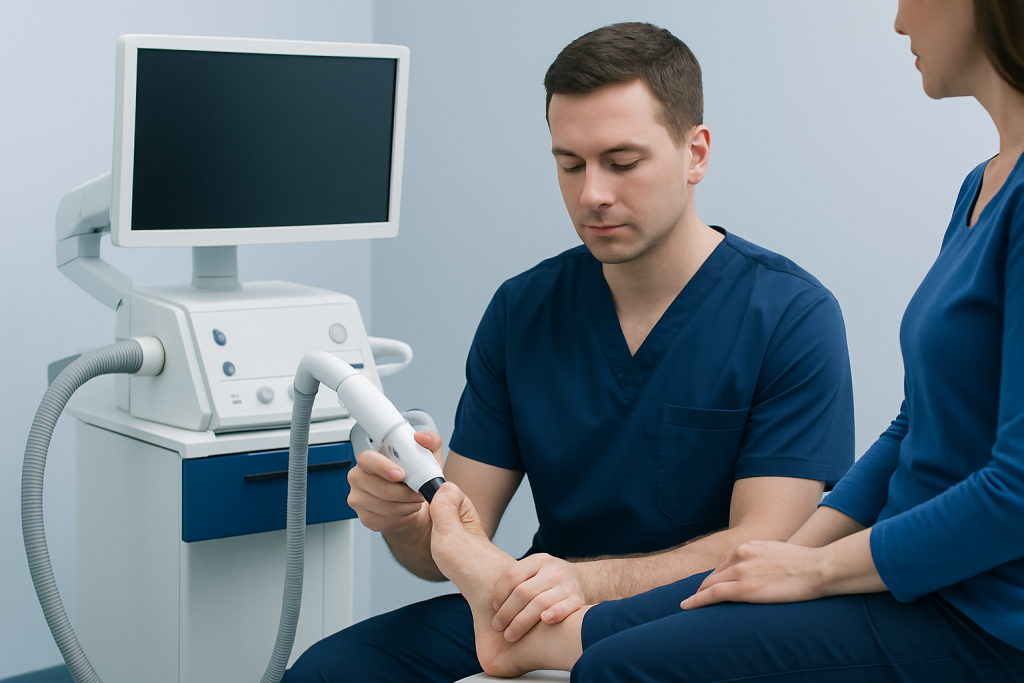
A corn often begins as a small patch of skin that feels firm, dry, or tender to the touch. Over time, it can become more noticeable, especially when the person wears certain shoes or stands for long periods. Some corns are hard and dense, while others are softer and may appear between the toes where moisture is present.
Common signs may include:
- A raised, thickened area of skin
- Pain or burning when pressure is applied
- Discomfort while walking or wearing shoes
- Skin that looks dry, waxy, or translucent in the center
- Redness or irritation around the corn
It is important not to assume every thickened spot is a corn. Warts, calluses, pressure sores, and certain skin conditions can look similar, but they do not always need the same care. A proper assessment is especially useful if the area is recurring or unusually painful.
Causes & Risk Factors

Corns develop when a specific area of the foot is exposed to repeated pressure or friction. This can happen because of shoes that are too tight, shoes with narrow toe boxes, high heels, seams that rub the skin, or a walking pattern that places extra stress on certain toes or parts of the sole.
Foot shape and mechanics also play a role. Toe deformities such as hammertoes or bunions, prominent bones, altered gait, and uneven weight distribution may all create focal pressure points. People who spend long hours on their feet may notice that small areas of skin harden more quickly.
Certain factors can make corns more likely or more troublesome:
- Ill-fitting or rigid footwear
- Foot deformities or changes in toe alignment
- Repeated walking, running, or standing on hard surfaces
- Dry skin that is more prone to thickening
- Reduced sensation in the feet, which may delay noticing irritation
In patients with diabetes, poor circulation, or nerve damage, even minor foot lesions deserve careful attention because skin breakdown can progress more easily. In those situations, it is safer to seek professional guidance early rather than trying to manage the problem alone.
Diagnosis
Diagnosing a corn usually starts with a clinical examination of the foot. A doctor looks at the shape of the lesion, its location, how it feels, and whether pressure from shoes or foot structure may be contributing to the problem. The pattern often gives strong clues about what is happening.
Because corns can resemble other conditions, the clinician may ask about symptoms, footwear, daily activity, and any previous foot problems. If there is uncertainty, the examination may focus on distinguishing a corn from a callus, wart, foreign body, or localized thickening due to a bony prominence.
Most people do not need complex testing. However, if the lesion is unusual, repeatedly returns, becomes infected, or occurs in a person with diabetes or circulation concerns, further evaluation may be recommended to understand the underlying pressure source and to guide safer treatment.
Treatment Options
Treatment works best when it addresses both the thickened skin and the reason it formed. Simply shaving or filing the area without changing pressure often leads to recurrence. The main goal is to reduce friction, protect the skin, and soften the affected tissue safely.
Common treatment approaches include:
- Switching to wider, more comfortable shoes
- Using pads or protective inserts to reduce pressure
- Careful trimming or debridement by a qualified clinician when appropriate
- Moisturizing dry skin to keep it more flexible
- Treating underlying foot alignment issues with orthotic support when needed
Over-the-counter products marketed for corns are not suitable for everyone. Strong chemical preparations can irritate healthy skin and may be risky for people with diabetes or reduced sensation. A doctor or podiatry specialist can advise which options are safe for a particular foot.
If the corn is caused by a bony prominence or deformity, treatment may also focus on the mechanical cause. In selected cases, referral to an orthopedic or foot specialist may be helpful, especially when pain continues despite conservative measures.
Prevention & Self-care
Prevention is often more effective than repeated treatment. The simplest strategy is to lower daily pressure on the same spot. Shoes should fit well, allow the toes to move, and avoid rubbing at the sides or tops of the foot.
Helpful self-care habits include:
- Choosing soft, well-fitting footwear with a roomy toe box
- Avoiding shoes that pinch, slide, or create repeated rubbing
- Using protective pads if a particular spot is irritated by walking
- Keeping the skin clean and gently moisturized
- Inspecting the feet regularly, especially if sensation is reduced
It is best to avoid cutting a corn at home with blades, razors, or sharp tools. Home trimming can injure the skin and increase the risk of infection. Gentle pumice stone use after soaking may be acceptable for some people, but it should be done carefully and never on broken or painful skin.
For travelers, packing the right shoes can make a real difference. A second pair of supportive walking shoes, extra socks, and simple pressure-relief pads can help prevent a short trip from becoming a foot-pain problem that follows the person home.
When to See a Doctor
Medical review is wise when a corn is painful, keeps returning, or makes walking difficult. It is also important to seek care if the skin becomes red, warm, swollen, or drains fluid, since these may be signs of irritation or infection.
People with diabetes, poor circulation, neuropathy, or a history of foot ulcers should not wait for symptoms to worsen. Even a small lesion can need early assessment in these groups because the feet are more vulnerable to complications.
A doctor should also evaluate any lesion that changes color, bleeds, has an unusual shape, or does not improve with basic pressure relief. In an international-care setting, many patients prefer to have the diagnosis confirmed before travel or to arrange follow-up after returning home; that can be a practical way to keep treatment consistent. Acibadem Health Point’s multidisciplinary specialists and JCI-accredited hospitals can diagnose and treat foot corn disease for international patients as part of coordinated foot care.
Frequently asked questions
What is the difference between a corn and a callus?
A corn is usually smaller, more focused, and often more painful because it has a central core and forms on a pressure point. A callus is broader, flatter, and typically less tender. A clinician can usually tell the difference by examining the skin and asking about footwear and walking habits.
Can foot corns go away on their own?
They may improve if the source of pressure is removed, such as when shoes are changed or walking patterns are corrected. If the irritation continues, the corn often comes back. Long-term improvement usually depends on reducing the mechanical cause, not only treating the skin surface.
Is it safe to remove a corn at home?
It is safer to avoid cutting, slicing, or using strong acid products without medical advice. Home treatment can injure the surrounding skin, especially in people with diabetes or poor circulation. Gentle moisturizing and pressure relief are usually safer first steps.
Why do corns keep coming back on the same toe?
Repeated return usually means the same area is still under pressure from shoes, toe shape, or the way the foot bears weight. Without correcting that source, the skin keeps protecting itself by thickening again. A clinician may suggest footwear changes, padding, or orthotic support.
Do corns mean there is something seriously wrong with the foot?
Not usually. Most corns are a mechanical skin response rather than a sign of a serious illness. Still, if the lesion is painful, unusual, infected, or occurring in someone with diabetes or circulation problems, it should be checked promptly.
References
- Mayo Clinic
- American Academy of Dermatology
- NHS
- American Podiatric Medical Association
- Merck Manual Professional Edition
This article is for general information only and is not a substitute for professional medical advice. Please consult a qualified doctor about your individual situation.