How Long Do Hard Boiled Eggs Last In The Fridge

Key Takeaways
- Hard boiled eggs should be refrigerated promptly and kept cold until served.
- In general, hard boiled eggs last about one week in the fridge when stored properly.
- Peeled eggs spoil faster in practice because they are more exposed to air and handling.
- A bad smell, slimy texture, or unusual discoloration are reasons to discard an egg.
- Safe storage matters more than the cooking method alone when it comes to egg freshness.
Hard boiled eggs can be a convenient, protein-rich food, but their safety depends on how they are cooled, stored, and handled. This guide explains how long they usually last in the fridge, what changes signal spoilage, and how to keep them safe to eat.
Overview
Hard boiled eggs are one of those foods people make ahead for travel days, work lunches, and quick breakfasts. They are simple, portable, and useful — but only if they are stored correctly after cooking. The question of how long they last in the fridge is really a question about time, temperature, and cleanliness.
When an egg is boiled, its shell and contents are still vulnerable to bacteria once it cools. Refrigeration slows bacterial growth, which is why a hard boiled egg should not sit out for long. For most home kitchens, the safest practical rule is to treat hard boiled eggs as a short-lived refrigerated food rather than a pantry item.
For international patients, this is similar to planning any part of recovery or travel: a little organization prevents unnecessary problems. If eggs are prepared in advance for a flight, a hospital visit, or a hotel stay, the same food-safety principles apply — keep them cold, handle them cleanly, and discard them if there is any doubt.
How Long Hard Boiled Eggs Last In The Fridge

In general, hard boiled eggs last about one week in the refrigerator when they are stored properly. That timeline is commonly used by food-safety organizations and is a practical guide for home use. The clock starts from the day the eggs are cooked, not from the day they are peeled.
Unpeeled hard boiled eggs usually keep better than peeled ones because the shell helps protect the egg from moisture loss, odors, and handling. Peeled hard boiled eggs can still be stored safely if they are kept in a sealed container and refrigerated promptly, but they are less protected and should be watched more carefully.
It is important to remember that “lasts one week” does not mean “always safe for one week no matter what.” If eggs were left at room temperature for too long, stored in a warm part of the fridge, or handled with unwashed hands, their safe life may be shorter. When in doubt, it is wiser to throw them away.
Signs a Hard Boiled Egg Is No Longer Safe
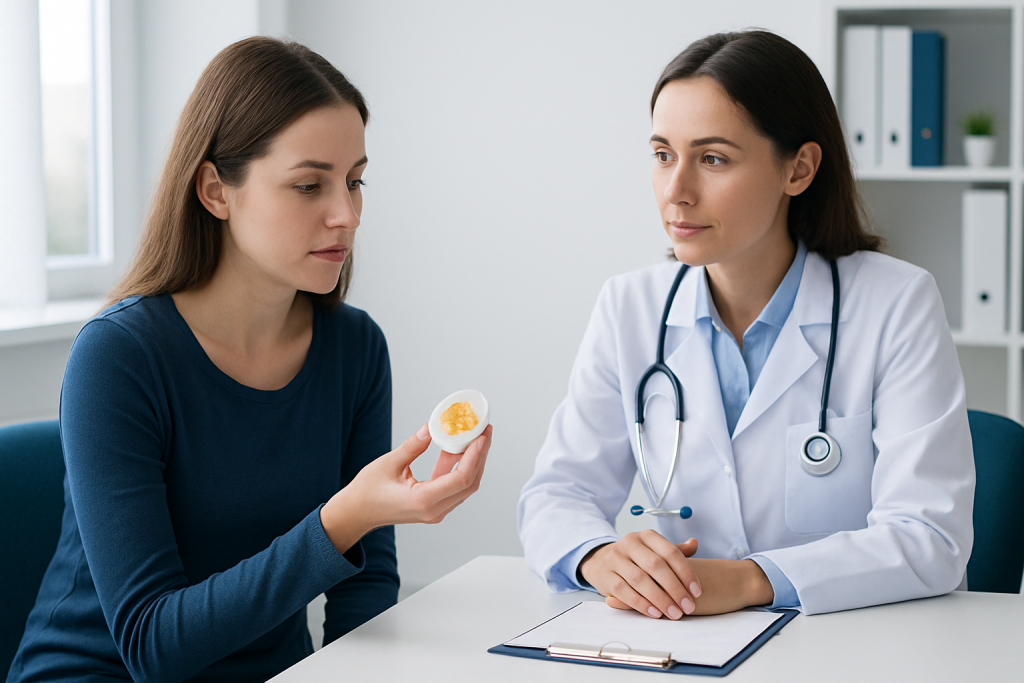
Fresh hard boiled eggs usually smell mild and look normal inside and out. Spoiled eggs may have a sulfur-like, sour, or unpleasant odor when cracked open. A bad smell is one of the clearest reasons to discard an egg immediately.
Other warning signs can include a slimy surface, sticky residue, unusual discoloration, or a chalky or dry appearance that seems abnormal. If the white or yolk looks greenish-gray from overcooking, that is not usually a safety issue by itself, but it can be a sign the egg was cooked too long and may have a less pleasant texture.
- Discard the egg if the shell is cracked and it has been stored for a long time.
- Discard it if it was left out at room temperature for more than about 2 hours.
- Do not taste an egg to “check” if it is bad.
- When the smell or appearance seems off, it is safest to throw it away.
Causes & Risk Factors for Spoilage
Hard boiled eggs spoil for the same reason many foods do: bacteria grow more easily when food is left warm, exposed, or handled repeatedly. The shell provides some protection, but it is not a permanent barrier once the egg has been cooked. Cracks, peeling, and repeated opening of the container all increase exposure.
Eggs are especially at risk when they are cooled slowly after cooking or placed in the refrigerator after sitting on the counter for too long. A crowded fridge, frequent door opening, or storing eggs in the door compartment can also make temperature less stable. For peeled eggs, moisture loss and contamination from hands or utensils become even more relevant.
People preparing food for a busy travel schedule may be tempted to make a batch of eggs in advance and carry them through several environments. That can be perfectly manageable if the eggs are kept cold in an insulated bag or refrigerator, but it becomes risky if they spend long periods at room temperature during transit, meetings, or excursions.
Diagnosis: How to Judge Freshness at Home
There is no medical test needed to tell whether a hard boiled egg is safe in everyday home use. Instead, freshness is judged by the storage timeline, the smell, the look, and how the egg was handled. In most households, the one-week refrigeration rule is the simplest and most reliable starting point.
If an egg has been peeled, labeled, or transferred into a container, it helps to mark the cooking date. This is especially useful when several family members share the fridge or when eggs are made for meal prep. A small note on the container can prevent guesswork later in the week.
Some people use the “float test” for raw eggs, but that method is not a dependable way to judge the safety of a hard boiled egg. Once an egg has been cooked, the better approach is to rely on refrigeration time and visible or sensory signs of spoilage rather than shortcuts.
Treatment Options: What To Do If You Think You Ate a Bad Egg
If someone eats a hard boiled egg that may have been spoiled, the next step is usually simple observation. Mild stomach discomfort may settle on its own, but nausea, vomiting, diarrhea, or cramping can occur if the egg carried harmful bacteria. Most healthy adults recover with rest and fluids, but symptoms should not be ignored if they are significant.
General supportive care often includes drinking fluids, choosing light foods if tolerated, and avoiding alcohol or heavy meals until the stomach feels normal. If symptoms are severe, persistent, or accompanied by fever, dehydration, bloody stool, or worsening weakness, medical evaluation is appropriate.
People who are pregnant, older adults, young children, and those with weakened immune systems should be more cautious after a suspected foodborne illness. For these groups, earlier contact with a clinician is a sensible choice because complications can develop more easily.
Prevention & Self-care
The safest way to enjoy hard boiled eggs is to cool them promptly after cooking, refrigerate them quickly, and keep them cold until use. Storing them in their shell helps preserve quality, while peeled eggs should go into a clean, covered container. A labeled container can make a week’s worth of meal prep easier to track.
Good kitchen habits matter as much as the fridge itself. Wash hands before and after handling eggs, use clean utensils, and avoid leaving eggs out on the counter while assembling lunch or snacks. If eggs are being packed for a journey, an insulated cooler with ice packs is much more reliable than a bag that stays at room temperature.
- Refrigerate hard boiled eggs within 2 hours of cooking.
- Keep the fridge at a consistently cold temperature.
- Store peeled eggs in a sealed container.
- Write the cooking date on the container if possible.
- Throw out any egg with a suspicious smell or appearance.
For people coordinating meals during hospital visits or international travel, these small steps reduce avoidable stress. When routines are disrupted, food safety should stay simple: cold storage, clean handling, and a short timeline.
When To See a Doctor
Most concerns about hard boiled eggs can be handled at home, but medical advice is appropriate if symptoms suggest food poisoning or dehydration. A clinician should be contacted if vomiting is repeated, diarrhea is severe, abdominal pain is intense, or symptoms last longer than expected. Medical review is also wise if a person becomes unusually weak, dizzy, or unable to keep fluids down.
It is especially important to seek timely care for infants, pregnant people, older adults, and anyone with chronic illness or reduced immunity. These individuals may need a lower threshold for evaluation, even if symptoms seem modest at first. If there is uncertainty after travel or during recovery away from home, it is reasonable to contact a healthcare professional rather than wait.
Acibadem Health Point’s multidisciplinary specialists and JCI-accredited hospitals diagnose and treat a wide range of health concerns for international patients, including foodborne illness when medical evaluation is needed.
A Practical Bottom Line
Hard boiled eggs are a useful refrigerator food, but they are not meant to be stored indefinitely. The simplest rule is to keep them refrigerated and use them within about one week, with peeled eggs handled even more carefully. If the egg smells wrong, looks odd, or was left out too long, the safest decision is to discard it.
For anyone planning meals ahead of a trip, a clinic visit, or a busy work week, a clear storage routine makes eggs a dependable option. Food safety does not need to be complicated — just consistent.
Frequently asked questions
How long do hard boiled eggs last in the fridge?
In general, hard boiled eggs last about one week in the refrigerator when they are stored properly. That applies to eggs kept cold soon after cooking and handled with clean hands and utensils. If they were left out for too long, the safe time can be shorter.
Do hard boiled eggs last longer peeled or unpeeled?
Unpeeled hard boiled eggs usually keep better because the shell helps protect them from moisture loss and contamination. Peeled eggs can still be stored safely, but they should be kept in a covered container and eaten sooner if possible. They are more exposed to odors and handling once the shell is removed.
Can hard boiled eggs sit out at room temperature?
They should not sit out for long. A common safety rule is to refrigerate them within about 2 hours of cooking, or sooner if the room is very warm. If they have been left out longer than that, it is safer to discard them.
How can someone tell if a hard boiled egg is bad?
A spoiled egg may smell sulfur-like, sour, or simply unpleasant when opened. Sliminess, unusual discoloration, or a sticky surface are also warning signs. If something seems off, it is best not to taste it.
Is the float test useful for hard boiled eggs?
Not really. The float test is sometimes discussed for raw eggs, but it is not a reliable way to judge the safety of a cooked egg. For hard boiled eggs, refrigeration time and obvious signs of spoilage are more useful.
What should someone do after eating a questionable egg?
Most people can start by resting and drinking fluids, especially if symptoms are mild. If there is vomiting, severe diarrhea, fever, dehydration, or worsening pain, medical advice should be sought. People who are pregnant, older, very young, or immunocompromised should be more cautious and contact a doctor earlier.
References
- U.S. Food and Drug Administration
- USDA Food Safety and Inspection Service
- Centers for Disease Control and Prevention
- FoodSafety.gov
This article is for general information only and is not a substitute for professional medical advice. Please consult a qualified doctor about your individual situation.