Weed Withdrawal Symptoms

Key Takeaways
- Withdrawal can happen after regular cannabis use and may include irritability, sleep problems, appetite changes, and cravings.
- Symptoms often start within days of stopping and gradually improve over one to two weeks, though sleep changes may last longer.
- The intensity of symptoms can vary based on how often, how much, and how long a person used cannabis.
- Supportive care, routine, hydration, and stress management can make the process more comfortable.
- Medical help is important if withdrawal feels severe, mental health symptoms worsen, or stopping cannabis is difficult to manage alone.
Weed withdrawal symptoms can appear after stopping regular cannabis use, especially when use has been frequent or long term. They are usually temporary, and with the right support, most people can manage them safely and successfully.
Overview
When someone stops using cannabis after a period of regular use, the body and brain may need time to adjust. That adjustment period is known as cannabis withdrawal, and the experience is often referred to as weed withdrawal symptoms. It is not a sign of weakness or poor discipline; it is a recognized response that can occur when the nervous system adapts to the absence of a substance it has become used to.
For many people, the symptoms are uncomfortable but manageable. They may affect mood, sleep, appetite, and daily energy, which can make the first days after quitting feel harder than expected. Understanding what may happen can help a person prepare, reduce worry, and decide when extra support would be useful.
For international patients who are considering treatment or traveling for medical support, it can be helpful to plan follow-up care before departure. That may include arranging a local clinician at home, identifying sleep or mental health support, and thinking through the first week after stopping cannabis when symptoms are most noticeable.
Symptoms
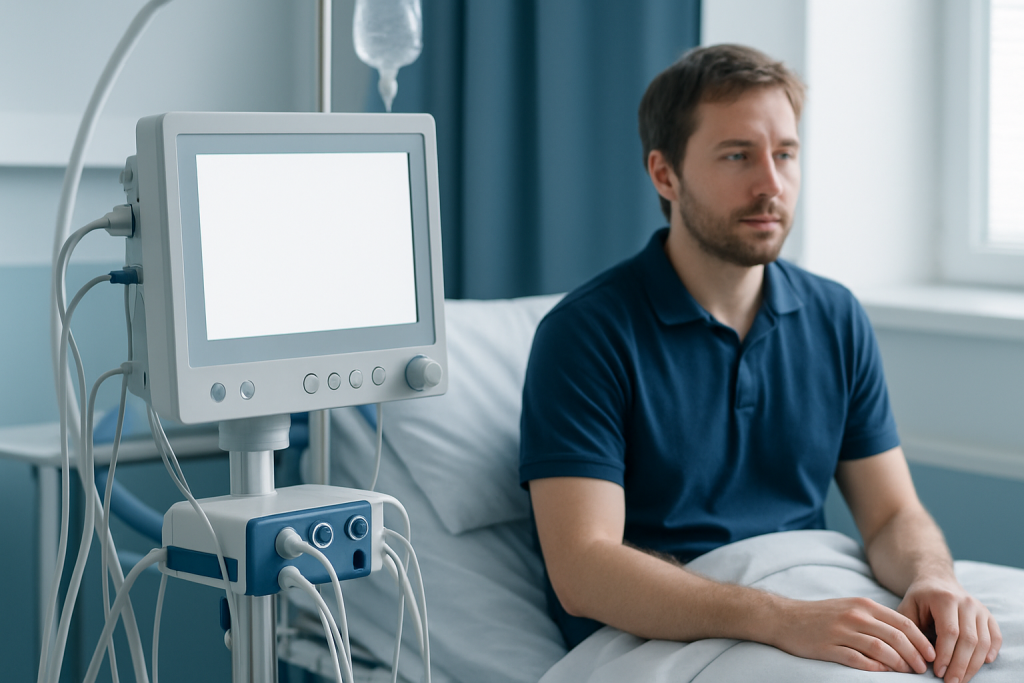
Weed withdrawal symptoms can vary from person to person, but several patterns are common. Mood changes are often among the first signs. A person may feel irritable, restless, anxious, or unusually low in mood. Some people also notice more frustration or a shorter temper than usual.
Sleep disturbance is another frequent feature. Falling asleep may take longer, dreams may become vivid, and waking during the night may happen more often. Along with sleep changes, many people report headache, sweating, reduced appetite, stomach discomfort, or general unease. Cravings for cannabis can also occur, especially in situations that were previously linked with use.
- Irritability or anger
- Anxiety or restlessness
- Sleep difficulty or vivid dreams
- Reduced appetite
- Headache or physical tension
- Cravings for cannabis
Not everyone experiences all of these symptoms, and their intensity can differ widely. Some people notice only mild discomfort, while others feel that several symptoms appear together. The pattern may depend on prior use, stress levels, and whether another health concern is also present.
Causes & Risk Factors

Cannabis contains compounds that interact with the brain’s endocannabinoid system, which helps regulate mood, sleep, appetite, and stress response. When cannabis is used regularly, the body may become accustomed to that external influence. After stopping, the system can take time to rebalance, and that period of adjustment is what leads to withdrawal symptoms.
Several factors can make withdrawal more likely or more noticeable. Frequent use over a long period is one of the clearest risk factors, as is using products with higher THC content. People who use cannabis to cope with stress, insomnia, anxiety, or pain may also feel withdrawal more strongly because they lose both the substance and the routine associated with it.
Other life circumstances can shape the experience as well. High stress, poor sleep, untreated mental health conditions, and using cannabis alongside alcohol, nicotine, or other substances can make quitting more complicated. In some people, symptoms may reflect another issue as well, so a careful medical review is sometimes important.
Diagnosis
There is no single laboratory test that confirms weed withdrawal symptoms. Diagnosis is usually based on the person’s history, the timing of symptoms, and recent changes in cannabis use. A clinician will typically ask how often cannabis was used, for how long, and when symptoms began after stopping or cutting down.
Doctors also consider whether another condition could better explain the symptoms. Anxiety disorders, depression, sleep disorders, medication side effects, thyroid problems, and other substance withdrawal states may overlap with cannabis withdrawal. A good assessment helps separate withdrawal from other causes and supports the most appropriate next step.
For patients seeking care across borders, a clear summary of past cannabis use, medications, and mental health history can make the first consultation more efficient. Written notes, previous prescriptions, and any records of prior treatment can be especially helpful when continuity of care is needed after returning home.
Treatment Options
There is no one-size-fits-all medication for cannabis withdrawal, so treatment often focuses on symptom relief and practical support. The simplest plan may include reassurance, improved sleep habits, hydration, regular meals, and a temporary reduction in stressors. For many people, these steps are enough to get through the early phase safely.
When symptoms interfere with daily life, a doctor may recommend counseling or behavioral support. Approaches such as cognitive behavioral therapy, motivational interviewing, or substance-use counseling can help with cravings, habits, and relapse prevention. If there is an underlying anxiety, depression, or sleep problem, treating that condition can make quitting more manageable.
In some situations, clinicians may suggest short-term medical treatment for specific symptoms, but this is individualized and should always be guided by a qualified doctor. The best plan usually looks at the whole person rather than the withdrawal symptoms alone, especially if cannabis use has been tied to emotional distress, pain, or disrupted routines.
Prevention & Self-care
Not every withdrawal episode can be prevented, but planning ahead can make the process easier. If a person is preparing to stop cannabis, it may help to choose a period with fewer obligations, steady sleep opportunities, and access to support from family, friends, or a clinician. Reducing other stressors at the same time can also help.
Daily routines matter more than they may seem. Regular meals, enough water, moderate physical activity, and consistent sleep and wake times can help the body adjust. Many people benefit from avoiding triggers that strongly remind them of past use, especially during the first days. If cravings appear, simple delays, distractions, and staying around supportive people can reduce the urge to resume use.
- Keep sleep and wake times consistent
- Eat regular, balanced meals even if appetite is lower
- Limit alcohol and other substances that can complicate recovery
- Use relaxation techniques such as slow breathing or guided mindfulness
- Reach out early if mood, sleep, or cravings start to escalate
For someone traveling for medical care or recovery support, it is sensible to arrange a calm return plan before the trip ends. That may include setting up telehealth follow-up, identifying local mental health services, and making sure prescriptions or counseling appointments can continue without interruption.
When to See a Doctor
Medical advice is worth seeking when withdrawal symptoms are intense, last longer than expected, or make it difficult to function at work, school, or home. A doctor should also be involved if a person has repeated trouble stopping cannabis, especially when previous attempts have led to relapse or significant distress. Getting help early can prevent symptoms from becoming a bigger obstacle.
It is especially important to speak with a clinician if there are signs of depression, panic, severe anxiety, or thoughts of self-harm. If vomiting, dehydration, chest pain, confusion, or any symptom feels unusual for withdrawal, another cause may be present and needs evaluation. People with other substance use concerns or chronic medical problems should not try to manage everything alone.
Acibadem Health Point brings together multidisciplinary specialists and JCI-accredited hospitals to evaluate and treat patients, including international patients who need structured support during diagnosis, recovery, and follow-up. A qualified medical team can help clarify whether symptoms fit cannabis withdrawal and recommend a safe, personalized plan.
Living Through the First Week
The first few days after stopping cannabis are often the most noticeable, and it helps to treat that period as a temporary transition rather than a failure point. Some people find it useful to keep the schedule simple: light exercise, predictable meals, limited screen time before bed, and short check-ins with someone they trust. Small choices can make the days feel more stable.
Cravings may come in waves. They often peak and fade rather than building forever, which is why a pause, a change of setting, or a brief walk can sometimes be enough to ride them out. If the person has a history of heavy use, a plan for the evenings and weekends can be especially useful because those times often carry the strongest routines and triggers.
Recovery is usually more successful when the goal is realistic. The aim is not to “power through” in silence, but to notice symptoms, respond early, and use support when needed. A clinician can help if the process becomes discouraging or if stopping cannabis reveals another health problem that deserves attention.
Frequently asked questions
How long do weed withdrawal symptoms usually last?
Symptoms often begin within a few days after stopping cannabis and improve over one to two weeks for many people. Sleep-related changes or cravings may last a bit longer. The exact timeline depends on how much and how often cannabis was used.
What is the most common symptom of cannabis withdrawal?
Irritability, anxiety, sleep disturbance, and cravings are among the most common symptoms. Many people notice several of these at once rather than just one. The pattern can vary based on the person’s use history and overall health.
Can weed withdrawal make someone feel depressed or anxious?
Yes, mood changes are a recognized part of cannabis withdrawal. A person may feel more anxious, low, or emotionally reactive for a short time after stopping. If these feelings are severe or do not improve, a doctor should evaluate them.
Is it safe to quit cannabis suddenly?
For many people, stopping cannabis does not cause dangerous physical withdrawal, but the symptoms can still be uncomfortable. If there is heavy use, mental health concerns, or use of other substances, medical guidance is a good idea. A clinician can help decide whether support is needed during the process.
What helps with weed withdrawal symptoms at home?
Regular sleep, hydration, balanced meals, and light physical activity can help the body adjust. Avoiding triggers and using relaxation techniques may also ease cravings and irritability. If symptoms become hard to manage, medical support is appropriate.
When should someone get professional help for cannabis withdrawal?
Professional help is important if symptoms are severe, persist, or interfere with daily life. It is also important if there are signs of depression, panic, self-harm, or another medical problem. Support can make quitting safer and more sustainable.
References
- National Institute on Drug Abuse
- American Psychiatric Association
- World Health Organization
- Substance Abuse and Mental Health Services Administration
- Mayo Clinic
This article is for general information only and is not a substitute for professional medical advice. Please consult a qualified doctor about your individual situation.