Infectious Disease

Key Takeaways
- Infectious diseases can be caused by bacteria, viruses, fungi, or parasites.
- Symptoms vary widely and may include fever, cough, fatigue, diarrhea, rash, or localized pain.
- Diagnosis may involve a medical history, physical examination, and laboratory or imaging tests.
- Treatment depends on the cause and may include antivirals, antibiotics, antifungals, antiparasitic medicines, or supportive care.
- Prevention focuses on hygiene, vaccination, safe food and water practices, and reducing exposure.
- Travelers and international patients should plan follow-up care and return precautions before leaving the country.
Infectious diseases are caused by germs such as bacteria, viruses, fungi, or parasites that enter the body and disrupt normal function. Understanding how infections spread, how they are diagnosed, and when medical care is needed can help people make safer, earlier decisions about treatment.
Overview
Infectious disease is a broad term for illnesses that begin when a harmful microorganism enters the body, multiplies, and triggers symptoms. The organism may be a virus, bacterium, fungus, or parasite, and the resulting illness can affect almost any part of the body.
Some infections are mild and settle with rest and basic care, while others require prompt medical treatment to prevent complications. Because the same infection can look different from one person to another, a careful evaluation matters more than guessing from symptoms alone.
For international patients, the practical question is often not only what the infection is, but also how quickly it can be confirmed and treated before travel plans or home follow-up become difficult. That is why clear diagnosis and an organized plan are central parts of infectious disease care.
Symptoms
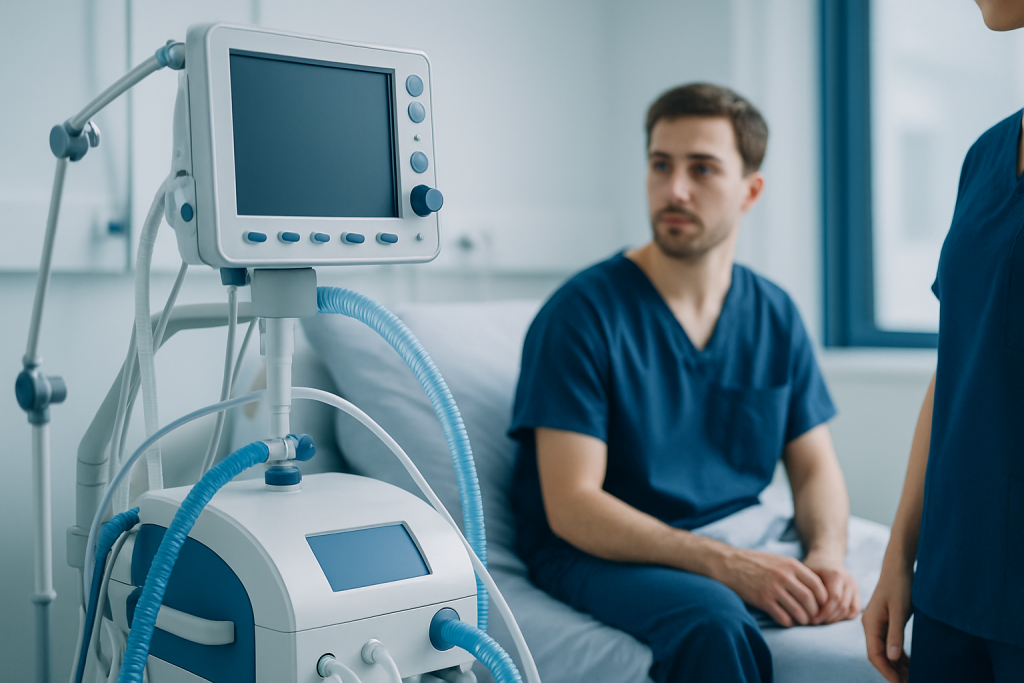
Symptoms depend on which germ is involved and where in the body the infection develops. A respiratory infection may cause cough, sore throat, congestion, or shortness of breath, while a gastrointestinal infection may lead to nausea, vomiting, diarrhea, or abdominal cramps.
Many infections also cause general signs such as fever, chills, fatigue, body aches, swollen lymph nodes, or loss of appetite. Skin and soft tissue infections may present with redness, warmth, swelling, drainage, or pain in one area.
Some infections remain subtle at first, especially in older adults, young children, or people with weakened immune systems. In these situations, changes in energy, confusion, dehydration, or a worsening of an existing condition may be the earliest clues that medical attention is needed.
- Fever or chills
- Cough, sore throat, or nasal congestion
- Diarrhea, vomiting, or stomach pain
- Rash, redness, swelling, or drainage
- Fatigue, weakness, or body aches
Causes & Risk Factors
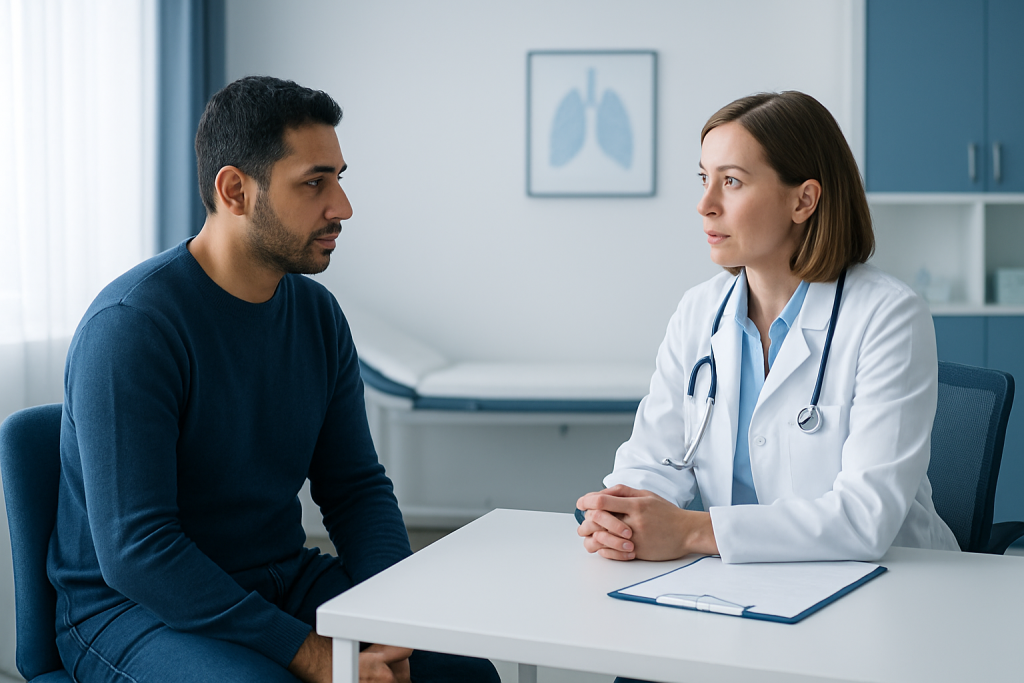
Infectious diseases develop when microorganisms enter the body and overcome its normal defenses. This can happen through direct contact with an infected person, contaminated food or water, respiratory droplets, blood or body fluids, insect bites, or contact with contaminated surfaces and objects.
Risk is not the same for everyone. People may be more vulnerable if they are very young, older, pregnant, recovering from surgery, living with chronic illness, or taking medicines that suppress the immune system. Crowded living conditions, poor hand hygiene, unsafe food handling, and incomplete vaccination can also increase exposure.
Travel can add another layer of risk, especially when people visit regions where certain infections are more common or where food, water, or mosquito exposure is difficult to control. A good travel history helps doctors think more accurately about the likely cause and choose the right tests early.
Diagnosis
Diagnosis usually begins with a detailed conversation about symptoms, timing, travel, exposures, vaccinations, and medical history. A clinician then performs a physical examination to look for signs that point toward a specific source, such as the lungs, skin, urinary tract, or digestive system.
Depending on the situation, testing may include blood work, urine tests, throat swabs, stool analysis, cultures, or molecular tests that look for the genetic material of a germ. Imaging studies may be helpful when an infection is deeper in the body, such as in the chest, abdomen, bones, or joints.
The goal is not just to name the infection, but to understand how severe it is and whether it is likely to spread or worsen. For international patients, this step is especially important before a flight home, since some conditions require treatment changes or follow-up testing that are easier to arrange before departure.
Treatment Options
Treatment depends on the cause of the infection. Bacterial infections may respond to antibiotics, viral infections may improve with supportive care or antiviral medicines in selected cases, fungal infections may require antifungal treatment, and parasitic infections may need antiparasitic medication.
Supportive care often plays an important role regardless of the cause. Rest, hydration, fever control, nutrition, and symptom relief can help the body recover while the underlying infection is addressed. In more serious cases, treatment may require intravenous fluids, oxygen, procedures to drain infected areas, or hospital monitoring.
It is important that treatment be guided by a clinician rather than by assumption. Antibiotics do not treat viruses, and using the wrong medicine can delay recovery, cause side effects, and make future treatment more difficult. When infection is linked to travel, pets, food exposure, or a wound, the care plan may need to be tailored more specifically.
For patients traveling internationally, it can help to leave with a written summary of the diagnosis, test results, medicine list, and a clear follow-up plan. Coordinated care reduces confusion if symptoms change after returning home.
Prevention & Self-care
Many infectious diseases are preventable or at least less likely to spread with practical daily habits. Handwashing, respiratory etiquette, safe food preparation, clean drinking water, and keeping vaccinations up to date are some of the most effective protections.
Self-care is also about reducing the chances of worsening an illness once it starts. People should rest, drink enough fluids, monitor symptoms, and avoid close contact with others when an infection may be contagious. If prescribed medicines, they should be taken exactly as directed and completed unless a clinician advises otherwise.
Travelers can prepare by reviewing recommended vaccines, packing essential medications, and learning how to reduce food-, water-, and insect-borne exposure. If care is being sought abroad, it is wise to ask about what symptoms should prompt urgent review after discharge and how to obtain records for a doctor at home.
- Wash hands regularly with soap and water
- Use food and water precautions when traveling
- Keep vaccines current when appropriate
- Cover coughs and avoid close contact when contagious
- Seek medical advice for persistent or worsening symptoms
When to See a Doctor
Medical evaluation is advisable when symptoms are severe, unusual, or lasting longer than expected. A doctor should also be contacted if a person has trouble breathing, signs of dehydration, confusion, high fever that does not improve, severe pain, or a rapidly spreading rash or skin infection.
People with weakened immune systems, pregnancy, very young age, advanced age, or chronic medical conditions should seek care earlier, since infections can progress more quickly in these groups. Blood in stool, persistent vomiting, chest pain, or decreased urination are also reasons to be assessed promptly.
After treatment, follow-up is important if symptoms are not clearly improving, if new symptoms appear, or if the person is preparing to travel. Acibadem Health Point’s multidisciplinary specialists and JCI-accredited hospitals diagnose and treat infectious disease conditions for international patients, with attention to safe coordination before and after travel.
Frequently asked questions
What is an infectious disease?
An infectious disease is an illness caused by microorganisms such as bacteria, viruses, fungi, or parasites. These germs can enter the body and cause symptoms ranging from mild discomfort to serious illness.
How can doctors tell which germ is causing the infection?
Doctors use the medical history, physical examination, and tests such as blood work, swabs, urine tests, stool tests, cultures, or imaging. The right test depends on the suspected site and type of infection.
Do all infections need antibiotics?
No. Antibiotics treat bacterial infections, but they do not work against viruses. The correct treatment depends on the cause, and a clinician should guide medicine choices.
Can an infection spread before symptoms appear?
Yes, some infections can spread before a person feels ill or when symptoms are still mild. This is one reason hygiene, vaccination, and early evaluation of suspicious symptoms are important.
When should someone seek urgent medical care?
Urgent care is important for trouble breathing, confusion, severe dehydration, chest pain, rapidly worsening symptoms, or a high fever that is not improving. People with weakened immune systems should seek help sooner if they feel unwell.
What should international patients keep in mind after treatment?
They should ask for a clear diagnosis, test results, treatment summary, and follow-up instructions before traveling home. This makes it easier for a local doctor to continue care if symptoms return or new concerns arise.
References
- World Health Organization
- Centers for Disease Control and Prevention
- National Health Service
- Mayo Clinic
- Infectious Diseases Society of America
This article is for general information only and is not a substitute for professional medical advice. Please consult a qualified doctor about your individual situation.