Epididymis

Key Takeaways
- The epididymis helps sperm mature and move from the testicle into the vas deferens.
- Pain, swelling, or tenderness behind the testicle can signal epididymal inflammation or another scrotal condition.
- Infections, urinary problems, and sometimes physical strain can contribute to epididymal symptoms.
- Diagnosis usually involves a medical history, examination, urine tests, and sometimes ultrasound.
- Treatment depends on the cause and may include rest, pain relief, antibiotics, or further urologic care.
- Prompt assessment is important if symptoms are sudden, severe, or accompanied by fever or urinary changes.
The epididymis is a small but important structure located behind each testicle, where sperm mature and are stored. When it becomes inflamed or painful, timely evaluation can help identify the cause and protect comfort, fertility, and overall reproductive health.
Overview
The epididymis is a coiled tube that sits along the back of each testicle. Its job is simple to describe and important in practice: it helps sperm mature, store, and travel onward through the reproductive tract.
Because of its position in the scrotum, the epididymis can be affected by infection, irritation, injury, or blockage. When it becomes inflamed, the condition is called epididymitis. People often notice discomfort in one side of the scrotum, and the pain may feel gradual, localised, or dull rather than sharp at first.
Understanding the epididymis helps make sense of symptoms that can otherwise feel confusing. Scrotal discomfort does not always mean a serious problem, but it should not be ignored, especially when it is new, persistent, or paired with urinary symptoms, swelling, or fever.
Symptoms
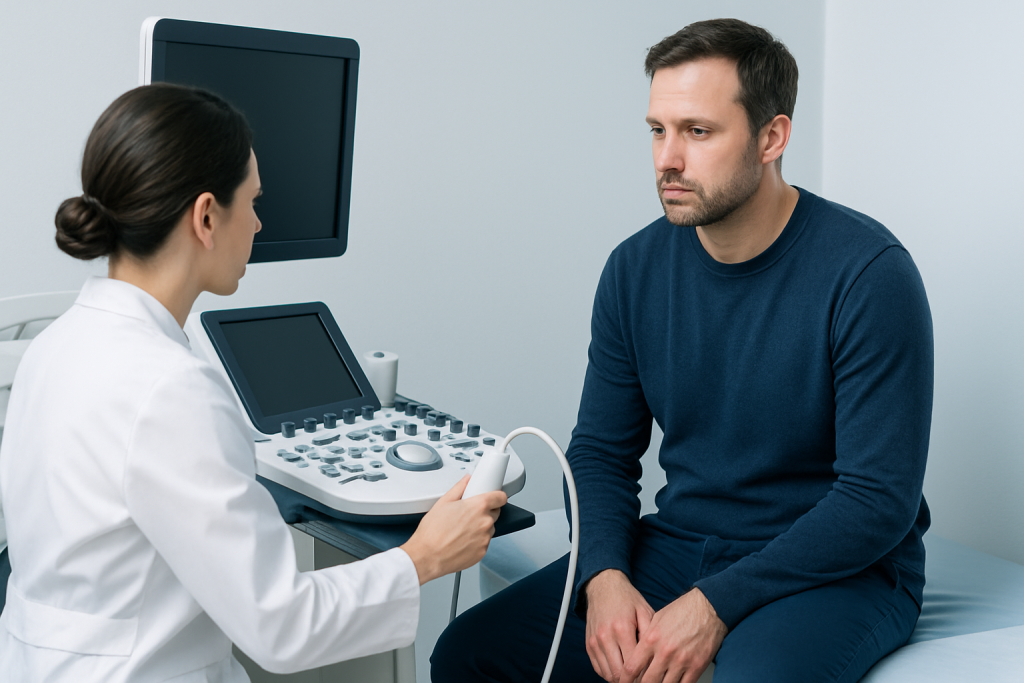
Epididymal problems commonly show up as pain or tenderness behind one testicle. The area may feel swollen, warm, or sensitive to movement, and the discomfort can spread into the groin or lower abdomen.
Other symptoms may point toward inflammation or infection. Some people notice burning during urination, increased frequency, urethral discharge, pain during ejaculation, or a general feeling of being unwell. Fever can occur when infection is the cause.
Not every case looks the same, and symptom intensity does not always match the underlying cause. Still, the combination of scrotal pain and urinary symptoms often deserves a prompt medical review because several different conditions can appear similar in the early stages.
- One-sided scrotal pain or heaviness
- Tenderness behind the testicle
- Swelling or redness of the scrotum
- Painful urination or frequent urination
- Fever or chills
- Pain with ejaculation
Causes & Risk Factors
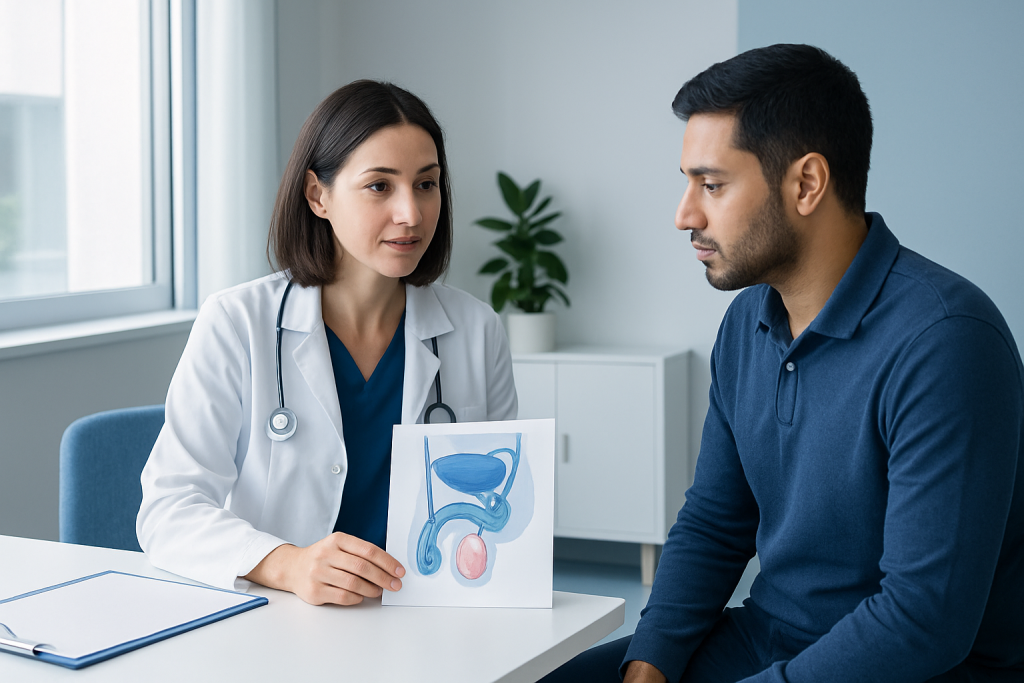
The most common cause of epididymitis is infection. In younger and sexually active men, bacteria linked to sexually transmitted infections may travel upward and affect the epididymis. In older men, bacteria from the urinary tract are more often involved, especially when there is prostate enlargement or difficulty emptying the bladder.
Not every painful epididymis is caused by infection. Urine can sometimes flow backward into the epididymis, irritation may follow heavy lifting or prolonged cycling, and injury or recent procedures involving the urinary tract can also play a role. Less commonly, inflammation can be associated with tuberculosis or other systemic illnesses.
Risk is influenced by anatomy and by how the urinary and reproductive tracts are functioning. Factors such as unprotected sex, a history of urinary infections, prostate enlargement, catheter use, recent genitourinary surgery, or recurrent urinary retention may increase the chance of epididymal inflammation.
In adolescents and adults, distinguishing epididymitis from other causes of scrotal pain is important. Testicular torsion, inguinal hernia, torsion of an appendix testis, and kidney stone pain can overlap with epididymal symptoms, which is why evaluation should not be delayed when pain appears suddenly or severely.
Diagnosis
Diagnosis begins with a careful conversation about symptoms, sexual history when relevant, urinary changes, recent procedures, and any previous episodes. A clinician will usually examine the scrotum and lower abdomen to assess tenderness, swelling, and whether the pain seems to arise from the testicle, epididymis, or another nearby structure.
Urine testing is often part of the workup. This may include a urinalysis and culture to look for infection, and in some cases testing for sexually transmitted infections. If the presentation is unclear or there is concern about testicular blood flow, scrotal ultrasound may be recommended to help distinguish epididymitis from torsion or other causes.
Additional tests may be selected based on the person’s age, symptom pattern, and medical history. The goal is not only to confirm inflammation but also to identify the cause, because treatment is more effective when it targets the underlying issue rather than the pain alone.
Treatment Options
Treatment depends on the likely cause. When infection is suspected, clinicians may prescribe antibiotics chosen to match the probable source of bacteria. If a sexually transmitted infection is involved, both the affected person and sexual partner(s) may need assessment and treatment guidance to prevent reinfection.
Supportive care is also important. Rest, scrotal support, cold packs used briefly, and anti-inflammatory pain relief can help reduce discomfort while the inflammation settles. It is usually wise to avoid strenuous activity, heavy lifting, and sexual activity until a clinician advises it is safe to resume.
When epididymal symptoms are linked to urinary problems, treatment may also include addressing prostate enlargement, bladder emptying difficulties, or catheter-related irritation. If symptoms do not improve as expected, further evaluation may be needed to rule out abscess, chronic inflammation, or another diagnosis.
Some people recover quickly, while others need a more gradual return to normal activities. Follow-up matters, particularly when pain lingers, swelling persists, or fertility concerns are part of the conversation.
Prevention & Self-care
There is no single way to prevent every case of epididymal inflammation, but several habits reduce risk. Safer sex practices can lower the chance of sexually transmitted infections, and prompt treatment of urinary infections may help prevent spread to nearby structures.
Simple self-care can also make recovery more comfortable. Wearing supportive underwear, resting the area, staying hydrated, and following the prescribed treatment plan can all help. If a clinician recommends antibiotics, completing the full course is important even if symptoms start easing early.
People who have recurrent urinary issues may benefit from a broader look at bladder and prostate health. In practical terms, prevention often means treating the body system that is feeding the problem, not just the epididymis itself.
- Use condoms and seek testing when STI exposure is possible
- Address urinary symptoms early
- Avoid heavy strain when scrotal pain is present
- Support the scrotum during recovery
- Follow up if symptoms return after treatment
When to See a Doctor
Scrotal pain should be assessed promptly when it appears suddenly, becomes severe, or is accompanied by nausea, vomiting, fever, or significant swelling. These features can overlap with testicular torsion, which requires urgent attention and should not be mistaken for a routine strain or irritation.
Medical review is also sensible when there is burning urination, blood in the urine, discharge, pain during sex, or symptoms that do not improve after a short period of rest. Recurrent episodes deserve evaluation because the cause may be more complex than a one-time infection.
For international patients arranging care from another country, it can be helpful to gather previous test results, imaging, medication lists, and any records of prior urinary or sexual health treatment before travel. A coordinated visit can make diagnosis and follow-up more efficient, and Acibadem Health Point’s multidisciplinary specialists and JCI-accredited hospitals can diagnose and treat this condition for international patients.
Frequently asked questions
What is the epididymis?
The epididymis is a long, coiled tube located behind each testicle. It stores and helps mature sperm before they move into the vas deferens.
What is epididymitis?
Epididymitis is inflammation of the epididymis, often caused by infection. It can lead to scrotal pain, swelling, and urinary symptoms.
Can epididymitis affect fertility?
Most people recover without lasting problems, especially when treatment is started early. Repeated or severe inflammation can sometimes affect fertility, so follow-up is important if symptoms persist or recur.
How is epididymal pain different from testicular torsion?
Both can cause scrotal pain, but testicular torsion often starts suddenly and is a medical emergency. Because the symptoms can overlap, sudden severe pain should be evaluated right away.
Do antibiotics always help?
Antibiotics are useful when infection is the cause, but they are not appropriate for every case of scrotal pain. A clinician needs to determine the likely cause before choosing treatment.
What can be done at home while waiting for care?
Rest, supportive underwear, and avoiding heavy activity may help reduce discomfort. Home care should not delay medical evaluation if the pain is severe, sudden, or linked to fever or urinary changes.
References
- Merck Manual Professional Edition
- Mayo Clinic
- National Institute of Diabetes and Digestive and Kidney Diseases
- National Health Service (NHS)
- Urology Care Foundation
This article is for general information only and is not a substitute for professional medical advice. Please consult a qualified doctor about your individual situation.