Enema: Uses, Procedure and Risks

Key Takeaways
- Enemas may be used for constipation relief, bowel preparation, or certain medical assessments.
- Not every case of constipation should be treated with an enema; the cause matters.
- Correct technique and the right solution are important for safety and comfort.
- Frequent or unsupervised use can lead to irritation, dehydration, or electrolyte imbalance.
- Persistent bowel symptoms should be reviewed by a clinician, especially if they are new or severe.
Medically reviewed by the Acıbadem clinical team — August 19, 2026
An enema is a liquid solution placed into the rectum to help empty the bowel or prepare for certain medical tests and procedures. When used for the right reason and with proper guidance, it can be a straightforward and effective part of care.
Overview
An enema is a liquid introduced into the rectum through the anus to soften stool, stimulate a bowel movement, or clear the lower bowel before a procedure. For many people, the word sounds more intimidating than the process usually is; in practice, it is often a short, targeted intervention with a clear purpose.
Enemas are used in different settings. A doctor may recommend one for constipation that has not improved with simpler measures, to empty the bowel before a colonoscopy or surgery, or to help evaluate or treat certain bowel conditions. The key idea is that an enema is not a routine home remedy for every digestive concern; it is a tool used when there is a specific reason.
Because bowel symptoms can reflect anything from temporary dietary changes to a condition that needs medical attention, the reason behind the enema matters as much as the enema itself. A careful assessment helps determine whether it is appropriate, what solution should be used, and whether another approach would be safer or more effective.
Symptoms
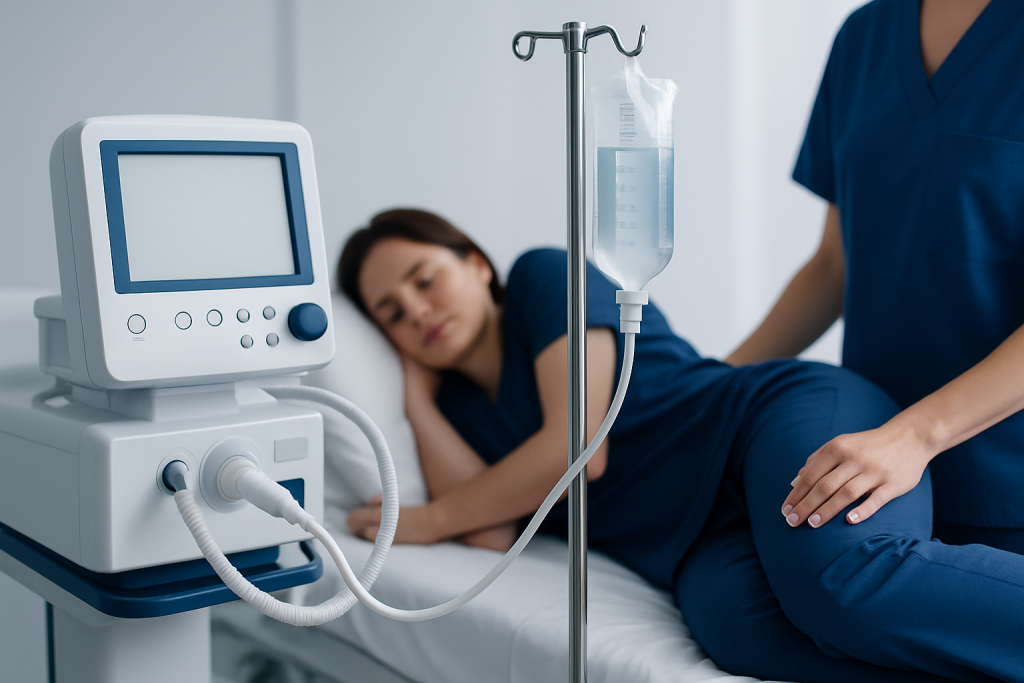
People usually encounter enemas because of symptoms related to stool buildup or incomplete bowel emptying. Common complaints include hard stools, straining, a feeling of rectal fullness, or passing only small amounts of stool despite the urge to go. Some people also experience abdominal discomfort or bloating when the lower bowel is sluggish.
When an enema is being considered for bowel preparation, the symptom may be different: there may be no digestive complaint at all, only a need to clear the bowel before a test or treatment. In that setting, the goal is not symptom relief but a cleaner view of the bowel or easier access during a procedure.
It is important to distinguish ordinary constipation from symptoms that suggest a more serious problem. Blood in the stool, vomiting, a swollen abdomen, fever, severe pain, or a sudden change in bowel habits should not be managed only with a home enema. Those signs deserve prompt medical review.
Causes & Risk Factors

Enemas are sometimes used when constipation has a temporary cause, such as travel, changes in routine, lower fluid intake, reduced mobility, or a diet low in fiber. They may also be considered when certain medicines slow the bowel, including some pain medicines and other drugs that affect gut movement.
Some people are more likely to need bowel-cleansing support because of age, chronic illness, neurological conditions, or recovery after surgery. In international patient care, this can come up when someone arrives for a planned procedure after long-distance travel, limited diet changes, or disruption of regular medication schedules. The treatment plan should account for those practical details rather than treating every case as identical.
At the same time, recurrent constipation may point to an underlying issue such as thyroid disease, dehydration, pelvic floor dysfunction, or a bowel disorder. An enema can relieve a blocked lower bowel, but it does not explain why the problem happened. That is why repeated use without evaluation is not a good long-term strategy.
Diagnosis
Before recommending an enema, a clinician usually asks about bowel pattern, stool consistency, duration of symptoms, fluid intake, diet, medicines, recent surgery, and any alarm features. In some situations, a physical examination, including a rectal exam, may be needed to check for impacted stool or other causes of blockage.
Additional tests are sometimes used when constipation is persistent, unexplained, or associated with other symptoms. Depending on the situation, these may include blood tests, imaging, or colon evaluation. The point is not to make the workup more complicated than necessary, but to avoid missing an underlying cause that needs a different treatment.
For patients traveling from abroad, diagnosis may also involve reviewing records from home and planning the safest sequence of care. Clear communication about allergies, past bowel problems, kidney disease, heart disease, or pregnancy helps the team decide whether an enema is appropriate and what type is best.
Treatment Options
Enemas come in several forms, and the right choice depends on the goal. Some are designed to soften stool and draw water into the bowel, while others mainly stimulate the rectum to trigger a bowel movement. Saline-based options are common in medical settings, but the exact solution should always be selected with professional guidance.
When an enema is used for constipation, it is often part of a broader plan rather than the entire treatment. Doctors may also recommend hydration, dietary changes, physical activity, stool softeners, fiber adjustment, or other laxatives if appropriate. If fecal impaction is suspected, the plan may need to be more carefully supervised to avoid pain or injury.
For bowel preparation before procedures, the instructions may be very specific about timing and whether a patient should eat, drink, or take other medicines. Following those instructions closely helps the procedure go smoothly and reduces the chance of delay. People should not substitute one product for another without checking first, because some enemas are not suitable for everyone, especially those with kidney problems, heart conditions, or frailty.
When symptoms do not improve as expected, the clinician may adjust the plan rather than repeating the same approach. That may mean changing the type of bowel regimen, investigating a mechanical blockage, or addressing a medication side effect. A careful response is usually safer than frequent self-treatment.
Prevention & Self-care
Many cases of constipation can be reduced with everyday habits that support regular bowel function. Adequate fluids, a diet that includes appropriate fiber, regular movement, and a consistent toileting routine can all help. Changes should be gradual, especially when someone has been constipated for a while, because sudden increases in fiber without enough fluid can sometimes worsen bloating.
People who travel, recover from surgery, or take medicines that affect the bowel may benefit from planning ahead. That can include packing prescribed medicines, staying hydrated during flights, and discussing a bowel plan before leaving home if constipation has been a recurring issue. For international patients, this kind of preparation can make a planned procedure or recovery period much less stressful.
Enemas should be used only as directed. Repeated unsupervised use can irritate the rectum and may disturb the body’s fluid and electrolyte balance. Gentle self-care is usually the better foundation, with an enema reserved for situations where a clinician has determined it is truly needed.
- Drink fluids regularly unless a doctor has advised otherwise.
- Include fiber in a balanced way and increase it gradually.
- Keep active when possible, even with short walks.
- Do not rely on enemas as a frequent home fix for ongoing constipation.
- Seek medical advice if constipation is recurring or changing.
When to See a Doctor
Medical advice is important if constipation is new, persistent, or accompanied by warning signs such as abdominal pain, vomiting, blood in the stool, fever, unexplained weight loss, or a swollen abdomen. These symptoms may indicate a problem that needs evaluation rather than a simple bowel-cleansing measure.
A doctor should also be consulted before using an enema if there is a history of inflammatory bowel disease, rectal bleeding, kidney disease, heart disease, bowel surgery, or pregnancy. The same applies if the person is frail, elderly, or already dehydrated, because safety considerations become more important.
In a planned-care setting, it is wise to ask questions before traveling or before a procedure: what kind of enema is planned, when it should be used, what to expect afterward, and whether any medicines should be adjusted. At Acibadem Health Point, multidisciplinary specialists and JCI-accredited hospitals diagnose and treat digestive conditions for international patients with coordinated, patient-centered care.
Recovery and Follow-up
After an enema, many people have a bowel movement within a short time and then feel relief from pressure or fullness. Mild cramping or a sense of urgency can occur briefly, but symptoms should settle soon after the bowel is emptied. Drinking fluids afterward is often helpful unless a clinician has given different instructions.
If the enema was part of preparation for a test or procedure, the follow-up usually depends on the next step in care. The patient may need to continue fasting, attend the scheduled appointment, or monitor for any unusual discomfort. Keeping the care team informed about the response to the enema helps them judge whether the plan worked as intended.
Patients who are returning home after treatment should ask for clear written instructions, especially if language barriers or time-zone differences could make later questions harder to resolve. Knowing what is normal and what is not can prevent unnecessary worry and make follow-up more effective.
Frequently asked questions
What is an enema used for?
An enema is commonly used to relieve constipation, empty the lower bowel, or prepare for a medical procedure. In some cases, it may also help a clinician examine or treat a bowel problem more effectively. The reason for use should always be clear before it is given.
Does an enema work right away?
Often, yes, but the timing varies by the type of enema and the individual situation. Some people feel an urge to pass stool quite quickly, while others may take longer. If the expected effect does not happen, medical advice is appropriate rather than repeating the dose on one’s own.
Is it safe to use enemas at home?
Sometimes, but only when a doctor or pharmacist has confirmed that the product is appropriate and the instructions are clear. Home use is not suitable for everyone, especially people with certain medical conditions or rectal bleeding. Frequent use without guidance is not recommended.
Can an enema be used for any kind of constipation?
No. Constipation can have many causes, and some need different treatment or further evaluation. If constipation is severe, new, or linked to pain or vomiting, a doctor should assess the situation first.
What are the possible side effects of an enema?
Short-term effects can include cramping, urgency, or rectal irritation. More serious problems are uncommon but can include dehydration, electrolyte imbalance, or injury if the enema is used incorrectly or too often. That is why proper guidance matters.
When should someone avoid using an enema?
An enema should not be used without medical advice if there is rectal bleeding, severe abdominal pain, vomiting, suspected bowel obstruction, or a history that makes bowel cleansing risky. People with kidney disease, heart disease, pregnancy, or recent bowel surgery should check with a clinician first. When in doubt, it is safer to ask.
References
- World Health Organization
- Mayo Clinic
- National Institute of Diabetes and Digestive and Kidney Diseases
- American Gastroenterological Association
- NHS
This article is for general information only and is not a substitute for professional medical advice. Please consult a qualified doctor about your individual situation.
Persistent digestive symptoms? Get evaluated in Turkey
JCI-accredited · board-certified surgeons · reply within 24h
Add us as a Preferred Source to see more of our trusted health content across Google Search, AI Overviews and Discover.