Endoscope: Uses, Types and Procedure
Key Takeaways
- An endoscope is a thin instrument with a light and camera that lets doctors inspect internal organs without large incisions.
- Endoscopes are used for diagnosis, tissue sampling, and some treatments, especially in digestive and airway care.
- Preparation depends on the procedure and may include fasting, medication review, and arranging escort support after sedation.
- Most endoscopic procedures are planned and well tolerated, but patients should know the warning signs that need medical attention.
- People traveling for care should plan for recovery time, follow-up instructions, and access to a local doctor after returning home.
Medically reviewed by the Acıbadem clinical team — August 19, 2026
Endoscope Endoscope refers to the flexible or rigid viewing instruments doctors use to look inside the body and guide many minimally invasive procedures. In gastroenterology, endoscopes help identify causes of symptoms, take samples, and sometimes treat a problem during the same visit.
Overview
When a doctor recommends an endoscope, the goal is usually simple: to see what cannot be seen from the outside. An endoscope is a slender medical device with a light source and camera that allows a trained specialist to inspect internal passages and organs in real time. Depending on the area being examined, the instrument may be flexible or rigid, and it may be passed through the mouth, nose, rectum, or a small incision.
In everyday language, people often use the word endoscopy to describe both the instrument and the procedure. In practice, the device itself is only part of the experience. The examination is usually done with careful preparation, a specific purpose, and a clear plan for what happens next if something unusual is found.
For international patients, endoscopic care can be appealing because it often combines diagnosis and treatment in one pathway. A specialist may be able to examine a symptom, take a tissue sample, remove a small lesion, or relieve an obstruction without a large operation. That efficiency can be especially helpful when a person is trying to coordinate care across borders and wants answers that are as direct as possible.
What an endoscope can do
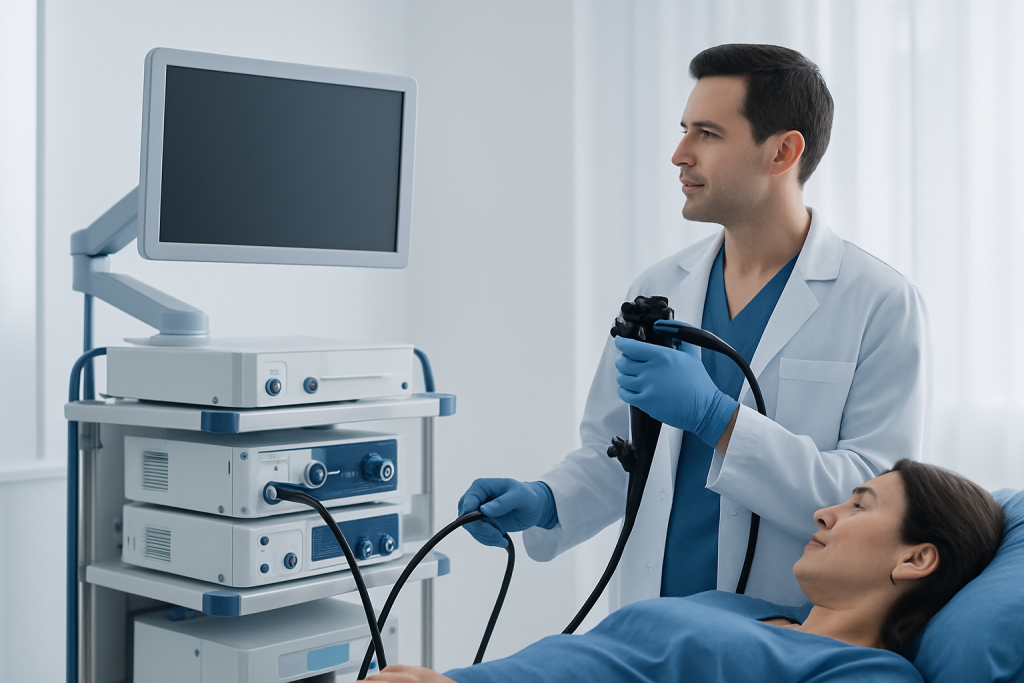
An endoscope is designed to bring the doctor’s view closer to the problem area. Inside the device, a camera transmits images to a monitor, allowing the care team to inspect tissues in detail. Some endoscopes also have channels for tiny tools, which can be used to collect biopsies, stop bleeding, remove polyps, or open narrowed passages.
The exact use depends on the body system involved. In gastroenterology, endoscopes are commonly used to evaluate swallowing problems, reflux symptoms, abdominal pain, bleeding, anemia, bowel changes, or suspicious imaging results. Other specialties use similar technology to examine the lungs, sinuses, joints, or urinary tract.
- Looking for the cause of ongoing symptoms
- Confirming a diagnosis seen on imaging or lab tests
- Taking biopsy samples for laboratory analysis
- Treating selected problems during the same procedure
Because the doctor sees the area directly, endoscopy can provide information that scans or blood tests may not fully show. It is often one part of a broader diagnostic plan rather than a standalone answer.
Common symptoms or reasons it is recommended
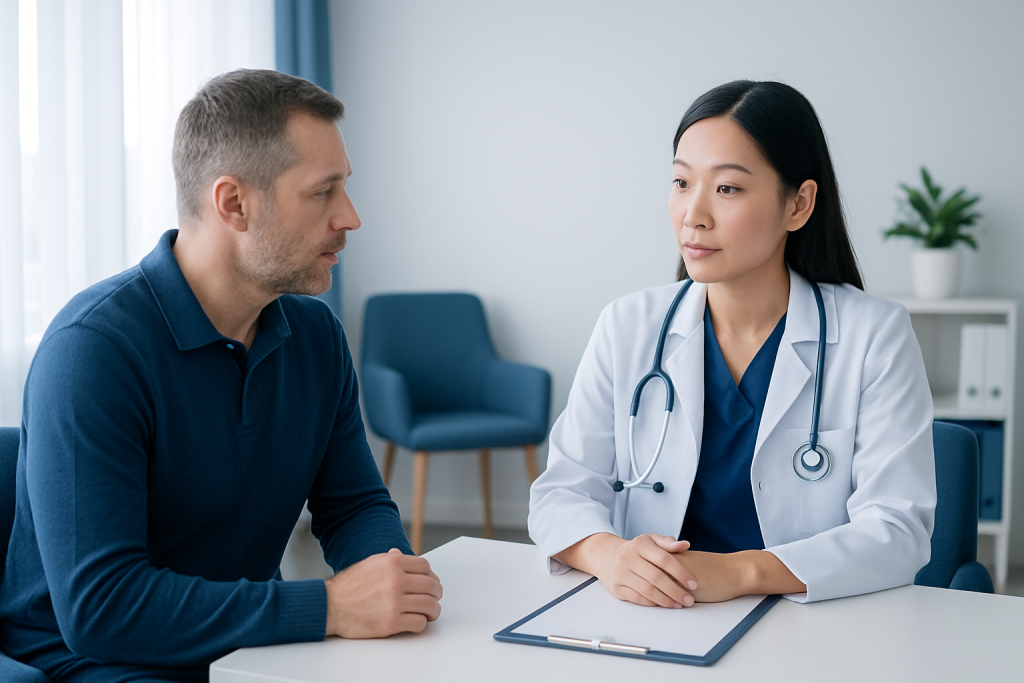
A person may hear about endoscopy after describing symptoms that are persistent, unexplained, or changing over time. In digestive care, the suggestion often comes after simpler tests have not explained the problem well enough, or when the doctor wants a closer look at a specific area.
Typical reasons include trouble swallowing, ongoing heartburn, nausea, vomiting, abdominal discomfort, visible or hidden bleeding, unexplained weight loss, or changes in bowel habits. Some people are referred after abnormal imaging, abnormal blood work, or a family history that raises concern for certain conditions.
Endoscopy may also be used for follow-up. If a patient has already been treated for a condition such as ulcers, inflammation, polyps, or a narrowing, the doctor may recommend a repeat look to check healing or watch for recurrence. In this way, the endoscope becomes a monitoring tool as well as a diagnostic one.
Causes and risk factors behind the need for endoscopy
Endoscopy is not a disease; it is a method used when symptoms suggest that a closer view is needed. The conditions that lead to endoscopic evaluation vary widely and may include inflammation, infection, structural narrowing, ulcers, bleeding lesions, growths, or motility-related concerns. In many cases, the aim is to distinguish between problems that look similar from the outside.
Certain factors make a doctor more likely to recommend the procedure. Age, personal or family history, long-standing reflux, anemia, chronic bowel symptoms, and prior findings on scans or lab tests may all influence the decision. The specialist also considers whether the expected benefit outweighs the small procedural risks.
For travelers seeking care abroad, the medical history should be shared as completely as possible. Prior surgeries, anticoagulant use, allergies, implanted devices, and previous anesthesia experiences can affect planning. Clear records help the team choose the right type of endoscope and the safest approach.
How doctors diagnose and plan the procedure
Before an endoscopy, the doctor usually reviews the person’s symptoms, medical history, medications, and any recent test results. The purpose is to decide which endoscope is needed, what area should be examined, and whether biopsies or treatment are likely. Some procedures are straightforward, while others require a more detailed plan because the patient has additional health conditions.
Preparation instructions depend on the type of endoscopy. Many upper digestive procedures require fasting for a period beforehand so the stomach is empty. Bowel procedures may need a cleansing preparation. The care team may also provide guidance on blood thinners, diabetes medicines, or other drugs that need special timing.
Patients are usually told what to expect during sedation or anesthesia, how long recovery may take, and whether someone must accompany them home. For international patients, this conversation should include practical details such as hotel access, transport after the procedure, and how follow-up results will be shared once they return home.
Treatment options and what may happen during endoscopy
Not every endoscopy is purely diagnostic. In some cases, the doctor can treat a problem at the same time the endoscope is being used. This may include removing a polyp, widening a narrowed segment, stopping a bleeding source, or collecting tissue for further testing. The ability to combine diagnosis and treatment is one reason endoscopy has become so valuable in modern care.
Most people receive sedation or another form of anesthesia depending on the procedure and local practice. During the exam, the team monitors comfort and safety closely. The procedure itself may be brief or more involved, and the exact duration depends on what the doctor sees and whether any intervention is performed.
Afterward, some people feel drowsy, bloated, mildly sore, or aware of a temporary throat irritation if the mouth was used. Biopsy samples, if taken, are sent to a laboratory. The doctor then reviews the findings and explains whether medication, observation, a repeat exam, or another treatment is recommended.
Prevention and self-care before and after the procedure
Patients cannot prevent the underlying condition that led to endoscopy by the procedure itself, but they can reduce avoidable problems by following preparation instructions carefully. The most important step is to read the pre-procedure guidance early, not the night before. Fasting rules, bowel preparation, and medication instructions matter because they help the examination remain safe and useful.
After the procedure, rest is usually sensible, especially if sedation was used. A person should avoid driving, important decisions, alcohol, and strenuous activity until the care team confirms it is appropriate. Drinking fluids and resuming food as advised can help recovery, but any special instructions from the specialist should take priority.
For someone returning to another country soon after treatment, aftercare planning deserves attention before travel begins. It helps to know which symptoms are expected, when the results will arrive, how urgent questions will be handled, and which local clinician can review the report if needed. Acibadem Health Point’s multidisciplinary specialists and JCI-accredited hospitals help international patients diagnose and treat conditions through this pathway with coordinated follow-up planning.
When to see a doctor
A doctor should be contacted if symptoms that prompted the endoscopy do not improve, if new symptoms appear, or if the patient is unsure how to interpret the findings. Follow-up matters because some conditions only become clear after biopsy results or after the specialist reviews the full procedure report.
Urgent medical attention is needed if a person develops severe abdominal pain, heavy bleeding, shortness of breath, chest pain, persistent vomiting, fever, or fainting after a procedure. These are not expected for routine recovery and should be assessed promptly.
Patients should also seek advice if they were told to restart a medication but are uncertain about timing, or if they have difficulty arranging follow-up after traveling home. A clear communication plan can make recovery smoother and help the person feel supported even after leaving the treating center.
Frequently asked questions
Is an endoscope the same as endoscopy?
Not exactly. The endoscope is the instrument, while endoscopy is the procedure that uses it. People often use the terms interchangeably, but they refer to different parts of the process.
Do all endoscopic procedures require sedation?
No. Some do, and some do not, depending on the body area being examined and the type of procedure. The doctor will explain what is usually used and why it is recommended in a particular case.
How long does recovery take after endoscopy?
Recovery is often short, especially after routine diagnostic procedures. However, sedation, the type of exam, and whether treatment was done can all affect how long it takes to feel completely normal again.
Will an endoscope always find the cause of symptoms?
Not always, but it can provide important clues and sometimes a definite diagnosis. If the findings are unclear, the doctor may combine the results with lab tests, imaging, or follow-up visits.
Can someone travel soon after an endoscopic procedure?
Many patients can travel after a short recovery period, but timing depends on the procedure and whether sedation was used. It is best to ask the specialist before arranging flights or long journeys.
What should a patient bring to an endoscopy appointment abroad?
It helps to bring medical records, a current medication list, allergy information, and any recent test results. A companion is also useful if sedation is planned, since the patient may need help after the procedure.
References
- World Health Organization
- American Society for Gastrointestinal Endoscopy
- Mayo Clinic
- National Institute of Diabetes and Digestive and Kidney Diseases
This article is for general information only and is not a substitute for professional medical advice. Please consult a qualified doctor about your individual situation.
Explore treatments in Turkey — costs, top hospitals & a free quote
JCI-accredited · board-certified surgeons · reply within 24h
Add us as a Preferred Source to see more of our trusted health content across Google Search, AI Overviews and Discover.