EKG Test: Uses and What to Expect

Key Takeaways
- An EKG test records the heart’s electrical signals and can help identify rhythm or conduction problems.
- The test is fast, noninvasive, and usually done with small adhesive electrodes on the chest, arms, and legs.
- An abnormal EKG does not always mean a serious heart problem, but it may need further evaluation.
- Doctors may order an EKG for symptoms such as chest discomfort, palpitations, dizziness, or shortness of breath.
- Preparation is usually simple, and most people can return to normal activities right away.
Medically reviewed by the Acıbadem clinical team — August 19, 2026
An EKG test, also called an electrocardiogram, is a quick and painless way to record the heart’s electrical activity. It helps doctors look for rhythm problems, signs of reduced blood flow, and other clues that guide safe, timely care.
Overview
An EKG test, short for electrocardiogram, gives doctors a snapshot of how the heart’s electrical system is working. Each heartbeat begins with an electrical impulse, and the test records that activity so it can be read on a monitor or printed tracing.
For many people, the test is part of an initial checkup when symptoms suggest a heart-related issue. For others, it is used as a routine step before surgery, during a health screening, or as follow-up after a known heart condition has been treated. Because it is quick and noninvasive, it is often one of the first tools used when a clinician wants to understand what the heart is doing in the moment.
International patients often choose to have an EKG as part of a broader cardiology assessment, especially when they are coordinating care across countries and need clear answers before travel, treatment, or return-home follow-up. The test itself is simple; the value comes from how it helps doctors decide whether more testing is needed and how urgently care should move forward.
Symptoms That May Lead to an EKG
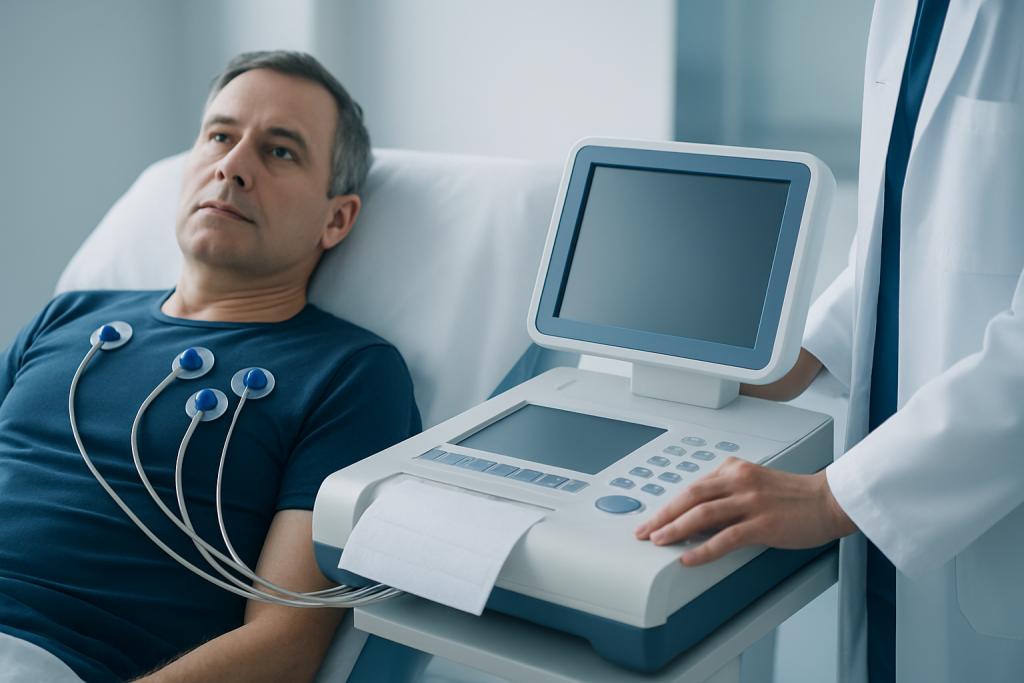
An EKG is commonly ordered when a person reports symptoms that could involve the heart. These symptoms do not automatically mean a serious cardiac problem, but they deserve proper evaluation, especially if they are new, recurrent, or changing.
Common reasons for ordering an EKG include chest discomfort, fluttering or racing heartbeats, shortness of breath, fainting, near-fainting, unusual fatigue, or a feeling that the heart is skipping beats. Doctors may also request the test after a physical exam finds an irregular pulse or before a procedure that requires a baseline heart check.
- Chest pain or pressure
- Palpitations or a racing heartbeat
- Dizziness or fainting
- Shortness of breath
- Irregular pulse found during a visit
Because symptoms can come and go, a normal EKG does not always rule out a problem. If the concern continues, a clinician may suggest repeat testing, a longer heart monitor, blood work, or imaging to build a fuller picture.
Causes and Risk Factors Doctors Look For

The EKG does not diagnose a single disease on its own; instead, it can reveal patterns that point toward several different heart conditions. Doctors read the tracing in context, combining it with symptoms, medical history, medications, and exam findings.
Possible findings include abnormal heart rhythms, slowed or rapid conduction through the heart, evidence of previous heart muscle injury, reduced blood flow, or electrolyte-related changes. Sometimes an EKG also shows effects from medications or long-standing conditions such as high blood pressure or structural heart disease.
Risk factors that may make an EKG more likely to be useful include older age, family history of heart disease, smoking, diabetes, high blood pressure, high cholesterol, obesity, and a personal history of heart attack, arrhythmia, or heart failure. Even people without obvious risk factors may need an EKG if symptoms suggest a cardiac cause.
For international patients, it can be helpful to bring prior reports, medication lists, and any previous heart tests from home. A side-by-side review makes it easier for the cardiology team to understand whether a tracing reflects a long-term pattern or a new change that needs attention.
How the EKG Test Is Done
The procedure is straightforward. Small adhesive electrodes are placed on the chest and usually on the arms and legs. These sensors do not send electricity into the body; they only detect the heart’s own electrical signals.
While the machine records the tracing, the person lies still and breathes normally. The test usually takes only a few minutes, and most people feel no discomfort aside from brief skin sensitivity when the electrodes are removed. Clothing may need to be adjusted so the chest can be accessed easily.
Preparation is generally simple. Heavy lotions or oils on the skin can interfere with electrode contact, so it may help to avoid them before the appointment. If the EKG is part of a larger workup, the doctor may also give specific instructions based on the reason for testing and whether other procedures are scheduled the same day.
What the Results Can Show
An EKG tracing can provide useful clues about the heart’s rhythm, rate, and electrical pathway. It may show whether the heart is beating too fast, too slow, or in an irregular pattern, and whether the electrical signal is traveling normally through the heart chambers.
Doctors also look for signs that the heart muscle may not be getting enough blood, that the chambers are under strain, or that a prior heart event may have affected the tracing. In some cases, the EKG suggests a problem that needs more tests; in others, it helps reassure both patient and clinician that urgent heart issues are less likely at that moment.
It is important to remember that test results are interpreted as part of a broader clinical picture. A person can have a normal EKG and still need more evaluation if symptoms persist, and a mildly abnormal EKG may be due to a harmless variation, body position, medications, or a technical factor rather than disease.
Treatment Options After an Abnormal EKG
An abnormal EKG does not lead to one standard treatment, because the next step depends on what the tracing shows and how the person is feeling. The doctor may recommend repeat testing, blood tests, a stress test, echocardiography, a Holter monitor, or referral to a cardiologist.
If the issue is an arrhythmia, treatment may involve medicines, lifestyle changes, or in some cases a procedure to correct the rhythm. If the EKG suggests reduced blood flow or prior heart injury, the care plan may include urgent evaluation, medication, risk-factor control, and sometimes catheter-based or surgical treatment depending on the diagnosis.
For travelers, an organized follow-up plan matters. A clear summary of the EKG findings, written instructions, and a plan for ongoing care after returning home can make the next steps easier to coordinate with a local physician.
Prevention and Self-Care
Not every heart problem can be prevented, but healthy habits can support overall cardiac health and may reduce the chance that an EKG will uncover avoidable strain on the heart. Blood pressure, blood sugar, cholesterol, and smoking status all play a role in long-term heart risk.
Practical self-care includes taking prescribed medicines as directed, staying hydrated, limiting excess alcohol, keeping regular physical activity within the level approved by a clinician, and not ignoring new symptoms. Sleep, stress management, and follow-up visits are also part of good heart care, especially when someone has already had an abnormal tracing or a known rhythm problem.
- Keep up with routine heart and primary care visits
- Bring a current medication list to appointments
- Track symptoms such as palpitations or chest discomfort
- Follow guidance on exercise, diet, and smoking cessation
- Seek prompt review if symptoms change
For patients receiving care abroad, it is wise to store EKG reports digitally and in paper form if possible. That makes it easier for doctors in another country to compare old and new findings over time.
When to See a Doctor
A doctor should be consulted if chest discomfort, palpitations, fainting, unexplained shortness of breath, or dizziness occurs, especially if these symptoms are new or severe. An EKG may be part of the evaluation, but the clinical assessment should also look for non-cardiac causes when appropriate.
Emergency care is important if chest pain is severe, symptoms occur with sweating or trouble breathing, or a person feels suddenly very weak or unwell. Even when symptoms are mild, persistent or recurring concerns deserve timely medical review rather than watchful waiting alone.
In a well-coordinated cardiology visit, the EKG is only one piece of the story. If needed, Acibadem Health Point’s multidisciplinary specialists and JCI-accredited hospitals diagnose and treat heart conditions for international patients with a structured approach that supports both assessment and follow-up.
Frequently asked questions
Is an EKG test painful?
No, an EKG test is generally painless. The electrodes are placed on the skin and simply record the heart’s electrical signals. Some people may feel mild stickiness or brief skin irritation when the patches are removed.
Do I need to fast before an EKG?
Most people do not need to fast for a standard EKG. If the test is part of a larger evaluation or procedure, the clinic may give special instructions. It is best to follow the guidance provided for that specific appointment.
Can an EKG detect a heart attack?
An EKG can show patterns that may suggest a current or past heart attack, but it does not always detect every case. Doctors usually combine it with symptoms, blood tests, and sometimes imaging to confirm the diagnosis.
What if my EKG is abnormal but I feel fine?
An abnormal tracing does not always mean there is a dangerous problem. Some changes are minor, temporary, or related to medications or normal variation. A doctor can explain whether follow-up testing is needed.
How long does the EKG take?
The recording itself usually takes only a few minutes. The full appointment may be a little longer because of check-in, preparation, and discussion of the results if they are available right away.
Can I go back to normal activities after the test?
Yes, most people can return to normal activities immediately after a standard EKG. There is no recovery period because the test is noninvasive. If other tests are done the same day, the doctor may give additional instructions.
References
- American Heart Association
- Mayo Clinic
- National Heart, Lung, and Blood Institute
- Cleveland Clinic
This article is for general information only and is not a substitute for professional medical advice. Please consult a qualified doctor about your individual situation.
Explore treatments in Turkey — costs, top hospitals & a free quote
JCI-accredited · board-certified surgeons · reply within 24h
Add us as a Preferred Source to see more of our trusted health content across Google Search, AI Overviews and Discover.