Double Jaw Surgery

Key Takeaways
- Double jaw surgery repositions both the upper and lower jaws to correct bite and jaw relationship problems.
- It is usually planned with orthodontic treatment before and after surgery.
- Common reasons include severe underbite, overbite, open bite, facial asymmetry, and chewing or speaking difficulties.
- Recovery takes time and follow-up care matters, especially for international patients traveling for treatment.
- Most people need a team approach involving oral and maxillofacial surgeons, orthodontists, and sometimes other specialists.
Double jaw surgery, also called bimaxillary or orthognathic surgery, is a procedure used to realign both jaws so the teeth fit more naturally and the bite functions better. It may also improve facial balance, speech, chewing, and long-term jaw comfort when other treatments are not enough.
Overview
Double jaw surgery is a carefully planned operation that moves both jaws into a better position. It is often recommended when the upper jaw, lower jaw, or both have grown in a way that makes the bite unstable, the face asymmetrical, or daily functions such as chewing and speaking more difficult.
In medical terms, this procedure is usually part of orthognathic surgery. The goal is not simply to change appearance, but to improve how the jaws work together. For many patients, the change is felt first in practical ways: biting more evenly, closing the lips more comfortably, and reducing strain on the jaw joints and surrounding muscles.
Because it affects both bone structure and tooth alignment, double jaw surgery is not a stand-alone decision. It is typically part of a longer treatment plan that includes imaging, orthodontic preparation, surgery, and recovery follow-up. For people traveling from another country, the timeline matters as much as the procedure itself, since coordination before and after surgery can influence the overall experience.
Symptoms and Signs That May Lead to Treatment
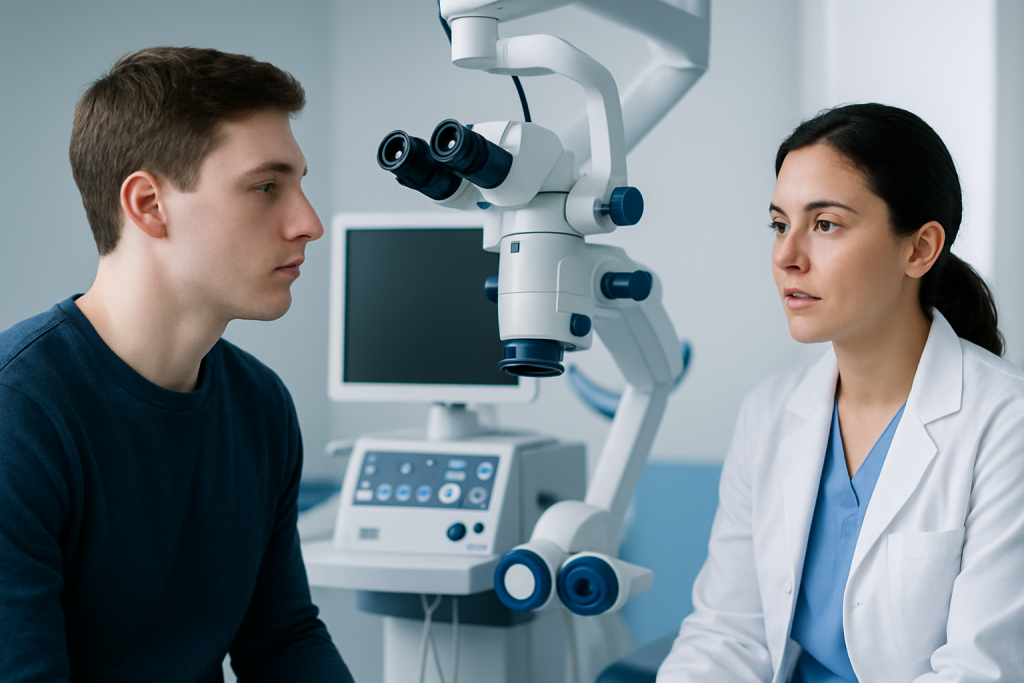
People do not usually seek double jaw surgery because of a single symptom alone. More often, it is the combination of bite issues, jaw discomfort, and facial imbalance that points toward a structural problem. Some patients notice that their teeth do not meet properly, while others feel they must move the jaw to one side to chew.
Common signs that may be discussed during assessment include:
- An underbite, overbite, or open bite
- Difficulty biting or chewing certain foods
- Speech challenges related to jaw position
- Chronic jaw fatigue or pain
- Noticeable facial asymmetry
- Teeth that wear unevenly
- Breathing concerns that may be worsened by jaw structure in some patients
Some people also describe social or emotional discomfort related to facial balance. That experience is valid, but the decision for surgery is generally based on functional findings, orthodontic measurements, and the surgeon’s evaluation rather than appearance alone.
Causes and Risk Factors

Jaw misalignment can develop for several reasons. In many cases, the shape and growth pattern of the upper and lower jaws are influenced by genetics. If the bones grow at different rates or in different directions, the teeth may not meet correctly once adult growth is complete.
Other factors can contribute as well. Childhood habits, developmental conditions, facial trauma, or certain congenital differences may affect how the jaws fit together. Sometimes the problem is mild and manageable with orthodontics alone; in more complex situations, teeth straightening cannot fully correct the underlying bone position.
Risk factors that may increase the chance of needing orthognathic evaluation include:
- A strong family history of jaw size or bite differences
- Congenital craniofacial conditions
- Jaw injury or previous facial trauma
- Severe bite discrepancy that persists after growth
- Long-standing difficulty with chewing, swallowing, or speech
International patients often arrive after years of living with the problem and trying smaller fixes first. That history can be helpful for the care team, because it shows what has and has not improved over time.
Diagnosis and Treatment Planning
Planning for double jaw surgery is detailed and usually begins with a full orthodontic and surgical assessment. The team looks at the teeth, jaws, facial proportions, jaw joints, and bite relationship. Imaging such as X-rays and three-dimensional scans may be used to understand the bone structure and map the changes needed.
Dental models, photographs, and bite records are often part of the process. In many cases, orthodontic treatment starts before surgery to move the teeth into positions that will fit properly once the jaws are aligned. This phase can feel counterintuitive to patients, because the bite may look less even for a period before surgery, but it is often essential for a stable final result.
For patients traveling from abroad, planning also includes practical questions: how long to stay, when to begin orthodontics, what type of follow-up is needed, and whether some visits can be coordinated remotely. A good treatment plan is not only medically sound; it is realistic for the patient’s life, work, and travel arrangements.
Treatment Options and What Surgery Involves
Double jaw surgery is usually performed by an oral and maxillofacial surgeon under general anesthesia in a hospital setting. The surgeon repositions both jaws using precise cuts in the bone, then secures them in the new position with plates and screws designed for facial surgery. The exact movement depends on the patient’s anatomy and the goals of the orthodontic plan.
Some patients may also need additional procedures at the same time, such as chin repositioning or correction of related asymmetry. These decisions are individualized. The operation is usually planned digitally or with detailed surgical models so that the team can anticipate how the bite will fit after the bones are moved.
Not every jaw problem requires surgery. Mild bite issues may be managed with orthodontics, restorations, or other conservative care. However, when the discrepancy is skeletal rather than dental, surgery is often the most effective way to address the underlying cause. The best option depends on how severe the mismatch is, how stable the bite is, and what the patient hopes to improve.
Recovery, Healing, and Follow-up
Recovery after double jaw surgery is gradual. Swelling, bruising, and temporary changes in sensation are common in the early period, and eating is usually limited to softer foods while the jaws heal. Patients are generally given detailed instructions on oral hygiene, diet, activity, and follow-up visits.
Orthodontic treatment often continues after surgery to fine-tune the bite. This is part of the process, not a sign that the operation was incomplete. Healing of the bones takes time, and the surrounding muscles, joints, and soft tissues also adapt to the new jaw position over weeks and months.
For international patients, recovery planning should include where the initial healing will take place, who will manage early checkups, and how communication with the surgical team will continue after returning home. If travel is involved, the timing of flights and the need for a post-operative review should be discussed in advance so recovery is not rushed.
Prevention and Self-care
Double jaw surgery itself is not something most people can prevent, because it is usually linked to inherited growth patterns or structural differences. What can be helpful is early evaluation. When jaw or bite problems are identified sooner, the treatment path may be clearer and easier to plan.
After treatment, self-care supports healing and long-term stability. Following the surgeon’s dietary instructions, keeping the mouth clean, attending all orthodontic and surgical follow-ups, and avoiding strain on the jaw during recovery are all important. Patients are also encouraged to report unusual symptoms, such as increasing pain, fever, or sudden changes in bite, rather than waiting for the next appointment.
Useful habits during recovery include:
- Eating only the textures recommended by the care team
- Keeping scheduled follow-up visits, even when traveling
- Practicing gentle oral hygiene as instructed
- Avoiding smoking and alcohol if the surgeon advises against them
- Using prescribed supports or medications as directed by the clinical team
Good preparation makes a noticeable difference, especially for patients managing care across borders. A clear written plan can reduce stress and help the healing period feel more manageable.
When to See a Doctor
A specialist evaluation is appropriate if the bite feels significantly off, the jaws do not close comfortably, or chewing and speaking are becoming difficult. It is also sensible to seek care if orthodontic treatment has not resolved a suspected jaw alignment problem, or if facial asymmetry seems to be worsening over time.
Prompt assessment is especially important when jaw pain is persistent, the teeth are wearing unevenly, or breathing concerns are part of the picture. These symptoms do not always mean surgery is needed, but they do suggest the issue deserves a thorough look by an orthodontist and oral and maxillofacial surgeon.
Acibadem Health Point can connect international patients with multidisciplinary specialists and JCI-accredited hospitals that diagnose and treat double jaw surgery cases in a coordinated setting. A structured consultation can help clarify the diagnosis, the sequence of care, and what follow-up will be needed after returning home.
Frequently asked questions
What is the main purpose of double jaw surgery?
The main purpose is to correct the relationship between the upper and lower jaws so the bite works better. It can also improve facial balance and reduce strain related to jaw misalignment. The exact goal depends on the patient’s anatomy and treatment plan.
Is double jaw surgery only done for appearance?
No. While facial appearance may change, the procedure is usually recommended for functional reasons such as bite correction, chewing, speech, or jaw comfort. Appearance changes are often a secondary benefit of improved alignment.
How long does treatment usually take?
The full process often takes time because orthodontic preparation, surgery, and post-operative orthodontics are all part of the plan. The timeline varies from patient to patient depending on the severity of the bite problem and how the teeth need to be moved.
Will the jaws be wired shut after surgery?
Some patients may have elastics or other support methods after surgery, but the exact approach varies. The surgical team decides this based on stability, healing, and the specifics of the jaw movements. Patients should ask their surgeon what to expect before the procedure.
Is recovery difficult for international patients?
Recovery can be manageable with good planning, but travel makes coordination more important. Patients should arrange follow-up care, understand dietary limits, and confirm when it is safe to fly or travel long distances. Clear instructions from the care team help make the process smoother.
Can double jaw surgery fix sleep-related breathing problems?
In some patients with specific jaw anatomy, jaw repositioning may improve airway space and breathing during sleep. This is not the reason for surgery in every case, so it should be evaluated by the specialist team. A proper assessment is needed before drawing conclusions.
References
- American Association of Oral and Maxillofacial Surgeons
- American Association of Orthodontists
- Mayo Clinic
- NHS
- National Institute of Dental and Craniofacial Research
This article is for general information only and is not a substitute for professional medical advice. Please consult a qualified doctor about your individual situation.
More from the Health Library



Related Specialists

Dt. Sibel Ertekin
Dentistry
Dt. İrem Güllerci
Oral Dental & Maxillofacial Surgery
Dt. Hakan Karagözoğlu
Oral Dental & Maxillofacial Surgery
Dt. Emrah Özmutlu
Oral Dental & Maxillofacial Surgery