Prostate Treatment Abroad: When Surgery, Radiation, or Active Monitoring Fits Better

Key Takeaways
- Prostate treatment is individualized; surgery, radiation, and active monitoring each fit different clinical situations.
- Active monitoring may be appropriate for some low-risk prostate cancers and selected non-cancer prostate conditions.
- Surgery and radiation can both be effective, but they differ in recovery, side effects, and follow-up needs.
- A second opinion can be especially helpful when treatment is being arranged in another country.
- Questions about urinary, sexual, and bowel function should be discussed before choosing a plan.
Choosing prostate treatment is rarely a one-step decision. The right path depends on the diagnosis, cancer risk, symptoms, age, overall health, and personal priorities, especially when care is planned abroad.
Overview
The prostate is a small gland below the bladder that can affect urination, sexual function, and, when cancer develops, overall health. For many men, the hardest part is not hearing the diagnosis; it is deciding what to do next, especially when the choice involves traveling for treatment and coordinating care across borders.
Prostate treatment abroad is usually considered for men who want access to specialist teams, a second opinion, or a broader range of diagnostic and treatment options. The main paths are surgery, radiation therapy, and active monitoring. Which option fits best depends on whether the problem is benign enlargement, inflammation, or prostate cancer, and on how aggressive the condition appears to be.
Because no two prostate cases are identical, a useful treatment plan starts with clarity: what the diagnosis means, how quickly it is likely to change, and what trade-offs matter most. For some men, taking action quickly is the right choice. For others, careful observation offers the best balance between safety and quality of life.
Symptoms
Prostate problems often first show up in the bathroom. A man may notice a weak urine stream, trouble starting urination, waking up several times at night, or a feeling that the bladder does not empty fully. These symptoms are common in benign prostate enlargement, but they can also appear with other prostate conditions.
When prostate cancer is present, early stages may cause no symptoms at all. That is one reason testing and follow-up matter. Some men learn about a prostate issue after an elevated PSA blood test or an abnormal exam, rather than because of pain or obvious discomfort.
Symptoms that deserve medical review include blood in the urine or semen, persistent pelvic discomfort, urinary retention, repeated urinary infections, and new bone pain in a man already known to have prostate cancer. Even when symptoms are mild, a doctor can help distinguish between a condition that can be watched and one that needs prompt treatment.
Causes & Risk Factors
Prostate enlargement is often linked to age-related hormonal changes and growth of gland tissue. Prostatitis, or prostate inflammation, may be caused by infection or by noninfectious irritation. Prostate cancer develops when cells in the gland begin to grow abnormally and escape normal control.
Risk factors for prostate cancer include older age, family history, inherited gene changes, and being of certain ethnic backgrounds associated with higher risk. A man’s personal and family history also matters when deciding whether active monitoring is reasonable or whether treatment should begin sooner.
Traveling abroad for prostate care is often considered when a patient wants access to experienced urologists, radiation oncologists, robotic surgery, MRI-based evaluation, or a coordinated second opinion. The decision to travel should be based on medical needs, logistics, and the ability to continue follow-up after returning home.
Diagnosis
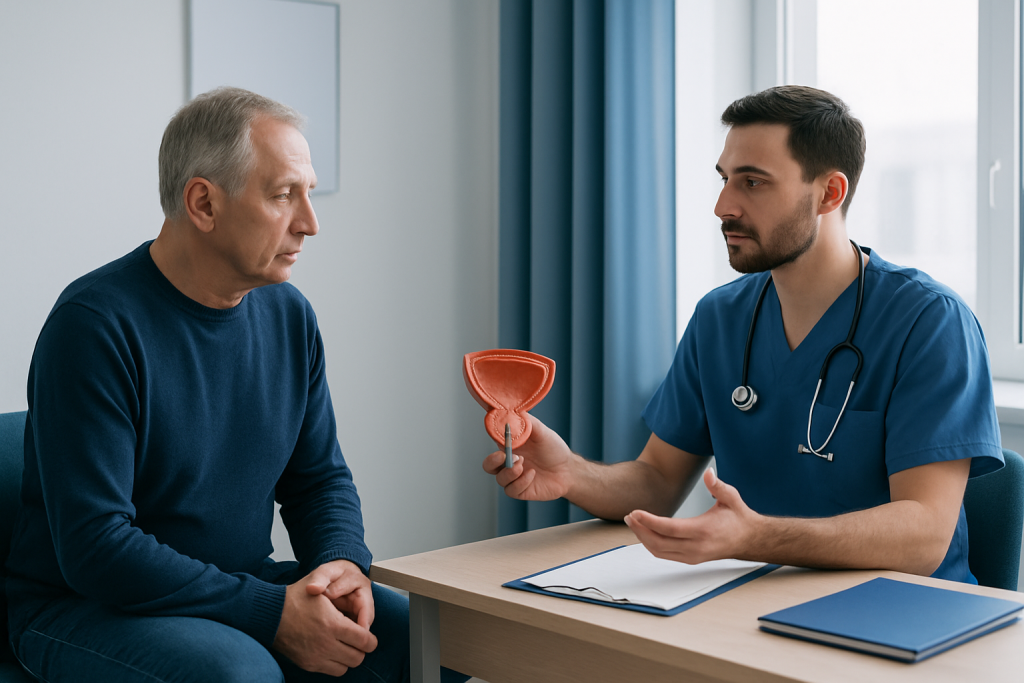
Before choosing between surgery, radiation, or monitoring, doctors usually confirm the diagnosis and estimate risk. That process may include a PSA test, digital rectal examination, urine tests, prostate MRI, and a biopsy if cancer is suspected. The biopsy result helps show whether cancer is present, how aggressive it looks, and how much of the gland may be involved.
For men considering treatment abroad, it is helpful to bring copies of prior PSA results, pathology reports, imaging scans, and any previous treatment notes. This reduces delays and can prevent repeat testing that adds cost and uncertainty. A good international consultation focuses not only on the diagnosis, but also on whether the existing information is complete enough to make a safe decision.
Doctors may also use staging tests if cancer is more likely to have spread. These tests help determine whether local treatment alone is suitable or whether a broader plan is needed. When the diagnosis is not cancer, the evaluation may still guide whether symptoms should be managed with medication, minimally invasive procedures, or more definitive intervention.
Treatment Options
Surgery is often considered when prostate cancer appears localized and a man is healthy enough for an operation. The most common cancer operation is removal of the prostate gland, sometimes with nearby lymph nodes. Surgery can be a good fit for men who want the cancer removed in one step, but it may bring a recovery period and possible effects on urinary control and sexual function.
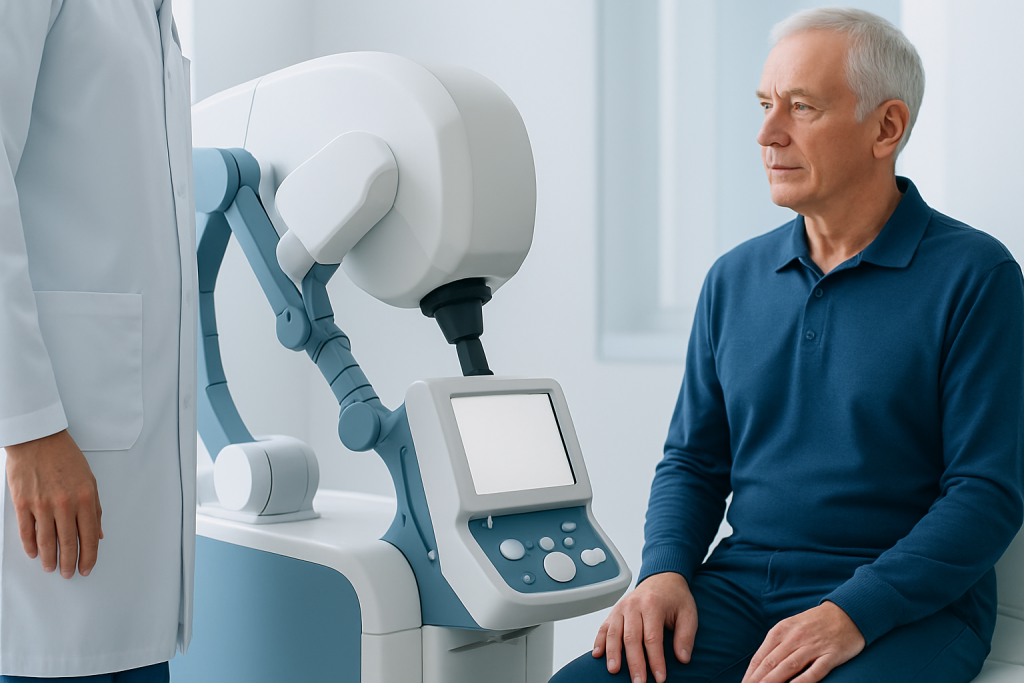
Radiation therapy uses targeted energy to treat cancer in the prostate area. It may be delivered from outside the body or, in selected cases, with implanted sources. Radiation can be a strong option for localized disease, for some men who are not ideal surgical candidates, or when preserving a non-surgical path is preferred. Side effects may involve the bladder, bowel, or sexual function, and they may appear gradually during or after treatment.
Active monitoring is not the same as ignoring the disease. It means following the condition closely with scheduled PSA tests, examinations, imaging, and sometimes repeat biopsies. It is often appropriate for carefully selected low-risk prostate cancer cases, especially when treatment side effects may outweigh near-term benefits. For benign conditions, a similar watchful approach may be used when symptoms are mild and stable.
The best choice depends on the individual picture. A younger man with more aggressive cancer may benefit from definitive treatment. An older man with a small, slow-growing tumor may do well with monitoring. For benign enlargement, medication or a procedure may be more relevant than cancer-directed treatment. The conversation should include quality of life, recovery time, family plans, travel plans, and what follow-up will look like once the patient returns home.
Prevention & Self-care
Not every prostate problem can be prevented, but men can support better outcomes by staying engaged with screening and follow-up. Men with risk factors should speak with a doctor about when PSA testing or a prostate evaluation makes sense. Early assessment often creates more options, including the option to observe rather than rush into treatment.
Before traveling for care, it helps to organize records, write down current symptoms, and list all medications and supplements. Men should also ask how long they are likely to stay, what recovery support will be needed, and how results will be shared with their home doctor. Planning for the return trip is part of treatment, not an afterthought.
- Keep copies of PSA results, pathology reports, and imaging studies.
- Track urinary changes, sexual concerns, and any pelvic pain.
- Discuss blood thinners, other illnesses, and previous surgeries before any procedure.
- Build in time for post-treatment rest, especially after surgery or radiation.
- Arrange follow-up care locally if monitoring or long-term surveillance will continue after travel.
Healthy habits also matter. Regular movement, adequate hydration, a balanced diet, and stopping smoking can support general recovery. These steps do not replace medical treatment, but they can make it easier to heal and stay well between appointments.
When to See a Doctor
A doctor should be consulted when urinary symptoms are persistent, worsening, or affecting sleep and daily life. Men should also seek assessment if a PSA test is abnormal, if a biopsy has shown cancer, or if they have been told that treatment options need to be chosen soon. A calm, structured consultation is the best setting for weighing surgery, radiation, and active monitoring.
More urgent review is appropriate if there is inability to pass urine, significant blood in the urine, fever with pelvic pain, or new pain in the back, hips, or bones in a man with known prostate cancer. These symptoms do not always mean a serious complication, but they should not be left unaddressed.
For men considering treatment abroad, a second opinion can be especially valuable before booking travel. It can confirm whether the diagnosis is complete, whether monitoring is safe, and which treatment matches the case most closely. Acibadem Health Point works with multidisciplinary specialists and JCI-accredited hospitals to diagnose and treat prostate conditions for international patients, with coordination designed to support the full care journey.
Living With the Decision
Many men find that the hardest part is living with uncertainty while choosing among reasonable options. That is normal. Prostate care often involves a trade-off between treating early and preserving function, and the right balance can look different from one patient to another.
If surgery is chosen, it helps to understand the expected hospital stay, catheter use, rehabilitation, and follow-up plan before travel. If radiation is chosen, the schedule of sessions and the timing of side effects should be clear. If monitoring is chosen, the patient should know exactly what changes would prompt treatment later. Good care is not only about picking an option, but also about making the next steps understandable.
International patients often do best when their home doctor and overseas team share information smoothly. That includes records, pathology slides if needed, and a clear summary of what to watch for after returning home. A prostate plan should feel coordinated, not fragmented.
Frequently asked questions
Is active monitoring the same as doing nothing?
No. Active monitoring means the condition is followed closely with scheduled tests and visits. It is used when the medical team believes immediate treatment is not necessary and observation is safe.
How does a doctor decide between surgery and radiation?
The decision depends on cancer stage and grade, age, other health conditions, and personal priorities such as recovery time and possible side effects. Both treatments can be effective in appropriate cases, so the best option is often the one that fits the individual situation most closely.
Can prostate cancer ever be watched instead of treated right away?
Yes, some low-risk cancers can be monitored carefully for a period of time. This approach is only appropriate when the cancer appears unlikely to cause harm soon and the patient can attend regular follow-up appointments.
What should be brought to a prostate treatment consultation abroad?
PSA results, biopsy and pathology reports, MRI or scan images, medication lists, and notes from previous doctors are especially useful. Bringing complete records helps the specialist review the case without repeating unnecessary tests.
Will treatment affect urinary or sexual function?
It can, depending on the treatment type and the individual case. Surgery and radiation may both affect urinary control or sexual function, so these possibilities should be discussed before a decision is made.
Is it safe to travel soon after prostate treatment?
That depends on the treatment and how recovery is going. The medical team should give guidance on timing, activity limits, and any warning signs to watch for before the return trip.
References
- American Cancer Society
- National Cancer Institute
- European Association of Urology
- U.S. National Library of Medicine
- World Health Organization
This article is for general information only and is not a substitute for professional medical advice. Please consult a qualified doctor about your individual situation.
More from the Health Library



Related Specialists

Dr. Nevra Gülhan Görgülü
Anesthesiology
Assoc. Prof. Dr. Erkin İsmail
General Surgery
Assoc. Prof. Dr. F. Arda Atar
Urology
Assoc. Prof. Dr. Burçin Beken
Pediatric Allergy