Diplopia: Causes, Symptoms and Treatment

Key Takeaways
- Diplopia means seeing two images of one object, and it may affect one eye or both eyes.
- The cause can range from a refractive or eye alignment issue to a neurological condition.
- A careful eye and nerve examination is usually needed to find the source of the problem.
- Treatment depends on the cause and may include glasses, prisms, eye exercises, medication, or surgery.
- Sudden diplopia, especially with headache, weakness, drooping eyelid, or speech changes, needs prompt medical assessment.
Medically reviewed by the Acıbadem clinical team — August 19, 2026
Diplopia, commonly called double vision, is a symptom rather than a diagnosis on its own. It can stem from problems in the eyes, the eye muscles, or the nerves and brain pathways that coordinate vision, so identifying the cause is the key to effective care.
Overview
Diplopia is the medical term for double vision. A person may see two images side by side, one above the other, or slightly tilted. Sometimes the doubling is obvious only in certain directions of gaze or when the eyes are tired.
It is important to remember that diplopia is a symptom, not a diagnosis. In some people the issue comes from a problem within one eye, while in others it reflects misalignment between both eyes or a condition affecting the nerves or brain that guide eye movement.
For international patients, the first question is often not “How is the double vision treated?” but “What is causing it?” That distinction matters because treatment can be very different depending on whether the origin is the cornea, lens, eye muscles, nerves, or a broader neurological problem.
Symptoms
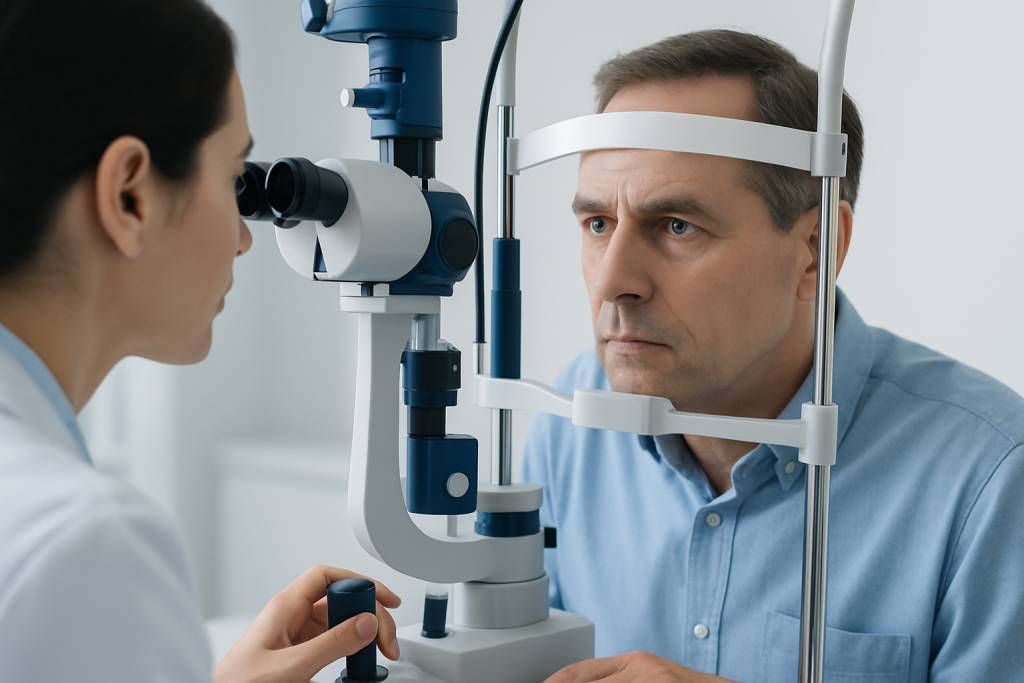
The hallmark symptom is seeing two images of a single object. The images may be close together or widely separated, and the effect may come and go or remain constant.
People may notice that reading becomes harder, driving feels unsafe, or steps and curbs appear less clear. Some patients describe eye strain, headache, nausea, or an urge to close one eye to make the image single again.
- Double vision that is present in one eye only or in both eyes
- Blurred or distorted vision that feels different from ordinary blur
- Difficulty focusing, especially when looking at distance or near objects
- Head tilt or turning the head to reduce the doubling
- Eye pain, drooping eyelid, dizziness, or imbalance in some cases
The pattern of diplopia gives important clues. If the double vision disappears when one eye is covered, it often suggests binocular diplopia, which is commonly related to eye alignment. If it remains even with one eye covered, the cause is more likely within that eye itself.
Causes & Risk Factors

Diplopia can arise from several different mechanisms. One common group of causes involves the eye surface or optical structures, such as a dry cornea, cataract, irregular astigmatism, or lens problems, which can create a ghost image or multiple images in one eye.
Another major category is binocular diplopia, where the two eyes do not point in exactly the same direction. This may happen because of eye muscle imbalance, thyroid eye disease, strabismus, nerve palsies, head trauma, or conditions that interfere with the brain’s control of eye movement.
Some neurological and systemic illnesses can also lead to diplopia. These include stroke, aneurysm, multiple sclerosis, myasthenia gravis, diabetes-related nerve injury, infections, and inflammatory disorders. Risk increases with older age, vascular disease, diabetes, prior eye surgery or trauma, thyroid disease, and any history of neurological symptoms.
Because diplopia can appear in otherwise healthy people as well as those with chronic illness, it should never be dismissed as a simple eye annoyance. A careful history often helps narrow the cause quickly, especially when the onset is sudden or linked to other new symptoms.
Diagnosis
Diagnosis usually begins with a detailed discussion of when the double vision started, whether it is constant or intermittent, and whether it affects one eye or both. The clinician will also ask about headache, weakness, numbness, facial changes, recent infection, trauma, medication use, and any previous eye or neurological disease.
An eye examination typically assesses visual acuity, eye alignment, pupil response, eyelid position, and the movement of each eye in different directions. Depending on the findings, additional tests may include refraction, slit-lamp examination, dilated retinal evaluation, blood tests, imaging studies such as CT or MRI, or specialist neurological assessment.
For some patients, the workup is straightforward. For others, especially when diplopia began suddenly or comes with other neurological signs, clinicians may need to rule out time-sensitive conditions. In those situations, prompt assessment helps guide safe next steps and avoids delays in care.
Treatment Options
Treatment depends entirely on the underlying cause. If the problem is due to a refractive issue or corneal irregularity, glasses, contact lens changes, lubrication, or treatment of dry eye may reduce or eliminate the doubling. Cataract-related symptoms may improve after cataract treatment when appropriate.
When the eyes are misaligned, prisms in glasses may help bring the images together. Some patients benefit from temporary patching of one eye, particularly while waiting for a nerve palsy or inflammatory condition to improve. Eye exercises or vision therapy may be recommended in selected cases, usually when alignment or coordination issues are part of the picture.
More specific treatments are used when diplopia is linked to an underlying disease. Thyroid eye disease, myasthenia gravis, infection, inflammation, diabetes-related nerve injury, or stroke-related causes all require targeted care. In some situations, surgery on the eye muscles or eyelids may be considered after the condition has stabilized.
For patients traveling from abroad, planning the treatment pathway and follow-up matters. Some causes improve quickly, while others need staged care and repeat visits to monitor recovery, refine glasses or prisms, or confirm that the underlying condition is stable.
Prevention & Self-care
Not every cause of diplopia can be prevented, but general eye and health care can lower risk from some common contributors. Good control of diabetes, blood pressure, and thyroid disease supports both eye and nerve health.
At home, people with double vision can reduce strain by avoiding driving until vision is clear, using good lighting for reading, and covering one eye only if advised by a clinician. Sunglasses, rest breaks, and regular blinking may help if dry eye is worsening the symptom.
- Keep scheduled eye and medical appointments, even if the symptom improves
- Share a complete medication list, including recent changes
- Seek help promptly if new neurological symptoms appear
- Use any prism, patch, or glasses guidance exactly as prescribed
Self-care should support, not replace, medical evaluation. Because diplopia can reflect a condition outside the eye, monitoring the broader health picture is just as important as managing the visual symptom itself.
When to See a Doctor
Any new double vision should be evaluated by a qualified doctor or eye specialist, particularly if it is sudden, persistent, or unexplained. Even when the symptom seems mild, the cause may need treatment that is best started early.
Urgent medical attention is especially important if diplopia comes with severe headache, eye pain, drooping eyelid, facial weakness, numbness, trouble speaking, difficulty walking, or a recent head injury. These features can signal a neurological or vascular problem that should not wait.
If the symptom is recurring or only happens at the end of the day, it still deserves attention. Intermittent diplopia can be easier to overlook, but it may be the first clue to an eye muscle, thyroid, or neuromuscular condition that benefits from timely care.
Acibadem Health Point’s multidisciplinary specialists and JCI-accredited hospitals are equipped to diagnose and treat diplopia for international patients, with coordinated eye and neurological evaluation when needed.
Living With Diplopia
Double vision can interrupt ordinary tasks in a very practical way. Reading emails, navigating unfamiliar streets, or moving through an airport may suddenly take more concentration, which can be frustrating when a person is already dealing with uncertainty about the cause.
Many patients find that short-term adaptations help while the evaluation is underway. Planning rest periods, asking for help with travel logistics, and keeping all test results in one place can make follow-up smoother, especially when care is being arranged across countries.
Recovery also depends on patience. Some forms of diplopia improve as the underlying nerve or inflammation settles; others need glasses changes, rehabilitation, or a procedure. A clear diagnosis gives the patient and the care team a better sense of what to expect next.
Follow-Up and Outlook
The outlook for diplopia varies widely because the symptom has many possible causes. In some cases, it resolves once a temporary problem improves; in others, long-term management is needed to keep vision comfortable and functional.
Follow-up visits are often used to check whether the double vision is changing, whether prism strength needs adjustment, or whether further testing is necessary. If the symptom is linked to a broader disorder, ongoing care may involve both eye specialists and doctors from other fields.
Most importantly, diplopia is a symptom that rewards careful evaluation. With the right diagnosis, many people can find a treatment plan that restores more stable vision and supports day-to-day life.
Frequently asked questions
Is diplopia the same as blurred vision?
Not exactly. Blurred vision usually means objects look out of focus, while diplopia means one object appears as two images. Some people may have both, which is why an eye examination is important.
Can double vision come from one eye only?
Yes. If the double image remains when one eye is covered, the cause may be within that eye, such as a corneal, lens, or tear-film issue. If it goes away when either eye is covered, it is more likely related to eye alignment or a neurological cause.
Will diplopia always mean something serious?
Not always, but it should still be checked. Some causes are straightforward and treatable, while others need a prompt workup because they involve the nerves, brain, or blood vessels.
What tests might a doctor order for diplopia?
The workup may include a full eye exam, refraction, alignment testing, blood tests, and sometimes CT or MRI imaging. The choice depends on the pattern of the double vision and whether other symptoms are present.
Can diplopia improve on its own?
Yes, some causes do improve naturally, such as certain nerve-related or temporary inflammatory problems. Even then, a doctor should confirm the cause and advise whether observation, treatment, or follow-up is needed.
Should a person drive if they have double vision?
Driving is not safe when vision is doubled because depth perception and object judgment can be affected. It is best to avoid driving until a clinician says it is safe again.
References
- American Academy of Ophthalmology
- National Eye Institute
- Mayo Clinic
- Merck Manual Professional Edition
- World Health Organization
This article is for general information only and is not a substitute for professional medical advice. Please consult a qualified doctor about your individual situation.
Persistent digestive symptoms? Get evaluated in Turkey
JCI-accredited · board-certified surgeons · reply within 24h
Add us as a Preferred Source to see more of our trusted health content across Google Search, AI Overviews and Discover.