Dilated Pupils: Causes and When to Seek Help

Key Takeaways
- Pupil size changes naturally with light, emotion, and focusing; not every dilation is concerning.
- One-sided or persistent dilation deserves medical evaluation, especially if it starts suddenly.
- Medications, eye drops, trauma, migraines, and neurologic conditions can all affect pupil size.
- A careful eye and neurologic exam helps identify the cause and guide treatment.
- People traveling for care should bring medication lists, prior eye records, and the timeline of symptom changes.
Medically reviewed by the Acıbadem clinical team — August 19, 2026
Dilated pupils mean the black center of the eye is wider than usual. They can happen for harmless reasons, but they may also point to medication effects, eye injury, or a medical condition that needs attention.
Overview
The pupils are the black openings in the center of the eyes. They widen in dim light and narrow in bright light, helping the eyes regulate how much light reaches the retina. When the pupils stay larger than expected, the finding is called dilated pupils or mydriasis.
Some pupil dilation is completely ordinary. It can happen during excitement, stress, or when a person is trying to focus on something far away. In other situations, dilation is a clue that a medication, eye drop, injury, or nervous system problem is affecting the way the pupil responds.
For patients trying to sort out whether dilation is benign or worth medical attention, the most useful details are usually simple ones: whether both pupils are involved, whether the change is new, whether the pupils still react to light, and whether there are other symptoms such as eye pain, blurred vision, headache, or drooping of the eyelid.
Symptoms
The main sign is a pupil that looks wider than usual. The change may affect both eyes equally, or it may be seen in only one eye. A difference between the two pupils is known as anisocoria, and it may be harmless or medically important depending on the circumstances.
Dilated pupils can appear with other eye or body symptoms. People may notice light sensitivity, blurred near vision, trouble reading, headache, eye redness, eye pain, double vision, or a feeling that vision is “off.” In some cases, the pupils react slowly to light or appear fixed rather than changing size normally.
Symptoms outside the eye matter too. Facial droop, weakness, confusion, severe headache, vomiting, or changes in speech or balance suggest that the cause may be neurologic rather than simply ocular. In international travel situations, it helps to note exactly when the symptom began, whether it followed a new medication or eye procedure, and whether it changed during the flight or after arrival.
Causes & Risk Factors

Pupil dilation can develop for many reasons, ranging from everyday triggers to urgent medical conditions. Common non-emergency causes include low light, emotional arousal, strong concentration, and certain medicines. Eye drops used during an eye exam can also enlarge the pupils for several hours.
Several medications are known to affect pupil size. These may include some allergy or cold medicines, motion-sickness patches, antidepressants, medications for Parkinson’s disease, stimulants, and drugs with anticholinergic effects. Exposure to certain plants or chemicals can also lead to dilation.
Other causes are more eye- or nerve-related. They include:
- Eye trauma or inflammation
- Recent eye surgery or procedures
- Migraines
- Third cranial nerve palsy
- Adie’s pupil, a condition that affects the pupil’s response
- Glaucoma-related emergencies, especially when eye pain is present
- Head injury or other neurologic conditions
Risk is higher when a person has recently started a new medication, used recreational substances, had an eye injury, or developed dilation together with other symptoms. A careful list of all prescription drugs, over-the-counter products, supplements, and eye drops is often essential for identifying the cause.
Diagnosis
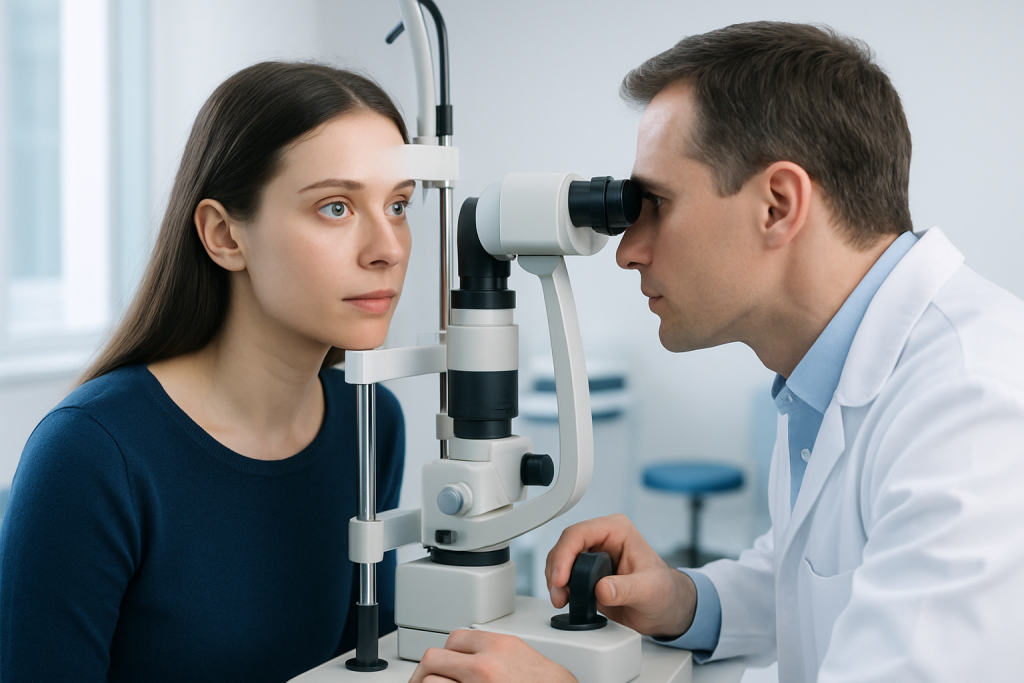
Diagnosis usually begins with a detailed history and an eye examination. A clinician will ask when the dilation started, whether it came on suddenly, whether one or both pupils are involved, and whether the pupil size changes in bright and dim light. The examination may also include checking vision, eye movements, eyelid position, and the eye’s reaction to light and focusing.
If the pupils are unequal, the clinician may try to determine whether the larger pupil is abnormal or whether the smaller pupil is not enlarging properly. This distinction helps narrow the possibilities. Depending on the findings, the evaluation may include measuring eye pressure, examining the front and back of the eye, or reviewing whether recent drops or medications could explain the change.
When neurologic causes are suspected, imaging or further testing may be recommended. The best test depends on the overall picture, not on pupil size alone. For travelers seeking care abroad, bringing old prescriptions, recent ophthalmology notes, and any imaging reports can shorten the workup and help the team compare changes accurately.
Treatment Options
Treatment depends entirely on the cause. If dilation is expected after a dilating eye drop, it generally resolves on its own. If a medicine is the trigger, a clinician may review whether the medication can be adjusted or substituted, but people should not stop prescribed treatment on their own without medical advice.
When the cause is an eye condition, treatment focuses on the underlying problem. For example, inflammation, high eye pressure, or injury may need specific eye medications or procedures. If dilation is related to migraine, management is usually directed at the migraine itself and any triggers that can be reduced.
When the pupils signal a neurologic issue, treatment may require urgent imaging, specialist evaluation, or hospital-based care. The key point is that dilated pupils are not treated in isolation; they are a sign that guides the doctor toward the real underlying condition. International patients are often reassured to learn that a coordinated eye and neurology assessment can be arranged when the cause is not immediately clear.
Prevention & Self-care
Not every case of dilated pupils can be prevented, but a few habits can reduce avoidable triggers. Keeping an updated medication list is especially helpful, including eye drops, patches, inhalers, and over-the-counter cold or allergy products. People with known sensitivity to certain medicines should remind every clinician, including eye specialists, before using new treatments.
After an eye exam with dilating drops, sunglasses can make outdoor light more comfortable, and reading may be easier if the person waits until near vision improves. If one eye has been dilated by a prescribed drop or procedure, following the care team’s instructions carefully helps avoid confusion about which symptoms are expected and which are not.
General self-care also includes protecting the eyes from injury, managing migraine triggers when possible, and not using someone else’s eye drops or recreational substances. For patients who must fly soon after an eye procedure or during an ongoing evaluation, it is wise to confirm travel safety with the treating doctor and keep important records in carry-on luggage.
When to See a Doctor
Medical evaluation is important when dilation is sudden, unexplained, or limited to one eye. It is especially important if the pupil change comes with eye pain, redness, blurred vision, severe headache, double vision, drooping eyelid, weakness, confusion, or trouble speaking. These combinations can point to a condition that needs prompt assessment.
Even when there are no dramatic symptoms, persistent pupil dilation should be checked if it does not resolve as expected after a known medication or eye exam. A doctor can confirm whether the finding is harmless, medication-related, or something that needs treatment. For anyone traveling internationally for care, early communication with the clinic helps the team advise on timing, records to bring, and whether any urgent evaluation should happen before the trip.
Acibadem Health Point’s multidisciplinary specialists and JCI-accredited hospitals can help diagnose and treat eye and neurologic causes of dilated pupils for international patients, with coordinated care across specialties when needed.
Living With the Symptom During Evaluation
While waiting for assessment, it can help to observe the pupils in different lighting conditions and note whether the change is constant or comes and goes. A simple timeline of symptoms, including medication use, recent injuries, and any headache or vision changes, often gives the doctor more to work with than a long description of how the eye “felt.”
If light sensitivity is bothersome, sunglasses may offer comfort indoors and outdoors, though they do not replace medical evaluation. People should avoid driving if vision is blurred or depth perception feels unreliable. Those with new neurological symptoms should seek urgent care rather than waiting for a routine appointment.
The reassuring part is that many causes of dilated pupils are temporary and explainable. The practical goal is not to guess, but to identify whether the change is expected, medication-related, eye-based, or neurologic, and then treat the real cause with the right specialist.
Frequently asked questions
Are dilated pupils always a sign of something serious?
No. Pupils can widen normally in low light, during stress, or after an eye exam. The concern rises when dilation is sudden, one-sided, persistent, or accompanied by pain, vision changes, or other neurologic symptoms.
How long do dilated pupils last after an eye exam?
That depends on the drops used and the person’s eye response, but the effect is usually temporary. Light sensitivity and blurred near vision may last for several hours, so sunglasses and caution with driving can help until the pupils return to normal.
Can medications cause dilated pupils?
Yes. Several prescription and over-the-counter medicines can affect pupil size, including some allergy, cold, motion-sickness, antidepressant, and neurologic medications. A complete medication review is often one of the most important parts of the evaluation.
What is the difference between dilated pupils and anisocoria?
Dilated pupils means one or both pupils are larger than usual. Anisocoria means the two pupils are different sizes; one may be normal and the other abnormal, so the difference itself needs context to interpret.
When should someone get urgent help for a large pupil?
Urgent care is recommended if the change is sudden and comes with eye pain, severe headache, vomiting, double vision, drooping eyelid, weakness, confusion, or trouble speaking. Those symptoms can indicate an emergency that should not wait.
Can dilated pupils affect vision?
Yes. Larger pupils can increase light sensitivity and make near tasks like reading more difficult. Vision often improves once the pupils return to their usual size, but persistent symptoms should be checked by a doctor.
References
- American Academy of Ophthalmology
- National Eye Institute
- MedlinePlus
- Mayo Clinic
- Merck Manual Professional Edition
This article is for general information only and is not a substitute for professional medical advice. Please consult a qualified doctor about your individual situation.
Explore treatments in Turkey — costs, top hospitals & a free quote
JCI-accredited · board-certified surgeons · reply within 24h
Add us as a Preferred Source to see more of our trusted health content across Google Search, AI Overviews and Discover.