

Decidual Cast: Symptoms, Causes and Treatment

Key Takeaways
- A decidual cast is shed uterine lining that comes away in one piece or a large segment, sometimes shaped like the uterus.
- It can be associated with hormonal changes, especially progesterone-related shifts, including some forms of birth control.
- Cramping and bleeding may occur, but severe pain, heavy bleeding, pregnancy, or fever should prompt medical assessment.
- Diagnosis is usually based on symptoms, pregnancy testing, and sometimes an examination or ultrasound.
- Treatment depends on the cause; many cases resolve once the tissue has passed, but follow-up matters if symptoms are unusual or recurrent.
Medically reviewed by the Acıbadem clinical team — August 19, 2026
A decidual cast is the passage of the uterine lining in one intact piece or large segment, which can look alarming but is usually linked to hormone changes. Understanding the symptoms, likely causes, and when to seek care can help patients respond calmly and appropriately.
Overview
A decidual cast is a less common gynecologic event in which the lining of the uterus, called the endometrium, sheds as a single piece or a large, tissue-like mass. Because it may keep the shape of the uterine cavity, it can be surprising to see and may be mistaken for a miscarriage or another emergency.
In most cases, a decidual cast is connected to changes in hormones that affect the uterine lining. The body prepares that lining each cycle; when hormones shift in a particular way, it may detach all at once instead of leaving gradually. That is why this event is more often discussed in relation to contraception, hormone fluctuations, or other menstrual changes.
For many patients, the first concern is whether the bleeding or tissue passage means something dangerous is happening. A careful assessment can help distinguish a decidual cast from pregnancy loss, infection, or other causes of pelvic pain and bleeding. For people traveling for care, this distinction is especially important, since peace of mind often comes from prompt testing and a clear explanation from a clinician who understands the full context.
Symptoms
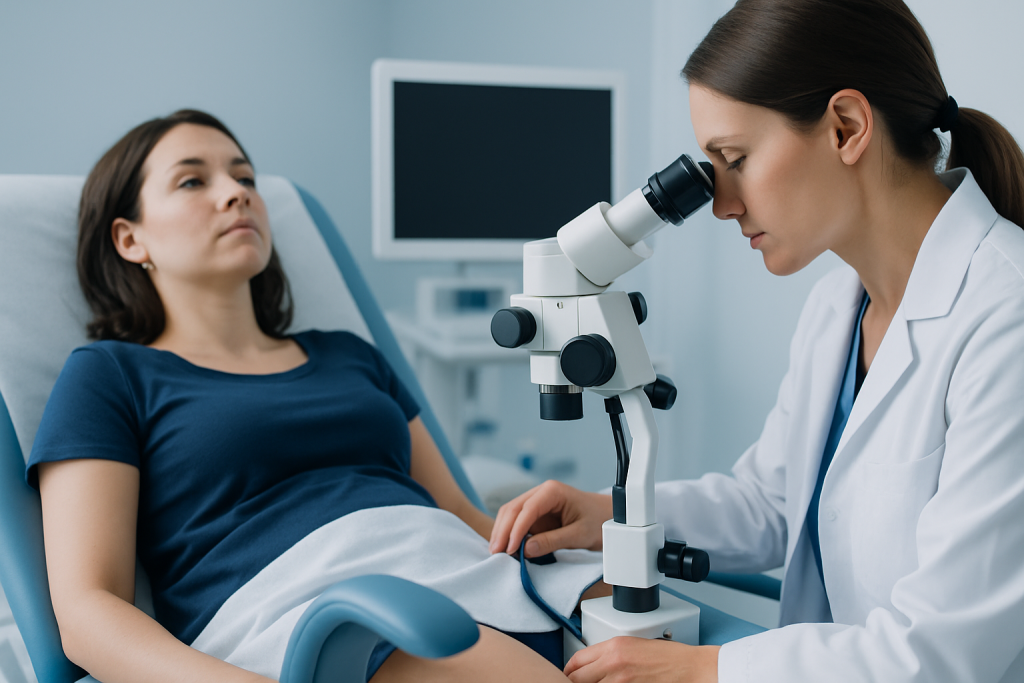
The experience can vary from mild cramping to intense menstrual-like pain. Some people notice a sudden gush of bleeding, followed by passage of a fleshy or membrane-like piece of tissue. Others report pressure in the pelvis before the tissue comes away.
Common features may include:
- Strong lower abdominal or pelvic cramping
- Vaginal bleeding, sometimes heavier than a usual period
- Passage of tissue that may look triangular, tube-shaped, or uterus-shaped
- Nausea, lightheadedness, or a sense of relief after the tissue passes
Symptoms often improve after the tissue is passed, but not always immediately. If pain persists, bleeding continues heavily, or the person feels weak or unwell, the event should not be assumed to be harmless without medical review. Because the appearance can be so similar to pregnancy tissue, any possibility of pregnancy deserves prompt attention.
Causes & Risk Factors

The exact reason a decidual cast occurs is not always clear, but it is generally related to hormonal influences on the uterine lining. Progesterone plays a key role in stabilizing that lining; when its effect changes abruptly, the tissue may detach in one piece rather than breaking down gradually.
Situations that may be associated include use of hormonal contraception, recent changes in birth control, missed hormonal doses, or shifts in the natural menstrual cycle. Some cases are reported with ectopic pregnancy, early pregnancy loss, or other pregnancy-related conditions, which is why pregnancy testing is often part of the evaluation.
Risk factors are not fully defined, and a decidual cast can occur without a clear trigger. Still, clinicians are usually attentive to recent medication changes, menstrual pattern changes, and any history of pelvic pain or abnormal bleeding. A patient who is trying to manage symptoms from another country should share the exact type of contraception or fertility treatment being used, since that detail can change the interpretation.
Diagnosis
Diagnosis starts with a careful history. A clinician will usually ask about the timing of bleeding, pain, last menstrual period, contraceptive use, and whether pregnancy is possible. The appearance of the passed tissue may be informative, but it is not enough by itself to confirm the cause.
Because pregnancy-related conditions can look similar, a pregnancy test is commonly recommended. Depending on the situation, a pelvic examination, ultrasound, or laboratory testing may also be used to check for retained tissue, infection, or other causes of bleeding. If the tissue is available, a clinician may suggest that it be brought in or photographed for review.
For Myomectomy Recovery for International Patients: The Usual Travel Timeline" class="ahp-ilk">international patients, diagnosis may happen in stages if care is started at home and then continued abroad. Bringing prior test results, medication lists, and images of the tissue can make the visit more efficient and help the new care team avoid unnecessary repetition.
Treatment Options
There is no single treatment for every decidual cast because management depends on the cause and how the person is feeling. If the tissue has already passed and symptoms are easing, a clinician may recommend observation, pain relief, and follow-up rather than additional intervention.
If bleeding is heavy, pain is significant, or another condition is suspected, treatment may include closer monitoring, medication, or procedures to address the underlying problem. When hormonal contraception appears to be involved, the clinician may discuss whether to continue, adjust, or change the method, always taking into account the patient’s broader reproductive goals.
It is important not to self-diagnose. What looks like a decidual cast can sometimes be pregnancy tissue, a clot, or tissue related to another uterine condition. In that sense, the most useful treatment step is often an accurate diagnosis first, followed by care tailored to the person’s symptoms and medical history.
Prevention & Self-care
Not every case can be prevented, especially when hormone changes are part of normal treatment or cycle adjustments. Still, a few practical steps may reduce confusion and help patients respond appropriately if symptoms occur.
Helpful self-care measures can include:
- Tracking menstrual dates, bleeding changes, and pain patterns
- Taking hormonal medication exactly as prescribed, unless a clinician advises otherwise
- Using appropriate pain relief only as directed by a healthcare professional
- Keeping a record of contraception changes or missed doses
- Saving a photo of the passed tissue if in-person care is delayed
Rest, hydration, and attention to how symptoms evolve are sensible after the event passes. If the person is abroad or preparing to travel for evaluation, bringing records of recent bleeding episodes, pregnancy tests, and medication history can make follow-up care smoother and more precise.
When to See a Doctor
Medical assessment is recommended whenever the person is unsure whether the tissue passage is a decidual cast, a miscarriage, or something else. This is especially true if pregnancy is possible, because early pregnancy-related complications need timely evaluation.
Urgent care is appropriate if there is very heavy bleeding, severe or worsening pain, fainting, fever, foul-smelling discharge, or signs of dehydration or weakness. These symptoms do not mean the cause is necessarily serious, but they do mean the situation deserves prompt attention.
People who have repeated episodes, new pain after starting or changing birth control, or ongoing bleeding after the tissue passes should also arrange a gynecologic review. Acibadem Health Point’s multidisciplinary specialists and JCI-accredited hospitals diagnose and treat this condition for international patients, with coordinated care that can support both evaluation and follow-up.
Frequently asked questions
Is a decidual cast the same as a miscarriage?
Not necessarily. A decidual cast is the shedding of the uterine lining in one piece, while a miscarriage involves pregnancy tissue. Because they can look similar, pregnancy testing and medical evaluation are important if pregnancy is possible.
What does a decidual cast look like?
It may appear as a fleshy, membrane-like piece of tissue and can sometimes resemble the shape of the uterus. Some people describe it as triangular or tube-shaped. The appearance alone cannot confirm the diagnosis.
Does a decidual cast always cause severe pain?
No. Some people have strong cramping, while others notice only moderate discomfort. Pain severity does not reliably tell whether the cause is a decidual cast or another condition.
Can birth control cause a decidual cast?
It can be associated with hormonal contraception or changes in hormone levels, though it does not happen to most users. If symptoms begin after starting, stopping, or missing hormonal medication, a clinician may want to review the method and timing.
Should the passed tissue be saved?
If possible, yes. A photo or the tissue itself may help a clinician understand what happened, especially if there is doubt about pregnancy or another cause of bleeding. Follow local medical advice on how to store or bring it in safely.
Can a decidual cast happen more than once?
It can, although repeated episodes are not typical and deserve medical review. Recurrence may suggest a hormone-related issue or another gynecologic condition that should be assessed.
References
- American College of Obstetricians and Gynecologists
- Mayo Clinic
- Cleveland Clinic
- NHS
- Merck Manual Professional Edition
This article is for general information only and is not a substitute for professional medical advice. Please consult a qualified doctor about your individual situation.
Explore treatments in Turkey — costs, top hospitals & a free quote
JCI-accredited · board-certified surgeons · reply within 24h
Add us as a Preferred Source to see more of our trusted health content across Google Search, AI Overviews and Discover.
More from the Health Library



Related Specialists

Dr. Gamze Karababa
Gynecology & Obstetrics
Dr. Onur Özdenoğlu
Gynecology & Obstetrics
Dr. Selcen Bahadır
Gynecology & Obstetrics
Prof. Dr. A. Taner Usta
Gynecology & Obstetrics