CPAP Machine: Uses and How It Works
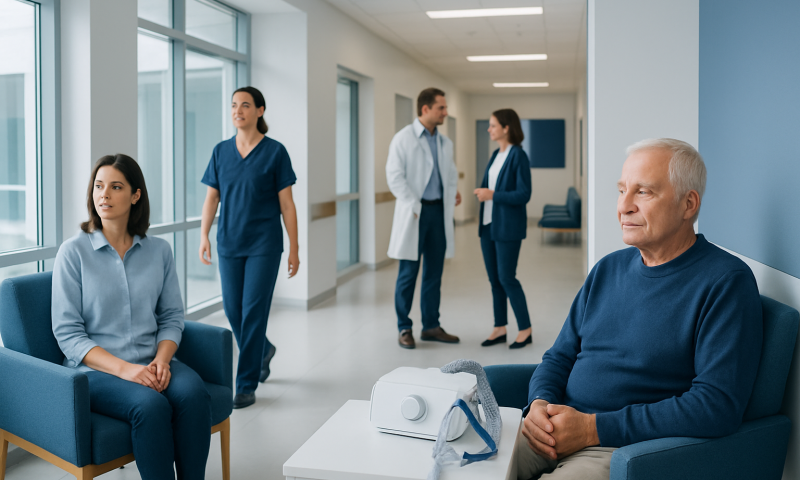
Key Takeaways
- CPAP therapy is most often used for obstructive sleep apnea.
- The right mask fit and pressure settings make a major difference in comfort and success.
- Early side effects such as dryness or pressure marks can often be improved with adjustments.
- Regular cleaning and replacement help the machine work properly and reduce irritation.
- Follow-up with a sleep specialist is important, especially if symptoms continue or the device feels hard to tolerate.
Medically reviewed by the Acıbadem clinical team — August 19, 2026
A CPAP machine is a common treatment for obstructive sleep apnea, helping keep the airway open during sleep with steady air pressure. With the right mask, settings, and follow-up, many people adapt well and sleep more safely and comfortably.
Overview
A CPAP machine is a bedside device that delivers a gentle, continuous stream of air through a mask worn during sleep. That airflow helps keep the upper airway from collapsing, which is why CPAP is widely used for obstructive sleep apnea.
For many people, the first night with CPAP is not the whole story. The better question is how the machine feels after a few weeks of use, once the mask has been adjusted, the pressure has been reviewed, and the person has had time to get used to sleeping with equipment. That gradual process matters for international patients as well, especially if treatment begins after a sleep study and continues at home in another country.
CPAP does not cure sleep apnea on its own, but it can be an effective long-term therapy when it is matched to the person’s breathing pattern, sleep habits, and comfort needs. Some people need a few fittings before the setup feels right, while others adapt quickly once the mask and humidity settings are refined.
Symptoms That Often Lead to CPAP Evaluation
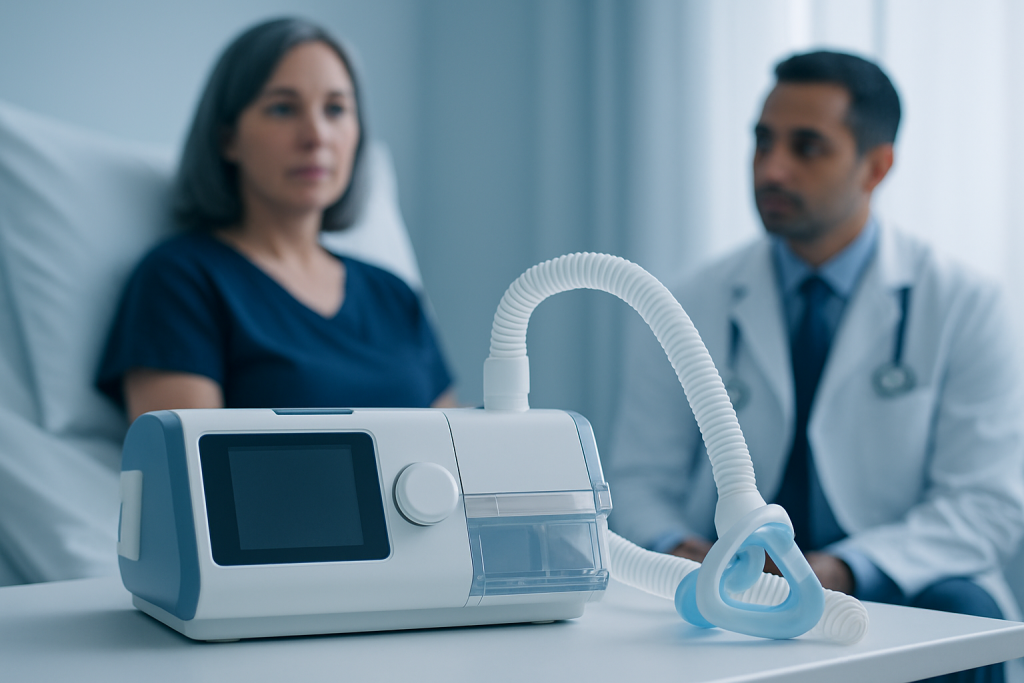
CPAP is usually considered after symptoms suggest that breathing is repeatedly interrupted during sleep. Loud snoring is one common clue, but it is not the only one. Many people also notice waking up unrefreshed, morning headaches, dry mouth, or a partner reporting pauses in breathing during the night.
Daytime symptoms can be just as important. Sleep apnea may show up as sleepiness while driving, difficulty concentrating, irritability, or a feeling that sleep never becomes truly restorative. These symptoms are worth discussing even if they seem mild, because sleep-disordered breathing can be present for some time before it is formally recognized.
Children and adults can present differently. In children, restless sleep, mouth breathing, behavioral changes, or trouble focusing may be more noticeable than sleepiness. In adults, the combination of snoring, fatigue, and witnessed breathing pauses often points the clinician toward further testing.
Causes & Risk Factors
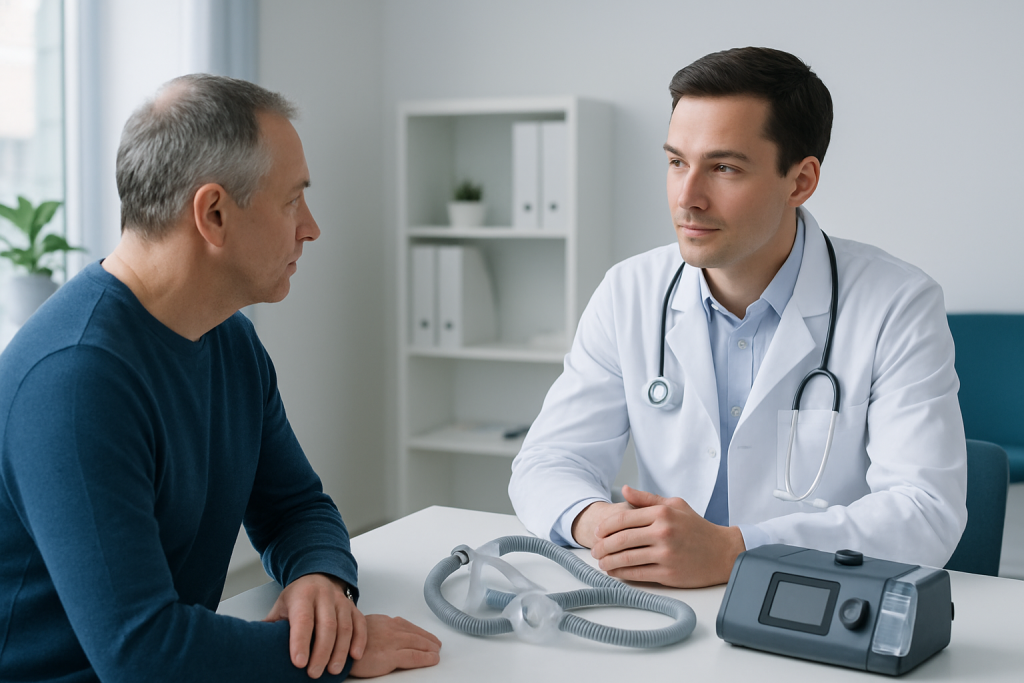
CPAP is most commonly prescribed for obstructive sleep apnea, a condition in which the airway narrows or collapses during sleep. This happens when the muscles that normally help keep the throat open relax too much, allowing airflow to be blocked or reduced.
Certain factors make this more likely. A higher body weight, a naturally narrow airway, enlarged tonsils, a smaller jaw, nasal obstruction, alcohol use near bedtime, and some sedating medicines can all contribute. Age and family history may also play a role.
It is helpful to remember that sleep apnea is not only a problem of snoring. Some people are not obviously overweight and still develop meaningful airway obstruction. That is one reason a proper sleep evaluation is important before choosing treatment.
Diagnosis
A CPAP machine is not selected based on symptoms alone. The diagnosis usually begins with a medical review of sleep habits, breathing symptoms, and overall health, followed by a sleep study. The study may be done overnight in a sleep lab or at home, depending on the person’s situation and the clinician’s judgment.
The sleep study helps measure breathing interruptions, oxygen levels, sleep stages, and body position. These findings guide whether CPAP is appropriate and what pressure range may be needed. In some cases, a titration study is used to determine the pressure that best keeps the airway open.
For international patients, this part of care often includes coordination across time zones and medical systems. Bringing prior reports, medication lists, and any previous sleep study results can make consultation more efficient and reduce the need to repeat testing.
Treatment Options
CPAP is one of several treatment options for sleep apnea, and it remains a mainstay because it works mechanically, rather than relying on willpower alone. The machine, hose, humidifier, and mask form a system that supports breathing throughout the night.
Different mask styles are available, including nasal masks, nasal pillows, and full-face masks. The right choice depends on breathing pattern, facial shape, nasal congestion, and comfort. Pressure settings may be fixed or automatically adjusted by an auto-adjusting CPAP device, depending on the prescription and sleep specialist’s plan.
Other treatments may be recommended alongside or instead of CPAP, such as weight management, positional therapy, oral appliances, or surgery in selected cases. The best plan is individual and often depends on sleep study findings, airway anatomy, symptom severity, and personal preferences.
When CPAP is used consistently, follow-up is important. The clinician may review usage data, residual symptoms, mask leak, and pressure tolerance, then refine the setup if needed. Small adjustments can make a major difference in long-term success.
Prevention & Self-care
Good CPAP use is often shaped by the small routines around it. Cleaning the mask, hose, and humidifier according to the device instructions helps reduce irritation and keeps the equipment functioning well. Regular replacement of worn parts can also improve the seal and comfort.
Comfort usually improves when people pay attention to their sleep environment. A supportive pillow, sleeping slightly elevated if recommended, and managing nasal congestion can help. Some people benefit from using the humidifier to reduce dryness in the nose or mouth, especially in dry climates or air-conditioned rooms.
It is also sensible to protect sleep habits more broadly. Limiting alcohol before bed, keeping a regular sleep schedule, and avoiding sedatives unless prescribed can support breathing during sleep. For travelers, carrying adapters, extra supplies, and a copy of the prescription can make using CPAP away from home much simpler.
- Wash equipment as directed by the manufacturer or care team.
- Check the mask fit if there are pressure marks or air leaks.
- Use the device every night unless the doctor advises otherwise.
- Ask about travel-friendly power options before a trip.
When to See a Doctor
A doctor should be consulted if snoring is loud and frequent, if breathing pauses are observed, or if daytime sleepiness is affecting safety or daily life. These symptoms may point to sleep apnea and deserve formal evaluation rather than guesswork.
After CPAP is started, follow-up is important if the mask feels intolerable, the nose or mouth becomes persistently dry, air seems to escape from the mask, or sleep does not improve despite regular use. These issues are common enough that they often have practical solutions, such as a different mask style, humidification, or pressure adjustment.
Immediate medical advice is sensible if there is chest pain, severe shortness of breath, fainting, or a sudden change in alertness. For people arranging care across borders, it helps to plan follow-up before travel so that any needed adjustments can be handled without delay. Acibadem Health Point’s multidisciplinary specialists and JCI-accredited hospitals diagnose and treat sleep apnea for international patients, with care designed to continue beyond the initial visit.
Living With CPAP Day to Day
The first weeks of CPAP use are often about problem-solving rather than perfection. Some people need a different mask size, others need help managing dryness, and many need a bit of time to get used to the sensation of airflow. That learning curve is normal.
Tracking how sleep feels can be useful. Improved morning alertness, fewer awakenings, and less daytime fatigue suggest that the therapy is helping, even if the machine still feels noticeable at night. If symptoms return or the device seems less effective, the settings or mask seal may need review.
For patients who are returning home after Varicose Vein Treatment Abroad: When Stockings Are Enough and When Procedures Help More" class="ahp-ilk">treatment abroad, keeping discharge instructions, device details, and follow-up contacts together can make continuity easier. A well-organized handoff supports long-term success more than any single overnight adjustment.
Frequently asked questions
What does a CPAP machine actually do?
A CPAP machine sends a steady flow of air through a mask while a person sleeps. That pressure helps keep the airway open and reduces pauses in breathing linked to obstructive sleep apnea. It treats the breathing problem during use, but it does not permanently cure the underlying tendency for the airway to narrow.
Is CPAP uncomfortable at first?
It can feel unusual at the beginning, especially when someone is getting used to the mask and airflow. Many people improve with a better mask fit, humidification, and a few nights or weeks of practice. If discomfort continues, the setup should be reviewed rather than simply endured.
How do doctors decide the right CPAP pressure?
The pressure is usually determined through a sleep study or a titration process guided by a sleep specialist. The goal is to find the level that keeps the airway open without making the therapy harder to tolerate. Some devices adjust pressure automatically within a prescribed range.
Can someone travel with a CPAP machine?
Yes, many people travel with CPAP successfully. It helps to carry the prescription, use a protective case, check power compatibility, and bring any needed adapters or supplies. Planning ahead is especially useful for long flights or international trips.
What if CPAP does not seem to help?
If sleepiness, snoring, or poor sleep continue, the mask fit, pressure settings, usage pattern, or diagnosis may need to be reviewed. Sometimes the issue is a simple leak or dryness; in other cases, another sleep-related condition may also be present. A follow-up visit is the right next step.
Do people have to use CPAP forever?
Not always, but many people do need long-term treatment if sleep apnea persists. Some individuals improve with weight changes, positional therapy, oral appliances, or surgery, depending on the cause and severity. A sleep specialist can explain whether CPAP remains the best option over time.
References
- American Academy of Sleep Medicine
- National Heart, Lung, and Blood Institute
- Mayo Clinic
- Cleveland Clinic
- NHS
This article is for general information only and is not a substitute for professional medical advice. Please consult a qualified doctor about your individual situation.
Explore treatments in Turkey — costs, top hospitals & a free quote
JCI-accredited · board-certified surgeons · reply within 24h
Add us as a Preferred Source to see more of our trusted health content across Google Search, AI Overviews and Discover.