Conversion Disorder: Symptoms, Causes and Treatment

Key Takeaways
- Conversion disorder causes genuine symptoms such as weakness, tremor, or non-epileptic seizures.
- The condition is diagnosed through careful medical assessment, not by dismissing symptoms.
- Treatment often combines education, psychotherapy, rehabilitation, and management of stressors.
- Recovery can be gradual, but early support and a clear explanation improve the outlook.
- A person should seek prompt medical review for new, worsening, or unexplained neurological symptoms.
Medically reviewed by the Acıbadem clinical team — August 19, 2026
Conversion disorder, also known as functional neurological disorder, causes real neurological symptoms that are not explained by structural disease alone. With the right evaluation and a coordinated treatment plan, many people improve and learn to manage symptoms more confidently.
Overview
Conversion disorder is the older term for what is now commonly called functional neurological disorder, or FND. It describes a situation in which the nervous system is not sending and receiving signals in the usual way, leading to symptoms that are very real to the person experiencing them. These symptoms can resemble stroke, epilepsy, movement disorders, or limb weakness, even when standard testing does not show a structural cause.
For patients and families, one of the hardest parts is that the symptoms are not “made up” or imaginary. They are experienced physically, and they can interrupt work, travel, driving, walking, speaking, or self-care. A careful diagnosis helps move the discussion away from blame and toward practical treatment.
Because the condition can appear suddenly, people often begin their care in an emergency department, neurology clinic, or rehabilitation setting. In international-patient care, the main goal is to sort out what is urgent, explain the diagnosis clearly, and build a plan that can continue safely after returning home.
The condition is understood best when it is approached as a brain-network problem rather than as a sign of weakness. That perspective helps many patients feel less frightened and more ready to take part in recovery.
Symptoms
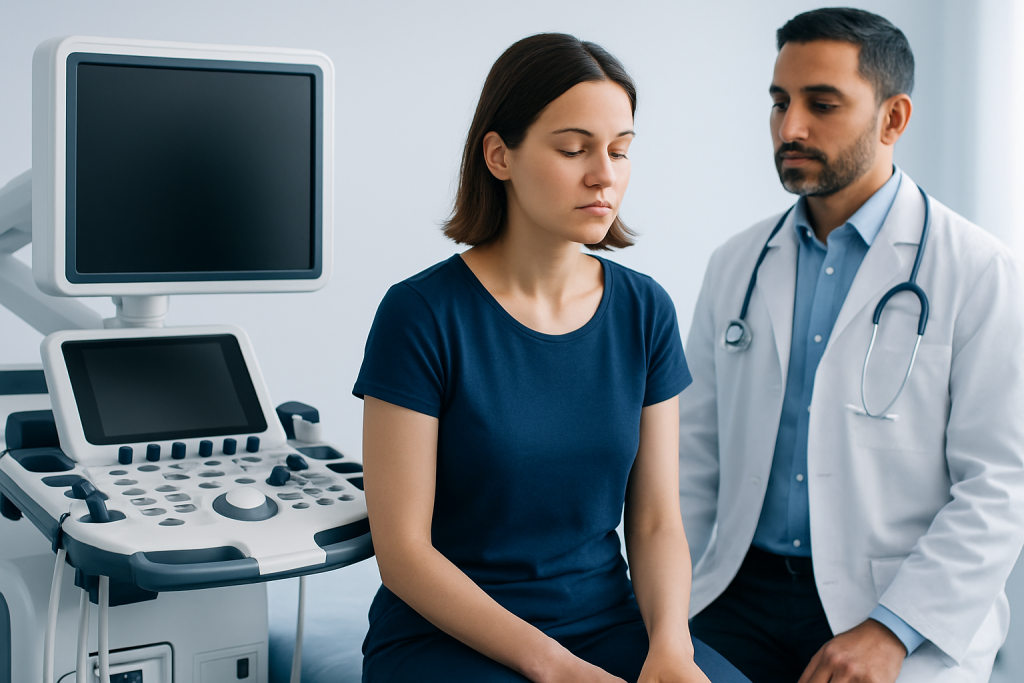
Symptoms vary widely from one person to another, and they may change over time. Some people have one main symptom, while others have several. Episodes may come and go, or symptoms may remain persistent and fluctuate in severity.
Common symptoms include weakness or paralysis in an arm or leg, abnormal walking patterns, tremors, jerking movements, speech problems, loss of balance, numbness, or difficulty swallowing. Some people have seizure-like episodes that look similar to epileptic seizures but have a different underlying mechanism.
Other possible symptoms involve the senses or cognition. A person may report vision changes, hearing changes, dizziness, memory trouble, trouble concentrating, or a feeling that the body is disconnected or “not mine.” Fatigue and pain can also be part of the picture.
- Weakness or loss of movement
- Non-epileptic seizure-like episodes
- Tremor, spasms, or abnormal postures
- Speech, vision, or balance problems
- Numbness or altered sensation
Symptoms may become more noticeable during stress, illness, sleep disruption, or emotional strain, but they do not require an obvious trigger to be genuine. The pattern itself is part of the diagnosis, which is why experienced neurological examination is so important.
Causes & Risk Factors

There is no single cause of conversion disorder. Current medical understanding suggests that it develops from a mix of biological, psychological, and social factors that affect how the brain controls movement, sensation, attention, and arousal. In many cases, the person has an underlying vulnerability rather than a single clear event.
Some people notice symptoms after a physical injury, infection, migraine, surgery, panic episode, or other bodily stress. Others develop symptoms after emotional stress, trauma, conflict, or prolonged pressure. However, not every patient has a recent stressor, and the absence of one does not make the diagnosis less valid.
Risk factors may include a history of anxiety, depression, trauma, chronic pain, sleep problems, prior neurological symptoms, or a family environment in which illness and stress were difficult to manage. Medical uncertainty can also play a role, especially when repeated tests do not bring a clear explanation and fear begins to amplify symptoms.
It is helpful to think of risk factors as influences, not causes in a moral sense. They can shape how symptoms appear, but they do not mean the person is responsible for developing the disorder.
Diagnosis
Diagnosis begins with a detailed medical history and neurological examination. A clinician looks for patterns that are typical of functional neurological disorder and also checks for signs of stroke, epilepsy, multiple sclerosis, movement disorders, or other neurological conditions that may need a different approach.
Testing may include blood work, brain imaging, EEG, or other studies, depending on the symptoms. These tests are used to rule out alternative explanations and to support a confident diagnosis, but the diagnosis should not rely only on “normal tests.” In modern practice, doctors also look for positive clinical signs that point toward FND.
That distinction matters. People sometimes feel that they are only diagnosed after everything else is excluded, which can leave them frustrated. A more useful approach is one that explains why the symptoms fit conversion disorder and what that means for treatment.
For patients traveling from another country, carrying previous scans, medication lists, and discharge notes can shorten the diagnostic process. A coordinated neurology and rehabilitation review can be especially valuable when symptoms have already been investigated elsewhere.
Treatment Options
Treatment is usually individualized and often works best when it is coordinated across specialties. The most effective plan depends on the symptom type, how long the symptoms have been present, and what other health or life stressors are involved.
Education is often the first step. A clear explanation from the clinician helps the person understand that the symptoms are real and potentially reversible, which can reduce fear and prevent unnecessary repeated testing. Many patients benefit from psychotherapy, particularly approaches that help with stress regulation, trauma-related symptoms, or patterns of attention that may worsen episodes.
Rehabilitation has an important role, especially when weakness, walking difficulty, tremor, or speech changes are present. Physiotherapy, occupational therapy, and speech therapy can help retrain movement and restore confidence in body function. For seizure-like episodes, treatment focuses on recognition, safety, and avoiding unnecessary emergency interventions once the diagnosis is established.
Other parts of care may include treatment for anxiety, depression, pain, sleep disturbance, or migraine if they coexist. No single medication cures conversion disorder itself, but treating accompanying conditions can make symptoms easier to manage.
For international patients, a multidisciplinary team can be especially helpful because diagnosis, education, therapy planning, and follow-up need to be organized before the person returns home. The goal is not simply a short hospital stay; it is a plan that can be continued with local providers after discharge.
Prevention & Self-care
There is no guaranteed way to prevent conversion disorder, but symptom burden can often be reduced with steady self-care and early support. The most useful strategies are usually practical rather than dramatic, and they work best when they are part of a broader treatment plan.
Regular sleep, balanced meals, gentle physical activity, and predictable routines can help stabilize the nervous system. It is also useful to keep track of symptom patterns, triggers, and recovery strategies, not to prove the illness, but to notice what makes episodes easier or harder.
Stress management can be important, especially when symptoms flare during demanding periods. Relaxation exercises, pacing, mindfulness-based techniques, and therapy-guided coping skills may help some people feel less overwhelmed. Families can support recovery by responding calmly, avoiding blame, and encouraging follow-through with treatment.
- Keep a symptom diary with triggers and recovery patterns
- Follow therapy and rehabilitation exercises consistently
- Protect sleep and daily routines as much as possible
- Limit unnecessary repeated emergency visits once diagnosis is clear
- Share the diagnosis with trusted family members or caregivers so they can support care
It can also help to plan ahead for follow-up care before travel, especially if the person is returning to another country. Written treatment summaries, therapy instructions, and warning signs to watch for can make the transition smoother and safer.
When to See a Doctor
Any new weakness, seizure-like episode, speech difficulty, vision loss, or sudden change in balance should be assessed promptly, especially the first time it happens. These symptoms can overlap with urgent conditions such as stroke or epilepsy, so medical evaluation is important even when conversion disorder is suspected.
Medical review is also wise if symptoms are increasing, interfering with daily activities, causing falls, or creating repeated emergency visits. People who already have a diagnosis should return for reassessment if the symptom pattern changes in a way that feels different from before.
Support is especially helpful when symptoms are affecting work, school, driving, travel plans, sleep, mood, or family life. A neurologist, mental health professional, and rehabilitation specialist can each contribute something practical to recovery.
If symptoms are severe or unclear, a center with coordinated expertise may be useful. Acibadem Health Point can help international patients access multidisciplinary specialists and JCI-accredited hospitals for diagnosis and treatment planning.
Frequently asked questions
Is conversion disorder the same as functional neurological disorder?
Yes, conversion disorder is the older term, and functional neurological disorder is the more current name used in many medical settings. Both refer to real neurological symptoms that are not explained by structural disease alone. The newer term is often preferred because it is less likely to sound dismissive.
Can conversion disorder be diagnosed if scans are normal?
Yes. Normal scans do not rule out the condition, because diagnosis is based on the overall clinical picture and neurological examination. Doctors look for patterns and positive signs that fit functional neurological disorder, while also making sure other conditions are not being missed.
Are the symptoms voluntary or fake?
No, the symptoms are not voluntary and are not fake. The person is not consciously producing them, and the distress can be very real. Understanding this helps reduce stigma and allows treatment to focus on recovery rather than blame.
What treatments help most?
Many people benefit from a combination of education, psychotherapy, and rehabilitation therapy. Treatment is usually tailored to the main symptoms and any related issues such as anxiety, depression, pain, or sleep problems. The most helpful plan is often the one that is clear, consistent, and followed over time.
Can conversion disorder improve over time?
Yes, improvement is possible, especially when the diagnosis is explained well and treatment starts early. Progress may be gradual, and some symptoms may fluctuate, but many patients learn to manage episodes better and regain function. Ongoing follow-up can make a meaningful difference.
Should family members be involved in care?
Often, yes. Family members can help by understanding that the symptoms are real, supporting treatment plans, and responding calmly during episodes. Their role can be especially important when the person is recovering at home or coordinating care after travel.
References
- National Institute of Neurological Disorders and Stroke
- NHS
- American Psychiatric Association
- World Health Organization
- Mayo Clinic
This article is for general information only and is not a substitute for professional medical advice. Please consult a qualified doctor about your individual situation.
Explore treatments in Turkey — costs, top hospitals & a free quote
JCI-accredited · board-certified surgeons · reply within 24h
Add us as a Preferred Source to see more of our trusted health content across Google Search, AI Overviews and Discover.